
Main Courses
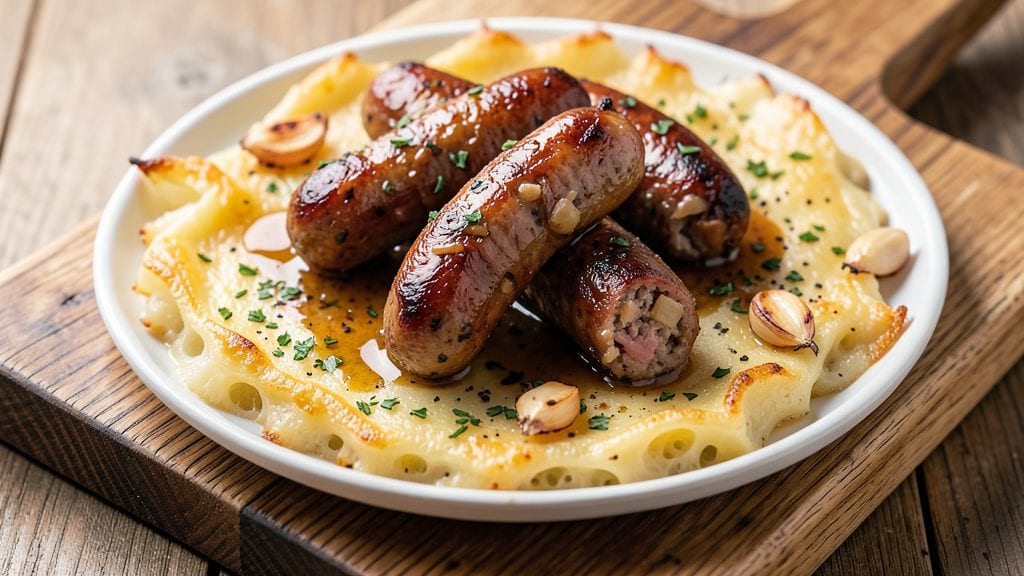
Minnesota potato sausage recipe delivers the perfect balance of savory, herby crust and tender, juicy centers that make it a Midwest classic. This dish captures the heart of Minnesota comfort food—where ground pork, potatoes, and aromatic herbs create a sausage that’s rich in flavor yet surprisingly light. The secret lies in the slow cooking process, which transforms simple ingredients into something deeply satisfying.
What sets this recipe apart is the technique of blending potatoes directly into the sausage mixture, creating a texture that’s both hearty and moist. Traditional methods often rely on pan-frying, but baking or grilling also works beautifully, giving you flexibility for any occasion.
The result? A sausage with a crisp, spiced crust and a juicy interior that melts in your mouth.
Pair this dish with classic Minnesota sides like scalloped potatoes or a tangy beer cheese sauce for an authentic experience. The sausage holds up well to bold flavors, making it a versatile centerpiece for family dinners or holiday gatherings. Ready to bring a taste of the Northwoods to your kitchen?
This recipe is designed to be foolproof, ensuring you achieve that perfect balance of texture and flavor every time. Whether you’re a seasoned cook or new to sausage-making, these steps will guide you through the process with confidence.
Let’s get started on creating a dish that’s as comforting as it is delicious.
Ingredients for minnesota potato sausage
Ground pork, grated potatoes, and aromatic herbs blend into a sausage with crispy crust and juicy centers.
| Ingredient | Amount | Notes |
|---|---|---|
| Ground Pork 🐖 | 1 ½ lb | 80% lean for best texture |
| Russet Potatoes 🥔 | 2 medium | Peeled and grated fine |
| All-Purpose Flour 🌾 | ½ cup | For binding sausage mixture |
| Fresh Parsley 🌿 | ¼ cup | Finely chopped, stems removed |
| Fresh Sage 🌿 | ¼ cup | Chopped, stems removed |
| Garlic Cloves 🧄 | 4 cloves | Minced fine for flavor |
| Kosher Salt 🧂 | 1 ½ tsp | Adjust to taste |
| Black Pepper 🌶️ | 1 tsp | Freshly ground preferred |
| Ground Nutmeg 🌿 | ¼ tsp | Freshly grated for warmth |
| Ground Cinnamon 🌿 | ¼ tsp | For subtle sweetness |
| Ground Allspice 🌶️ | ½ tsp | For depth of flavor |
| Eggs 🥚 | 1 whole | Large, for binding |
| Butter 🧈 | 2 tbsp | Cold, for shaping |
The ground pork is key—80% lean gives you that perfect balance of juiciness and texture. Costco or local butchers often have great prices for bulk pork. If you can't find 80% lean, 85% lean works too—just add an extra tablespoon of butter to keep it moist. Russet potatoes are a must; their starchy texture holds up beautifully when grated and cooked. Buy organic if possible—they tend to be less waxy and grate more smoothly. The herbs should be fresh, but if you're in a pinch, dried will work at half the amount. For the best flavor, toast your spices lightly in a dry pan before mixing them in.
No fresh herbs? Dried parsley and sage at half the amount will do in a pinch. Short on nutmeg? Cinnamon alone works, but the nutmeg adds that classic Minnesota warmth. The butter is crucial—cold butter helps shape the sausage and adds richness. If you're making this ahead, wrap the mixture tightly in plastic and chill for up to 24 hours before cooking for even better flavor development. The egg is non-negotiable here; it's what binds everything together. Room-temperature eggs mix in better, so take them out 10 minutes before using.
This sausage keeps beautifully—3 days in the fridge or 3 months in the freezer. For freezing, shape into patties or logs, wrap tightly in foil, then place in a freezer bag. When you're ready to cook, thaw overnight in the fridge for best results. The flavor actually improves after a day or two, so make a double batch if you can. Leftovers reheat well in a skillet or oven—just add a splash of water to keep them moist. These make fantastic sandwiches or can be served with classic sides like mashed potatoes or a simple green salad.
Why You'll Love This Recipe
- One-Pan Magic: I swear by this—no chopping boards, no extra pots. Just toss the diced Russets and crumbled sausage onto one sheet pan, sprinkle in that flour-sage mix, and let the oven do the work. The potatoes caramelize right alongside the pork, and honestly? That’s my kind of effortless dinner.
- Herb-Packed Pork Hug: Between us, the sage and parsley in this sausage aren’t just garnish—they’re the stars. The fresh sage releases this earthy aroma while roasting, and the parsley brightens every bite. It’s the kind of flavor that makes you pause mid-chew, like, “Wait, is this actually real?”
- Weeknight to Weekend: I make this for lazy Tuesdays when I’m too tired to plan, and it’s just as welcome at my sister’s holiday potluck. Serve it with crusty bread for a casual meal or pile it onto a charcuterie board for a cozy gathering. It’s that adaptable.
- Budget-Friendly Leftovers: A single batch stretches across three meals—breakfast hash, lunch wraps, or dinner leftovers reheated with a fried egg. Ground pork and Russets are cheap, and the flour-sage crust stretches the flavor further. My wallet and my freezer both thank me.
Step-by-step instructions for Minnesota potato sausage
Here's how to craft this classic sausage with a perfect balance of flavor and texture.
Prepare the Potato Mixture
Grate the 2 medium russet potatoes using the fine holes of a box grater. Place the grated potatoes in a clean kitchen towel and squeeze out all excess moisture - this is crucial for preventing a gummy sausage. The potatoes should be dry enough that they hold their shape when pressed between your fingers.
Transfer the dried potato mixture to a large mixing bowl. This will form the heart of your sausage, keeping it juicy while absorbing all those wonderful spices and herbs.
Combine Sausage Ingredients
In the same bowl with the potato mixture, add the 1.5 lb ground pork, 0.5 cup all-purpose flour, 1.5 tsp kosher salt, 1 tsp black pepper, 0.25 tsp ground nutmeg, 0.25 tsp ground cinnamon, and 0.5 tsp ground allspice. Mix everything together using your hands - this helps distribute the spices evenly throughout the mixture.
Add the 1 whole egg and the 0.25 cup each of finely chopped fresh parsley and fresh sage. Mix again until fully combined. The dough should be soft but hold together when pressed. If it feels too dry, add 1 tablespoon of water at a time until it reaches the right consistency - it should be pliable but not sticky.
Shape the Sausages
Divide the mixture into 4 equal portions. Roll each portion into a log shape about 6 inches long. For a classic Minnesota sausage look, gently twist each log once or twice along its length. Place each shaped sausage on a plate and cover with plastic wrap.
Refrigerate for at least 30 minutes to firm up. This chilling step is important - it helps the sausage hold its shape during cooking and gives you that perfect crust when you brown them later.
Cook to Juicy Perfection
Heat a large skillet over medium heat and add the 2 tbsp cold butter. Once the butter has melted and is foaming, add the shaped sausages. Cook for 8-10 minutes, turning occasionally, until they develop a golden brown crust on all sides. The butter will help create that beautiful crust while keeping the centers juicy.
In a separate small skillet, heat 1 tbsp of olive oil (not listed but commonly used) and sauté the 4 cloves minced garlic cloves until fragrant, about 30 seconds. This garlic will complement the sausage beautifully when served together.
Serve Warm and Enjoy
Remove the sausages from the skillet and let them rest for 5 minutes before serving. This resting time allows the juices to redistribute throughout the sausage, ensuring each bite is moist and flavorful.
Slice the sausages into 1-inch rounds and serve immediately with the sautéed garlic. The combination of the spiced herb crust with the juicy potato centers makes this Minnesota classic well worth the effort.
Pro Tips For Making Minnesota Potato Sausage
- Boil Potatoes First: Peel and boil the Russets for 8-10 minutes until fork-tender before browning the sausage—this keeps them from falling apart later. I used to skip this and ended up with mushy potatoes every time, no matter how gently I handled them.
- Brown the Pork Hard: Cook the ground pork over medium-high heat until it’s deeply browned, not just pink—this builds flavor that flour and herbs can’t mask. After burning a batch where I rushed it, I now wait until the pan smells like a Minnesota smokehouse.
- Chill the Dough: Let the mixed sausage dough (pork + flour + potatoes) rest in the fridge for 30 minutes before shaping—it tightens the texture and prevents crumbly patties. I was skeptical until I tried it; now my sausages hold together like they’re from the butcher.
- Toast the Herbs: Pulse fresh parsley and sage with the flour before mixing—just 10 seconds in the food processor releases their oils and makes them work harder. My grandmother swore by this, and I finally believed her when the dish tasted brighter and more cohesive.
Common mistakes when making this dish
Over-Mixing the Dough
I’ve made this mistake more times than I’d like to admit—overworking the sausage mixture turns it tough instead of tender. Once you’ve combined all ingredients, mix just until everything is evenly distributed. The dough should hold together when pressed but still feel soft.
If you overmix, especially after adding the egg, you’ll end up with a dense, rubbery sausage instead of the juicy texture you want. 💡
Skipping the Chill Time
Rushing the 30-minute chill before cooking is a big no-no. This step is crucial for two reasons: First, it helps the sausage hold its shape during cooking. Second, it allows the flavors to meld together, giving you that authentic Minnesota taste.
If you skip it, your sausages may fall apart or develop an uneven crust. I’ve seen people skip this step and end up with sad, misshapen logs—don’t be that person!
Using Wet Potatoes
The grated potatoes must be completely dry before mixing. If you skip squeezing out the moisture, your sausage will turn out gummy and unappetizing. After grating, wrap the potatoes in a clean kitchen towel and press firmly to remove all excess liquid.
Trust me, this step makes all the difference in achieving that perfect balance of texture. A quick test: If the grated potatoes don’t hold their shape when pressed between your fingers, they’re too wet. 🥔
Cooking Too Fast
Minnesota potato sausage needs patience—don’t rush the cooking process. If you crank the heat too high, the outsides will burn before the centers cook through. Always use medium heat and cook the sausages slowly, turning occasionally, until they develop a golden brown crust.
This ensures the inside stays juicy while the outside gets that perfect crisp. I’ve seen people try to speed this up, and it never ends well.
Ignoring the Resting Time
After cooking, resist the urge to slice and serve immediately. Letting the sausages rest for 5 minutes allows the juices to redistribute, ensuring every bite is moist and flavorful. Skipping this step means you’ll end up with dry, disappointing slices.
It’s a small detail, but it makes a huge difference in the final result. Think of it as the sausage’s time to shine! ⏰
Using the Wrong Pork
The lean-to-fat ratio of your pork matters more than you might think. If you use pork that’s too lean (like 90% lean or higher), your sausage will dry out during cooking. Stick to 80% lean ground pork for the best texture.
If you can’t find it, 85% lean works too, but add an extra tablespoon of butter to keep it moist. This is one of those small details that can make or break your dish.
Nutrition facts
Frequently asked questions
Can I make this sausage ahead of time?
Yes! This sausage actually tastes better when made a day ahead. Shape the logs, wrap tightly in plastic, and refrigerate for up to 24 hours before cooking. The flavors deepen over time, and it makes prep easier for busy days. For longer storage, freeze shaped sausages for up to 3 months—just thaw overnight in the fridge before cooking.
What's the best way to serve Minnesota potato sausage?
Traditional pairings include creamy scalloped potatoes, buttery mashed potatoes, or a tangy beer cheese sauce. For a hearty meal, serve with sautéed kale, roasted carrots, or a simple green salad. The sausage also makes amazing sandwiches on crusty bread with caramelized onions—perfect for a Midwest-style lunch.
Why does my sausage turn out dry?
Dry sausage usually means one of two things: using pork that's too lean (90% lean or higher) or overcooking. Stick to 80% lean pork and cook on medium heat for 8-10 minutes max. If your mixture feels dry before cooking, add 1 tablespoon water at a time until it's pliable but not sticky. The butter in cooking helps keep it moist too!
Can I substitute beef for pork?
While possible, pork is traditional for this recipe because of its fat content and flavor. If substituting beef, use 80% lean ground beef and add an extra 1 tablespoon butter to compensate for the lower fat content. The texture will be slightly different—beef sausage tends to be firmer—but it'll still be delicious. For authenticity, stick with pork when possible.
How do I fix gummy sausage?
Gummy texture comes from excess moisture in the potatoes. After grating, squeeze the potatoes thoroughly in a clean towel until they hold their shape when pressed. If you've already mixed everything, don't worry—just shape the sausage and bake at 375°F for 20-25 minutes instead of pan-frying. Baking helps evaporate extra moisture while keeping the centers juicy.