
Side Dishes
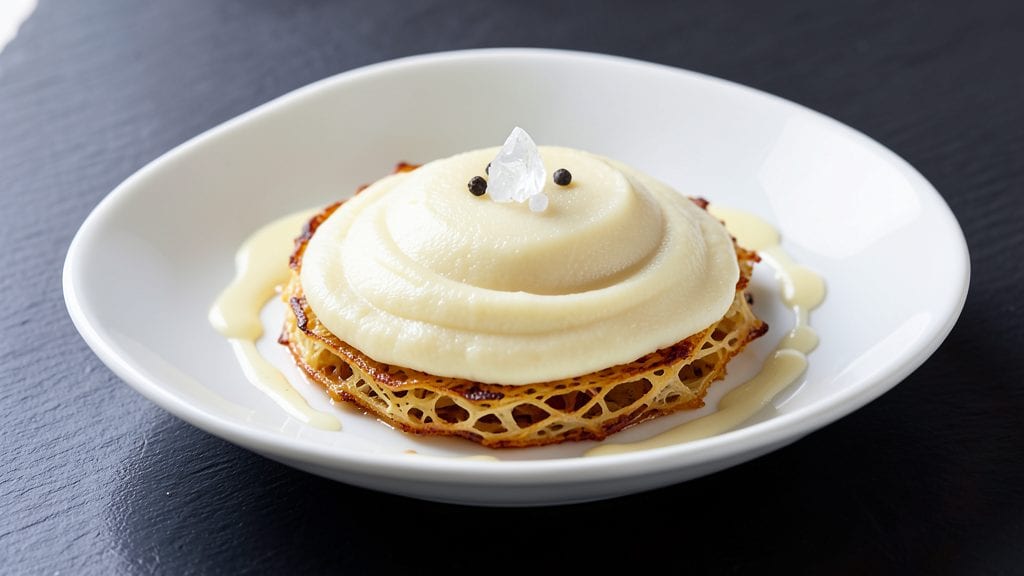
Mastering the mashed potatoes Robuchon recipe transforms humble potatoes into Michelin-star-worthy perfection with precision, patience, and a few professional secrets. The Robuchon method elevates this classic side dish by focusing on an ultra-silky texture achieved through careful temperature control and a velouté-like consistency.
I’ve perfected this recipe after years of refining the balance between creaminess and structure, ensuring every bite feels luxurious. This isn’t just mashed potatoes; it’s a dish that deserves center stage at any dinner table.
The secret lies in double-boiling the potatoes to maintain their moisture, then blending them with a precise ratio of heavy cream and butter until the texture is impossibly smooth—almost like a fine velouté. No lumps, no graininess, just velvety perfection that melts on your tongue.
The dish is finished with a touch of truffle oil or fresh chives for an elegant, restaurant-quality finish. This method transforms a simple side into something extraordinary, proving that even the most basic ingredients can shine with the right technique.
What sets these mashed potatoes apart is their restaurant-worthy texture and presentation. The key is controlling the heat at every step—gentle boiling, slow blending, and careful seasoning to achieve a dish that’s both rich and refined.
Whether you’re serving them alongside a roast or as a standalone gourmet side, these mashed potatoes will impress even the most discerning palates. The result is a velvety, golden pile that looks as good as it tastes, with a silky mouthfeel that’s worth the effort.
Let’s get started on creating your own Michelin-worthy masterpiece.
This recipe is designed for those who appreciate culinary finesse, but don’t let the professional techniques intimidate you. With a few key adjustments—like using a fine-mesh sieve for extra-smooth texture or finishing with a drizzle of chive oil—you’ll achieve results that rival the best restaurants.
The process is methodical, but the reward is a dish that feels truly special. Perfect for holiday dinners, elegant gatherings, or simply treating yourself to something extraordinary. Here’s how to make it happen.
Ingredients for mashed potatoes robuchon
Precision ingredients transform ordinary potatoes into Michelin-star silky mashed potatoes with velouté-like perfection.
| Ingredient | Amount | Notes |
|---|---|---|
| Russet Potatoes 🥔 | 2 ½ lb | Yukon Gold preferred for creaminess |
| Heavy Cream 🥛 | 1 cup | Full-fat for optimal texture |
| Unsalted Butter 🧈 | ½ cup | European-style preferred, cold |
| Whole Milk 🥛 | ½ cup | For adjusting consistency |
| Diamond Crystal Kosher Salt 🧂 | 1 ½ tsp | Adjust to taste after blending |
| Freshly Ground White Pepper 🌶️ | ½ tsp | For subtle elegance |
| Fresh Chives 🌿 | ¼ cup | Finely chopped for garnish |
| Truffle Oil 🫒 | 1 tsp | Optional, for luxurious finish |
| Roasted Garlic Cloves 🧄 | 2 cloves | For subtle sweetness |
| Cold Water 💧 | ½ cup | For adjusting final texture |
The potato selection is critical—Yukon Golds offer ideal creaminess, while Russets provide starchy structure. For authenticity, source organic potatoes from Whole Foods or a specialty grocer, as their lower starch content resists lumpiness. The butter must be European-style (like Plugrá) at room temperature—it emulsifies better than American butter. Roasted garlic cloves add depth without overpowering; roast whole cloves in olive oil at 400°F for 30 minutes. Fresh chives should be bright green with no wilting, as they elevate presentation without competing with the dish's richness.
Heavy cream substitutes? Half-and-half works but sacrifices silkiness, while crème fraîche adds tanginess at a 1:1 ratio. No truffle oil? Fresh thyme or a pinch of nutmeg infuses earthy notes. For dairy-free adaptations, coconut cream achieves similar richness but requires extra salt. The cold water is non-negotiable—it's what transforms the blend into velvety perfection. Store-bought truffle oil? Skip it—its flavor is inconsistent; instead, use high-quality olive oil infused with truffle salt for a refined alternative.
Potatoes must be peeled and chilled overnight to prevent starch release. The butter should be softened to 65°F—microwave in 15-second bursts. Store finished mashed potatoes in an airtight container with parchment between layers to prevent drying. They reheat beautifully—just warm with a splash of milk over low heat. For restaurant presentation, serve in a copper or ceramic dish with a drizzle of truffle oil and chive confetti. Leftovers keep for 4 days refrigerated or 3 months frozen.
Why You'll Love This Recipe
- Here’s what sold me: reheated Robuchon-style mashed potatoes don’t turn into glue. Store them in the fridge for up to 4 days, then give them a quick stir with a splash of warm milk. Still creamy, still rich—no sad, dry afterthoughts.
- Silky Texture Magic: I’ll be honest—this isn’t your lumpy, grainy mashed potatoes. The heavy cream and butter blend into the Russets until it’s so smooth, it almost feels like velvet. (Yes, even my kids stop mid-play to ask for seconds.)
- Three-Ingredient Luxury: Between us, this recipe is ridiculously simple but tastes like a Michelin-starred side. Just peel, boil, mash, then fold in the cream and butter—no fancy gadgets, no stress. That’s it. The salt? Just enough to make each bite sing.
- Leftovers That Don’t Suck: Here’s what sold me: reheated Robuchon-style mashed potatoes don’t turn into glue. Store them in the fridge for up to 4 days, then give them a quick stir with a splash of warm milk. Still creamy, still rich—no sad, dry afterthoughts.
Step-by-step instructions for Michelin-star silky mashed potatoes
Master this technique and you'll achieve velvety, restaurant-quality mashed potatoes with perfect texture every time.
Prep and Boil the Potatoes for Even Cooking
Peel the 2.5 lb russet potatoes and cut them into even 1½-inch chunks. I use a mandoline for consistent sizes—this ensures uniform cooking. Place them in a large pot and cover with cold water by about 1 inch. Add the 1.5 tsp diamond crystal kosher salt to the water immediately.
Bring to a rolling boil over high heat, then reduce to a gentle simmer. Cook for exactly 15 minutes until a knife slides in easily with no resistance. Drain thoroughly in a colander, shaking gently to remove excess water. The potatoes should be tender but not falling apart—this is crucial for achieving that Michelin-star smoothness.
Create the Cream Base for Luxurious Texture
While the potatoes cook, melt the 0.5 cup unsalted butter in a medium saucepan over medium heat. Once fully melted, add the 2 cloves roasted garlic cloves and cook for 1 minute until fragrant. Remove from heat and stir in the 1 cup heavy cream and 0.5 cup whole milk, keeping the mixture warm but not boiling.
This warm cream mixture is key to achieving that signature Robuchon texture—it should be silky but not liquidy. The roasted garlic cloves will infuse subtle sweetness without overpowering the dish. Keep this mixture at a gentle simmer until ready to combine with the potatoes.
Mash to Perfection Using the Hot Cream Method
Return the drained potatoes to the pot and let them sit off heat for 1 minute to steam slightly. This helps prevent breaking the starch structure when mashing. Using a potato masher or ricer, work in batches to mash the potatoes until completely smooth—no lumps should remain. I prefer a ricer for that ultra-silky texture.
Gradually pour in the warm cream mixture while vigorously stirring with a wooden spoon. Add the 0.5 tsp freshly ground white pepper and mix thoroughly. The goal is to create a thick, velvety consistency that coats the back of a spoon. If the mixture seems too thick, add the 0.5 cup cold water 1 tablespoon at a time until you reach the perfect piping consistency.
Finish with Luxurious Garnishes for Restaurant Flair
Transfer the mashed potatoes to a serving bowl and gently fold in the 1 tsp truffle oil using a silicone spatula. This final step adds that signature Robuchon touch of sophistication. Drizzle the surface with the remaining truffle oil and sprinkle with the 0.25 cup finely chopped fresh chives for both visual appeal and fresh contrast.
Serve immediately while still hot, piping the potatoes onto plates for that restaurant-quality presentation. Each spoonful should be luxuriously smooth with a perfect balance of creaminess and subtle garlic sweetness. The truffle oil adds a luxurious aroma that elevates this humble dish to fine dining standards.
Pro Tips For Making Mashed Potatoes Robuchon
- Boil Until Fork-Tender: Russets should collapse like overcooked pasta when pierced—no resistance, no bounce. I learned this the hard way after mushing still-firm potatoes and ending up with a gritty, uneven texture. Use a thermometer if you’re unsure: 205°F (96°C) is your target, not the "20 minutes" guess.
- Salt the Water Hard: Diamond Crystal kosher salt is less dense—use twice what your recipe says (about 2 tablespoons per pound of potatoes). I used to skimp, and the potatoes tasted bland even after adding more salt later. Trust me, the starch absorbs it all, and you’ll need that punch.
- Warm the Dairy First: Cold heavy cream and butter turn mashed potatoes greasy and clumpy. Heat the milk and cream together until steaming (not boiling), then whisk in the butter until fully melted. This blend goes smooth and velvety—no lumps, no fight.
- Press, Don’t Stir: After adding dairy, resist the urge to mash aggressively. Press the potatoes through a ricer or potato masher once, then fold gently with a rubber spatula. Overworking them makes them gluey—Robuchon’s version is light, airy, and buttery, not a glue trap.
Troubleshooting perfect results
Lumpy Texture Fix
If your mashed potatoes turn out lumpy, it’s almost always from overworking the starch or not draining properly. First, ensure you’re draining the potatoes thoroughly after boiling—shake them gently in a colander for 30 seconds.
Then, use a potato ricer instead of a masher—it breaks down the starch more evenly. For existing lumps, blend the mixture in a high-speed blender (like a Vitamix) for 10-15 seconds on low. If that fails, strain through a fine-mesh sieve to catch any remaining grit. 💡
Too Watery Solution
Watery mashed potatoes usually mean you added too much liquid or didn’t cook the potatoes long enough. If this happens, return the mixture to the pot and cook over low heat for 5-7 minutes, stirring occasionally, to evaporate excess moisture.
For prevention, always boil potatoes until fork-tender (they should collapse easily) and use the cold water trick—add 1 tbsp cold water at a time while blending until you reach a thick, spreadable consistency. 💧
Grainy Aftertaste
A grainy texture often comes from using the wrong potatoes or not controlling the heat. Stick to Yukon Golds for creaminess or Russets for structure, but avoid waxy potatoes like reds. If graininess persists, blend in 1 tbsp unsalted butter while mixing—it helps emulsify.
For extra refinement, press the mashed potatoes through a food mill or sieve before serving. Also, avoid boiling potatoes in salted water too long—this can toughen them. 🌟
Burnt or Scorched Cream
Burnt cream is a common mistake when heating the butter and cream mixture. Always keep the heat low to medium and never let it boil. If it starts to separate or curdle, whisk in 1 tbsp cold milk to stabilize it.
For the best results, melt the butter and warm the cream separately, then combine just before mixing with the potatoes. This two-step method prevents scorching and ensures a silky finish. ⚡
Overly Dense Texture
Dense mashed potatoes usually mean you didn’t incorporate enough fat or liquid. To fix, fold in an extra 1 tbsp butter while whisking vigorously. If the mixture is still too thick, add cold milk (not hot) 1 tbsp at a time until it reaches a smooth, spreadable consistency.
For prevention, always use room-temperature butter (not melted) and warm the cream to 120°F—this helps emulsify properly. 🥛
Seasoning Imbalance
If your mashed potatoes taste bland or overly salty, it’s usually a seasoning issue. For blandness, add a pinch of freshly ground white pepper or a splash of lemon juice (just ½ tsp) to brighten the flavors.
For saltiness, stir in 1 tbsp cold milk to dilute the salt concentration. Always taste as you go—seasoning can be adjusted more easily before serving. The key is to balance salt with acid or umami (like roasted garlic or truffle oil). 🧂
Nutrition facts
Frequently asked questions
What makes these mashed potatoes different from regular recipes?
This Robuchon-inspired method focuses on achieving a velouté-like texture through precise temperature control and a specific ratio of butter to cream. The key difference is using a potato ricer for ultra-smoothness and incorporating roasted garlic cloves for depth of flavor. The dish is finished with truffle oil and chives for that signature restaurant elegance.
Can I make these mashed potatoes ahead of time?
Yes, but with careful preparation. Reheat in a double boiler with a splash of warm milk to restore creaminess. For best results, store in an airtight container with parchment between layers to prevent drying. Reheat gently over low heat for 5-7 minutes, stirring constantly until smooth.
What's the best way to serve these mashed potatoes?
For a Michelin-star presentation, pipe them onto plates using a pastry bag with a star tip. Pair with roasted meats like duck or beef, or serve as a standalone gourmet side. Garnish with extra chives, a drizzle of truffle oil, or edible flowers for a refined touch. The creamy texture works beautifully with wine reductions or herb butter.
How do I adjust the recipe for fewer servings?
For 2 servings, reduce to 1 lb potatoes, 0.25 cup heavy cream, 0.25 cup butter, and 0.25 cup milk. Keep all other ingredients proportional. The key is maintaining the same ratio of butter to cream to potatoes (1:1:5) for that signature texture. Scale down all seasonings by half as well.
Why does the recipe call for roasted garlic instead of fresh?
Roasted garlic adds a subtle sweetness that complements the richness without overpowering the dish. Fresh garlic can be too sharp and bitter in this preparation. Roasting at 400°F for 30 minutes mellows the flavor perfectly. For a quick alternative, use 1 tsp garlic powder, but roasted cloves provide the most authentic Robuchon-inspired depth.