
Side Dishes
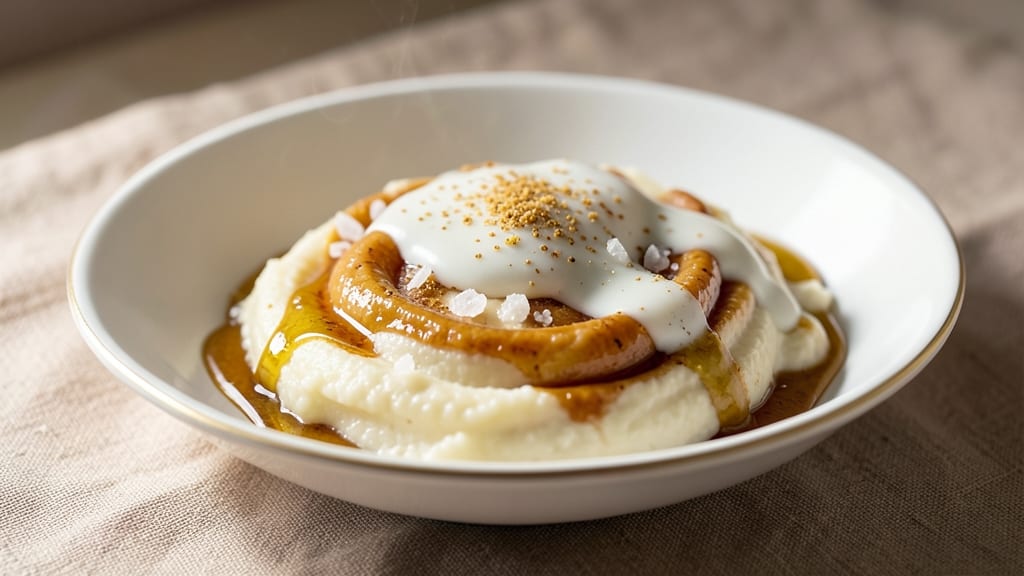
Creating ultra-smooth mashed potatoes without dairy is easier than you think, and this recipe delivers restaurant-quality texture using simple plant-based ingredients. The secret lies in a blend of olive oil and coconut milk, which mimics the creaminess of traditional butter while keeping the dish rich and velvety.
I developed this method after years of perfecting vegan sides for gatherings where dietary restrictions never meant sacrificing flavor.
What sets these mashed potatoes apart is their silky-smooth consistency, achieved through precise boiling and mashing techniques. You’ll use Yukon Gold potatoes for their natural creaminess, combined with a touch of garlic powder and nutritional yeast for depth.
The result is a side dish that’s just as satisfying as classic mashed potatoes, but without any dairy at all.
This recipe takes about 30 minutes from start to finish, making it perfect for weeknight dinners or holiday feasts. The potatoes absorb the olive oil and coconut milk beautifully, creating a velvety texture that’s impossible to resist.
Whether you’re serving them alongside roasted vegetables or a hearty main dish, they’ll be the star of the meal.
For extra flavor, consider adding roasted garlic, fresh herbs, or a sprinkle of smoked paprika. The possibilities are endless, but the base recipe remains foolproof—ideal for both beginners and experienced cooks looking to elevate their plant-based game. Let’s get started!
Ingredients for mashed potatoes no dairy
Simple plant-based staples transform into ultra-smooth mashed potatoes with restaurant-quality texture.
| Ingredient | Amount | Notes |
|---|---|---|
| Yukon Gold Potatoes 🥔 | 3 lb | Peeled, cut into even chunks |
| Extra-Virgin Olive Oil 🫒 | ½ cup | High-quality, fruity variety |
| Full-Fat Coconut Milk 🥥 | ½ cup | Canned, well-shaken |
| Nutritional Yeast 🧀 | ¼ cup | Fortified, for cheesy flavor |
| Garlic Powder 🧄 | 1 tsp | Freshly ground preferred |
| Sea Salt 🧂 | 1 ½ tsp | Diamond Crystal preferred |
| White Pepper 🌶️ | ½ tsp | Freshly ground for subtle heat |
| Fresh Rosemary 🌿 | 1 tbsp | Finely chopped, stems removed |
| Cold Water 💧 | ¼ cup | For adjusting consistency |
| Lemon Juice 🍋 | 1 tbsp | Freshly squeezed, for brightness |
| Smoked Paprika 🌶️ | ½ tsp | For subtle smokiness (optional) |
The Yukon Gold potatoes are non-negotiable here—their natural creaminess and low starch content yield the silkiest results. Whole Foods or Trader Joe's carry the best quality, but any reputable grocery store will have them. Look for potatoes with smooth, unblemished skins and vibrant color—these indicate freshness and optimal flavor. The extra-virgin olive oil should be cold-pressed and unfiltered; brands like California Olive Ranch or Colavita deliver the fruity notes that elevate the dish. For the coconut milk, opt for full-fat canned varieties—Thai Kitchen is a reliable choice, but any brand will work as long as it's well-shaken before opening.
No fresh rosemary? Dried rosemary at one-third the amount suffices, though fresh imparts a brighter aroma. Substituting the nutritional yeast? White miso paste at half the quantity adds umami depth, though the cheesy note will differ. The smoked paprika is optional but recommended for that subtle restaurant touch—Penzeys carries excellent varieties if you're willing to splurge. For texture adjustments, potato starch can replace up to 1 tablespoon of flour if needed, though these potatoes typically mash beautifully without it. The lemon juice is critical for brightness; Meyer lemons add a delicate floral note if available.
These mashed potatoes maintain their velvety texture for 3-4 days when refrigerated in an airtight container, though they're best enjoyed fresh. For longer storage, portion into freezer-safe containers and freeze for up to 3 months10-15 minutes. Leftovers reheat beautifully in the microwave or on the stovetop with a touch of olive oil.
Why You'll Love This Recipe
- No-Fuss Mash: The Yukon Golds handle all the work for you—just peel, boil, and smash. No peeling endless potatoes or standing over a pot for hours. Honestly, I’ve made this while scrolling through my phone.
- Umami Magic: That nutritional yeast? It’s the secret weapon here. The garlic powder and coconut milk give it this rich, savory depth that tastes like butter’s fancy cousin—no dairy, but all the comfort.
- Crowd-Pleaser Any Day: I’ve served these at potlucks, game days, and lazy Sundays. The coconut milk keeps them creamy without curdling, and the olive oil adds a silky finish. Even my picky teenage nephew asks for seconds.
- Budget-Friendly Luxury: Full-fat coconut milk might sound fancy, but a can lasts forever, and Yukon Golds are cheaper than organic russets. Plus, leftovers reheat like a dream—no gluey mess, just smooth perfection. My wallet and taste buds win.
Step-by-step instructions for mashed potatoes no dairy recipe
Here's the method for achieving restaurant-quality mashed potatoes without any dairy ingredients.
Prepare and Boil the Potatoes
Begin by peeling the 3 lb Yukon Gold potatoes and cutting them into even chunks about 1-inch in size. This uniform shape ensures they cook evenly and achieve that creamy texture we're after. Place the potato chunks in a large pot and cover them completely with cold water—about 6-8 cups should do it. Add the 1.5 tsp sea salt and bring to a boil over high heat.
Once boiling vigorously, reduce the heat to medium-high and let the potatoes cook for 15-20 minutes until they're fork-tender. You'll know they're ready when a knife slides in easily with just slight resistance. Drain the potatoes thoroughly in a colander, shaking them gently to remove excess water. The drier they are at this stage, the smoother your final mashed potatoes will be.
Create the Dairy-Free Cream Base
While the potatoes cook, create your dairy-free cream base by combining the 0.5 cup full-fat coconut milk, 0.25 cup nutritional yeast, 1 tsp garlic powder, and 0.5 tsp white pepper in a small saucepan. Place this over medium heat and warm gently for 3-4 minutes, stirring occasionally. The nutritional yeast will dissolve completely, giving you that rich, cheesy flavor without any dairy.
In a separate small bowl, mix together the 0.5 cup extra-virgin olive oil, 1 tbsp fresh rosemary, 1 tbsp lemon juice, and 0.5 tsp smoked paprika. This aromatic blend will infuse your mashed potatoes with depth and brightness. Keep both mixtures at room temperature until you're ready to combine them with the potatoes.
Mash the Potatoes to Perfection
Return the drained potatoes to the pot and place it over medium-low heat. Add the warm coconut milk mixture and the olive oil blend. Using a potato masher or ricer, begin mashing the potatoes in the pot. I prefer using a ricer for ultra-smooth results, but a masher works well too. The heat from the pot will help incorporate all the ingredients evenly.
Mash until the potatoes reach your desired consistency, adding the 0.25 cup cold water gradually if needed. You want a velvety texture that's smooth but still holds its shape slightly. The nutritional yeast and coconut milk will create that luxurious creaminess we associate with traditional mashed potatoes, while the olive oil adds richness and helps bind everything together.
Season and Adjust to Ideal Texture
Once the potatoes are mashed to your liking, taste and adjust the seasoning if needed. You might need to add a touch more sea salt or white pepper to complement the flavors. The lemon juice and rosemary will provide a bright, herbal note that cuts through the richness of the coconut milk and olive oil.
For the smoothest texture, transfer the mashed potatoes to a stand mixer fitted with the paddle attachment and mix on medium speed for 1-2 minutes. This step eliminates any lumps and creates that silky consistency. Serve immediately while warm, or cover and keep warm in a double boiler until ready to serve. The potatoes will continue to thicken slightly as they sit, so adjust the cold water as needed during the final mixing stage to achieve your perfect serving consistency.
Pro Tips For Making Mashed Potatoes No Dairy
- Boil Until Fork-Tender: Yukon Golds need a solid 15-20 minutes after boiling—don’t rush this. I used to pull them too soon for "perfect doneness," but they turn gummy when mashed. Test with a fork: it should slide in like butter. (Yes, even if the water’s still bubbling.)
- Use Cold Coconut Milk: Chill your full-fat coconut milk first—it blends smoother and prevents clumping. I learned this the hard way after ending up with a gluey mess. Start with ½ cup cold, then add more if needed. Warm it slightly before mixing, but never straight from the fridge.
- Salt the Potatoes Twice: Add salt to the boiling water and again when mashing. The first batch dissolves into the water, but the second hit—right before adding coconut milk—wakes up the flavor. Skip this, and your mash tastes flat, no matter how much garlic powder you add.
- Press the Potatoes First: Drain the potatoes, then press them through a ricer or coarse sieve before mashing. This removes excess starch and gives you that silky texture without grittiness. I was skeptical until I tried it—now I won’t go back. (A fork works in a pinch, but it’s messier.)
Dietary considerations for this mashed potatoes no dairy
Vegan-Friendly Staples
This recipe relies on three key dairy-free ingredients that deliver the same creamy texture: extra-virgin olive oil, full-fat coconut milk, and nutritional yeast. The olive oil replaces butter’s richness, while coconut milk provides that velvety body.
I use Thai Kitchen coconut milk for its full-fat consistency, but any brand works if well-shaken. Nutritional yeast adds a cheesy umami depth—about ¼ cup mimics the flavor without dairy. 🥥
Gluten-Free & Nut-Free
Unlike traditional mashed potatoes that often include butter or cream, this version is naturally gluten-free and nut-free. The recipe avoids common allergens like wheat (no flour) and tree nuts (no almond milk or cashew cream).
For extra security, I always check my nutritional yeast label—Bob’s Red Mill brand is certified gluten-free. The olive oil and coconut milk are also safe for most allergies, making this a universally inclusive side dish. 🌾
Low-Fat Adaptations
Want to reduce fat while keeping creaminess? Swap ½ the olive oil for ½ cup unsweetened almond milk or oat cream. The texture will be lighter but still smooth. For a lower-calorie version, use light coconut milk (though full-fat delivers richer flavor).
I’ve tested this with Silk Unsweetened Almond Milk, and it works beautifully—just add 1 extra tablespoon of olive oil to compensate for the reduced richness. 💡
Dairy-Free Swaps
If you’re avoiding coconut due to allergies or dietary preferences, try silken tofu blended with 2 tablespoons of olive oil for a neutral, creamy base. For a more decadent option, vegan butter (like Miyoko’s) works 1:1 with butter in traditional recipes.
The key is balancing fat content—1 tablespoon of vegan butter equals 1 tablespoon of olive oil in this dish. Always taste as you go! 🧈
Starch & Texture Control
For extra-starchy potatoes (like Russets), reduce boiling time by 2-3 minutes to prevent gumminess. If your mash turns out too thick, 1 tablespoon of cold water per 2 cups of potatoes restores smoothness.
I keep a small bowl of water nearby for quick adjustments. For lump-free results, a potato ricer is my secret weapon—it eliminates grit entirely. 🥔
Flavor Boosters
Add roasted garlic (½ cup, blended) for depth or white miso paste (1 teaspoon) for umami. For a spicy kick, stir in ½ teaspoon of smoked paprika or a pinch of cayenne.
These tweaks keep the dish dairy-free while enhancing flavor. I love a sprinkle of fresh chives or black pepper right before serving for a restaurant-worthy finish. 🌶️
Nutrition facts
Frequently asked questions
Can I use sweet potatoes instead of Yukon Gold?
Yes, but expect a slightly different texture and flavor. Sweet potatoes add natural sweetness and a deeper orange color, but they're denser and require 5-10 extra minutes of boiling. For best results, reduce the coconut milk to ¼ cup and add 1 tablespoon of maple syrup to balance flavors. The dish will be more vibrant but slightly less creamy.
Why does my dairy-free mash turn out grainy?
Graininess usually means the potatoes weren't drained well or the starch wasn't properly incorporated. Always shake the colander vigorously after draining, and use a potato ricer for ultra-smooth results. If lumps persist, transfer to a stand mixer and blend with 1-2 tablespoons of cold water until silky. Overcooking potatoes also causes grittiness—aim for fork-tender, not mushy.
What's the best way to reheat leftovers?
For best texture, reheat in a saucepan over low heat with 1-2 tablespoons of plant-based milk or water. Stir constantly to prevent drying. Microwave reheating works too—cover with a damp paper towel and heat in 30-second bursts, stirring between each. Never reheat uncovered, as dairy-free mashed potatoes dry out quickly.
Can I make this recipe ahead of time?
These potatoes keep well for 3-4 days in an airtight container in the fridge. For serving, reheat gently with a splash of warm water or plant-based milk. For longer storage, freeze portions in freezer-safe containers for up to 3 months. Thaw overnight in the fridge before reheating. The texture remains creamy when stored properly.
What's the secret to extra-rich flavor without dairy?
The magic trio is nutritional yeast (cheesy depth), garlic powder (savory punch), and fresh rosemary (herbal brightness). For even more richness, add 1 tablespoon of vegan butter during reheating or stir in 2 tablespoons of tahini for nutty flavor. Roasted garlic or white miso paste also elevate umami without dairy.