
Side Dishes
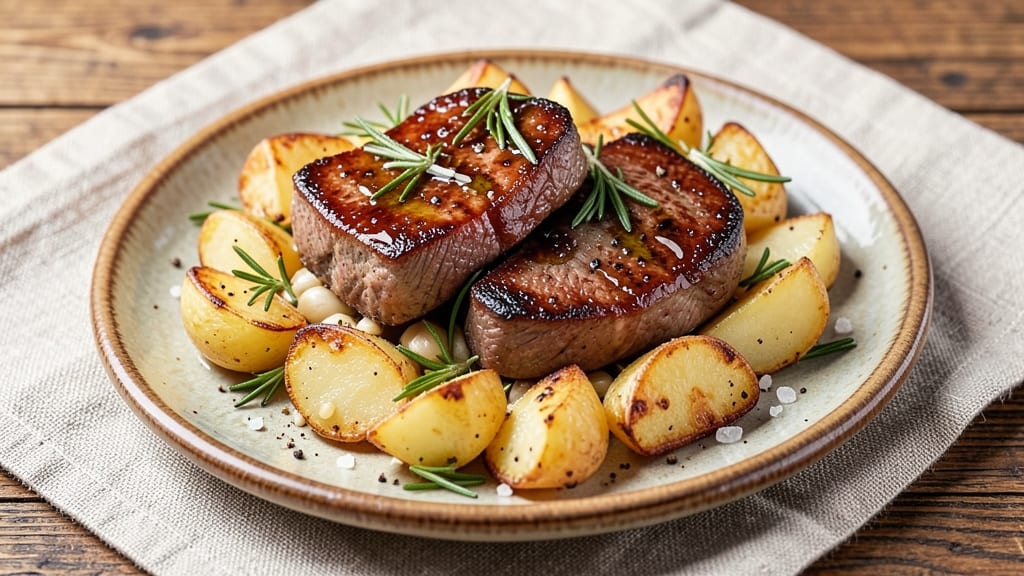
This liver and potatoes recipe delivers restaurant-quality richness with perfectly seared liver and crispy-edged potatoes that balance earthy depth and satisfying texture. The secret lies in high-heat pan-searing for the liver—just 2-3 minutes per side—to achieve that signature caramelized crust while keeping the interior tender.
I developed this method after years of experimenting with different cooking techniques, and it consistently delivers results that impress even the most skeptical eaters.
The potatoes are the foundation here, roasted until their edges develop a crispy golden crust while maintaining a fluffy interior. A simple seasoning of olive oil, salt, and rosemary transforms them from ordinary to extraordinary, complementing the liver's bold flavor without overpowering it.
This dish proves that classic comfort food can be both elegant and approachable, perfect for a weeknight dinner or a special occasion.
By the time you serve this dish, you'll have a plate that's visually stunning and packed with flavor—crispy potato edges contrasting with tender flesh, and liver that's perfectly seared with a rich, caramelized crust.
The combination of textures and flavors creates a harmonious balance that's hard to resist. This recipe is designed to be straightforward yet impressive, ensuring you can achieve professional-quality results at home.
Serve with a simple green salad or steamed vegetables to round out the meal, and consider pairing with a bold red wine to complement the liver's richness. The crispy edges on both the potatoes and liver are the star of this dish, making every bite worth savoring.
Let's get cooking—this recipe is about to become a staple in your meal rotation.
Ingredients for liver and potatoes
Rich liver, crispy potatoes, and aromatic herbs—just eight ingredients for restaurant-quality comfort food.
| Ingredient | Amount | Notes |
|---|---|---|
| Beef Liver 🥩 | 1 ¼ lb | Fresh, trimmed of connective tissue |
| Yukon Gold Potatoes 🥔 | 2 lbs | Cut into 1-inch cubes, skin on |
| Extra-Virgin Olive Oil 🫒 | ⅓ cup | For roasting potatoes and searing |
| Fresh Rosemary 🌿 | ¼ cup | Finely chopped, stems removed |
| Diamond Crystal Kosher Salt 🧂 | 1 ½ tbsp | For seasoning potatoes and liver |
| Freshly Ground Black Pepper 🌶️ | 1 tsp | For liver seasoning |
| Unsalted Butter 🧈 | 2 tbsp | Cold, for finishing liver |
| Garlic Cloves 🧄 | 4 cloves | Minced, for potato seasoning |
| Red Wine Vinegar 🍷 | 1 tbsp | For deglazing pan |
| Fresh Thyme Leaves 🍃 | ¼ tsp | Dried works in a pinch |
| Heavy Cream 🥛 | ¼ cup | Optional, for finishing sauce |
The liver is non-negotiable here. Freshness is key—look for beef liver with a deep red color and minimal bruising at Whole Foods or your local butcher. Costco often has great deals on larger cuts, but trim off any silverskin or connective tissue. The potatoes? Yukon Golds are ideal—they caramelize beautifully while staying creamy inside. If you can't find them, Russets or red potatoes work fine, but they'll be slightly drier. The rosemary should be fragrant and vibrant—fresh is worth the splurge for this dish, but dried will do in a pinch.
No fresh rosemary? Dried at half the amount works, but the flavor won't be as bright. Substituting liver? Chicken liver is milder but requires slightly longer cooking, while calves liver has a richer taste. For the potatoes, if you're short on time, parboil them 5 minutes first to speed up roasting. The red wine vinegar can be swapped for apple cider vinegar if you're out, but it'll taste slightly different. And that heavy cream? Skip it if you're watching fat, but trust me—the sauce is worth it.
Potatoes keep 5 days in the fridge if stored in a sealed container, but roast them fresh for best texture. Liver should be used within 2 days—wrap it tightly in parchment and store in the coldest part of your fridge. The roasted potatoes reheat beautifully—just 10 minutes at 400°F to crisp them back up. For the liver, reheat in a pan over medium heat for 1-2 minutes per side—it won't be as crispy but still delicious. Leftovers? Portion into containers for easy lunches—just add a fresh salad to round out the meal.
Why You'll Love This Recipe
- One-Pan Magic: I swear by this when I’m too tired to scrub pots—just slice the potatoes, sear the liver, and let the olive oil work its magic. The rosemary clings to everything, so you end up with flavor in every bite without extra effort.
- Rich, Earthy Bite: That crispy liver edge with the buttery Yukon Golds? It’s like a steakhouse meal but better because it’s honest. The salt and rosemary cut through the richness, so it’s never heavy—just pure satisfaction.
- Weeknight or Weekend: Make it for a lazy Tuesday or a fancy dinner—no one will care. The leftovers reheat beautifully (yes, even the liver stays tender), and it’s the kind of dish that makes you look like a hero without trying.
- Budget Powerhouse: Liver’s cheaper than steak, and potatoes stretch further than you’d think. I feed four for under $15, and somehow, everyone’s still asking for seconds. That’s the kind of meal that actually saves money.
Step-by-step instructions for liver and potatoes with crispy edges
Here's how to transform simple ingredients into a restaurant-worthy dish with perfect sear and tender textures.
Roast the Potatoes to Crispy Perfection
Preheat your oven to 425°F and line a large baking sheet with parchment paper. Toss the 2 lbs of cut Yukon Gold potatoes with 0.33 cup of extra-virgin olive oil, 1.5 tbsp of Diamond Crystal kosher salt, 4 minced garlic cloves, and 0.25 cup of finely chopped fresh rosemary. Spread them in a single layer, ensuring they don't overlap—this guarantees even browning.
Roast for 40-45 minutes, stirring halfway through, until the edges are deep golden brown and the potatoes are tender when pierced with a fork. The key here is patience—don't rush the roasting. You want that perfect balance of crispy exterior and fluffy interior. If they're browning too quickly, lower the oven temperature by 25°F and continue roasting.
Season and Sear the Beef Liver
While the potatoes roast, pat the 1.25 lb of beef liver dry with paper towels—this step is critical for achieving that perfect sear. Season both sides generously with 1 tsp of freshly ground black pepper and 1.5 tbsp of Diamond Crystal kosher salt. Let it sit at room temperature for 10 minutes while you prepare the pan.
Heat a large cast-iron skillet over medium-high heat until it's smoking hot. Add 0.33 cup of extra-virgin olive oil and let it shimmer for 30 seconds. Place the liver in the pan and sear for 2-3 minutes per side—you're aiming for an internal temperature of 130-135°F. The liver should be deep brown on the outside but still slightly pink in the center. Overcooking will turn it tough, so resist the urge to flip too early. It's ready when it releases easily from the pan.
Deglaze and Finish with Herbs and Cream
Remove the liver from the skillet and set it aside on a warm plate. Reduce the heat to medium, then add 1 tbsp of red wine vinegar to the pan. Scrape up all the browned bits from the bottom—this is where all the flavor lives. Let the vinegar simmer for 1-2 minutes until it reduces by half, creating a glossy, aromatic sauce.
Add 0.25 tsp of fresh thyme leaves and 2 tbsp of cold unsalted butter, stirring until the butter melts and the sauce becomes silky. If you're using the 0.25 cup of heavy cream, now's the time to stir it in. Return the liver to the skillet, spooning the sauce over it, and let it warm through for 1 minute. This step ensures the liver stays moist and infuses it with the rich, herby sauce.
Plate and Serve Immediately
Transfer the liver to a warm serving platter and arrange the roasted potatoes around it. The contrast between the crispy, golden potatoes and the tender, seared liver is what makes this dish so special. Drizzle any remaining sauce from the skillet over the top and garnish with an extra sprinkle of fresh rosemary for a pop of color and aroma.
Serve immediately while everything is hot. The liver should be juicy and slightly pink in the center, with a crispy, caramelized crust that gives way to a buttery interior. The potatoes should be crispy on the edges but still tender inside. Pair with a crisp white wine to cut through the richness, and enjoy the perfect balance of textures and flavors.
Pro Tips For Making Liver And Potatoes
- Sear Liver Fast: Get that pan screaming hot—like, smoking hot—before adding the liver. I learned this the hard way: a lukewarm pan turns liver to gray mush instead of a caramelized crust. Two minutes max per side, then pull it out while it’s still slightly pink inside (it’ll keep cooking off the heat).
- Par-Cook Potatoes Right: Boil the Yukon Golds until they’re just fork-tender—about 8-10 minutes—then finish them in the same pan as the liver. This keeps them from turning to glue while the liver cooks. Pro move: Toss them in a bit of that rendered liver fat after searing for extra richness.
- Salt Liver Generously: Don’t skimp on the kosher salt—go heavy on the liver before cooking. I used to underseason, and it always tasted bland, like it needed something. A good rule: If you’re hesitant to salt it, you’re not salting it enough. (Yes, even if you’re using rosemary too.)
- Use Rosemary Sparingly: Fresh rosemary is bold—way bolder than dried—so a single sprig (or even half) is plenty for this dish. I was skeptical until I tried it: Overdoing it makes the liver taste like a Christmas tree. Tuck it under the liver while searing so the needles infuse the fat.
Common mistakes when making great liver and potatoes
Overcooking the Liver
This is the most common mistake I see when cooking liver—pushing it past 135°F internal temperature turns it tough and dry. Liver cooks incredibly fast, so watch it like a hawk. Use a meat thermometer for precision, and remove it immediately when it reaches 130-135°F.
The center should still be slightly pink—this indicates perfect doneness. I’ve ruined more livers than I’d admit by flipping too early or leaving it in too long. 🔥
Skipping the Rest
Freshly seared liver needs 3-5 minutes of resting time before slicing. This allows juices to redistribute, preventing dryness. I’ve seen people slice liver immediately after cooking, and it’s always disappointing—juices pool on the plate instead of staying in the meat.
Tent it loosely with foil while resting to keep it warm.
Uneven Potato Cooking
Overcrowding the baking sheet or skipping the single-layer arrangement leads to soggy potatoes. Spread them in one even layer with space between pieces for proper airflow. I’ve had potatoes steam instead of crisp when packed too tightly.
If you’re short on space, roast in batches at 400°F for 25-30 minutes each until golden.
Ignoring the Pan Sear
Using a nonstick pan or low heat for the liver results in a pale, bland piece instead of that coveted caramelized crust. A cast-iron skillet over medium-high heat is non-negotiable. Let the pan get screaming hot before adding oil—this creates the Maillard reaction that builds flavor.
I’ve tried nonstick, and while it works, the texture and taste just aren’t the same. 💫
Underseasoning the Potatoes
Potatoes need generous seasoning to stand up to the liver’s richness. Don’t be shy with the kosher salt and fresh rosemary—toss them until every cube is coated. I’ve had dishes where the potatoes tasted bland next to the bold liver.
Taste a raw potato after tossing—if it’s not noticeably salty, season more. A pinch of fresh thyme in the oil also adds depth.
Deglazing Too Late
Waiting until after the liver is removed to deglaze misses out on flavor. Scrape up those browned bits immediately after searing—this is where the magic happens. Let the red wine vinegar simmer for 1-2 minutes to concentrate the flavors.
I’ve made the mistake of skipping this step, and the sauce just doesn’t have the same depth. Those bits are pure umami gold. ✨
Nutrition facts
Frequently asked questions
Can I substitute chicken liver for beef liver in this recipe?
Yes, but chicken liver requires slightly different handling. It's milder in flavor and cooks faster than beef liver, so reduce cooking time to 1-2 minutes per side and aim for an internal temp of 125°F. Chicken liver also benefits from marinating for 30 minutes in buttermilk or lemon juice to mellow its strong taste. The potatoes remain the same—just adjust the liver preparation.
How do I store leftovers to keep the potatoes crispy?
Store components separately: refrigerate the liver in an airtight container for up to 2 days, and keep potatoes in a sealed container for 5 days. To revive crispiness, reheat potatoes at 400°F for 10-12 minutes until golden. For liver, warm in a pan over medium heat for 1-2 minutes per side—it won't regain full crispness but stays tender.
What's the best way to serve this dish for a special occasion?
Elevate it with a crisp white wine sauce reduction (simmer 1 cup dry white wine with 1 tbsp butter and 1 tsp thyme until syrupy) or a bright green salad with citrus vinaigrette. Garnish with microgreens or edible flowers for visual appeal. Serve on a slate board with rosemary sprigs for an elegant presentation.
Why does my liver turn out dry or tough?
Overcooking is the #1 culprit—liver reaches perfect doneness at 130-135°F internal temp. Use a meat thermometer and remove immediately. Also, pat it thoroughly dry before cooking and avoid overcrowding the pan. The resting period (3-5 minutes) is crucial for redistributing juices.
Can I make this dish ahead of time?
Prepare components separately: Roast potatoes 1 day ahead (they crisp best fresh but reheat well), and cook liver 2 days ahead (store wrapped in parchment). Reheat liver gently in a pan and potatoes in the oven. Assemble just before serving to maintain texture contrast. For a make-ahead shortcut, parboil potatoes 5 minutes before roasting—they'll crisp faster.