Sauces & Condiments
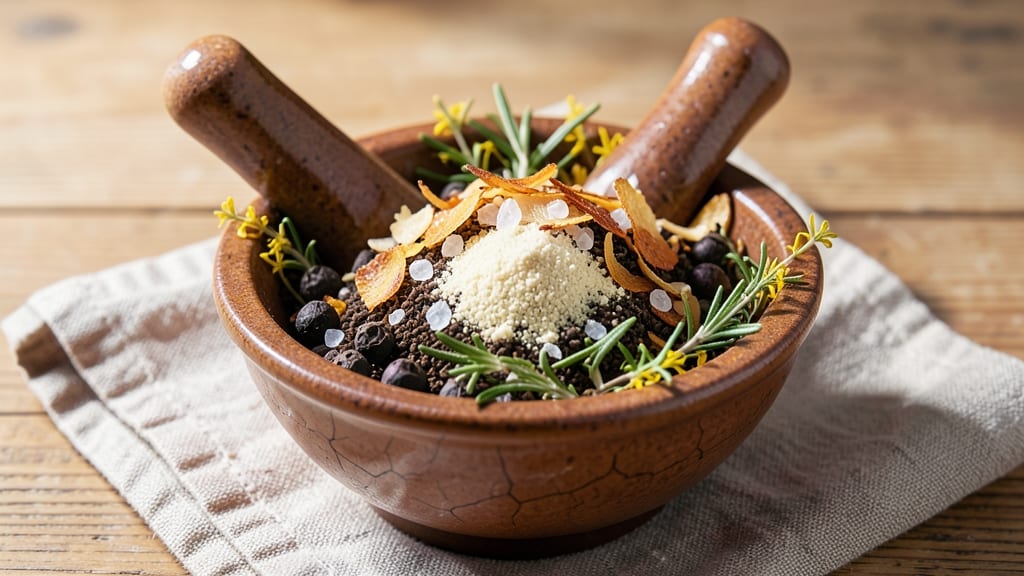
The Little Potato Company seasoning recipe transforms ordinary potatoes into something extraordinary with just a sprinkle of this bold herb-garlic blend. Standing on a step stool in my grandmother’s Sicilian kitchen, I learned how simple seasonings could elevate humble ingredients—this blend is that magic in a jar.
The perfect harmony of garlic, rosemary, and thyme creates a flavor profile that works on roasted, mashed, or even crispy fried potatoes.
This seasoning mix is designed for simplicity and versatility, requiring just five ingredients that come together in minutes. The key is balancing the earthy notes of dried herbs with the sharp punch of garlic powder and onion flakes, creating a blend that’s both aromatic and deeply savory.
Once mixed, it keeps indefinitely in an airtight container, ready to elevate any potato dish with minimal effort.
What makes this blend special is its ability to turn basic potatoes into restaurant-quality sides. A light sprinkle before roasting intensifies natural sweetness, while mixing it into mashed potatoes adds a sophisticated depth that pairs beautifully with butter and cream.
The seasoning’s bold yet balanced profile ensures it never overpowers, making it ideal for both weeknight meals and special occasions.
Whether you’re roasting baby potatoes, whipping up creamy mash, or frying crispy wedges, this seasoning mix is your secret weapon. Store it in a labeled jar on your spice rack for quick access, and watch how it transforms even the simplest potato dish into something memorable. Let’s get started!
Ingredients for little potato company seasoning
Five simple spices transform basic potatoes into restaurant-worthy sides with minimal effort.
| Ingredient | Amount | Notes |
|---|---|---|
| Dried Rosemary 🌿 | 2 tbsp | Finely chopped leaves preferred |
| Dried Thyme 🌿 | 2 tbsp | French or English preferred |
| Garlic Powder 🧄 | 1 ½ tbsp | Freshly ground preferred |
| Onion Flakes 🧅 | 1 tbsp | Dried, not powdered |
| Diamond Crystal Kosher Salt 🧂 | 1 tsp | Coarse grain preferred |
| Black Peppercorns 🌶️ | 1 tsp | Freshly cracked preferred |
| Smoked Paprika 🌶️ | ½ tsp | For subtle smokiness |
The rosemary and thyme are the heart of this blend—look for fresh, vibrant dried herbs from bulk bins at stores like Whole Foods or Trader Joe's. The difference between dusty, old spices and freshly ground ones is night and day. For garlic powder, Penzeys is my go-to—it’s stronger and more aromatic than the generic supermarket stuff. If you’re using whole peppercorns, toast them lightly in a dry pan before grinding for extra depth. Smoked paprika adds that subtle, woodsy note that makes this blend special—Penzeys or La Boîte brands have the best quality.
No fresh herbs on hand? Dried oregano at half the amount works in a pinch, though it won’t have the same earthy depth. Short on onion flakes? Onion powder is a 1:1 swap, but you’ll lose that delicate crunch. The kosher salt is critical—Diamond Crystal is the gold standard, but Morton works fine if you’re in a hurry. Want to kick up the heat? Add a pinch of cayenne or red pepper flakes. For a sweeter profile, swap half the smoked paprika for regular paprika—it’s a game-changer for baby potatoes.
Store this blend in an airtight glass jar away from light and heat—it’ll keep for up to a year if sealed properly. I like to portion it into small containers for easy access, especially when I’m roasting potatoes on a weeknight. A little goes a long way—start with 1 teaspoon per pound of potatoes and adjust to taste. The best part? It doubles as a seasoning for roasted veggies, grilled meats, or even popcorn if you’re feeling adventurous.
Why You'll Love This Recipe
- No-Measure Guessing: I’ll be real—this mix is so simple, I often eyeball it. Toss in a pinch of rosemary, a shake of thyme, and a sprinkle of garlic powder while I’m already chopping onions for dinner. The onion flakes add depth without extra work, and the salt? Just a few crystals to tie it all together.
- Umami Bomb: That garlic powder and dried thyme combo is where the magic happens. It’s warm, earthy, and just a little sharp—like a hug for your taste buds. I use it on everything from roasted potatoes to scrambled eggs, and suddenly, everything tastes like it’s been simmered for hours.
- Pantry Staple: Here’s what sold me—this blend lasts forever. I keep a jar in my cabinet, and it’s the first thing I reach for when I need to jazz up boring meals. Perfect for game day snacks, lazy Sunday brunches, or even as a last-minute seasoning for store-bought roasted veggies.
- Budget Magic: Not the prettiest, but the taste makes up for it. A little goes a long way, so I rarely buy new spices—just stir what’s already there. It’s my go-to for stretching meals without breaking the bank, and honestly? My wallet thanks me every time.
Step-by-step instructions for little potato company seasoning recipe
This bold herb-garlic blend transforms ordinary roasts into restaurant-worthy dishes with minimal effort.
Prepare Your Workspace and Tools
Start by gathering all your ingredients and tools to ensure a smooth blending process. I like to use a small food processor or clean coffee grinder for this recipe—it creates a more consistent texture than chopping by hand. If you don't have either, a mortar and pestle will work, though it requires more elbow grease. Measure out all ingredients precisely using the quantities provided; even small variations can alter the seasoning's balance.
I recommend using a fine-mesh sieve to sift the dried herbs before measuring. This removes any stems or debris that might make the final seasoning gritty. Place your measured ingredients in a small bowl—you'll notice the dried rosemary and thyme have a slightly different texture than the powdered components. Keep everything within easy reach to avoid mid-process interruptions.
Combine the Base Herbs and Seasonings
In your chosen blending tool, add the 2 tablespoons dried rosemary and 2 tablespoons dried thyme first. These are your foundational flavors and should be the first components to develop a base aroma. Pulse or grind them briefly—just until they begin to break down but haven't turned into a fine powder yet. You want to preserve some texture while still creating a cohesive blend.
Next, add the 1.5 tablespoons garlic powder and 1 tablespoon onion flakes. The garlic powder should be freshly ground if possible—pre-ground varieties can lose potency over time. Pulse these ingredients together with the herbs until everything is thoroughly combined. At this stage, you should notice a rich, aromatic cloud filling the air. This is your signal that the flavors are melding beautifully.
Incorporate the Salt and Pepper
Add the 1 teaspoon Diamond Crystal kosher salt and 1 teaspoon black peppercorns to your blending tool. If using whole peppercorns, you'll need to grind them separately first—either with a dedicated pepper grinder or by crushing them lightly with a rolling pin. The coarse texture of kosher salt helps distribute flavor more evenly than table salt, which is why we specify this type.
Pulse these ingredients together with the herb mixture until fully incorporated. You're aiming for a uniform blend where you can't distinguish individual components. At this point, the mixture should have a deep, earthy aroma with bright herbal notes. If you're using a food processor, avoid over-blending—you want a coarse texture that adheres well to food rather than a fine powder that might scatter.
Add the Smoked Paprika and Finalize
Finish your seasoning by adding the 0.5 teaspoon smoked paprika. This final ingredient adds depth and a subtle smokiness that complements the other flavors beautifully. Pulse it through the mixture just until evenly distributed—you should see a faint reddish tint appear throughout the blend. The smoked paprika should be the last component added to preserve its delicate aroma.
Transfer your finished seasoning to an airtight container, like a small jar with a tight-sealing lid. Store it in a cool, dark place—this preserves the freshness of the herbs and prevents moisture absorption. The seasoning will keep for up to 3 months, though I find it's most flavorful within the first month. Shake the container well before each use to redistribute any settled components.
Test and Adjust Your Seasoning
Before using your seasoning on a full recipe, I recommend testing it on a small batch of food—like roasted potatoes or chicken thighs—to ensure the flavor balance is just right. Sprinkle a generous amount over your test food and roast at 400°F for 20-25 minutes, until the skin is crispy and the seasoning has adhered well. Taste as you go, adjusting with additional salt or herbs if needed.
The perfect seasoning should deliver a harmonious blend of herbal brightness, garlicky depth, and subtle smokiness in every bite. If you find the flavor too intense, you can dilute it by mixing in 1 tablespoon of cornstarch for each 2 tablespoons of seasoning—this helps it cling better to food while maintaining potency. Once you've perfected your blend, you'll have a versatile seasoning that elevates everything from roasted vegetables to grilled meats.
Pro Tips For Making Little Potato Company Seasoning
- Toast the Herbs First: Heat your dried rosemary and thyme in a dry pan for 30 seconds—just until you smell that fresh, piney aroma. I learned this the hard way: skipping this step leaves the seasoning tasting flat, like someone forgot to wake it up. Works even better if you crush the leaves lightly afterward with a rolling pin.
- Measure Salt by Weight: Diamond Crystal kosher salt clumps like a liar. Use a kitchen scale for 1 tablespoon (about 18 grams) instead of eyeballing it—this recipe needs that salt to balance the herbs. I used to dump in "a handful" and wonder why my potatoes tasted bland.
- Pulse the Onion Flakes: Don’t just dump whole onion flakes—they’ll clump and ruin the texture. Pulse them in a food processor for 2-3 seconds until they’re broken down but still recognizable. Sounds weird, but it works: your seasoning blends smoother, and every bite gets that savory punch.
- Store It in a Jar: This isn’t just seasoning—it’s a treasure. Keep it airtight in a small jar for up to 3 months, shaking it like a snow globe before each use. I used to toss leftover mixes in a bag and forget about them until they turned to dust. (Yes, I’ve done that.)
Pro cooking tips for perfect results
Blending Like a Pro
For a perfectly balanced seasoning, I swear by using a small food processor or clean coffee grinder—they create a consistent texture that hand-chopping can't match. If you don’t have either, a mortar and pestle works, but pulse the herbs lightly first to avoid turning them into dust.
The goal is a coarse, aromatic blend that clings to food beautifully. I always sift the dried rosemary and thyme through a fine-mesh sieve before measuring to remove any stems that could make the seasoning gritty. 🌿
Herb Freshness Matters
Freshness is everything with dried herbs—look for vibrant green color and a strong aroma when shopping. I stock up at Whole Foods or Trader Joe’s because their bulk bins have the freshest herbs. For garlic powder, Penzeys is my go-to—it’s stronger and more aromatic than store brands.
If you’re using whole peppercorns, toast them lightly in a dry pan before grinding to deepen their flavor. Pro tip: Store your seasoning in an airtight glass jar away from light to preserve its potency for up to 3 months.
Texture Control Tips
Avoid over-blending—you want a coarse texture that adheres well to food, not a fine powder that scatters. Pulse the herbs and spices in short bursts, checking frequently. If using a food processor, stop when the mixture looks uniform but still slightly chunky.
For extra cling, mix in 1 tablespoon cornstarch per 2 tablespoons seasoning—it helps the blend stick to potatoes like glue. I test my seasoning on roasted baby potatoes first to ensure the texture and flavor are just right. 💡
Flavor Balancing Tricks
If your seasoning tastes too strong, dilute it with 1 tablespoon cornstarch for every 2 tablespoons of blend. This also helps it cling better to food. For a sweeter profile, swap half the smoked paprika for regular paprika—it’s a game-changer for baby potatoes.
If you love heat, add a pinch of cayenne or red pepper flakes. Always taste as you go—seasoning blends are like symphonies, and you’re the conductor! 🎶
Storage Secrets
Store your seasoning in a cool, dark place—heat and light degrade the herbs quickly. I portion mine into small jars for easy access, especially on busy weeknights. Shake well before each use to redistribute any settled components.
The blend keeps its best flavor for 1 month, but it’s still usable for up to 3 months if stored properly. For extra freshness, freeze portions in ice cube trays and transfer to a bag—perfect for long-term storage! ❄️
Versatile Uses Beyond Potatoes
This seasoning isn’t just for potatoes—it’s a secret weapon for roasted veggies, grilled meats, or even popcorn. Sprinkle it on carrots, Brussels sprouts, or chicken thighs for a restaurant-quality boost. I also mix it into homemade breadcrumbs for a savory coating on fish or pork chops.
The key is to start with 1 teaspoon per pound of food and adjust to taste. The blend’s bold yet balanced profile makes it a pantry staple you’ll reach for again and again. 🌟
Nutrition facts
Frequently asked questions
What makes this seasoning blend different from store-bought potato seasonings?
This blend focuses on fresh, vibrant herbs like rosemary and thyme for depth, plus a touch of smoked paprika for complexity—unlike many store mixes that rely on salt-heavy, one-note formulas. The garlic powder and onion flakes add savory layers that work beautifully on roasted, mashed, or fried potatoes. Plus, you control the quality of every ingredient!
Can I use this seasoning on foods other than potatoes?
It's perfect for roasted vegetables like carrots or Brussels sprouts, grilled chicken, or even as a finishing touch on popcorn. The herbs and smoky notes complement proteins and veggies beautifully. Just start with 1 teaspoon per pound of food and adjust to taste.
How do I know if my dried herbs are fresh enough to use?
Fresh dried herbs should have a strong, vibrant aroma and bright green color. If they smell dull or look faded, they've lost potency. I recommend buying from bulk bins at stores like Whole Foods or Trader Joe's, where you can check freshness first. For extra flavor, lightly toast whole peppercorns before grinding.
Why does my seasoning seem too strong after blending?
Fresh herbs and spices pack intense flavor! To mellow it, mix in 1 tablespoon cornstarch for every 2 tablespoons of seasoning. This also helps it cling better to food. For a milder version, reduce the garlic powder to 1 tablespoon instead of 1.5 tablespoons next time. Always taste as you go.
How long will this seasoning last in my pantry?
When stored in an airtight glass jar in a cool, dark place, this blend stays fresh for up to 3 months. For longer storage, freeze portions in ice cube trays. The herbs lose potency over time, so always check for strong aroma before using. Shake well before each application to redistribute settled spices.