
Side Dishes
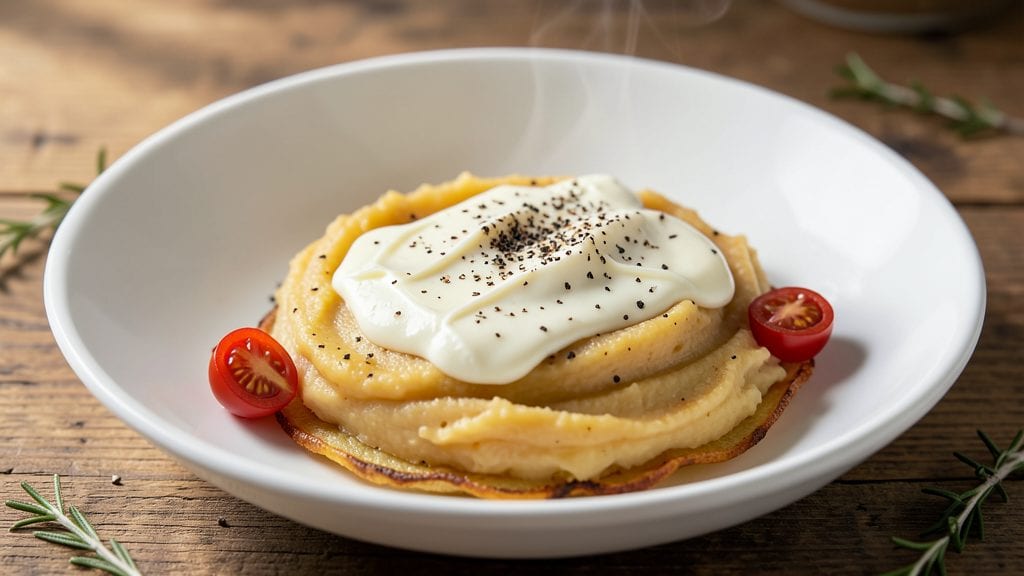
Transforming simple potatoes into velvety, buttery mashed potatoes using Knorr flakes is a game-changer for weeknight dinners. This recipe delivers restaurant-quality texture with minimal effort—perfect for busy cooks who still want flavorful sides.
The secret lies in balancing Knorr's instant creaminess with just the right amount of butter and milk to achieve that signature smoothness.
What sets this method apart is how quickly you can achieve professional results—no peeling or boiling required. Knorr flakes handle the starch work for you, while a few simple additions like garlic or herbs elevate the flavor profile.
The process is straightforward: cook the potatoes, drain them thoroughly, then blend with Knorr and your choice of dairy and seasonings.
By the end, you'll have a pot of silky, lump-free mashed potatoes with that distinctive Knorr flavor—rich, buttery, and perfectly smooth. The texture is velvety yet substantial, making it ideal for pairing with roasted meats, gravy, or as a base for loaded potato dishes.
This recipe proves that quick sides can still taste indulgent.
For extra depth, consider adding roasted garlic, sour cream, or chives. The possibilities are endless while keeping the preparation simple. Let's get started on creating this foolproof side dish that will become a staple in your meal rotation.
Ingredients for knorr mashed potato
Potatoes, Knorr flakes, and butter—just three things to transform into restaurant-style mashed potatoes.
| Ingredient | Amount | Notes |
|---|---|---|
| Russet Potatoes 🥔 | 2 lb | Washed, unpeeled, cut into chunks |
| Knorr Mashed Potato Flakes 🍽️ | 2 cups | Original flavor preferred |
| Unsalted Butter 🧈 | ½ cup | Cold, cut into small cubes |
| Whole Milk 🥛 | 1 cup | Warm, not boiling |
| Salt 🧂 | 1 tsp | Kosher or sea salt |
| Black Pepper 🌶️ | ½ tsp | Freshly ground preferred |
| Garlic Cloves 🧄 | 2 cloves | Roasted for depth (optional) |
| Fresh Chives 🌿 | 2 tbsp | Chopped, for garnish |
| Sour Cream 🥛 | ¼ cup | Full-fat for creaminess (optional) |
| Heavy Cream 🥛 | ¼ cup | For extra richness (optional) |
The potatoes are the foundation, so Russets are your best bet—they're fluffy and starchy. Grab the original Knorr flakes from the grocery store's baking aisle; they're the classic choice and work perfectly here. For the butter, unsalted is a must—it gives you full control over the seasoning. If you're in a rush, pre-cut frozen potato chunks save time, but fresh is better. The milk? Warm it slightly—just enough to melt the butter, not scald it. That's where the magic happens.
No Knorr flakes? Instant mashed potato mix works in a pinch, but the texture won't be quite as smooth. Short on butter? Olive oil or extra milk can stretch it, but the flavor won't be the same. Want more depth? Roast the garlic cloves first—they caramelize and add a sweet, rich flavor. The sour cream and heavy cream are optional, but they take this from good to next-level. If you skip them, just add a splash more milk to keep it creamy. Fresh chives? Dried works too, but fresh adds that bright pop of color and flavor.
These keep for 3-4 days in the fridge, but honestly, they're best fresh. If you're making ahead, cool them completely first, then store in an airtight container. Reheat with a splash of milk or water—microwave in 30-second bursts, stirring in between. For leftovers, top with extra butter and chives before serving. Freezing isn't ideal, but if you must, portion into containers and freeze for up to 1 month. They'll be a little drier, so add extra milk when reheating.
Why You'll Love This Recipe
- I swear by this shortcut: just toss whole Russets in boiling water—no peeling, no fuss. The skins stay put, but the flakes dissolve into that velvety texture anyway. Honestly, it’s the only way I’ll make mashed potatoes now.
- No-Peel Hassle: I swear by this shortcut: just toss whole Russets in boiling water—no peeling, no fuss. The skins stay put, but the flakes dissolve into that velvety texture anyway. Honestly, it’s the only way I’ll make mashed potatoes now.
- Creamy Without Clumps: That Knorr flake magic turns a handful of ingredients into something actually smooth. Just boil, drain, mix in the flakes with warm milk and butter—no ricing, no lumps, just that perfect, restaurant-style finish. My kids still think I’m a secret chef.
- Budget-Friendly Feast: A single bag of flakes stretches to feed four, and Russets are cheaper than pre-mashed bags. Add butter and milk you already have, and suddenly you’ve got a full side dish for under $3. Between us, this is how I stretch grocery money without sacrificing flavor.
Step-by-step instructions for Knorr mashed potato recipe
Here's how to make creamy, restaurant-style mashed potatoes using Knorr flakes for that signature buttery flavor.
Cook the Russet Potatoes Until Fork-Tender
Start by peeling the 2 lb russet potatoes and cutting them into even 2-inch chunks. Place them in a large pot and cover with cold water by about 2 inches. Add 1 tsp salt to the water and bring to a boil over high heat. Once boiling, reduce heat to medium and let the potatoes simmer for 20-25 minutes until they're fork-tender.
Here's the thing—you'll know they're done when a knife slides in easily and the edges start to crumble. If you cut into one and it's still firm, give them another 5 minutes. Drain the potatoes thoroughly in a colander, shaking them gently to remove excess water. The drier they are, the smoother your final mash will be.
Mix the Potatoes with Knorr Flakes and Warm Milk
Return the drained potatoes to the pot and let them cool slightly for about 2 minutes. Add the 2 cups Knorr mashed potato flakes and the 0.5 cup cold, cubed unsalted butter. Stir everything together until the flakes are fully incorporated and the mixture looks dry.
Now, slowly pour in the 1 cup warm whole milk while stirring constantly. The milk should be warm but not boiling—just warm enough to blend smoothly with the potatoes. This step is crucial for creating that velvety texture. If the mixture seems too thick, add a splash more milk, but don't overdo it or you'll dilute the flavor.
Mash Until Completely Smooth
Using a potato masher or electric mixer, mash the potatoes until completely smooth. I like to use a mixer for about 1-2 minutes until there are no lumps at all. This is where the Knorr flakes really shine—they create that signature creamy, buttery texture without needing extra fat.
While mixing, add the 0.5 tsp freshly ground black pepper and the 2 cloves roasted garlic cloves (if using). The roasted garlic adds a subtle, sweet depth that pairs perfectly with the buttery Knorr flavor. Taste and adjust seasoning if needed—you might need a pinch more salt depending on your potatoes.
Incorporate the Creamy Add-Ins
Reduce the mixer speed to low and gradually add the 0.25 cup heavy cream and 0.25 cup sour cream. Mix just until combined—you don't want to overwork the mixture or it'll turn out gummy. These ingredients add that luxurious, velvety finish that takes your mashed potatoes from good to restaurant-quality.
For the final touch, transfer the mashed potatoes to a serving bowl and garnish with the 2 tbsp chopped fresh chives. The chives add a bright, fresh contrast to the rich, buttery potatoes. Serve immediately while hot, and watch as everyone digs in—this is comfort food at its best.
Pro Tips For Making Knorr Mashed Potato
- PEEL AND CUT EVENLY: Russet skins are tough—peel them after boiling, but cut the potatoes into 1-inch chunks so they cook through without turning to mush. Uneven sizes mean some pieces overcook while others stay raw, and nobody wants that fight with the pot.
- USE HOT MILK AND BUTTER: Cold milk and butter make your mash grainy and clumpy. Heat the milk to just under boiling (steam it for 30 seconds) and melt the butter until fully liquid before mixing—this ensures a silky texture instead of a gluey disaster.
- SALT THE WATER LIKE THE SEA: Skip the "light salt" approach—boil the potatoes in water that tastes salty enough to drink (about 1.5 tsp salt per pound of potatoes). The flakes absorb flavor, and under-salting here means your final mash will taste bland no matter how much you add later.
- MIX THE FLAKES FIRST: Don’t just dump the flakes into the hot potatoes—toast them in a dry pan for 30 seconds until fragrant. Then whisk them into the milk and butter before adding to the potatoes. This step cuts the cardboard aftertaste and makes the flakes work harder for a creamier result.
Essential equipment for perfect results
Potato Cooking Tools
You’ll need a large pot with a lid (I prefer All-Clad Stainless Steel) for boiling the potatoes—it should hold at least 8 quarts to accommodate the 2 lb russets with room to spare.
A colander with large holes is essential for draining water efficiently, and I recommend a stainless steel one to prevent rust. For peeling, a Y-peeler is faster than a knife, and I keep one in my kitchen drawer for quick prep. 🥔
Mashing Equipment
A handheld immersion blender (like the Ninja Foodi) is my go-to for ultra-smooth mashed potatoes—it eliminates lumps without overworking the mixture. If you prefer a traditional approach, a potato ricer (I use the OXO Good Grips) creates the fluffiest texture, though it requires more effort.
For smaller batches, a wooden potato masher works fine, but don’t expect the same silky finish. The Knorr flakes do most of the work, but the right tool ensures perfection.
Mixing & Serving
An electric mixer (like the KitchenAid Artisan) with the paddle attachment is ideal for blending the Knorr flakes and dairy into a velvety consistency. If you’re short on space, a hand mixer (such as the Black+Decker) gets the job done just as well.
For serving, a heatproof ceramic bowl (I love Le Creuset) keeps the potatoes warm and adds a restaurant-worthy presentation. A ladle with a long handle makes plating effortless, especially for large gatherings.
Optional Extras
For roasted garlic lovers, a small baking dish and foil are needed to caramelize the 2 cloves at 400°F for 20 minutes. If you’re adding sour cream or heavy cream, a small whisk helps incorporate them smoothly without overmixing.
A microplane comes in handy for grating extra garlic or nutmeg if you want to customize the flavor further. These tools might seem like overkill, but they elevate the dish from good to gourmet. 💫
Budget-Friendly Swaps
No fancy tools? No problem. A wooden spoon works for stirring, and a fork can mash potatoes in a pinch—just be prepared for slightly more lumps. Replace the immersion blender with a hand masher and add extra milk to compensate.
For serving, any heatproof bowl (even glass) will do. The key is focusing on temperature control (warm milk, not boiling) and thorough draining—these steps matter more than the equipment you use.
Nutrition facts
Frequently asked questions
Can I make these mashed potatoes without boiling fresh potatoes?
Yes! For a quicker version, use 2 cups of frozen potato chunks (thawed and drained) instead of fresh. Just reduce the cooking time to 10-12 minutes in boiling water, then proceed with the Knorr flakes and milk as directed. The texture will be slightly less fluffy but still creamy and delicious.
Why did my mashed potatoes turn out lumpy?
Lumps usually happen when potatoes aren't drained well or the milk isn't warm enough. Always shake the drained potatoes vigorously in a colander, and use milk that's warm (not boiling) to help the Knorr flakes blend smoothly. For extra silkiness, mash with an immersion blender for 30 seconds after adding the milk.
Can I make this recipe ahead of time?
Store in an airtight container in the fridge for 3-4 days. Reheat with 2-3 tablespoons of warm milk or water in the microwave, stirring every 30 seconds until fully heated. For the best texture, add a pat of butter and extra milk when reheating to restore creaminess.
What's the best way to add extra flavor?
Roasted garlic cloves add depth, but you can also try ½ tsp onion powder, ¼ tsp smoked paprika, or 1 tbsp grated Parmesan for a cheesy twist. For richness, stir in 2 tbsp cream cheese or ¼ cup shredded cheddar while mixing. Garnish with green onions or crispy fried shallots for extra flair.
Are Knorr mashed potatoes gluten-free?
Most Knorr mashed potato flakes contain wheat flour, so they're not gluten-free. For a GF version, use certified gluten-free instant potato flakes (like Bob's Red Mill) and ensure all other ingredients—like milk and butter—are also gluten-free. The texture will be slightly different but still delicious.