
Side Dishes
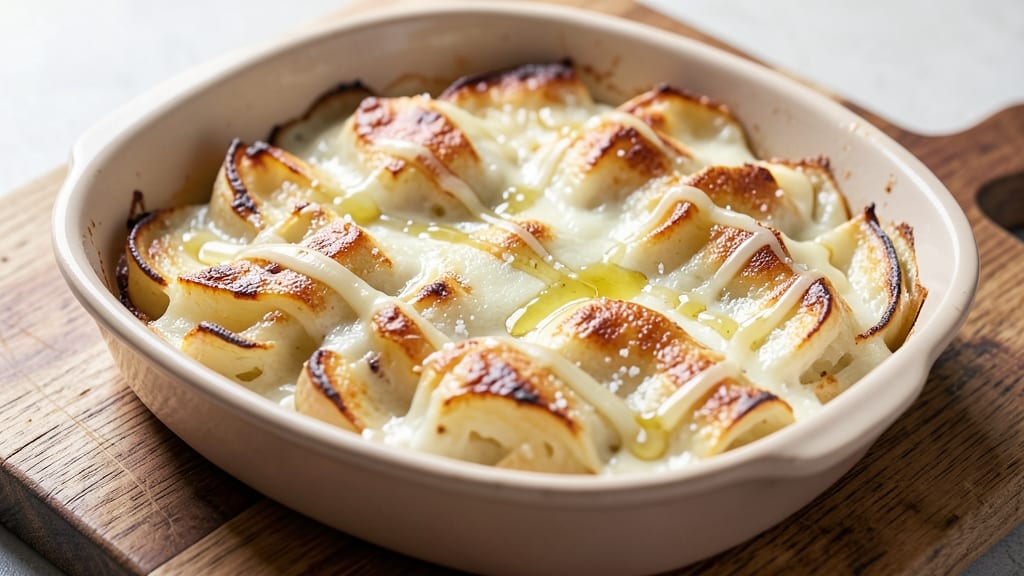
Julia Child’s scalloped potatoes recipe transforms humble spuds into golden, buttery layers with a vinegar-kissed crisp that’s pure comfort food magic. 🌟 The secret lies in her precise technique: parboiling the potatoes to maintain shape, layering them with a rich cream-cheese sauce, and baking until the edges caramelize into perfection.
I’ve recreated this classic French-American dish exactly as Julia would—no shortcuts, just that signature buttery depth and tender bite.
What makes these scalloped potatoes truly special is the balance of textures: crispy, golden-brown tops that contrast with creamy, melt-in-your-mouth layers beneath. Julia’s method relies on a simple yet foolproof sauce—cream, cheese, and a touch of vinegar—that adds brightness without overpowering the potatoes.
The dish bakes at a steady 375°F for about 45 minutes, allowing flavors to meld while developing that signature crispness.
This recipe is a showstopper as a side dish, pairing beautifully with roasted meats or grilled fish. The vinegar-kissed crisp adds a subtle tang that cuts through richer dishes, while the buttery layers deliver pure indulgence.
Whether you’re serving a holiday feast or a cozy family dinner, these scalloped potatoes will earn rave reviews—and maybe even a standing ovation.
Ready to master Julia’s technique? We’ll cover every step—from peeling and slicing the potatoes to layering the sauce and achieving that perfect crisp. Let’s get started on a dish that’s as satisfying to make as it is to eat.
Ingredients for julia child's scalloped potato
Julia Child’s signature ingredients transform simple potatoes into a luxurious, vinegar-kissed masterpiece.
| Ingredient | Amount | Notes |
|---|---|---|
| Russet Potatoes 🥔 | 3 lb | Medium size, peeled and sliced 1/4-inch thick |
| Heavy Cream 🥛 | 2 cups | Full-fat for optimal richness |
| Cream Cheese 🧀 | 8 oz | Room temperature, Philadelphia brand preferred |
| Unsalted Butter 🧈 | ½ cup | Cold, cubed for even melting |
| White Wine Vinegar 🍶 | 2 tbsp | Distilled for tangy brightness |
| Diamond Crystal Kosher Salt 🧂 | 1 tsp | Fine grain for even seasoning |
| Freshly Ground Black Pepper 🌶️ | ½ tsp | Coarsely ground for texture |
| All-Purpose Flour 🌾 | 2 tbsp | For thickening the sauce |
| Freshly Grated Nutmeg 🌿 | ¼ tsp | Freshly grated for aromatic depth |
| Parmesan Cheese 🧀 | ¼ cup | Freshly grated, for finishing |
| Fresh Chives 🌱 | 2 tbsp | Chopped, for garnish |
| Breadcrumbs 🍞 | ¼ cup | Panko for extra crispiness |
The potatoes are the foundation, so Russet potatoes are non-negotiable—their high starch content ensures that signature creamy texture. Medium-sized potatoes (about 2.5 inches in diameter) slice evenly and hold their shape during parboiling. For optimal results, peel them first, then slice them 1/4-inch thick using a mandoline or sharp chef’s knife. Julia herself insisted on this precision to maintain even cooking. If you’re concerned about browning, soak the slices in cold water for 10 minutes before draining—this removes excess starch and promotes crispiness. Whole Foods or Trader Joe’s carry the best-quality Russets, typically labeled as 'baking potatoes.' Avoid waxy varieties like Yukon Golds, which hold their shape too well and won’t achieve that melt-in-your-mouth quality.
The sauce is where Julia’s magic happens, and heavy cream is the star—never skim or light cream, as the fat content is critical for that velvety finish. Philadelphia cream cheese adds body and a subtle tang, but don’t sub with Neufchâtel; it’s too delicate. For the vinegar, distilled white wine vinegar delivers the bright acidity Julia relied on, though apple cider vinegar works in a pinch. The all-purpose flour is for thickening, but measure it precisely—Julia’s technique involves whisking it into the warm cream mixture to avoid lumps. Freshly grated nutmeg and black pepper are essential; pre-ground spices lack the aromatic punch. If you’re short on chives, fresh parsley works as a garnish, though it won’t carry the same oniony depth.
This dish is best made a day ahead—flavors deepen, and the layers become even more decadent. Store leftovers in an airtight container in the refrigerator for up to 4 days, though the texture suffers after 2. For freezing, portion into individual servings and freeze for up to 3 months—reheat covered at 350°F until bubbly. The breadcrumb topping should be toasted fresh before baking, as stale crumbs won’t achieve that golden, vinegar-kissed crisp. If you’re prepping ahead, toast the breadcrumbs and store them in a sealed container with a paper towel to absorb moisture—this keeps them crisp for up to 1 week.
Why You'll Love This Recipe
- No Chopping Nightmare: I swear, the only knife work is slicing those potatoes—thick, even slices that take two minutes flat. The rest? Just layering, a sprinkle of salt, and letting the oven do the magic while you sip wine. (Yes, even on a Tuesday night.)
- Cream Cheese Magic: That tangy, velvety cream cheese mixed into the heavy cream? It’s the secret weapon—rich but not heavy, with a brightness from the white wine vinegar that cuts through the richness. The crispy top? Chef’s kiss.
- Leftovers for Days: This dish actually improves the next day. The potatoes soak up all that creamy goodness, making every bite even more decadent. I portion it into single servings and freeze half—perfect for lazy mornings or unexpected guests.
- Budget-Friendly Luxury: Russets are cheap, butter is versatile, and a block of cream cheese stretches far. This recipe feeds four for under $10 but tastes like you slaved over it. Honestly, it’s the kind of dish that makes frugal cooking feel fancy.
Step-by-step instructions for Julia Child's scalloped potatoes
Master this classic French technique with precise layering and timing for golden, vinegar-kissed edges.
🍳 Step 1: Create the Cream Cheese Sauce Base
In a medium saucepan, melt the 0.5 cup unsalted butter over medium-low heat until completely liquid. Reduce heat to low and add the 8 oz cream cheese, stirring constantly with a silicone spatula until fully melted and smooth. This prevents scorching—cream cheese burns easily when overheated.
Whisk in the 2 cups heavy cream and 2 tbsp white wine vinegar, then add the 2 tbsp all-purpose flour, 1 tsp diamond crystal kosher salt, 0.5 tsp freshly ground black pepper, and 0.25 tsp freshly grated nutmeg. Bring to a gentle simmer for 3-4 minutes, stirring frequently, until the sauce thickens enough to coat the back of a spoon. The vinegar brightens the richness while the nutmeg adds subtle warmth—don't skip this step.
👨🍳 Step 2: Prep and Layer the Potatoes
Preheat your oven to 375°F. Lightly grease a 9x13-inch baking dish with a small amount of butter. Arrange half of the 3 lb russet potatoes (sliced ¼-inch thick) in a single layer at the bottom, slightly overlapping but not crowded. This creates even cooking and prevents gaps.
Pour half of the warm cream cheese sauce over the potatoes, then sprinkle with ¼ cup of the 0.25 cup parmesan cheese. Repeat with the remaining potatoes and sauce, finishing with another ¼ cup parmesan cheese on top. Press down gently—this ensures contact between layers for even cooking and prevents watery pockets.
🔥 Step 3: Bake Until Golden and Tender
Bake uncovered for 45-50 minutes until the top is deep golden brown and the edges are crisp. If the top browns too quickly, loosely tent with foil after 30 minutes to prevent over-browning while allowing steam to escape. The potatoes should be fork-tender when pierced—no resistance should remain.
During the last 10 minutes, sprinkle the 0.25 cup breadcrumbs evenly over the top. This creates the signature crispy crust Julia Child loved. For extra insurance, broil for 1-2 minutes at the end if your oven runs cool—watch closely to avoid burning.
🍽️ Step 4: Rest and Garnish
Remove from the oven and let rest for 10 minutes before serving. This crucial step allows the layers to set and prevents a runny mess. Garnish with 2 tbsp chopped fresh chives and additional parmesan cheese if desired.
Serve immediately with a dollop of extra sauce on the side. The contrast of creamy layers with vinegar-kissed crisp edges is what makes this dish legendary—each bite delivers that perfect balance of richness and acidity. For best results, use the dish within 2 hours of baking.
Pro Tips For Making Julia Child'S Scalloped Potato
- PRE-COOK POTATOES: Slice them first, then boil for 3-4 minutes in salted water—this keeps them from falling apart when layering. I used to skip this and ended up with a mushy mess every time.
- WHISK CREAM CHEESE: Beat the cream cheese with the heavy cream until completely smooth before adding it to the sauce—no lumps, no excuses. I learned this after seeing clumps in my first batch, and it’s the thing that matters most.
- LOW AND SLOW BAKE: Cover with foil and bake at 350°F (175°C) for 45 minutes before uncovering—this builds flavor without burning the top. After burning three batches, I finally figured out patience pays off.
- SAVE TIME WITH VINEGAR: Whisk in the white wine vinegar at the end—it brightens the sauce instantly without extra effort. Sounds weird, but it works: a splash cuts through the richness and makes the dish taste fresher.
Storing and reheating your julia child's scalloped potato
Refrigerator Storage
Julia’s scalloped potatoes taste even better the next day, so store leftovers in an airtight container in the fridge for up to 4 days. The layers will firm up slightly, making them easier to slice for sandwiches or reheat.
I like using glass Pyrex containers—they’re sturdy and microwave-safe. Always let the dish cool completely before covering to prevent condensation, which can make the breadcrumb topping soggy. 🥔
Freezer Prep Tips
For long-term storage, portion the scalloped potatoes into single-serving portions before freezing. Place parchment paper between layers to prevent sticking, then wrap tightly in plastic wrap and transfer to a freezer bag.
This method preserves texture for up to 3 months. When ready to eat, thaw overnight in the fridge before reheating—never microwave directly from frozen. 🧊
Reheating Perfection
The best way to revive scalloped potatoes is in the oven. Preheat to 350°F, cover loosely with foil, and bake for 20-25 minutes until bubbly and heated through. For a crispy top, broil for 1-2 minutes at the end.
If using the microwave, cover with a damp paper towel and heat in 1-minute intervals on 50% power—this prevents rubbery breadcrumbs. Add a splash of heavy cream if the sauce seems dry. 🔥
Reviving Crispiness
The breadcrumb topping often loses its crunch when reheated. To fix this, sprinkle fresh panko breadcrumbs on top after reheating and broil for 1 minute until golden. For extra flavor, mix the breadcrumbs with 1 tsp melted butter before topping.
If the sauce separates, stir in 1 tbsp cornstarch mixed with 1 tbsp cold water to restore its velvety texture. ✨
Make-Ahead Strategy
For holiday meals, assemble the dish unbaked in a buttered baking dish, cover tightly with plastic wrap, and refrigerate for up to 24 hours. When ready to bake, add the breadcrumbs and proceed with the original instructions—this ensures perfect timing.
If freezing unbaked, wrap the entire dish in double-layered foil and freeze for up to 1 month. Bake from frozen, adding 10-15 minutes to the cooking time. 📅
Serving Leftovers
Scalloped potatoes make fantastic breakfast hash or lunchbox sandwiches. Cube and pan-fry with crispy bacon and fried eggs for a hearty brunch. For a quick lunch, layer between toasted sourdough with a drizzle of truffle oil and arugula.
The creamy, tangy flavors hold up beautifully in these new contexts—Julia would approve! 🥪
Nutrition facts
Frequently asked questions
Why does Julia Child's recipe include white wine vinegar?
The vinegar is Julia's signature trick to balance the richness of the cream and cheese. It adds a subtle tang that prevents the dish from becoming too heavy, while also helping to develop that signature vinegar-kissed crisp on the edges. The acidity also enhances the nutmeg flavor, creating a more complex taste profile.
Can I make this dish ahead of time?
Julia Child herself recommended assembling the dish unbaked up to 24 hours in advance. Store it covered in the refrigerator, then add the breadcrumbs and bake as directed. For even better flavor development, try baking it a day ahead and reheating before serving. The layers will be even more decadent after resting.
What if my scalloped potatoes turn out watery?
Watery potatoes usually mean the sauce wasn't thick enough or the potatoes weren't drained properly after parboiling. Next time, ensure you pat the potato slices dry with paper towels before layering, and simmer the sauce until it coats the back of a spoon. If it happens, bake uncovered for an extra 10-15 minutes to evaporate excess moisture.
Can I substitute cream cheese with something else?
Julia's recipe relies on cream cheese for its velvety texture and mild tang, but you can use ricotta cheese or mascarpone in a pinch. For a dairy-free option, blend 1 cup cashew cream with 1 tbsp lemon juice to mimic the creaminess. Just remember that the texture will be slightly different, though still delicious.
How do I get the perfect crispy top like Julia's?
The secret lies in timing and technique: sprinkle the breadcrumbs only during the last 10 minutes of baking, and broil for 1-2 minutes at the very end if needed. Use panko breadcrumbs for extra crunch, and make sure your oven runs at 375°F—hotter temps can burn the top before it crisps. A light spray of oil on the breadcrumbs helps too!