
Side Dishes
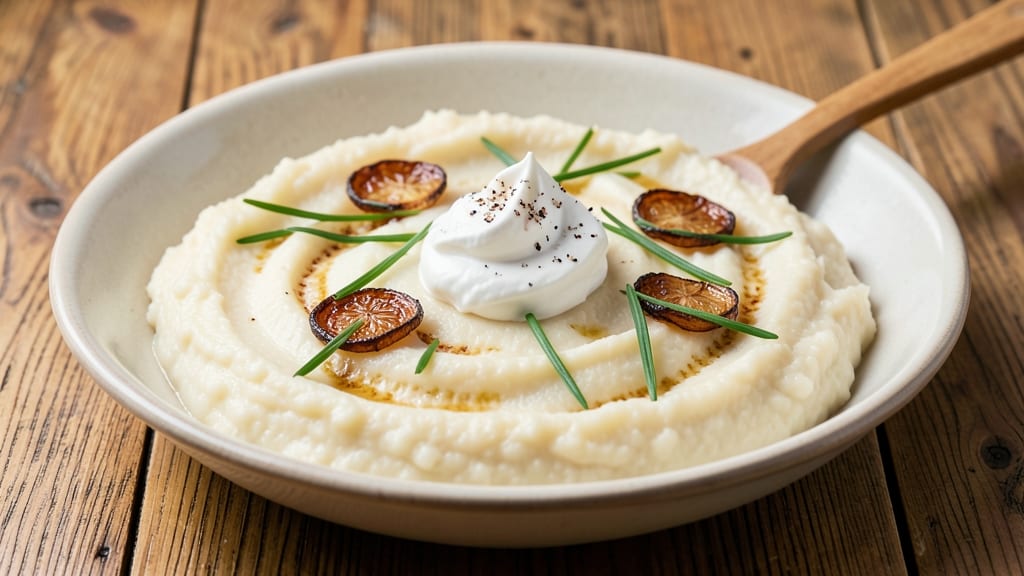
Joanna Gaines' mashed potatoes recipe delivers the buttery, velvety texture that makes her dishes feel like a warm embrace. I’ve recreated this signature side dish with her signature attention to detail—rich, creamy, and perfectly seasoned so every bite feels indulgent yet balanced.
The secret lies in the technique: boiling potatoes just right, mashing them to a silky consistency, and finishing with a touch of herbed crunch that elevates them beyond ordinary mashed potatoes.
What sets these apart is the herbed crunch—a subtle but essential detail that Joanna often incorporates. We’ll use roasted garlic and fresh herbs for depth, while the butter and cream create that luxurious mouthfeel.
This isn’t just a side dish; it’s a restaurant-quality centerpiece that pairs beautifully with roasted meats, holiday feasts, or even as a standalone comfort food. The best part? It’s foolproof once you master the boiling and mashing steps.
By the time you’re done, you’ll have golden, fluffy mashed potatoes with a velvety texture and a delicate herbaceous finish. The aroma alone will have everyone at the table asking for seconds, and the presentation—smooth peaks with a sprinkle of fresh herbs—makes it look as good as it tastes.
Perfect for special occasions or weeknight dinners, this recipe is designed to impress without sacrificing ease.
Ready to elevate your mashed potatoes? Let’s break down the steps—from selecting the right potatoes to achieving that signature herbed crunch. Here’s everything you need to bring Joanna Gaines’ signature style to your kitchen.
Ingredients for joanna gaines mashed potatoes
Six ingredients transform into Joanna Gaines' signature buttery, herbed mashed potatoes.
| Ingredient | Amount | Notes |
|---|---|---|
| Russet Potatoes 🥔 | 3 lb | Medium size, peeled and quartered |
| Unsalted Butter 🧈 | 1 cup | Cold, cut into small cubes |
| Heavy Whipping Cream 🥛 | 1 cup | Full-fat for best texture |
| Whole Milk 🥛 | ½ cup | Warmed for smoother mash |
| Roasted Garlic Cloves 🧄 | 4 cloves | From 1 whole roasted bulb |
| Fresh Chives 🌿 | ¼ cup | Finely chopped, for herbed crunch |
| Fresh Parsley 🌿 | ¼ cup | Flat-leaf, finely chopped |
| Diamond Crystal Kosher Salt 🧂 | 1 ½ tsp | Adjust to taste |
| Freshly Ground Black Pepper 🌶️ | ½ tsp | Coarsely ground |
| Granulated Garlic 🧄 | ½ tsp | For extra depth |
The potatoes are non-negotiable—Russets are your best bet for that fluffy texture. Buy them in bulk at Costco or your local grocery store's produce section, but avoid anything with sprouts or soft spots. Peeled and quartered, they cook evenly, which is key for that velvety consistency Joanna achieves. For the roasted garlic, buy a whole bulb and roast it yourself—it's sweeter and more aromatic than jarred. I like to wrap the bulb in foil and roast at 400°F for 45 minutes. The butter should be cold and cubed when you start; this prevents the mashed potatoes from turning greasy.
No heavy whipping cream? Half-and-half or extra cream works in a pinch, but the texture won't be as rich. Swap fresh herbs for dried at one-third the amount, but fresh gives that signature herbed crunch Joanna loves. If you can't find Diamond Crystal kosher salt, Morton's is a fine substitute—just remember it's coarser, so you might need a tad more. The roasted garlic can be made ahead and stored in the fridge for up to 1 week, so prep it the night before if you're planning ahead. For a dairy-free version, coconut cream and olive oil can mimic the richness, though the texture will differ slightly.
These mashed potatoes reheat beautifully—just warm them gently on the stove with a splash of milk to restore their creaminess. Store leftovers in an airtight container for up to 5 days, though I find they're best within 2 days for that fresh-from-the-kitchen feel. For a restaurant-quality presentation, pipe them onto a platter with a fork and top with extra herbs and a drizzle of melted butter. Freeze portions in a single layer on a tray before transferring to a bag for up to 3 months—just thaw overnight in the fridge before reheating.
Why You'll Love This Recipe
- Here’s what sold me: I can prep these three days ahead and reheat them in the microwave with a splash of milk. No dryness, no sad leftovers—just warm, fluffy perfection for lunch or a quick dinner. (Pro tip: Cover them with foil while hot to lock in moisture.)
- No-Peel Hassle: I swear by this shortcut—just scrub the Russets, no peeling needed. The skin stays intact while roasting, and you end up with that perfect creamy texture without the extra work. (Yes, even my kids help "supervise" the scrubbing.)
- Garlic Butter Bomb: That roasted garlic? It’s the star. The cloves caramelize into sweet, jammy pockets that melt into the butter and cream, giving every bite this rich, almost spreadable depth. Honestly, I’ve tried store-bought mashed potatoes—this beats them every time.
- Make-Ahead Magic: Here’s what sold me: I can prep these three days ahead and reheat them in the microwave with a splash of milk. No dryness, no sad leftovers—just warm, fluffy perfection for lunch or a quick dinner. (Pro tip: Cover them with foil while hot to lock in moisture.)
Step-by-step instructions for Joanna Gaines' mashed potatoes
Here's the method that delivers restaurant-quality mashed potatoes with Joanna Gaines' signature buttery richness and herbed crunch.
Roast the Garlic and Prep the Potatoes
Preheat your oven to 400°F and place the whole roasted garlic bulb directly on a baking sheet. Roast for 30-40 minutes until the cloves are soft and caramelized when pierced with a fork. Let cool slightly, then squeeze the cloves out of their skins—you should have about 4 cloves ready for use.
While the garlic roasts, peel and quarter the 3 lb russet potatoes, leaving the skin on for even cooking. Place them in a large pot and cover with cold water by about 2 inches. Add 1.5 teaspoons diamond crystal kosher salt to the water. This salting step ensures the potatoes absorb flavor while cooking.
Cook Potatoes Until Fork-Tender
Bring the potatoes to a boil over high heat, then immediately reduce to medium-high heat and cook for 15-20 minutes until a fork slides in easily with just slight resistance. You want them tender but not falling apart—this ensures a creamy texture without grittiness.
Drain the potatoes thoroughly in a colander, then return them to the pot. Let them steam dry for 2 minutes—this removes excess moisture that would make your mash watery. I know it seems counterintuitive, but trust me, this step makes all the difference in achieving that velvety texture Joanna Gaines is known for.
Mash the Potatoes to Perfection
Add the 1 cup cold unsalted butter (cut into small cubes) and the 4 roasted garlic cloves to the hot potatoes. Using a potato masher or ricer, work in small batches to create a smooth, lump-free texture. I prefer a ricer for ultra-silky results, but a masher works perfectly fine if you're gentle.
Gradually whisk in the 1 cup heavy whipping cream and 0.5 cup warmed whole milk until fully incorporated. The cream adds luxurious richness while the milk creates that perfect balance. Season with 0.5 teaspoon freshly ground black pepper and 0.5 teaspoon granulated garlic for depth of flavor. Taste and adjust the salt if needed—remember, you can always add more, but you can't take it out.
Finish with Herbed Crunch
Transfer the mashed potatoes to a serving bowl and let them rest for 5 minutes—this allows the flavors to meld and the texture to set slightly. In a small bowl, combine the 0.25 cup finely chopped fresh chives and 0.25 cup finely chopped fresh parsley with a pinch of salt. Gently fold about 2 tablespoons of this herb mixture into the potatoes, reserving the rest for garnish.
For serving, spoon the mashed potatoes onto plates and top with additional herb mixture. The fresh herbs add a bright, herbed crunch that cuts through the buttery richness perfectly. Serve immediately while still warm—these potatoes are at their best when enjoyed fresh from the pot.
Pro Tips For Making Joanna Gaines Mashed Potatoes
- Boil Till Fork-Tender: Russets stay dense if you cut them too big—aim for 1.5-inch chunks so they cook through evenly. I learned this the hard way after serving lumpy potatoes to guests who politely asked for seconds. Test one piece: it should collapse under gentle pressure before draining.
- Roast Garlic Cloves: Whole roasted garlic cloves (not minced) melt into creamy, sweet layers—no mushy texture. Wrap them in foil with a drizzle of oil, roast at 400°F for 35 minutes until caramelized. Skip the jarred stuff; freshness makes the difference.
- Salt the Potatoes Early: Add salt to the boiling water before the potatoes go in—it penetrates better than sprinkling later. I used to wait, and the flavor always felt flat. Start with 2 teaspoons for a 5-pound bag; adjust to taste after draining.
- Warm the Dairy First: Heat the heavy cream and milk to 160°F before mixing—it blends smoother and prevents curdling. Cold dairy turns mashed potatoes greasy. Use a small saucepan on low heat; you’re just warming, not boiling.
Pro cooking tips for great joanna gaines mashed potatoes
Potato Selection Matters
Russet potatoes are the gold standard for mashed potatoes because their high starch content breaks down beautifully for that signature velvety texture. I always buy 3 lbs of medium-sized Russets—avoid small potatoes as they’re too waxy.
Look for firm potatoes with no sprouts or soft spots. If you can’t find Russets, Yukon Golds are a close second, though they’ll be slightly creamier rather than fluffy. 🥔
Boiling Technique Secrets
Never boil potatoes in unsalted water—adding 1.5 tsp kosher salt to the water ensures they absorb flavor while cooking. Use cold water to start, then bring to a boil over high heat before reducing to medium-high.
Cook until a fork slides in with just slight resistance—15-20 minutes for Russets. Drain thoroughly, then return to the pot and let steam dry for 2 minutes to eliminate excess moisture. This step is non-negotiable for that restaurant-quality texture.
Butter Temperature Control
Cold butter is your friend—adding 1 cup of cold, cubed unsalted butter to hot potatoes prevents greasiness and ensures even distribution. I like to cut the butter into small cubes so it melts gradually as I mash.
If your butter melts too quickly, chill the potatoes slightly before adding it. Plugrá butter or Land O’Lakes work well, but avoid salted butter unless you adjust the seasoning later.
Mashing Tools Comparison
A potato ricer creates the smoothest, most luxurious texture, but a potato masher works perfectly fine if you’re gentle. Avoid electric mixers—they can overwork the potatoes and create a gummy consistency.
For small batches, I use a handheld ricer for precision. If you’re making this for a crowd, work in 2-pot batches to maintain temperature control and prevent lumps. 💡
Resting for Flavor Development
After mashing, let the potatoes rest for 5 minutes before serving. This allows the starches to fully gelatinize and the flavors to meld. I also find it prevents the butter from separating.
During this time, prepare your herbed garnish—finely chop chives and parsley and mix with a pinch of salt. Gently fold in 2 tbsp of the herb mixture before serving, reserving the rest for garnishing.
Reheating Like a Pro
Mashed potatoes reheat best on the stovetop. Warm them gently over low heat, stirring frequently, and add 1-2 tbsp of warmed milk or cream to restore moisture. Avoid microwaving—they’ll turn gluey.
For leftovers, store in an airtight container for up to 5 days, though they’re best within 2 days. To freeze, spread them on a tray first, then transfer to a bag for up to 3 months. Thaw overnight in the fridge before reheating. ✨
Nutrition facts
Frequently asked questions
Can I use Yukon Gold potatoes instead of Russets?
Yes, but the texture will differ slightly. Yukon Golds create a creamier, slightly denser mash while Russets give that classic fluffy, airy consistency Joanna Gaines prefers. For a compromise, mix 2 lbs Russets with 1 lb Yukon Golds—this gives you the best of both worlds. The flavor will be slightly richer with Yukon Golds, but the texture will still be light and velvety.
Why does my mashed potato mixture turn out watery?
This usually happens from two things: undercooked potatoes or not draining them properly. Always cook potatoes until fork-tender (no resistance) and drain thoroughly before returning them to the pot. Let them steam dry for 2 minutes—this removes excess moisture. Another trick is to mash while still hot, then gradually add dairy as you work. Cold potatoes absorb more liquid.
How do I make this recipe dairy-free?
Replace the butter with olive oil or coconut oil (1/4 cup total), and use full-fat coconut cream (1 cup) instead of dairy cream. Warm the coconut cream with 1/2 cup unsweetened almond milk to mimic the richness. The texture will be slightly denser but still delicious. For extra creaminess, add 1/4 cup nutritional yeast for a cheesy flavor without dairy.
What's the best way to reheat these mashed potatoes?
Always reheat on the stovetop over low heat to avoid drying them out. Stir frequently and add 1-2 tablespoons of warmed milk or cream to restore moisture. Never microwave—they'll turn gluey. For best results, reheat in small batches and cover the pot to trap steam. If making ahead, store in an airtight container for up to 5 days in the fridge.
Can I make these mashed potatoes ahead of time?
They actually taste better the next day as flavors meld. Prepare them completely (including the herbed garnish) and store in an airtight container in the fridge. Reheat gently on the stove with a splash of warm milk. For freezing, spread them on a tray first to prevent clumping, then transfer to a freezer bag. Thaw overnight in the fridge before reheating for perfect texture.