
Side Dishes
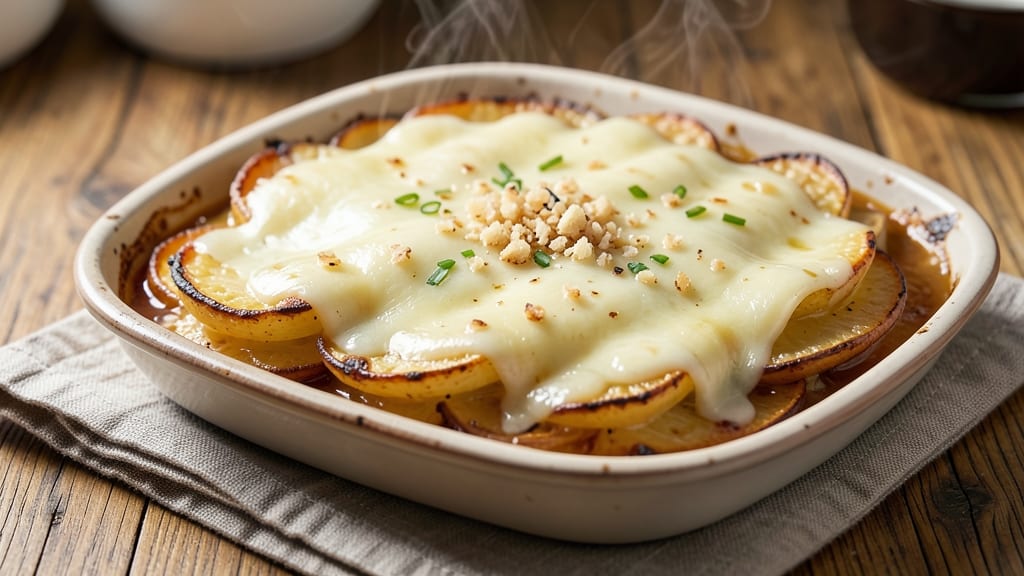
Jamie Oliver's scalloped potatoes recipe delivers that perfect balance of crispy golden crowns and creamy, tangy cheese sauce—exactly what elevates any meal from ordinary to extraordinary. The vinegar-kissed tang in the sauce is his signature touch, cutting through the richness while keeping every layer tender yet crisp at the edges.
I've made this dish countless times for family gatherings, and it never fails to disappear from the plate.
What sets this recipe apart is the precision in layering and the right mix of cheeses—sharp cheddar for bite, Gruyère for creaminess, and a touch of cream to bind it all together.
The key is baking at just the right temperature—hot enough to crisp the tops but gentle enough to keep the interior velvety. It's a technique that takes practice, but the results are worth every minute.
By the time these scalloped potatoes emerge from the oven, you'll have a dish that's impossible to resist—golden, bubbling, and with that irresistible crunch on top. The tangy cheese sauce ties everything together, making each bite rich, satisfying, and just a little bit addictive.
It pairs beautifully with grilled meats, roasted vegetables, or even on its own as a hearty side.
Ready in about an hour, this recipe is perfect for meal prep or serving fresh when company arrives. The layers hold together well, so you can assemble it ahead of time and bake it when you're ready.
Here's how to make Jamie Oliver's signature scalloped potatoes—crispy, cheesy, and full of flavor.
Ingredients for jamie oliver scalloped potatoes
These crispy, cheesy layers need just 13 ingredients to deliver Jamie Oliver's signature tangy, golden perfection.
| Ingredient | Amount | Notes |
|---|---|---|
| Russet Potatoes 🥔 | 2 lb | Thinly sliced, uniform thickness |
| Sharp White Cheddar Cheese 🧀 | 1 ½ cups | Freshly grated, block preferred |
| Gruyère Cheese 🧀 | ¾ cup | Freshly grated, nutty flavor |
| Heavy Cream 🥛 | 1 cup | Full-fat for creaminess |
| Whole Milk 🥛 | ½ cup | Warmed for smooth sauce |
| White Wine Vinegar 🍷 | 2 tbsp | Balsamic works too |
| Unsalted Butter 🧈 | ½ cup | Cold, cubed for topping |
| Garlic Cloves 🧄 | 4 cloves | Minced for flavor base |
| Fresh Thyme Leaves 🌿 | ¼ cup | Or 1 tbsp dried thyme |
| Diamond Crystal Kosher Salt 🧂 | 1 ½ tsp | Adjust to taste |
| Freshly Ground Black Pepper 🌶️ | ½ tsp | Cracked peppercorns preferred |
| All-Purpose Flour 🌾 | 1 tbsp | For sauce thickening |
| Extra-Virgin Olive Oil 🫒 | 2 tbsp | For greasing dish |
The potatoes are non-negotiable—russets slice best due to their low moisture and fluffy texture. Whole Foods or any grocery store carries them year-round. For the cheeses, Gruyère is key for that nutty depth, but Comté works in a pinch. The sharp cheddar should be block-grated—pre-shredded gets clumpy. I always buy extra since cheese keeps well in the fridge for up to 3 months. Fresh thyme is ideal, but dried works at one-third the amount if you're in a hurry. The vinegar adds that signature tang—white wine vinegar is classic, but apple cider adds sweetness if you prefer.
No Gruyère? Parmesan or Emmental both work, though flavor will differ slightly. Substituting heavy cream with half-and-half lightens the sauce but loses richness. The butter topping is crucial—cold cubes create steam pockets for that signature crisp. For the vinegar, balsamic vinegar adds depth, while lemon juice brightens the flavor. If you're short on thyme, dried marjoram mimics its earthiness. The flour is just for thickening—don't skip it, but measure carefully to avoid a gummy sauce. For a dairy-free option, swap the cream for full-fat coconut milk and use nutritional yeast instead of cheese.
Assemble the dish up to 24 hours ahead—just cover and refrigerate. Bake straight from the fridge for even cooking. The leftovers reheat beautifully—cover with foil and warm at 350°F for 15 minutes. For extra crispiness, broil for 2-3 minutes at the end. Store any extras in an airtight container for 4 days. Freeze portions for up to 3 months—thaw overnight in the fridge before reheating. The butter topping can be added fresh after baking if you're serving immediately.
Why You'll Love This Recipe
- One-Pan Magic: I swear by this recipe when I’m too tired to scrub pots—just slice potatoes, layer them with cheese, and let the oven do the work. The Gruyère melts into that golden, bubbly blanket while the sharp cheddar adds a tangy kick without extra effort.
- Creamy-Cheesy Obsession: That first bite of crispy potato edges giving way to a velvety, cheesy center? It’s the kind of dish that makes you pause mid-fork. The heavy cream and milk create a rich sauce that clings to every slice, while the cheeses add depth—salty, nutty, and just sharp enough.
- Weeknight to Weekend: Between us, this is my go-to for lazy Sundays or when I need to feed a crowd. Double the recipe, bake it in two pans, and you’ve got a meal that feels fancy but costs less than takeout. Honestly, it’s the only side dish I ever make for holidays because it’s foolproof and always a hit.
- Leftovers That Don’t Suck: Most casseroles turn into sad, dry bricks the next day. Not this one. The cream keeps it luscious, and the cheeses hold up beautifully—perfect for quick lunches or reheating with a sprinkle of breadcrumbs for extra crunch. I’ve eaten this cold straight from the fridge, and it’s still delicious.
Step-by-step instructions for Jamie Oliver's scalloped potatoes
Here's how to create Jamie Oliver's signature cheesy, vinegar-kissed scalloped potatoes with crispy crowns.
Prepare the Potatoes and Flavor Base
Peel the 2 lb russet potatoes and slice them into ⅛-inch thick rounds using a mandoline or sharp knife. Soak the slices in cold water for 10 minutes to remove excess starch, then drain and pat completely dry with paper towels. Uniform thickness ensures even cooking.
In a small bowl, combine the 0.25 cup fresh thyme leaves, 4 cloves minced garlic, 1.5 tsp diamond crystal kosher salt, and 0.5 tsp freshly ground black pepper. This aromatic blend forms the flavor foundation for the entire dish. I like to let it sit for 5 minutes to allow the thyme and garlic to meld before using.
Create the Creamy Cheese Sauce
In a medium saucepan, warm the 0.5 cup whole milk over medium heat until steaming but not boiling. In a separate bowl, whisk together the 1 cup heavy cream, 1 tbsp all-purpose flour, and 2 tbsp white wine vinegar until smooth. Slowly pour the warm milk into the cream mixture while whisking constantly to prevent curdling.
Return the mixture to the saucepan and cook over medium-low heat for 5-7 minutes, stirring frequently, until it thickens to a pudding-like consistency. Remove from heat and stir in the 1.5 cups freshly grated sharp white cheddar cheese and 0.75 cup freshly grated gruyère cheese until completely melted and smooth. This sauce should be velvety and coat the back of a spoon.
Layer the Potatoes in the Baking Dish
Preheat your oven to 375°F. Generously grease a 9x13-inch baking dish with 2 tbsp extra-virgin olive oil. Begin layering the potato slices in the dish, slightly overlapping each piece. Sprinkle half of the thyme-garlic mixture evenly over the first layer, then pour half of the cheese sauce over top.
Repeat with another layer of potatoes, the remaining thyme-garlic mixture, and the rest of the cheese sauce. The final layer should be potatoes topped with sauce. Press down gently on each layer to ensure even contact and prevent shifting during baking. This creates those signature crispy crowns we're after.
Bake to Golden Perfection
Cover the baking dish tightly with aluminum foil and bake for 45 minutes. Remove the foil and continue baking for an additional 15-20 minutes until the top is golden brown and bubbling vigorously. The edges should be crispy while the center remains tender.
During the final 5 minutes of baking, dot the top with the 0.5 cup cold cubed unsalted butter. This creates beautiful golden brown spots and adds rich flavor. Let the scalloped potatoes rest for 10 minutes before serving to allow the layers to set and the flavors to meld completely.
Serve with Confidence
Use a spatula to gently loosen the edges from the baking dish, then slide the entire pan onto your serving platter. The crispy crowns will naturally lift, creating that impressive presentation. Serve immediately while still warm, with extra grated cheese on the side if desired.
Each bite should deliver creamy, cheesy layers with a perfect balance of tangy vinegar and aromatic thyme. The potatoes should be tender throughout with crispy golden edges that add satisfying texture contrast. This dish makes 4 generous servings perfect for a family dinner or special occasion.
Pro Tips For Making Jamie Oliver Scalloped Potatoes
- PRE-COOK THE POTATOES: After peeling those Russets, give them a quick 5-minute boil in salted water before slicing—this stops them from turning to mush when layered. I learned this the hard way when my first batch dissolved into gluey sludge halfway through baking.
- GRATE THE CHEESE FINE: Use a box grater for the cheddar and Gruyère—no food processor here. The finer the shreds, the more they melt into a creamy blanket instead of clumping like sad, gooey rocks. (Yes, I’ve seen both, and the latter is a crime.)
- BAKE LOW AND SLOW: Forget the 200°C (400°F) oven—this dish needs 160°C (325°F) for at least 45 minutes. Rushing it turns the top to leather while the middle stays doughy. Trust me, your patience will pay off with a silky texture.
- SKIM THE CREAM: If your heavy cream has a layer of fat on top, spoon it off before mixing—it burns faster and can make the sauce separate. I skip this step sometimes, and the result? A slightly burnt top that ruins an otherwise perfect dish. Not worth it.
Wine and beer pairings for these flavors
White Wine Pairings
Jamie Oliver's vinegar-kissed scalloped potatoes call for a crisp, acidic white wine that mirrors the dish's tangy brightness. I always reach for a dry Chardonnay from Burgundy—its mineral notes and subtle oak complement the creamy cheese without overpowering.
Look for a Meursault or Pommard with enough acidity to cut through the richness. The slight earthiness in these wines also pairs beautifully with the thyme and garlic in the potatoes. 🍷
Lighter Beer Options
For beer lovers, a Belgian witbier like Hoegaarden is my go-to choice. The coriander and orange peel notes in these beers enhance the dish's herbal thyme and vinegar tang.
Alternatively, a German Helles Lager provides a clean, crisp palate cleanser that balances the richness. Avoid heavy stouts or IPAs—they'll clash with the delicate cheese sauce. 🍺
Red Wine for Heartier Meals
If serving with a grilled steak or roasted lamb, a Pinot Noir from Oregon or Burgundy works beautifully. Its bright acidity and red fruit notes complement the creamy potatoes without competing.
For something bolder, a Chianti Classico adds earthy tannins that pair well with the sharp cheddar. Just be sure to decant it for 30 minutes to soften the tannins. 🍇
Seasonal Adaptations
In summer, switch to a Sauvignon Blanc from New Zealand—its citrusy brightness matches the vinegar perfectly. For winter, a German Riesling with its honeyed sweetness and high acidity provides warmth and contrast. I've also enjoyed a Spanish Albariño with its peach and floral notes during fall gatherings. 🍃
Non-Alcoholic Pairings
For a refreshing non-alcoholic option, try sparkling apple cider—its effervescence cleanses the palate between bites. A ginger beer with a squeeze of lime adds a zesty kick that complements the vinegar.
For something more substantial, a cucumber-mint infused water with a splash of lemon juice keeps things light and refreshing. 💦
Serving Temperature Tips
Serve white wine slightly chilled at 45-50°F to preserve its crispness. Beer should be served at 38-42°F for lagers or 45-50°F for witbiers. Red wines should be at 60-65°F—never too cold.
I keep my wines in an ice bucket for 15-20 minutes before serving to achieve the perfect temperature without over-chilling. 🌡️
Nutrition facts
Frequently asked questions
Why does Jamie Oliver's recipe use vinegar in the cheese sauce?
The white wine vinegar adds a bright, tangy contrast that cuts through the richness of the cheese and cream. This classic technique prevents the dish from tasting too heavy while enhancing the overall flavor profile. The acidity also helps balance the sweetness of the russet potatoes.
Can I make this dish ahead of time?
Assemble the layers in a baking dish and refrigerate for up to 24 hours before baking. The potatoes will hold their shape, and the flavors meld beautifully. Just add 10 minutes to the baking time if starting from cold. For reheating, cover with foil and warm at 350°F for 15 minutes.
What's the secret to getting crispy crowns on top?
Use cold cubed butter during the final 5 minutes of baking—it creates steam pockets that crisp the surface. Also, remove the foil for the last 15-20 minutes to let the top brown. Pressing the layers gently during assembly prevents shifting, which helps create those signature crispy edges.
Can I substitute Gruyère with another cheese?
Yes! Use Parmesan (for saltiness) or Emmental (for mild sweetness) instead. Avoid pre-shredded cheese—it contains anti-caking agents that make the sauce grainy. For a dairy-free option, swap the cheese for nutritional yeast and use coconut milk instead of cream.
How do I fix soggy scalloped potatoes?
Overcooking or insufficient draining causes sogginess. Always pat potato slices completely dry after soaking, and avoid overfilling the baking dish. For reheating, cover with foil and warm at 350°F for 10-15 minutes—never microwave. If already soggy, broil for 2-3 minutes at the end to restore crispiness.