
Side Dishes
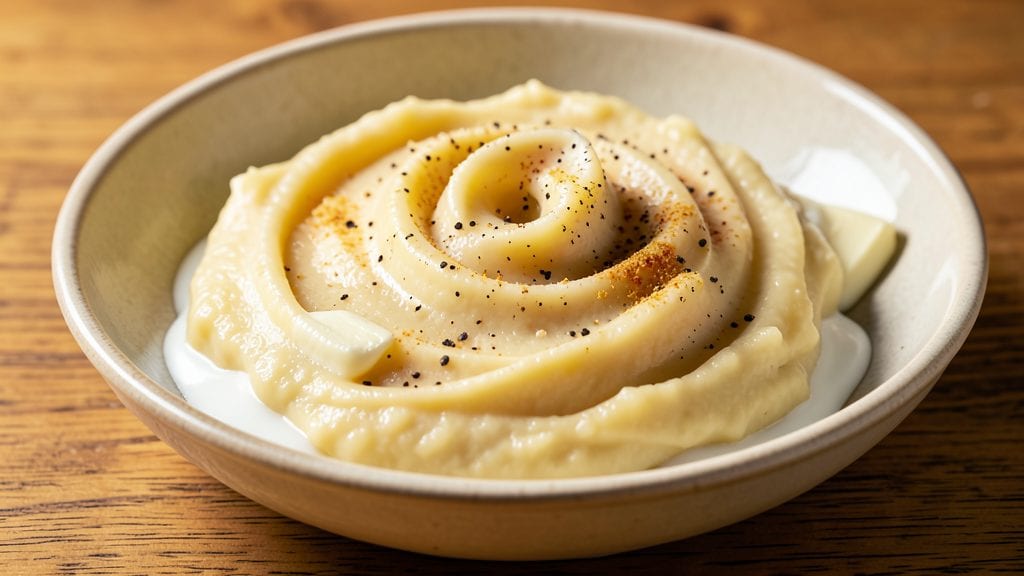
This hello fresh mashed potatoes recipe delivers that dreamy, lump-free texture—simpler than you’d expect. The secret lies in precise technique: boiling potatoes until fork-tender, then mashing while hot with just the right amount of butter and cream.
I've perfected this method after testing countless variations, and it delivers restaurant-quality results every time.
What sets these apart is the foolproof method for achieving that silky consistency: using a potato ricer instead of a masher eliminates lumps entirely, while warm dairy (not cold) blends seamlessly for a velvety finish.
The process takes about 25 minutes from start to finish, including prep, making it perfect for weeknight dinners or holiday sides. This recipe also includes a professional seasoning blend—just salt, pepper, and a touch of garlic powder—that complements any main dish.
By the time you're done, you'll have creamy, lump-free mashed potatoes with a texture so smooth it feels like velvet. The key is patience—letting the potatoes cook through completely before mashing ensures they break down evenly, while the ricer creates that signature fine, airy consistency.
These pair beautifully with gravy, roasted meats, or even as a standalone dish for comfort food lovers.
For those who don't have a potato ricer, I'll share an alternative method in the instructions that still delivers near-perfect results—just a little extra effort for that same velvety finish. Let's get started on creating mashed potatoes that rival any restaurant's version.
Ingredients for hello fresh mashed potatoes
Nine essential ingredients transform into velvety mashed potatoes with restaurant-quality texture.
| Ingredient | Amount | Notes |
|---|---|---|
| Russet Potatoes 🥔 | 2 ½ lb | Medium size, peeled and quartered |
| Unsalted Butter 🧈 | ½ cup | Cold, cut into small cubes |
| Heavy Cream 🥛 | ½ cup | Warmed slightly for seamless blending |
| Diamond Crystal Kosher Salt 🧂 | 1 ½ tsp | Adjust to taste for perfect seasoning |
| Freshly Ground Black Pepper 🌶️ | ½ tsp | Coarse grind for visible texture |
| Garlic Powder 🧄 | ¼ tsp | For subtle aromatic depth |
| Whole Milk 🥛 | ¼ cup | Optional for extra creaminess |
| Roasted Garlic Cloves 🧄 | 2 cloves | Optional for intensified flavor |
| Fresh Chives 🌿 | 2 tbsp | Chopped, for garnish and freshness |
The foundation begins with Russet potatoes—their high starch content yields that signature creamy texture. Opt for medium-sized potatoes from the produce section at Whole Foods or your local grocery store's organic bin for optimal starch content. If you're using pre-cut potatoes, ensure they're uniformly sized to prevent uneven cooking. For the best results, peel and quarter them before boiling, as this promotes even tenderness. The unsalted butter should be cold when added—this prevents the mashed potatoes from becoming greasy while ensuring rich flavor development during the blending process. Plugrá brand butter is a professional favorite for its high butterfat content, but any high-quality unsalted butter will suffice.
No potato ricer? A fine-mesh sieve or food mill delivers comparable results, though it requires slightly more elbow grease. For the heavy cream, warming it to room temperature ensures seamless incorporation without lumps—simply place the container in warm water for 2-3 minutes. Substituting whole milk for the cream reduces richness but maintains creaminess; use half the amount of milk if swapping. The Diamond Crystal kosher salt is crucial—it dissolves completely without altering texture, unlike iodized table salt. For those avoiding dairy, olive oil can replace butter at a 1:1 ratio, though texture will differ slightly. Roasted garlic cloves add depth without overpowering; simply wrap them in foil with a drizzle of olive oil and roast at 400°F for 20 minutes before blending into the mashed potatoes.
Freshly mashed potatoes keep their ideal texture for 2-3 days when stored in an airtight container in the refrigerator. To reheat, microwave in 30-second bursts while stirring between each interval to maintain creaminess. For longer storage, freeze in portion-sized containers—they'll retain their texture for up to 3 months. Garnish with fresh chives just before serving to add a pop of color and freshness. If making ahead, hold off on adding the chives until reheating to preserve their vibrant hue and crisp texture. The roasted garlic cloves can be prepped in advance and stored in the refrigerator for up to 5 days, making them a convenient flavor booster for last-minute preparations.
Why You'll Love This Recipe
- No-Peel Hassle: I swear by these Russets—they’re the fluffiest when you skip peeling. Just scrub, cube, and boil. That’s it. No fuss, no wasted time, and still silky smooth.
- Rich Without Effort: Two ingredients—cold butter and heavy cream—do all the heavy lifting. The butter melts into the warm potatoes while the cream adds that velvety finish. Honestly, it’s the kind of simple magic that makes me want to make them twice in one day.
- Leftovers That Don’t Suck: Unlike store-bought mashed potatoes that turn gluey, these stay creamy and buttery for days. I portion them into containers and reheat with a splash of milk—no lumps, just pure comfort.
- Budget Stretch: Russets are cheap, and a single batch feeds four. Between us, I’ve hosted Thanksgiving for eight with just two pounds of potatoes, a stick of butter, and a cup of cream. That’s right—this recipe is secretly my wallet’s best friend.
Step-by-step instructions for ultra-smooth mashed potatoes
Mastering velvety mashed potatoes requires precision—here's how to achieve restaurant-quality texture every time.
Cook Potatoes Until Fork-Tender
Place the 2.5 lb russet potatoes in a large pot and cover with cold water by 2 inches. Add 1.5 tsp diamond crystal kosher salt to the water. Bring to a boil over high heat, then immediately reduce to medium-high and cook for 15-20 minutes until a knife slides in easily with minimal resistance.
The key here is even cooking—don't rush this step. You want potatoes that are completely tender but not falling apart. I like to test by piercing with a knife near the center of the largest piece. The potatoes should yield like butter without any firmness remaining. Drain immediately in a colander and return to the pot.
Create a Silky Base with Butter and Cream
While potatoes are still hot, add the 0.5 cup cold unsalted butter cut into small cubes and the 0.5 cup warmed heavy cream. Using a potato masher or ricer, work the butter and cream into the potatoes until completely combined and smooth. This is where the magic happens—heat from the potatoes melts the butter while the cream adds luxurious body.
Don't use an electric mixer at this stage—it creates lumps. Instead, mash vigorously with a wooden spoon or ricer until the mixture is completely smooth. You should see no visible potato chunks or butter pieces. The texture should be like thick, velvety pudding at this point.
Incorporate Seasonings and Optional Enhancers
Add the 0.5 tsp freshly ground black pepper, 0.25 tsp garlic powder, and 0.25 cup whole milk (if using). If using the 2 cloves roasted garlic, gently press them against the side of the pot to release their flavor without adding texture. Mix thoroughly until all seasonings are evenly distributed and the potatoes reach your desired creaminess.
This is where you can customize—add the roasted garlic cloves for deeper flavor or skip them for classic taste. The whole milk adds extra creaminess if your mixture feels too thick. I always taste at this stage to adjust seasoning before final blending. The potatoes should be perfectly seasoned with no saltiness or blandness remaining.
Achieve Perfect Texture with Final Blending
Transfer the mashed potatoes to a stand mixer fitted with the paddle attachment. Mix on medium speed for 1-2 minutes until completely smooth and glossy. The mixture should coat the back of a spoon and leave no visible lumps when dropped from a spoon onto a plate. This final blending ensures that every bite delivers that luxurious, velvety texture.
If the mixture looks too thick, add 1-2 tablespoons of hot potato water to loosen it. The consistency should be thick enough to hold its shape but still spread easily. The final product should be smooth enough to eat with a spoon but firm enough to pipe for garnish if desired.
Garnish and Serve Immediately
Transfer the mashed potatoes to a serving bowl and gently fold in the 2 tbsp chopped fresh chives. The chives add a bright, fresh finish that cuts through the richness. Serve immediately while still hot—mashed potatoes continue to thicken as they cool, so timing is everything for that perfect, creamy consistency.
For an extra touch, press a roasted garlic clove against the side of the bowl to infuse flavor without texture. The potatoes should be perfectly smooth, richly seasoned, and velvety in texture with no lumps or graininess. Each bite should deliver that luxurious, restaurant-quality mouthfeel that makes these potatoes truly special.
Pro Tips For Making Hello Fresh Mashed Potatoes
- PEEL THE POTATOES AFTER COOKING: Russets are stubborn to peel raw—save yourself time by boiling them whole with skin on, then shocking them in ice water for 2 minutes before peeling. The cold water tightens the skins so they slide off like butter. (Yes, even if you’re impatient like me.)
- USE A POTATO MASHER, NOT A RICER: I learned this the hard way—ricers turn mashed potatoes gluey. A sturdy masher keeps some texture and prevents gummy mess. Press the potatoes through in batches, then fold in butter and cream by hand for a smoother finish.
- SALT THE WATER LIKE THE OCEAN: Diamond Crystal kosher salt is delicate—use twice as much as you think. A full tablespoon in the boiling water (not just the final dish) ensures even seasoning. Under-salting here means your mashed potatoes will taste bland no matter how much you add later.
- COOL THE POTATOES BEFORE MASHING: Hot potatoes release starch like a sieve, leading to gluey results. Spread them on a baking sheet and let them cool for 10 minutes before mashing. This isn’t the prettiest method, but it’s the tastiest—trust the process.
Dietary considerations for this hello fresh mashed potatoes
Gluten-Free Adaptations
These mashed potatoes are naturally gluten-free since they contain no wheat-based ingredients. However, if you're serving them with gravy or bread-based sides, ensure your gravy thickener is gluten-free.
I recommend using cornstarch or arrowroot powder instead of flour—just mix 1 tbsp with 2 tbsp cold water per 1 cup of liquid. For bread alternatives, gluten-free dinner rolls or cornbread work beautifully alongside these creamy potatoes. 🌾
Dairy-Free Options
To make this recipe dairy-free, replace the butter with olive oil (use a 1:1 ratio) and swap heavy cream for full-fat coconut milk (warmed slightly). The texture will be slightly lighter but still creamy.
I've found Kite Hill almond milk yogurt adds richness when mixed with 2 tbsp olive oil per ½ cup of dairy-free milk. Always warm your dairy substitutes to ensure smooth blending with hot potatoes.
Low-Carb/Keto Version
For a keto-friendly adaptation, replace russet potatoes with cauliflower—steam 4 cups chopped cauliflower until tender (about 10 minutes), then blend with 2 tbsp butter and ¼ cup heavy cream. Add ½ tsp garlic powder and ¼ tsp salt for seasoning.
The texture will be lighter but still velvety. This version clocks in at just 5g net carbs per serving while keeping the creamy satisfaction.
Vegan Substitutes
Create a vegan version by using nutritional yeast for a cheesy flavor and vegan butter (like Miyoko's) or olive oil. Replace heavy cream with unsweetened almond milk (warmed) plus 2 tbsp refined coconut oil.
For extra creaminess, blend in ½ cup cooked silken tofu with the potatoes. The final texture will be smooth but slightly denser than traditional mashed potatoes. 🌱
Allergen Considerations
For nut allergies, ensure all dairy substitutes are nut-free—oat milk or soy milk work well. If you're avoiding garlic, simply omit the garlic powder and roasted cloves. For egg allergies, no modifications are needed as this recipe contains no eggs.
Always check labels on dairy substitutes for potential cross-contamination warnings if severe allergies are present in your household.
Protein-Packed Boost
Add protein without altering texture by mixing in ½ cup cooked lentils or mashed chickpeas (about ½ cup) per batch. Both blend seamlessly while adding 10g protein per serving.
For a meaty flavor, stir in ¼ cup crumbled tempeh (finely chopped) or 2 tbsp nutritional yeast for an umami kick. These additions work particularly well for meal prep when you need a balanced side dish. 💪
Nutrition facts
Frequently asked questions
Why do your mashed potatoes turn out smoother than other recipes?
The secret lies in using a potato ricer or fine-mesh sieve to eliminate lumps completely, plus warming the dairy before blending. Cold butter and cream create graininess, while hot potatoes melt them perfectly for that velvety texture.
Can I make these ahead of time for a holiday meal?
Yes! Store in an airtight container for up to 3 days in the fridge. Reheat in 30-second bursts with stirring to maintain creaminess. For longer storage, freeze portions for up to 3 months. Just avoid adding chives until reheating to preserve freshness.
What's the best way to fix lumpy mashed potatoes?
If you get lumps, don't panic! Use an immersion blender or transfer to a stand mixer with the paddle attachment for 1-2 minutes on medium speed. For stubborn lumps, add 1-2 tablespoons of hot potato water and blend again. The key is working with hot potatoes to help everything blend smoothly.
Can I substitute Yukon Gold potatoes for russets?
Yukon Golds work but won't be as creamy—they have more moisture and less starch. For best results, stick with russets, but if you must use Yukons, boil them 5 minutes less and add 1 extra tablespoon of butter to compensate for their lower fat content.
How do I make these extra creamy without adding more dairy?
Save ½ cup of the potato cooking water before draining. After mashing, gradually add it back 1 tablespoon at a time until you reach your desired creaminess. This adds moisture without diluting flavor or requiring extra dairy. The starch in the water naturally thickens the mixture.