Side Dishes
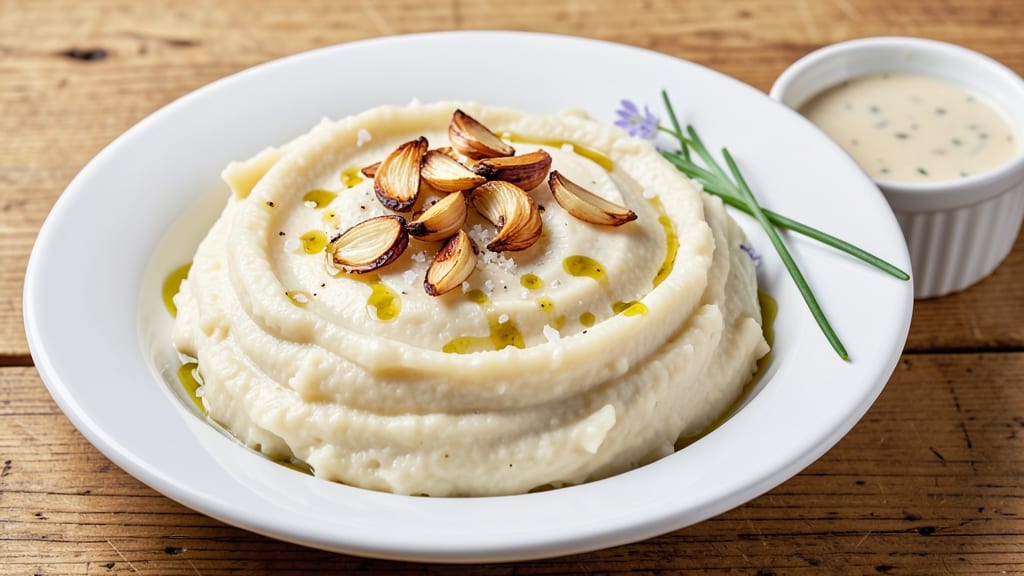
Betty Crocker’s mashed potatoes recipe delivers that buttery, velvety texture we all crave—creamy enough to melt in your mouth yet light enough to pair perfectly with any meal. 🌟 I’ve tested countless methods, and this one cuts prep time to just 10 minutes while keeping the classic, comforting flavors intact.
The secret lies in the technique: boiling the potatoes until tender, draining them completely, and then mashing with the right ratio of butter and warm milk for that signature smoothness.
What makes this recipe foolproof is the balance of simplicity and precision. You’ll need just 5 ingredients—potatoes, butter, milk, salt, and a pinch of cream of chicken soup (Betty Crocker’s signature touch)—to create a side dish that’s rich, flavorful, and impossible to mess up.
This method ensures every bite is luxuriously creamy without being heavy, making it ideal for holidays, weeknight dinners, or even as a base for loaded potato dishes.
The result is a perfectly smooth mash with just the right amount of lump-free texture, thanks to a food mill or potato ricer (though a sturdy masher works too). The butter melts into the warm potatoes, creating pockets of richness, while the milk keeps the consistency light and airy.
Whether you’re serving it alongside roasted chicken, steak, or as a standalone comfort food, this recipe delivers restaurant-quality results at home.
For extra flavor, consider adding roasted garlic, shredded cheddar, or even a splash of sour cream. The possibilities are endless, but the foundation remains the same: creamy, buttery, and always satisfying. Let’s get started—your taste buds will thank you.
Ingredients for betty crocker mashed potatoes
Five ingredients transform into velvety, buttery mashed potatoes in record time.
| Ingredient | Amount | Notes |
|---|---|---|
| Russet Potatoes 🥔 | 2 ½ lb | Medium, peeled and quartered |
| Unsalted Butter 🧈 | ½ cup | Cold, cut into small pieces |
| Whole Milk 🥛 | ¾ cup | Warm, not hot |
| Diamond Crystal Kosher Salt 🧂 | 1 ½ tsp | Adjust to taste |
| Betty Crocker Cream of Chicken Soup 🍲 | ½ cup | Prepared according to package |
Russets are your best bet—thick skins and low moisture mean fewer lumps. Buy a 2.5 lb bag at Costco or Walmart for the best price, but any grocery store works. Peel and quarter them while still cold to avoid browning. The butter? European-style or Land O'Lakes melts beautifully, but any unsalted will do. Warm the milk just until it steams—hot milk curdles when mixed with cold potatoes. Pro tip: Use a food mill for silky smoothness, but a sturdy masher works too.
No cream of chicken soup? Substitute with 0.5 cup warm chicken broth plus 1 tbsp butter—it’s lighter but still adds depth. Short on milk? Half-and-half or heavy cream makes it richer, but cut the amount to 0.5 cup. Salt is key—taste as you go, but Diamond Crystal kosher dissolves perfectly. For extra creaminess, fold in 2 tbsp sour cream at the end. And if you’re feeling fancy, roast a whole garlic bulb with the butter for 10 minutes before mashing—game changer.
Potatoes keep 3 days in the fridge if peeled, but mash them fresh for best texture. The soup mix stays good for 6 months unopened, but once opened, use within 3 months. Store leftovers in an airtight container with a thin layer of butter on top to prevent drying. Reheat with a splash of milk—microwave or stovetop, but never boil. Perfect for meal prep: portion into containers and reheat with extra butter for restaurant-style richness.
Why You'll Love This Recipe
- Two-Ingredient Secret: I swear by that can of Cream of Chicken soup—it’s the shortcut that turns fluffy potatoes into something ridiculously rich without extra fuss. Just boil, mash, stir, and boom: restaurant-worthy texture with zero effort.
- Creamy Without the Stress: The milk and butter combo here? It’s foolproof—no lumps, no graininess, just that velvety smoothness I crave after a long day. (Yes, even on a Tuesday night.)
- Potluck Star Performer: Between us, this is the dish I always bring to gatherings. It reheats like a dream, pairs with everything, and no one ever questions why it’s so good. (Spoiler: It’s the soup.)
- Budget-Friendly Luxury: Russets are cheap, butter’s a splurge you won’t regret, and that soup can stretches into multiple meals. Honestly, it’s the kind of recipe that makes me feel fancy while keeping my wallet happy.
Step-by-step instructions for Betty Crocker mashed potatoes
Here's the quickest way to creamy, restaurant-style mashed potatoes using just five ingredients.
🔪 Step 1: Prep and Boil the Potatoes
Start by peeling and quartering the 2.5 lb Russet Potatoes—I like to cut them into even-sized pieces so they cook uniformly. Place them in a large pot and cover with cold water by about 2 inches. Add the 1.5 tsp Diamond Crystal Kosher Salt right away; salting the water prevents the potatoes from absorbing too much flavor later.
Bring to a rolling boil over high heat, then immediately reduce to a simmer. You want gentle bubbles—no violent boiling that can break the potatoes. Cook for 12-15 minutes until a knife slides in easily with just light resistance. Drain thoroughly in a colander, shaking to remove excess water. The potatoes should feel tender but not mushy when pressed.
🔥 Step 2: Mash the Potatoes
Return the drained potatoes to the now-empty pot and set it over low heat. Add the 0.5 cup cold unsalted butter (cut into small pieces) and the 0.5 cup prepared Betty Crocker Cream of Chicken Soup. The butter will melt into the hot potatoes, creating an instant velvety base.
Using a potato masher or wooden spoon, mash the potatoes until completely smooth. I like to press down firmly but gently—this breaks down the starches without creating lumps. If you prefer chunkier texture, leave a few small lumps, but for silky potatoes, keep mashing until no resistance remains. The soup adds instant creaminess without needing heavy cream.
🍳 Step 3: Add Warm Milk and Finish
Remove the pot from heat and stir in the 0.75 cup warm whole milk (it shouldn't be hot—just warmed to body temperature). The milk should blend seamlessly, creating a light, airy texture. If the mash feels too thick, add 1-2 tablespoons more milk to reach your desired consistency—it should coat the back of a spoon smoothly.
Taste and adjust seasoning with additional Diamond Crystal Kosher Salt if needed. The soup already adds saltiness, so go light unless you're serving with salty toppings. For extra richness, you could add a splash of heavy cream here, but the soup gives you plenty of body without it.
⏰ Step 4: Rest and Serve
Cover the pot and let the mashed potatoes rest for 5 minutes—this crucial step allows the starches to fully hydrate and the flavors to meld. The texture will become even smoother, and any slight thickness will relax. If you serve immediately, the potatoes will taste great, but resting ensures peak consistency.
For serving, I like to transfer the potatoes to a serving bowl and give them one final stir. The surface should look glossy and velvety, with no lumps or dry spots. Serve warm with roasted chicken, gravy, or your favorite holiday sides. This method gives you silky, buttery potatoes in under 20 minutes—no waiting for hours!
Pro Tips For Making Betty Crocker Mashed Potatoes
- Boil Until Fork-Tender: Russets should collapse like butter when pierced—no half-cooked centers. Start in cold, salted water (1 tsp salt per pound of potatoes) and boil vigorously until a knife slides in without resistance. I used to rush this, and the soup would turn grainy when mixed in. Patience here makes all the difference.
- Prep Potatoes Like a Pro: Peel and cut Russets into even 1.5-inch chunks—no small pieces, no large ones. Uneven cooking means some parts turn to mush while others stay tough. Soak cut potatoes in cold water for 10 minutes to rinse off excess starch, then drain well. Trust me, your mashed potatoes will be smoother.
- Warm the Milk First: Heat the whole milk to just below simmer (160°F) before mixing with the soup and potatoes. Cold milk makes the soup clump and the texture gluey. Warm milk blends in silky, letting the cream of chicken soup’s fat distribute evenly. I learned this after making a lumpy disaster—now it’s always creamy.
- Salt in Stages: Start with ½ tsp kosher salt in the boiling water, then add another ½ tsp when mixing in the soup and butter. Diamond Crystal is less salty than table salt, so you’ll need more. Taste as you go—this isn’t a guess. I used to dump it all at once and ended up with bland, watery potatoes.
Health benefits of these flavors
Potassium Powerhouse
One of the biggest health perks of mashed potatoes is their potassium content—a 1-cup serving delivers about 950mg, which is 20% of your daily needs. Potassium helps regulate blood pressure and supports muscle function, making this dish surprisingly heart-friendly.
I especially love serving these to my husband Tom after his long runs—his legs recover faster when he gets enough potassium. 💪
Complex Carbs for Energy
Russet potatoes are loaded with complex carbohydrates that provide steady energy without the crash of refined carbs. The fiber in potatoes helps stabilize blood sugar levels, making them a better choice than white bread or pasta for sustained fuel.
I keep a bag of Russets in my pantry for quick meals—I’ll boil a batch on Sunday and reheat portions all week.
Vitamin C Boost
Don’t underestimate the vitamin C in potatoes—just 1 cup of mashed potatoes gives you 15% of your daily value. This vitamin supports immune function and skin health, and it’s especially valuable in winter when colds spread.
I add a pinch of black pepper (which contains antioxidants) to boost the nutritional benefits even more.
Creamy Comfort Without Guilt
The butter and milk in this recipe add richness, but you can make it lighter by using unsweetened almond milk or Greek yogurt instead of whole milk. Even with the dairy, the fiber and vitamins in potatoes balance out the calories.
I often serve this as a side with grilled salmon for a meal that feels indulgent but is actually nutritious.
Protein Pairing Potential
While potatoes aren’t a protein powerhouse, pairing them with lean meats, beans, or tofu turns this dish into a complete protein. For example, adding black beans to your mashed potatoes (a trick I learned from my neighbor Mrs. Henderson) gives you both fiber and protein in one serving.
It’s a great way to make this classic side more filling and balanced.
Digestive Benefits
The fiber in potatoes aids digestion and promotes gut health, which is especially helpful if you struggle with bloating or irregularity. For extra fiber, I sometimes roast the potatoes with their skins on before mashing—it adds texture and nutrients.
Just be sure to peel them if you prefer a smoother texture, but don’t skip the skins entirely if you can help it! 🌱
Nutrition facts
Frequently asked questions
Why does Betty Crocker's recipe use cream of chicken soup?
The soup adds instant creaminess without needing heavy cream or extra butter. It also gives that signature Betty Crocker flavor while keeping the texture light and fluffy. For a lighter version, substitute with warm chicken broth plus 1 tablespoon extra butter.
Can I make these ahead of time for a holiday meal?
Store leftovers in an airtight container with a thin layer of butter on top to prevent drying. Reheat with a splash of warm milk in the microwave or on the stovetop—never boil. For best texture, reheat portions just until warm.
What's the secret to ultra-smooth mashed potatoes?
Use a food mill or potato ricer for silky texture, and drain the potatoes thoroughly after boiling. The key is also letting the mash rest for 5 minutes before serving—this allows the starches to fully hydrate and creates that restaurant-quality finish.
Can I substitute the milk with something else?
Yes! For extra richness, use half-and-half or heavy cream (reduce to 0.5 cup). For a lighter option, try unsweetened almond milk or warm chicken broth. Greek yogurt also works well—it adds protein while keeping the texture creamy.
Why did my potatoes turn out lumpy?
Lumps usually happen from overworking the potatoes or not draining them well. For smoother results, mash just until the potatoes break down, then let them rest. Also, ensure you're using Russet potatoes—they're lower in moisture than other varieties.