
Breakfast & Brunch
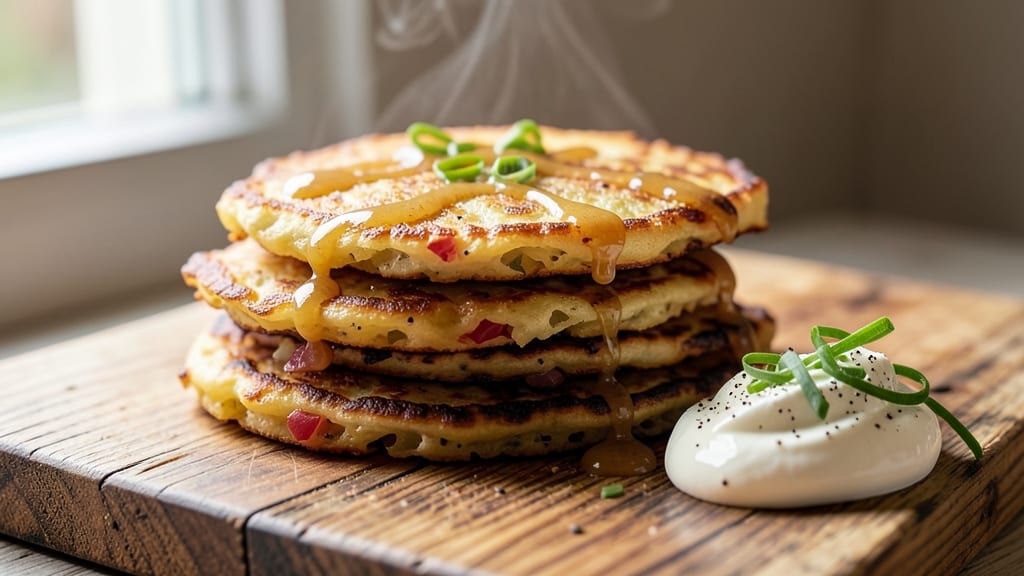
Grandma's potato pancake recipe delivers the perfect balance of golden crispy edges and fluffy hearts—just like the ones I remember from family gatherings. The secret lies in grating the potatoes properly and letting the batter rest before frying, which creates that signature texture.
This classic dish has roots in Eastern European traditions, often served during Hanukkah or as a comforting brunch staple.
What makes these potato pancakes special is their simplicity combined with restaurant-quality results. With just a few ingredients—potatoes, eggs, flour, and onions—you can create a dish that's crispy on the outside, tender on the inside, and packed with flavor.
The key is patience: pressing out excess moisture from the grated potatoes ensures they don't steam instead of fry, guaranteeing that crispy texture we all love.
By the time you flip the first pancake, your kitchen will smell like home, and the sight of golden-brown latkes will have everyone at the table reaching for seconds.
Serve them with a dollop of sour cream, a sprinkle of fresh herbs, or a side of applesauce for that perfect balance of tangy and sweet. This is comfort food at its finest, a recipe that brings warmth and tradition to every bite.
The beauty of this dish is its versatility—whether you're hosting a holiday meal or just craving something hearty for breakfast, these potato pancakes deliver. The method is straightforward, but the results are anything but ordinary. Let's get started on making a batch that'll taste like grandma's kitchen.
Ingredients for grandma's potato pancake
Just seven core ingredients transform into golden latkes with crispy edges and fluffy centers.
| Ingredient | Amount | Notes |
|---|---|---|
| Russet Potatoes 🥔 | 3 lb | Cold, grated with skin removed |
| Large Eggs 🥚 | 2 whole | Room temperature for even mixing |
| All-Purpose Flour 🌾 | ½ cup | For binding batter consistency |
| Yellow Onion 🧅 | 1 whole | Medium size, finely grated |
| Salt 🧂 | 1 ½ tsp | Kosher or sea salt |
| Black Pepper 🌶️ | ½ tsp | Freshly ground preferred |
| Vegetable Oil 🫒 | 2 cups | For frying, high smoke point |
| Fresh Parsley 🌿 | ¼ cup | Chopped, for garnish |
| Sour Cream 🥛 | ½ cup | Full-fat for serving |
| Lemon Wedges 🍋 | 2 whole | For serving |
| Applesauce 🍎 | ½ cup | Unsweetened, optional serving |
Russet potatoes are non-negotiable here—their starchy texture holds up best during frying. Buy a 3-pound bag from the grocery store's potato bin (not pre-packaged) for the freshest results. The onion should be yellow, not red or white—it adds sweetness without overpowering. I always grate mine on the largest holes of a box grater, then press out excess moisture with a clean towel. This step is what separates good latkes from great ones. For the oil, vegetable or canola works best—avoid olive oil, which burns too easily.
No fresh parsley? Dried parsley at one-third the amount works in a pinch, but fresh is ideal for garnish. Running short on sour cream? Greek yogurt with a squeeze of lemon mimics the tang. The applesauce can be swapped for chopped apples with a pinch of cinnamon if you're feeling festive. For the potatoes, Yukon Golds can work but won't be as crispy—stick with Russets for that classic texture. And if you're serving a crowd, double the batter and fry in batches to keep the oil temperature consistent.
Freshly grated potatoes lose moisture fast, so grate them right before frying. The batter keeps for 1 hour in the fridge if covered—perfect for prepping ahead. Frying oil reheats beautifully, so use the same batch for all pancakes. Store leftovers in an airtight container for 3 days—they reheat perfectly in a skillet with a splash of oil. For extra crispiness, pop them in the oven at 400°F for 5 minutes before serving.
Why You'll Love This Recipe
- Five-Ingredient Magic: I swear by this lineup—just potatoes, eggs, flour, onion, and salt. That’s it. No fancy substitutions, no hunting for obscure spices. The real work’s done by the starch and the pan-fry, not you.
- Crispy-Creamy Payoff: The outside gets that golden, shatter-like crunch while the inside stays tender—like a hug from your nonna’s kitchen. Honestly, the first bite makes you forget how little effort it took.
- Weeknight to Holiday: Same batter, endless uses. Serve them as a side for Sunday roast or pile ‘em high with applesauce when company drops by. My kids even ask for them at birthday parties (yes, really).
- Leftovers That Don’t Suck: Unlike takeout that turns rubbery, these reheat perfectly in a toaster oven or air fryer. I’ve kept them in the fridge for days—still crispy enough to fool guests. Budget win, comfort win.
Step-by-step instructions for grandma's potato pancake recipe
Here's how to make perfect golden potato pancakes with crispy edges and fluffy centers.
Grate and Squeeze the Potatoes
Start by grating the 3 lb russet potatoes using the large holes of a box grater. I like to work in batches to keep things manageable. As you grate, immediately transfer the shredded potatoes to a clean kitchen towel or cheesecloth. This step is crucial because it removes excess moisture that would make your pancakes soggy.
Gather the towel into a bundle and wring it out over a bowl to catch the liquid. Squeeze firmly but gently—you want to remove as much moisture as possible without breaking up the potato shreds. After squeezing, transfer the potatoes to a large mixing bowl. The goal is to have dry, crumbly potatoes that will form a sturdy batter when combined with the other ingredients.
Mix the Batter with Onion and Seasonings
Add the finely grated yellow onion, 0.5 cup all-purpose flour, 1.5 tsp salt, and 0.5 tsp black pepper to the bowl with the squeezed potatoes. Using your hands, gently mix everything together until just combined. You don't want to overmix—just enough to distribute the ingredients evenly. The batter should hold its shape when pressed but still feel slightly crumbly.
Next, crack in the 2 whole large eggs and mix again with your hands. The eggs will help bind everything together. At this point, the batter should be moist but not sticky. If it feels too wet, add a little more flour, 1 tablespoon at a time, until it reaches the right consistency. The ideal texture is like thick, wet sand that holds together when you press it.
Heat the Oil and Shape the Pancakes
Pour the 2 cups vegetable oil into a deep skillet or Dutch oven and heat it over medium heat until it reaches 350°F. You'll know it's ready when a small piece of batter sizzles and turns golden brown within 30 seconds. This temperature is key—too hot and they'll burn outside before cooking inside; too cool and they'll be greasy.
Using your hands, form the batter into 4 equal-sized pancakes, about ½-inch thick each. I like to make them slightly larger than they need to be because they'll shrink as they cook. Place them gently into the hot oil, being careful not to splash. You should be able to fit about 2 pancakes in the skillet at a time without crowding. Cook for 4-5 minutes per side until they're golden brown and crispy on both sides.
Drain and Serve Warm
Once both sides are golden brown, use a slotted spoon to transfer the pancakes to a paper towel-lined plate. Let them drain for 2-3 minutes to remove excess oil. They'll still be hot and crispy, but this step prevents them from becoming greasy. Real talk: Don't skip this draining step—it makes all the difference in the final texture.
Serve the pancakes immediately with 0.5 cup sour cream, 2 lemon wedges, and a dollop of 0.5 cup applesauce if you like. The sour cream adds a cool, creamy contrast to the crispy pancakes, while the lemon brightens everything up. Garnish with the 0.25 cup chopped fresh parsley for a pop of color and freshness. These pancakes are best enjoyed right away while they're still warm and crispy!
Pro Tips For Making Grandma'S Potato Pancake
- GRATE POTATOES COLD: Russets are starchy enough to bind, but they still need a head start. Soak the grated potatoes in cold water for 10 minutes first—this washes out excess starch without turning your batter into glue. Drain well, then squeeze out moisture with a clean towel. (Yes, it’s tedious, but your pancakes won’t fall apart when flipping.)
- SALT THE ONION WATER: The onion soak isn’t just for flavor—it’s for texture. Toss the chopped onion in ½ cup cold water with a pinch of salt for 10 minutes before mixing into the batter. This softens it and keeps it from turning mushy later. (I used to skip this, and my pancakes always tasted like they’d been hit with a hammer.)
- FLATTEN WITH A GLASS: Don’t press the batter with your hands—you’ll compact it into a dense brick. Use a chilled drinking glass (about 3 inches wide) to gently flatten each pancake to ¼-inch thickness. The edges stay crisp, and the center stays tender. (Pro move: Dip the glass in flour between batches to prevent sticking.)
- COOK IN BATCHES OF THREE: Crowd the pan, and you’ll steam your pancakes instead of crisp them. Cook three at a time over medium-high heat in about 2 tablespoons of oil per pancake. When the edges lift and the bottom’s golden (3–4 minutes), flip once. (I learned this after frying six soggy pancakes at once—don’t make my mistake.)
Troubleshooting perfect results
Batter Too Wet?
If your batter feels too wet after mixing, you're not alone—this is a common issue when grated potatoes release more moisture than expected. The fix is simple: add 1 tablespoon of all-purpose flour at a time until the batter holds together when pressed.
I usually need about 2-3 extra tablespoons to get the right consistency. Overmixing can make it gummy, so stop as soon as it feels like damp sand. 💡
Pancakes Not Crispy?
Greasy, soft latkes usually mean the oil wasn't hot enough or the potatoes weren't dry enough. First, check your oil temperature—it should be 350°F. Use a thermometer to confirm, not just visual cues.
Also, squeeze your grated potatoes twice with a clean towel to remove all excess moisture. For extra crispiness, fry in batches and avoid overcrowding the pan.
Batter Breaking Apart?
This happens when the potatoes aren't grated finely enough or the batter is overmixed. Start by grating the potatoes on the finest holes of your box grater. Then, mix the batter gently with your hands—just until combined.
Overmixing develops gluten, which makes latkes tough. If it still falls apart, add 1 extra egg yolk to help bind everything together.
Uneven Cooking?
If one side cooks faster than the other, your oil temperature is likely fluctuating. Keep the heat at medium and avoid adding more pancakes until the current batch is golden brown.
A Dutch oven helps maintain even heat better than a thin skillet. Also, press the pancakes gently into the oil—they should make contact with the pan immediately for even cooking.
Burning Before Cooking Through?
This is a classic sign of oil that's too hot. Lower the heat to medium-low and let the oil return to 325°F. If it's smoking, turn off the heat and let it cool slightly before continuing.
A deep-fat thermometer is worth the investment—it prevents guesswork. For extra insurance, fry the pancakes in smaller batches so they don't lower the oil temperature too much.
Latkes Falling Apart?
This usually means the batter wasn't dry enough or the pancakes were flipped too soon. Press the batter firmly into the oil and let it cook undisturbed for 3-4 minutes before flipping. If they still crumble, add 1 tablespoon cornstarch to the batter for extra stability.
Also, make sure your oil isn't too hot—350°F is ideal for a perfect sear without breaking them apart. 🔥
Nutrition facts
Frequently asked questions
Why do I need to squeeze out all the moisture from the grated potatoes?
Excess moisture turns your pancakes into soggy, greasy messes instead of crispy delights. When you squeeze the potatoes through a towel, you remove the liquid that would otherwise steam instead of fry, creating that perfect golden crust. Think of it like wringing out a sponge—dry potatoes = crispy results!
Can I make these potato pancakes ahead of time?
Yes, but with a few key rules. Cooked pancakes stay crispy for 3 days in an airtight container, but they'll lose some crunch. For best results, reheat in a skillet over medium heat for 2-3 minutes per side until crispy again. Never microwave—they'll turn rubbery!
What's the best oil for frying?
Use vegetable or canola oil—they have high smoke points (400°F+) and stay neutral in flavor. Olive oil burns too easily and adds bitterness. For extra crispiness, keep the oil at 350°F using a thermometer. If you don't have one, test with a small piece of batter—it should sizzle and turn golden in 30 seconds.
How do I make these gluten-free?
Swap the all-purpose flour for ½ cup gluten-free flour blend (like Bob's Red Mill 1:1) plus 1 tablespoon cornstarch. The extra starch helps bind the batter. You may need to add 1 extra egg for structure, as gluten-free batters are trickier to handle. Taste test the batter—it should hold together when pressed firmly.
What's the secret to restaurant-quality texture?
Three things: dry potatoes, consistent oil temp, and patience. Squeeze the potatoes twice, use a thermometer, and don't rush flipping—let them cook 4-5 minutes per side until deep golden brown. The first batch is always the hardest; once you nail it, every pancake will be perfect!