
Side Dishes
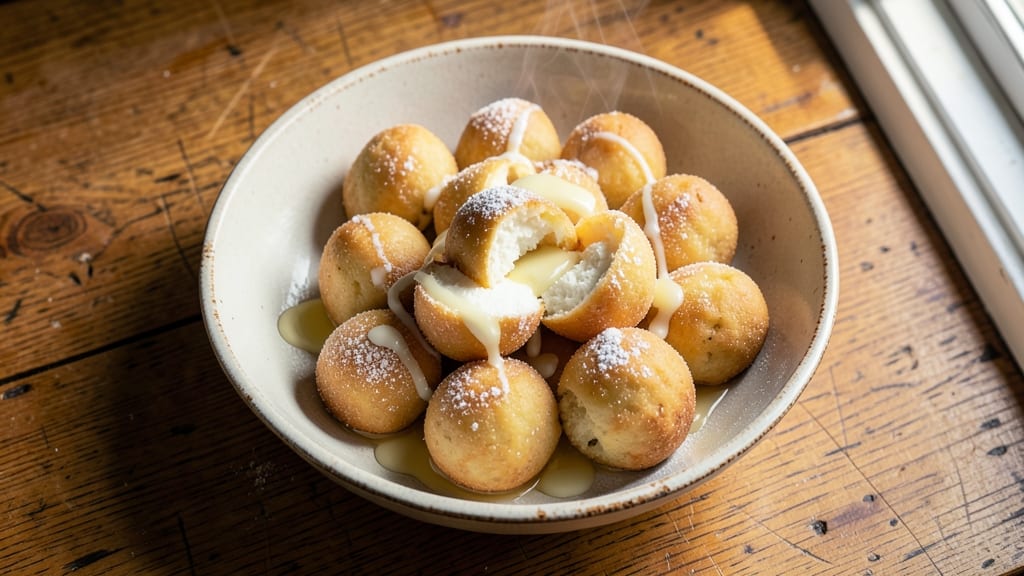
German potato dumplings transform simple ingredients into a dish that feels like a warm hug from a Bavarian kitchen. These fluffy, vinegar-kissed dumplings have been a staple in my family's German-inspired meals for years, perfect alongside roasted meats or hearty stews.
The secret lies in the precise ratio of grated potato to flour, creating a light, airy texture that melts in your mouth.
What makes this recipe special is the balance between tradition and simplicity. You'll start with starchy potatoes that form the base of the dough, then work in vinegar and eggs for that signature tender bite.
The dumplings are shaped by hand—no fancy equipment needed—and cooked just until they float, ensuring a perfect, pillowy center every time. This method delivers restaurant-quality results without the fuss.
By the time you're done, you'll have a bowl of golden dumplings with crisp edges and fluffy interiors, ready to soak up gravy or melt with butter. The vinegar adds a subtle tang that cuts through rich dishes, while the texture is impossible to resist.
These dumplings are the kind of comfort food that turns ordinary meals into something extraordinary.
Serve them alongside braised pork, mushroom gravy, or even as a side to roasted vegetables. The beauty of this recipe is its versatility—equally at home in a traditional German meal or a modern dinner table. Let's get started on creating these timeless dumplings!
Ingredients for german potato dumplings
Starchy potatoes, flour, and vinegar create the magic behind these fluffy German dumplings.
| Ingredient | Amount | Notes |
|---|---|---|
| Russet Potatoes 🥔 | 3 lb | Starchy, peeled and grated fine |
| All-Purpose Flour 🌾 | 3 cups | White flour preferred for texture |
| White Vinegar 🍶 | ½ cup | Distilled white vinegar preferred |
| Large Eggs 🥚 | 2 whole | Room temperature for best mixing |
| Salt 🧂 | 1 ½ tsp | Kosher or sea salt preferred |
| Unsalted Butter 🧈 | ½ cup | Cold, cubed for shaping |
| Water 💧 | ½ cup | Room temperature for dough |
| Fresh Parsley 🌿 | ¼ cup | Chopped, optional for garnish |
| Heavy Cream 🥛 | ¼ cup | For serving, optional |
| Ground Black Pepper 🌶️ | ¼ tsp | Freshly ground for flavor |
The potatoes are the star here—Russet potatoes are perfect for their high starch content, but Yukon Golds work too. Peeled and grated fine (a box grater works best), they’ll give you that signature light texture. I always grab mine from Whole Foods or the organic section at Kroger—they’re less waxy. The vinegar is non-negotiable; distilled white vinegar adds that subtle tang that keeps the dumplings tender. If you’re in a pinch, apple cider vinegar works, but it’ll taste slightly different. The flour? White all-purpose is key—whole wheat will make them dense. Measure it right after sifting to avoid packing.
No vinegar? Lemon juice at half the amount works in a bind, but it’ll be brighter. Short on butter? Olive oil or shortening can substitute, though butter gives the best flavor. The eggs are crucial for binding—room temperature eggs mix in smoother. If you’re making these ahead, you can prep the dough up to 24 hours early and keep it covered in the fridge. The parsley is totally optional, but it adds a fresh pop of color and flavor when sprinkled on top. For extra richness, serve with a drizzle of heavy cream or a pat of butter—trust me, it’s worth it.
These dumplings are best made fresh, but they reheat beautifully. Pop them in a 350°F oven for 10-15 minutes until warmed through, or microwave for 1-2 minutes covered in a damp paper towel. They’ll keep in the fridge for 3 days if stored in an airtight container, but honestly, they’re best the day you make them. For a big batch, freeze half the dough as balls before cooking—just add 2 extra minutes to the boiling time when reheating. The secret to perfect dumplings? Don’t overmix the dough, and cook them just until they float—about 3-4 minutes—or they’ll turn gummy.
Why You'll Love This Recipe
- No Peel, No Stress: I swear by the starchy magic of raw Russets—no peeling, no fuss. Just grate, squeeze out the moisture, and mix with flour and vinegar until it’s light enough to roll. My hands stay dry, my counter stays clean, and I still get that pillowy texture I love.
- Crispy-Creamy Magic: That first bite? Pure contrast—the outside snaps just enough, while the inside melts like butter. The vinegar keeps them tender, the eggs bind them just right, and a pinch of salt makes every bite sing. (Yes, even on a Tuesday night.)
- Leftovers That Save Me: I make a double batch on Sundays, and they last all week. Reheat in the oven until golden, or toss cold ones into a salad for crunch. My kids ask for them more than I ask for quiet—honestly, that’s a win.
- Budget Stretch: Russets and flour won’t break the bank, and a batch feeds four for under $3. Double it for a crowd, freeze half, and you’ve got a cheap, filling side that still feels special. My wallet and my guests thank me.
Step-by-step instructions for German potato dumplings
Here's how to make these classic German dumplings with a tender center and crispy vinegar-kissed crust.
Cook and Mash the Russet Potatoes
Place the 3 lb Russet Potatoes in a large pot and cover with cold water by about 2 inches. Add 1.5 tsp Salt and bring to a boil over high heat. Once boiling, reduce to medium heat and cook for 15-20 minutes until the potatoes are fork-tender and easily pierced with a knife.
Drain the potatoes thoroughly, then return them to the pot. Using a potato masher or fork, mash them until completely smooth with no lumps. Let them cool slightly—this makes handling the hot dough much easier later. The potatoes should be warm but not steaming when you add them to the flour mixture.
Mix the Dough to Perfect Consistency
In a large mixing bowl, combine the mashed potatoes with 3 cups All-Purpose Flour, 2 whole Large Eggs, and 0.5 cup White Vinegar. Using a wooden spoon or rubber spatula, mix vigorously until the dough comes together into a soft, slightly sticky ball. I like to work it by hand for about 2 minutes—this develops the gluten just enough for structure without making the dumplings tough.
Add 0.5 cup Water gradually if the dough feels too dry, or a splash more White Vinegar if it's too sticky. The ideal consistency should hold together when pressed but still be soft enough to shape easily. If it crumbles, add a little more water; if it sticks to your hands, add a bit more flour.
Shape and Boil the Dumplings
Bring a large pot of salted water to a gentle boil. While waiting, divide the dough into 6 equal portions (about ½ cup each). Roll each portion into a smooth ball, then flatten slightly into a ½-inch thick oval or round shape. Here's the trick: Press down firmly in the center of each dumpling to create a slight dimple—this ensures they puff up beautifully when cooked.
Carefully lower the shaped dumplings into the boiling water. They should float to the surface almost immediately. Reduce the heat to medium-low and simmer gently for 12-15 minutes, just until they're fully cooked through. The dumplings are done when they're light and fluffy inside with a slightly crispy exterior. Don't overcrowd the pot—cook them in batches if needed.
Finish with Butter and Garnish
Using a slotted spoon, transfer the cooked dumplings to a serving platter. In the same pot, melt 0.5 cup Unsalted Butter over low heat until it's fully liquid but not browned. Pour the melted butter evenly over the hot dumplings, letting it soak in for 1 minute. This step gives them that signature rich, buttery finish.
Garnish with 0.25 cup Fresh Parsley and a sprinkle of 0.25 tsp Ground Black Pepper just before serving. For extra decadence, serve with 0.25 cup Heavy Cream drizzled on top. These dumplings are best enjoyed immediately while still warm and tender—perfect with gravy, roasted meats, or as a hearty side dish.
Pro Tips For Making German Potato Dumplings
- Boil Potatoes Until Fork-Tender: I learned this the hard way—overcooked potatoes turn to mush, but undercooked ones stay dense and chewy. Aim for a knife sliding in easily but not collapsing; drain immediately and shock in ice water to stop cooking. Cold potatoes mash smoother and absorb flour better.
- Use Cold Vinegar, Not Hot: Pouring boiling vinegar over the potato-flour mix makes a gummy mess. Mix the vinegar into the warm (not hot) potato mass last—just before shaping. It tightens the dough without turning it gluey, and the dumplings hold together when boiled.
- Don’t Overwork the Dough: Kneading too much develops gluten, and these dumplings need to stay tender. Work the flour into the potatoes with your hands until just combined—about 10 strokes max. Overmixing makes them dense; underworked dough might fall apart, but that’s fixable with a little extra flour at the pan.
- Boil in Gentle Simmer, Not a Roll: A full boil shreds the dumplings; a gentle simmer (tiny bubbles, not violent) keeps them intact. Use a large pot with just enough water to cover, and add them in batches so the water doesn’t rise too fast. They’re done when they float—test one by cutting open; it should be set but still soft inside.
Perfect pairings for this recipe
Classic German Sides
These dumplings pair perfectly with Bratwurst or Schnitzel—just like my grandmother used to serve. I always keep a batch of Bavarian-style pork sausages and crispy pork cutlets on hand when making these.
The dumplings soak up the juices beautifully, creating a hearty, satisfying meal. For a complete German spread, add sauerkraut and a dark rye bread to round out the plate. 🥓
Mushroom Gravy Magic
Nothing elevates these dumplings like a rich mushroom gravy. Sauté 1 lb cremini mushrooms with 2 tbsp butter and 2 minced garlic cloves until golden. Deglaze with ½ cup dry white wine, then add 2 cups chicken broth and 1 tbsp flour to thicken.
Simmer for 10 minutes and pour over the dumplings. The earthy mushrooms complement the vinegar tang perfectly. 🍄
Creamy Sauerkraut Twist
For a tangy contrast, serve with creamy sauerkraut. Sauté ½ lb sauerkraut with 2 tbsp butter, 1 tbsp caraway seeds, and ½ cup sour cream until warmed through.
The lactic acid in the sauerkraut cuts through the richness of the dumplings while adding a probiotic boost. I like to top it with crispy fried onions for extra crunch. 🥬
Sweet Potato Dumpling Swap
For a seasonal twist, swap half the Russet potatoes for sweet potatoes. The natural sweetness balances the vinegar beautifully, making these dumplings a hit with kids. Roast the sweet potatoes first for deeper flavor, then mash them into the dough just like the Russets.
Serve with maple syrup and cinnamon for a breakfast or brunch option. 🍠
Pan-Fried Dumpling Variations
If you prefer crispy edges, try pan-frying the dumplings after boiling. Heat 2 tbsp butter in a skillet over medium heat, then add the cooked dumplings to crisp up for 2-3 minutes per side.
Top with caramelized onions and a sprinkle of Parmesan cheese for a restaurant-style finish. This works especially well with Goulash or beef stew. 🧀
Beverage Pairings
A crisp German Pilsner like Warsteiner or Beck’s cuts through the richness perfectly. For a non-alcoholic option, try sparkling apple cider—the bubbles cleanse the palate between bites. If you prefer wine, a dry Riesling from the Mosel region adds a refreshing acidity that complements the dumplings' tang. 🍷
Nutrition facts
Frequently asked questions about German potato dumplings
What's the secret to keeping these dumplings light and fluffy?
The key is in the potato-to-flour ratio and vinegar. Use starchy Russet potatoes (never waxy types) and measure flour after sifting to avoid packing. The white vinegar tenderizes the texture while preventing gumminess. Also, don't overmix the dough—just combine until it holds together. The dumplings should float immediately when added to boiling water, signaling they're ready for their 12-15 minute gentle simmer.
Can I make these dumplings ahead of time?
Prepare the dough up to 24 hours ahead and refrigerate it covered. For best results, shape the dumplings and cook them fresh when ready to serve. If you must store cooked dumplings, refrigerate them in an airtight container for 3 days or freeze for 2 months. Reheat in a 350°F oven for 10-15 minutes or microwave for 1-2 minutes covered with a damp paper towel. The texture won't be quite as light, but they'll still be delicious.
Why do my dumplings turn out gummy instead of fluffy?
Gummy dumplings usually mean one of three things: overcooking, too much liquid in the dough, or not enough vinegar. First, check your cooking time—12-15 minutes is perfect, not longer! If the dough feels too wet, add 1-2 tbsp more flour. For extra insurance, squeeze a little more vinegar (start with 1 tsp) to cut the starch. Also, make sure your potatoes are fully cooked and drained completely before mixing.
What are some creative ways to serve these dumplings beyond gravy?
These dumplings are incredibly versatile! Try pan-frying them in butter until golden for crispy edges, then top with caramelized onions and Parmesan. They also shine in Goulash or beef stew as a hearty addition. For breakfast, serve with maple syrup and cinnamon if you swap half the potatoes for sweet potatoes. Don't forget they pair beautifully with creamy sauerkraut or even as a side for Bratwurst or Schnitzel.
Can I substitute vinegar with something else?
While vinegar is traditional, you can use lemon juice at half the amount (¼ cup instead of ½ cup) in a pinch. The flavor will be slightly brighter, but it works in a bind. Avoid buttermilk or yogurt—they'll make the dumplings denser. If you're making a sweet version, swap the vinegar for 1 tbsp baking powder to help them rise. The acidity is crucial for that signature tender bite, so don't skip it completely!