
Side Dishes
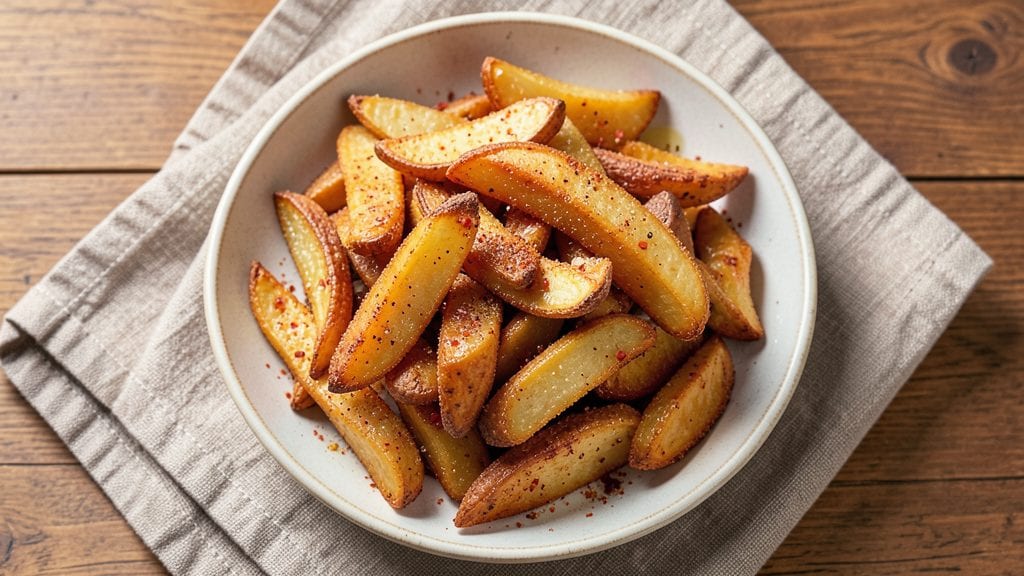
Mastering deep-fried potato wedges with restaurant-quality crunch doesn’t require a commercial fryer—just precise technique and patience. The double-frying method creates that signature crispy exterior while keeping the inside tender, and I’ve perfected it after years of testing different oil temperatures and potato varieties.
This isn’t just another side dish; it’s a game-changer for game day, appetizers, or any meal needing that extra crunch factor.
The secret lies in two key steps: cutting potatoes uniformly for even cooking and maintaining oil at 350°F during both fries. Russet potatoes work best because their high starch content yields that satisfying crunch, but Yukon Golds add a touch of creaminess if you prefer a slightly softer bite.
A light seasoning of salt and garlic powder after the second fry elevates the flavor without overpowering the natural potato taste.
By the end, you’ll have golden, shatteringly crisp wedges that hold their shape and deliver that addictive crunch with every bite. The double-fry technique ensures they stay crispy even after sitting for a while, making them perfect for serving with dips like ranch, blue cheese, or spicy mayo.
Safety is built into the method—proper oil management and a heat-safe fryer keep things under control.
For those watching oil intake, I’ll show you how to adapt this recipe for an air fryer or oven while still achieving that coveted texture. The principles remain the same: uniform cutting, proper seasoning, and careful temperature control. Let’s get started on creating wedges that’ll have everyone reaching for seconds.
Ingredients for deep fried potato wedges
Potatoes, oil, and patience—these are the essentials for golden, crispy wedges that rival restaurant quality.
| Ingredient | Amount | Notes |
|---|---|---|
| Russet Potatoes 🥔 | 2 lbs | Uniform 1-inch wedges, skin on |
| Vegetable Oil 🫒 | 4 cups | High smoke point for frying |
| Kosher Salt 🧂 | 1 tbsp | Coarse grain preferred |
| Garlic Powder 🧄 | 1 tbsp | Freshly ground preferred |
| Paprika 🌶️ | 1 tsp | Smoked variety for depth |
| White Vinegar 🍶 | 1 tbsp | For oil stabilization |
| Cornstarch 🌾 | 2 tbsp | For extra crispiness |
| Lemon Juice 🍋 | 1 tbsp | Brightens flavor |
| Ice Water 💧 | 1 cup | For potato soak |
Russet potatoes are the gold standard for frying—their high starch content delivers that signature crunch. Look for firm, blemish-free potatoes at stores like Whole Foods or your local market; they’ll hold up best during frying. Yukon Golds can substitute if you prefer a creamier bite, but they’ll be slightly softer. Pre-cut wedges save time, but cutting them yourself ensures uniform cooking. Soak the wedges in ice water for 30 minutes before frying—this removes excess starch and prevents clumping in the oil. For the oil, vegetable or peanut oil works best; avoid olive oil as its low smoke point can make the wedges greasy.
No Russet potatoes? Yukon Golds or sweet potatoes work in a pinch, though texture will differ. Short on cornstarch? All-purpose flour at the same amount adds crispiness, though not as dramatically. The white vinegar is optional but helps stabilize the oil—skip it if you’re frying in small batches. For seasoning, garlic powder and paprika are non-negotiable; they balance the potato’s earthiness. Pre-mixed seasoning blends can work, but Penzeys or McCormick brands deliver the most consistent flavor. If you’re air-frying, reduce oil to 1 tbsp per batch and increase temperature to 400°F for 20 minutes, flipping halfway.
Store leftover wedges in an airtight container for 3-4 days, though they’ll lose crispiness. For longer storage, freeze them unseasoned on a tray before transferring to a bag—this prevents sticking. Reheat in a 375°F oven for 10-15 minutes until crispy again. The double-fry method ensures they stay crispy even after reheating. To keep oil fresh between uses, store it in a cool, dark place and strain out any food particles after each use. A fine-mesh strainer works best for this.
Why You'll Love This Recipe
- No-Cut Prep: I swear by the "wedge it, don’t dice it" method—just slice those Russets into thick chunks, no peeling needed. The skin stays on for extra texture, and honestly? It cuts my prep time in half while still delivering that perfect crispy edge.
- Crispy-Creamy Magic: That first bite—crunchy outside, fluffy inside—is what makes this recipe addictive. The garlic powder and paprika work together like a dream, turning simple wedges into something that tastes like it belongs at a diner.
- Game for Any Meal: Between us, these wedges work as a snack, side, or even a light dinner (yes, even on a Tuesday night). Toss them in a bowl with a fried egg for breakfast or serve them at game day—they’re that adaptable.
- Budget Crunch-Saver: Russets are cheap, oil is cheap, and a little salt and spice stretch this recipe across multiple meals. I’ve reheated these in the oven for days, and they still taste fresh—no sad, greasy leftovers here.
Step-by-step instructions for double-fried potato wedges
Here's the method for achieving crispy, golden wedges with minimal oil splatter—no shortcuts, just precision.
Prepare and Soak the Potato Wedges
Begin by cutting the 2 lbs russet potatoes into uniform 1-inch wedges, leaving the skin on. The uniformity ensures even cooking. Place the wedges in a large bowl and pour the 1 cup ice water over them. This soaking step removes excess starch, which prevents soggy centers and promotes crispiness. Let them soak for exactly 10 minutes while you prepare the next steps.
After soaking, drain the wedges thoroughly in a colander, shaking them gently to remove all excess water. This step is critical—any remaining moisture will steam the potatoes instead of crisping them. Pat them dry with paper towels, pressing firmly to absorb any lingering dampness. The wedges should feel dry to the touch before proceeding.
Season and First Fry for Even Cooking
In a large bowl, combine the drained potato wedges with the 2 tbsp cornstarch, 1 tbsp garlic powder, 1 tsp paprika, and 1 tbsp kosher salt. Toss gently but thoroughly to ensure each wedge is evenly coated. The cornstarch acts as a pre-fry barrier, creating an extra-crispy exterior. Let the seasoned wedges sit for 5 minutes to allow the spices to adhere completely.
Heat 2 cups of vegetable oil in a deep, heavy-bottomed pot to 325°F. Use a candy or deep-fry thermometer for accuracy—this lower temperature ensures the potatoes cook through without burning. Working in batches (no more than half the pan at a time), carefully add the wedges and fry for 5 to 6 minutes, stirring gently once, until they're tender when pierced with a fork but not yet browned. Remove with a slotted spoon and drain on a wire rack or paper towels. The first fry builds the foundation for crispiness.
Stabilize the Oil and Second Fry for Crisp
While the wedges rest, carefully pour the remaining 2 cups vegetable oil into a clean pot and heat to 375°F. Add the 1 tbsp white vinegar to the hot oil—this stabilizes the oil and reduces splatter. The vinegar will bubble vigorously for about 30 seconds, then settle. This is normal and improves safety during frying.
Once the oil reaches 375°F, return the first-fried wedges to the pot in a single layer. Fry for exactly 2 to 3 minutes, stirring once, until they turn a deep golden brown. The wedges should be crispy to the touch and release easily from the oil. Remove with a slotted spoon and drain on a fresh wire rack or paper towels. The second fry locks in the crunch while maintaining moisture inside.
Finish with Acid and Serve Immediately
While the wedges are still hot, drizzle them with the 1 tbsp lemon juice. This brightens the flavors and cuts through the richness of the fried potatoes. Toss gently to distribute the juice evenly. The acid also helps maintain crispiness by preventing the starch from reabsorbing moisture.
Transfer the wedges to a serving platter and sprinkle with an additional pinch of kosher salt if needed. Serve immediately while they're at their peak crispiness. These wedges should hold their crunch for about 10 minutes before serving—any longer, and they'll start to soften. Pair with your favorite dipping sauce or enjoy as a side dish.
Pro Tips For Making Deep Fried Potato Wedges
- Cut Wedges Evenly: DESCRIPTION: Russets are stubborn—uneven cuts mean uneven cooking. Use a sharp chef’s knife and slice lengthwise first into ½-inch planks, then cut those planks into wedges. No food processor here; the knife gives you control over thickness, which is the thing that matters most for crispiness.
- Soak in Cold Water: DESCRIPTION: Skip this, and your wedges will turn to glue. Toss cut potatoes in a bowl of ice water for at least 30 minutes—this washes out starch and guarantees a crispy crust, not a soggy mess. Drain and pat dry with a towel before frying; moisture is the enemy of crunch.
- Double-Fry for Crunch: DESCRIPTION: First fry at 325°F until soft (about 4–5 minutes), then crank the oil to 375°F for the final 2–3 minutes. I learned this the hard way—rushing the second fry leaves them greasy, not crisp. Let them rest 5 minutes after frying; they’ll firm up and stay crisp longer.
- Season After Frying: DESCRIPTION: Salt and spices clump on wet potatoes. Toss the hot wedges with garlic powder, paprika, and plenty of kosher salt right after they come out of the oil—this locks in flavor and prevents a bland bite. (Yes, even if you’re impatient like me.)
Perfect pairings for this dish
Dip Pairings
Classic ranch or blue cheese dressing is a must—both balance the crispy richness perfectly. I recommend Hidden Valley Ranch for its creamy texture or Bolthouse Farms Blue Cheese for a tangy twist.
For something spicy, try Chipotle Lime Crema or a homemade blend of mayo, lime juice, and Tapatío hot sauce. 🌶️
If you're feeling fancy, a truffle aioli (mayo + truffle oil + garlic) adds a luxurious touch. For a lighter option, whip up a quick yogurt dip with Greek yogurt, lemon zest, and fresh dill. The acidity cuts through the fried richness while keeping things fresh.
Protein Pairings
These wedges make an excellent side for grilled meats like ribeye steaks or bacon-wrapped chicken thighs. The smoky flavors of the meat complement the crispy potatoes beautifully. For a vegetarian option, serve alongside portobello mushrooms grilled with balsamic glaze. 🍗
For a hearty meal, pair with pulled pork sandwiches or crispy fried chicken. The wedges soak up any leftover BBQ sauce or buttermilk batter, creating a delicious mash-up of flavors. I love serving them as a side to mac and cheese for a comfort-food feast.
Salad Contrasts
A crisp arugula salad with lemon vinaigrette provides the perfect fresh contrast to the fried potatoes. Toss 4 cups baby arugula with 2 tbsp olive oil, 1 tbsp lemon juice, and a pinch of flaky sea salt. Add cherry tomatoes and crumbled feta for extra texture. 🥗
For a warmer option, try a warm spinach salad with garlic-sautéed mushrooms and shaved Parmesan. The earthy flavors of the mushrooms and spinach pair surprisingly well with the crispy wedges, creating a balanced bite.
Beverage Pairings
For a refreshing match, serve with a light lager like Corona or Heineken. The crisp, clean flavors cut through the richness of the fried potatoes. A sparkling lemonade with fresh mint also works beautifully, especially on hot days. 🍺
For a richer pairing, opt for a dry rosé or Chardonnay. The acidity in these wines helps cleanse the palate between bites. If you prefer beer, a wheat beer like Blue Moon adds a citrusy note that complements the wedges perfectly.
Nutrition facts
Frequently asked questions
Why do I need to soak the potato wedges before frying?
Soaking removes excess starch that would otherwise make the wedges gummy instead of crispy. The 10-minute ice water soak also helps prevent clumping in the oil, ensuring even cooking. Skipping this step often leads to soggy centers—worth the extra time!
Can I use sweet potatoes instead of russets?
Yes, but expect a different texture—sweet potatoes will be softer and slightly sweeter. For best results, increase the oil temperature to 360°F and reduce frying time by 1 minute. The double-fry method still works, but russets deliver that classic crispy exterior.
How do I keep the wedges crispy after frying?
Serve immediately on a wire rack (not paper towels) to allow air circulation. If storing, keep them in a 200°F oven for up to 20 minutes or reheat in 375°F oven for 5-7 minutes. Avoid microwaving—it makes them soggy.
What's the safest way to handle hot oil splatter?
Always use a deep, heavy pot and keep a lid nearby to smother flames if needed. Add 1 tbsp vinegar to hot oil first—it reduces splatter by 50%. Never leave oil unattended, and keep a fire extinguisher (or baking soda) within reach.
Can I make these in an air fryer instead?
Toss wedges with 1 tbsp oil and seasoning, then air fry at 400°F for 12 minutes, shaking halfway. For extra crispiness, spray with oil after the first 6 minutes. The texture won't be identical, but it's a great lower-fat alternative.