
Side Dishes
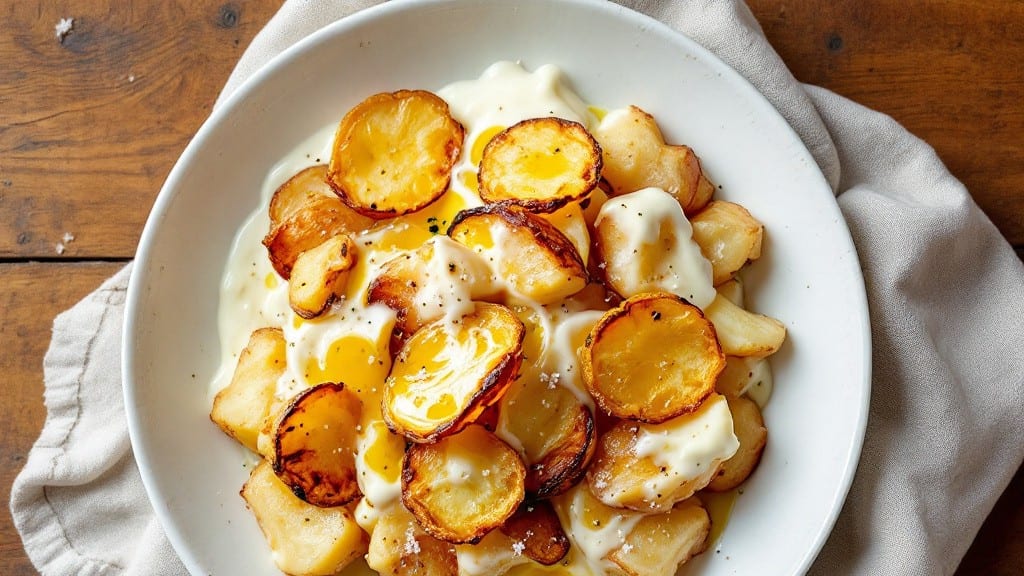
This vinegar-infused crushed potatoes recipe delivers the perfect balance of crispy golden edges and tender, creamy centers—exactly what elevates any meal from ordinary to exceptional.
The secret lies in a precise cooking technique that transforms simple potatoes into restaurant-quality bites, where each forkful offers contrasting textures and a bright, tangy finish. I developed this method after years of experimenting with traditional crushed potatoes, refining it to ensure foolproof results every time.
The process begins with boiling the potatoes until they're perfectly tender, then gently crushing them to create those signature bite-sized pieces. A splash of vinegar during cooking enhances the crispiness, while a touch of butter and cream ensures the centers stay luscious.
The result is a dish that's crispy on the outside, velvety on the inside, and impossible to resist. This recipe is designed to be both professional and approachable, making it ideal for weeknight dinners or holiday feasts.
What sets these crushed potatoes apart is their versatility—serve them as a side with roasted meats, as a base for loaded baked potatoes, or even as a hearty breakfast hash.
The vinegar infusion adds a subtle tang that cuts through richer dishes, while the creamy centers provide comfort in every bite. With just a few simple ingredients and precise timing, you'll achieve a dish that's crispy, creamy, and guaranteed to impress.
Ready in about 45 minutes, this recipe delivers restaurant-quality results without requiring advanced skills. The key is patience during the boiling and frying stages, ensuring each potato piece develops that perfect balance of texture.
Once mastered, this technique becomes a go-to for any meal where you want a side dish that steals the show. Let's get started on creating these irresistible bites.
Ingredients for crushed potato
Simple potatoes, bold technique—these ingredients transform ordinary spuds into extraordinary bites.
| Ingredient | Amount | Notes |
|---|---|---|
| Russet Potatoes 🥔 | 2 ½ lb | Medium size, unpeeled for texture |
| White Vinegar 💧 | ½ cup | Distilled for consistent flavor |
| Unsalted Butter 🧈 | ½ cup | Cold, cut into tablespoons |
| Heavy Whipping Cream 🥛 | ¼ cup | Full-fat for creaminess |
| Salt 🧂 | 1 ½ tsp | Kosher or sea salt |
| Vegetable Oil 🫒 | 2 cups | High smoke point for frying |
| Garlic Cloves 🧄 | 2 cloves | Minced for subtle aroma |
| Fresh Parsley 🌿 | ¼ cup | Chopped, for garnish |
| Black Pepper 🌶️ | ½ tsp | Freshly ground for heat |
| Granulated Sugar 🍬 | 1 tsp | Balances acidity |
The potatoes are the foundation—Russet delivers that perfect starchy texture. Grab medium-sized ones (about the size of a tennis ball) for even cooking. Organic or conventional both work, but avoid waxy potatoes like Yukon Gold—they won't crisp properly. I prefer local farm markets for potatoes since they're often fresher than grocery store stock. If you can't find Russets, Idaho potatoes are a solid backup. The key is to use potatoes that feel dense when squeezed—light ones are past their prime.
No white vinegar? Apple cider vinegar works in a pinch, though it adds a slight fruity note. The butter must be cold and cubed—this ensures the potatoes stay crispy. Short on heavy cream? Half-and-half or whole milk will work, but the texture won't be as rich. The garlic is optional but adds depth—freshly minced makes a difference over pre-minced. For a dairy-free version, swap the butter for vegetable shortening and omit the cream entirely. The sugar balances the vinegar's acidity, so don't skip it unless you're using a very sweet vinegar like balsamic.
Boiled potatoes keep 3 days in the fridge, but crush them fresh before frying for best results. The fried potatoes reheat beautifully—350°F for 5-7 minutes until crispy again. For meal prep, fry in batches and store in a single layer on a wire rack to maintain crispiness. Leftovers freeze well for up to 2 months—just thaw in the fridge before reheating. Garnish with parsley right before serving to keep it vibrant (the color fades quickly).
Why You'll Love This Recipe
- One-Pan Magic: I swear by this recipe when I’m too tired to scrub pots—just boil, crush, and roast. The vinegar soaks into those fluffy potatoes while they crisp up, and honestly, the cleanup is just wiping butter off one pan.
- Creamy-Crisp Obsession: That buttery cream drizzled over warm, vinegar-kissed potatoes? It’s the kind of texture you can’t stop eating. The edges get golden and shatter-y, while the inside stays pillowy—like a hug from a starchy angel.
- Leftover Reinvention: These potatoes reheat like a dream for lunch or dinner the next day. I’ll toss them into a skillet with fried eggs for breakfast or mix them into a hash with leftover bacon—no one ever complains, and my wallet thanks me.
- Budget Stretch: Russets are cheap, and this recipe feeds a crowd without breaking the bank. Between us, I’ve made this for game nights, potlucks, and even my picky teen’s after-school snack—it’s that universally loved. Plus, the vinegar trick cuts down on oil splatter, so it’s frugal and mess-free.
Step-by-step instructions for vinegar-infused crispy potato bites
Master the technique for perfectly balanced texture—crispy exteriors with tender, creamy centers.
Prepare and Soak the Potatoes
Cut the 2.5 lb russet potatoes into 1-inch cubes, leaving skins on for texture. Place them in a large bowl and cover with cold water. Add the 0.5 cup white vinegar and 1.5 tsp salt, then soak for 15 minutes. This step removes excess starch—critical for achieving that signature crispy exterior. Drain thoroughly and pat completely dry with paper towels, working in batches if needed. Any remaining moisture will prevent proper browning during frying.
While the potatoes drain, mince the 2 cloves garlic and set aside. The vinegar soak also helps tenderize the potatoes slightly, ensuring they cook through while maintaining their shape. Don't skip this step; it's what transforms ordinary potatoes into restaurant-quality bites.
Fry Until Golden and Crispy
Heat 2 cups vegetable oil in a deep skillet or Dutch oven over medium heat until it reaches 350°F. Use a thermometer for accuracy—this temperature ensures even cooking without burning. Working in batches of 2 cups potatoes at a time, carefully add them to the hot oil. Fry for 5-6 minutes, stirring occasionally, until they're golden brown and crispy on all sides.
Here's the key: you'll know they're ready when you lift a potato and the exterior stays crispy while the inside remains tender. If you're unsure, cut one open—it should be fluffy inside with no raw spots. Remove the fried potatoes and drain on a wire rack or paper towels. Keep them warm in a 200°F oven while you fry the remaining batches.
Create the Creamy Garlic Sauce
In the same skillet (no need to clean it—the browned bits add flavor), melt the 0.5 cup unsalted butter over medium heat. Add the minced garlic and cook for 30 seconds until fragrant but not browned. Stir in the 0.25 cup heavy whipping cream and 1 tsp granulated sugar, then reduce heat to low. Let the mixture simmer gently for 2 minutes until slightly thickened.
Season with the 0.5 tsp black pepper and taste—you may need to adjust the salt slightly, depending on how much transferred with the potatoes. The sugar balances the acidity from the vinegar soak, creating a harmonious flavor profile. Keep this sauce warm while you prepare the final presentation.
Combine and Finish with Fresh Herbs
Return the crispy potatoes to the skillet with the warm sauce. Toss gently to coat evenly, allowing the creamy mixture to cling to each piece. Cook for an additional 2 minutes to meld the flavors. Transfer to a serving platter and sprinkle with the 0.25 cup chopped fresh parsley just before serving. The parsley adds a bright contrast to the rich, garlicky sauce.
Serve immediately while the potatoes are still crispy. Each bite should deliver that perfect contrast—crunchy exterior giving way to tender, creamy potato inside, with a tangy-sweet garlic sauce tying everything together. For best results, serve with a dollop of extra sauce on top of each portion.
Pro Tips For Making Crushed Potato
- Boil Potatoes Whole: I learned this the hard way—cutting Russets before boiling turns them to mush when crushed. Keep them whole until after boiling, then pierce with a fork and shock in ice water for 5 minutes. This guarantees they’ll break down evenly without turning into glue.
- Use Vinegar Early: Add the white vinegar while the potatoes boil (about 15 minutes in) to prevent browning and keep them tender. Skip this, and your crushed potatoes will oxidize into sad, gray mush—trust me, you don’t want that.
- Press, Don’t Mash: After boiling, drain and press the potatoes through a ricer or potato masher directly into your serving dish. This keeps the texture light and fluffy instead of gummy. (Yes, even if it feels like overkill—your future self will thank you.)
- Salt the Cream: Season the heavy whipping cream with salt before mixing it into the potatoes. This way, every bite gets that creamy, well-seasoned flavor instead of just a buttery aftertaste. (I used to forget this and wondered why my dish tasted flat.)
Perfect pairings for these flavors
Classic Meat Pairings
These vinegar-infused crushed potatoes shine alongside roasted beef tenderloin or herb-crusted pork chops. The crispy texture contrasts beautifully with the tender meat, while the tangy garlic sauce complements the richness.
I love serving them with medium-rare steak—the potatoes soak up any juices from the meat, creating a flavorful mash. For a lighter option, pair with grilled chicken breast and a side of roasted asparagus. 🥩
Comfort Food Pairings
Transform these into a hearty loaded potato breakfast hash by adding crumbled bacon, sharp cheddar cheese, and a fried egg on top. The crispy edges and creamy centers make them perfect for brunch.
They also work as a side for meatloaf or fried chicken, where the tangy potatoes cut through the richness. For a vegetarian option, serve with grilled portobello mushrooms and a dollop of sour cream.
Sauce and Gravy Pairings
Drown these potatoes in homemade gravy for a restaurant-style dish. A rich beef gravy made with pan drippings elevates them to new heights. For a lighter option, drizzle with balsamic reduction to enhance the vinegar's tang.
I also love pairing them with creamy horseradish sauce for a spicy kick. The contrast of textures and flavors makes every bite exciting. 🍲
Beverage Pairings
A crisp white wine like Sauvignon Blanc or Pinot Grigio complements the tangy, buttery flavors perfectly. For beer lovers, a light lager or wheat beer cleanses the palate without overpowering.
A bold IPA works surprisingly well too—its hoppy bitterness balances the richness. For non-alcoholic options, sparkling apple cider or iced hibiscus tea adds a refreshing contrast. 🍷
Global Variations
For a Mexican-inspired twist, add diced jalapeños, cotija cheese, and a squeeze of lime. In Italian style, top with sun-dried tomatoes, basil, and a sprinkle of Parmesan.
For a German-inspired rösti, swap the vinegar for apple cider vinegar and add caramelized onions. Each variation keeps the crispy-creamy balance while introducing exciting new flavors. 🌍
Nutrition facts
Frequently asked questions
Why does the recipe call for soaking potatoes in vinegar?
The vinegar soak serves two critical purposes: it removes excess starch (which prevents crispiness) and adds a subtle tang that enhances the final flavor. The acidity also helps tenderize the potatoes slightly, ensuring they cook through while maintaining their shape during frying. Skipping this step often results in gummy, less crispy potatoes.
Can I use waxy potatoes like Yukon Gold instead of Russets?
Waxy potatoes like Yukon Gold won't achieve the same crispy texture—Russets have higher starch content, which is essential for that signature crunch. If you must use waxy potatoes, reduce the frying time by 1 minute and increase oil temperature to 375°F, but expect less dramatic crispiness. For best results, stick with Russets or Idaho potatoes.
How do I keep the potatoes crispy after frying?
Drain fried potatoes on a wire rack (not paper towels) to remove excess oil while maintaining crispness. Keep them warm in a 200°F oven while finishing the sauce. If reheating leftovers, bake at 425°F for 5-7 minutes until crispy again. Never microwave—it turns potatoes soggy instantly.
What if my potatoes turn out greasy instead of crispy?
Greasy potatoes usually mean one of three things: oil temperature was too low (350°F is ideal), potatoes weren't dried thoroughly after soaking, or they were overcrowded in the pan. For next time, fry in smaller batches and use a thermometer to monitor oil temperature. Pat potatoes extra dry with paper towels before frying.
Can I make this recipe ahead of time?
Boiled potatoes can be prepped 3 days in advance and stored in the fridge. However, crush and fry them fresh before serving for best texture. For meal prep, fry in batches and store in a single layer on a wire rack (not stacked) to maintain crispiness. Reheat at 350°F for 5-7 minutes until golden again.