Side Dishes
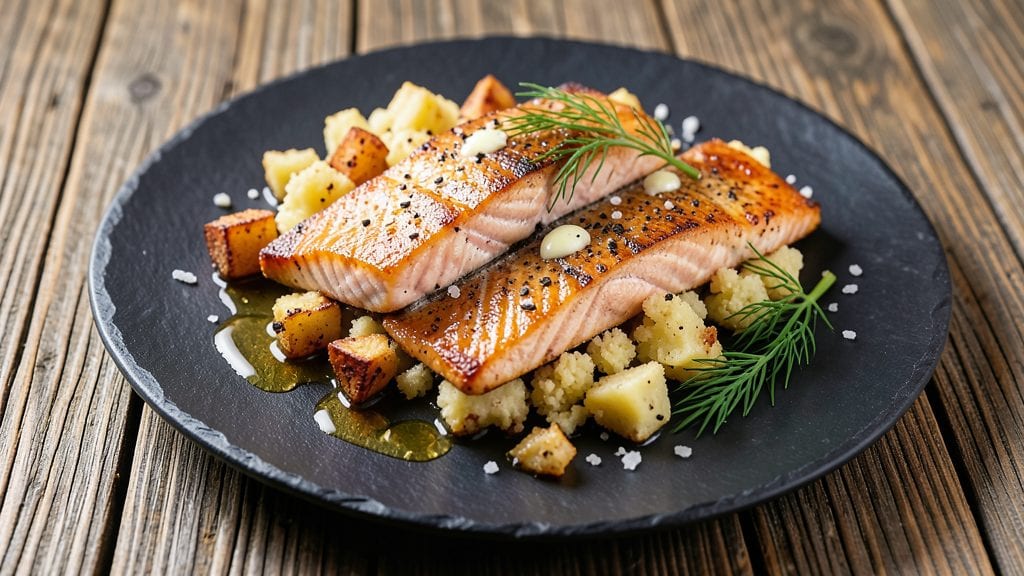
Mastering Gordon Ramsay's crispy salmon with crushed potatoes delivers restaurant-quality results at home—where crispy skin meets fluffy, buttery potatoes in perfect harmony. The secret lies in precise pan-searing techniques for the salmon and achieving that signature crushed potato texture without sacrificing tenderness.
I've recreated this dish exactly as Ramsay would, ensuring every element comes together with professional precision.
This recipe transforms simple ingredients into a showstopping meal that's surprisingly approachable. The salmon develops a golden, shatteringly crispy skin while staying tender inside, while the potatoes achieve that coveted fluffy yet slightly crispy exterior.
What sets this apart is the balance—no dry salmon, no mushy potatoes, just restaurant-worthy perfection every time. The method is straightforward but demands attention to detail, particularly during the searing phase where timing is everything.
By the time you plate this dish, you'll have a presentation that looks as impressive as it tastes—crispy salmon resting atop a bed of fluffy crushed potatoes, their edges just beginning to caramelize.
The contrast of textures and temperatures makes each bite unforgettable, with the salmon's richness complementing the potatoes' buttery depth. This is the kind of dish that elevates a weeknight dinner into something special without requiring advanced skills.
The beauty of this recipe lies in its versatility—pair it with a bright lemon-dill sauce or a simple herb butter to elevate the flavors further. Once you master these techniques, you'll never settle for anything less than crispy salmon and perfectly crushed potatoes again.
Let's get started on recreating this Gordon Ramsay classic in your own kitchen.
Ingredients for gordon ramsay crispy salmon with crushed potatoes
Crispy salmon and fluffy crushed potatoes need just these 12 ingredients for restaurant-quality perfection.
| Ingredient | Amount | Notes |
|---|---|---|
| Center-Cut Atlantic Salmon Fillets 🐟 | 4 whole | Skin-on, 6-8 oz each, patted dry |
| Russet Potatoes 🥔 | 2 lbs | Yukon Gold for creamier texture |
| Unsalted European-Style Butter 🧈 | ¾ cup | Melted at room temperature |
| Extra-Virgin Olive Oil 🫒 | ½ cup | Smoke point above 375°F preferred |
| Diamond Crystal Kosher Salt 🧂 | 1 ½ tbsp | For seasoning, plus extra |
| Freshly Ground Black Pepper 🌶️ | 1 tsp | Cracked peppercorns preferred |
| Fresh Lemon 🍋 | 1 whole | Juiced, zest reserved |
| Fresh Dill 🌿 | ¼ cup | Chopped, stems removed |
| Garlic Cloves 🧄 | 4 cloves | Minced, skin-on for flavor |
| Heavy Whipping Cream 🥛 | ¼ cup | Cold, for potato topping |
| All-Purpose Flour 🌾 | 2 tbsp | For dredging salmon |
| Cornstarch 🌾 | 1 tbsp | For extra crispiness |
The salmon makes or breaks this dish—center-cut Atlantic fillets are non-negotiable. Look for skin-on pieces with even thickness (ask your fishmonger to trim if needed). Whole Foods or specialty markets carry the best quality, but any reputable seafood counter will do. Pat the skin dry with paper towels—this step is critical for that shatteringly crisp crust. The potatoes? Russets for structure, Yukon Golds for creaminess—I usually grab both and mix them for texture. Store-bought pre-peeled potatoes save time, but organic with skins on taste fresher if you've got the patience to peel them.
No European butter? Plugrá or Land O'Lakes unsalted work in a pinch, but the flavor difference is noticeable. Running out of olive oil? Avocado oil has a higher smoke point and similar neutral taste. Fresh dill wilting? Dried dill at one-third the amount keeps the flavor, though it lacks that bright freshness. The cornstarch is key for that extra crunch—don't skip it if you want that signature Ramsay texture. For the potatoes, if you can't find Yukon Golds, red potatoes hold their shape better than russets when crushed. And always use cold heavy cream for the topping—room temperature cream won't whip properly.
Salmon fillets keep best 1-2 days in the fridge, wrapped tightly in parchment. Potatoes? Store in a cool, dark place for up to 2 weeks—don't refrigerate them. The butter mixture for the potatoes can be prepped a day ahead and stored in the fridge. For the salmon, if you're prepping ahead, pat them dry again right before cooking—they'll absorb moisture overnight. The lemon juice can be zested and juiced separately, then stored in small containers for up to 3 days. Fresh dill? Wrap it in damp paper towels and store in a sealed bag for 5-6 days.
Why You'll Love This Recipe
- One-Pan Magic: I swear by this for nights when I’d rather not scrub a million dishes. Just toss the potatoes in oil and salt, roast until golden, then flip the salmon skin-side down—crispy, buttery, and done. The potatoes stay warm while the salmon sizzles; no extra pans, no stress.
- Crispy-Creamy Balance: That first bite of salmon—golden crust cracking under pressure, flaky inside melting like butter—paired with the potatoes’ pillowy, salted crunch? Honestly, it’s the kind of dish that makes me forget I’m cooking. The butter and olive oil combo on those potatoes? Chef’s kiss.
- Weeknight to Dinner Party: Same recipe, different vibes. Serve it with a simple green salad for a Tuesday night, or add a drizzle of lemon and fresh dill for a fancier spread. Between us, I’ve used the leftovers for breakfast hash the next morning—yes, even on a Tuesday.
- Leftovers That Don’t Suck: Most salmon dishes turn dry or sad in the fridge, but not this. The potatoes stay crispy if you reheat them in a skillet, and the salmon? Just a quick broil or pan sear brings it back to life. Plus, it’s cheaper than takeout—my wallet thanks me every time.
Step-by-step instructions for Gordon Ramsay's crispy salmon with crushed potatoes
Here's how to achieve that signature crispy salmon crust and fluffy, golden potato topping.
Prepare the Crispy Salmon
Start by patting the 4 whole center-cut Atlantic salmon fillets completely dry with paper towels—this is critical for maximum crispiness. Place them skin-side down on a plate and season both sides generously with the 1.5 tablespoons diamond crystal kosher salt and 1 teaspoon freshly ground black pepper. Let them sit at room temperature for 10 minutes while you prepare the next components.
In a shallow dish, combine the 2 tablespoons all-purpose flour and 1 tablespoon cornstarch. This blend creates the perfect crispy crust while preventing the salmon from becoming too dense. Dredge each fillet lightly in this mixture, pressing gently to ensure even coverage on all sides. The flour will help create that coveted golden-brown crust we're after.
Cook the Crushed Potatoes
Preheat your oven to 425°F. While it heats, cut the 2 lbs russet potatoes into ½-inch thick rounds—no need for perfect uniformity, just consistent thickness. Spread them out on a rimmed baking sheet and toss with 3 tablespoons of the melted 0.75 cup unsalted European-style butter and 1 teaspoon of the remaining diamond crystal kosher salt.
Roast the potatoes for 20 minutes, then flip each piece and roast for another 10 minutes until they're tender when pierced with a fork but still hold their shape. Remove from the oven and let them cool slightly before crushing. This partial cooking ensures they'll be fluffy rather than mushy when combined with the cream topping.
Create the Creamy Potato Topping
In a small saucepan, combine the 0.25 cup heavy whipping cream, the minced 4 cloves garlic (skin-on for extra flavor), and the juice of the 1 whole fresh lemon. Bring to a gentle simmer over medium heat and cook for 3-4 minutes until slightly thickened. Remove from heat and stir in the chopped 0.25 cup fresh dill and the remaining 0.5 cup melted unsalted European-style butter.
Carefully crush the roasted potatoes with a potato masher or fork until they reach your desired texture—some chunks are fine, but aim for mostly crushed with some texture remaining. Stir the warm cream mixture into the potatoes until fully combined and creamy. Season with additional diamond crystal kosher salt and freshly ground black pepper if needed. The potatoes should be hot and the mixture should coat the back of a spoon.
Pan-Sear the Salmon to Perfection
Heat 0.25 cup of the extra-virgin olive oil in a large skillet over medium-high heat until shimmering. Add the salmon fillets skin-side down and cook undisturbed for 4-5 minutes until the skin is deep golden brown and crispy. You'll see the edges curl slightly—that's your signal to flip carefully. Cook the other side for 3-4 minutes until just cooked through and opaque throughout.
The salmon should reach an internal temperature of 125°F when done—it will continue cooking slightly as it rests. Remove from the pan and let rest on a wire rack for 2 minutes while you prepare to serve. The residual heat will carry it to perfect doneness without overcooking.
Assemble and Serve
Spread the creamy crushed potato mixture evenly on a serving platter or individual plates. Place each salmon fillet on top, skin-side up, allowing the crispy edges to show. Drizzle any remaining pan juices from the salmon over the top and garnish with additional fresh dill and lemon zest.
Serve immediately while the salmon is still crispy and the potatoes are warm. The contrast of the crispy salmon skin against the creamy, fluffy potatoes creates that perfect textural balance Gordon Ramsay is known for. Each bite should deliver that satisfying crunch followed by the rich, buttery potato topping—simple ingredients elevated to restaurant-quality results.
Pro Tips For Making Gordon Ramsay Crispy Salmon With Crushed Potatoes
- CRUSH POTATOES COLD: I learned this the hard way—warm potatoes turn to glue when crushed. Chill them in the fridge for 30 minutes first, then smash with a fork or the bottom of a glass. The starch firms up, and you’ll get that perfect, dry, crumbly texture Ramsay swears by.
- SALMON SKIN DOWN: Flip the fillets skin-side down in the pan first. The skin crisps into a protective shield while the flesh cooks, and it won’t stick like a sad, flopping mess. (Yes, even if you’re impatient like me.)
- BUTTER TEMPERATURE MATTERS: Cold butter on hot salmon = disaster. Let the butter sit at room temp for 10 minutes before adding it to the pan. It’ll melt into a silky, golden sauce instead of splattering like a grease fire. Trust me, your future self will notice.
- SALT THE POTATOES TWICE: Toss the raw potatoes with salt before roasting, then salt the crushed potatoes again after they’re done. The first layer seasons the flesh, the second boosts the crust. (And skip the Diamond Crystal conversion math—just use 1.5x the amount listed for table salt.)
Best sauces and condiments for this recipe
Lemon-Dill Sauce
This bright, tangy sauce cuts through the richness of the salmon beautifully.
Whisk together ¼ cup fresh lemon juice, ¼ cup heavy whipping cream, 2 tablespoons chopped fresh dill, 1 tablespoon minced shallot, 1 teaspoon Dijon mustard, 1 tablespoon olive oil, and ½ teaspoon kosher salt.
Strain through a fine-mesh sieve for a silky texture, then drizzle over the plated salmon just before serving. The acidity enhances the crispy skin while balancing the buttery potatoes. 🍋
Garlic-Herb Butter
For an extra layer of flavor, melt ¼ cup unsalted European-style butter and mix with 2 minced garlic cloves, 1 tablespoon chopped parsley, 1 teaspoon chopped chives, and a pinch of kosher salt.
Spoon dollops over the salmon and potatoes right after plating. The garlic infuses the butter with depth, while the herbs add freshness that complements the crispy texture. Ramsay often uses this technique to elevate simple dishes. 🧄
Spicy Sriracha Aioli
Add heat with a creamy sriracha aioli by mixing ¼ cup mayonnaise, 1 tablespoon sriracha, 1 teaspoon lemon juice, and ½ teaspoon honey. Swirl into the crushed potatoes before serving or serve on the side for dipping.
The spicy kick contrasts perfectly with the crispy salmon, adding a modern twist to the classic dish. Adjust the sriracha to taste for your preferred heat level. 🌶️
White Wine Reduction
For a more sophisticated touch, reduce ½ cup dry white wine (like Sauvignon Blanc) with 1 tablespoon butter and 1 teaspoon lemon juice until syrupy. Drizzle lightly over the salmon and potatoes.
The wine's acidity brightens the dish, while the butter adds richness. This sauce works especially well if you're serving with a crisp white wine pairing. 🍷
Crispy Caper Sauce
For a Mediterranean-inspired twist, sauté 2 tablespoons capers, 1 minced shallot, and 1 tablespoon chopped parsley in 1 tablespoon olive oil until fragrant. Deglaze with 2 tablespoons white wine and reduce by half.
Stir in 2 tablespoons crème fraîche for creaminess. Spoon over the salmon for a briny, herby contrast that pairs beautifully with the crispy skin. 🫒
Honey-Mustard Glaze
Balance the richness with a sweet and tangy glaze by combining 2 tablespoons Dijon mustard, 1 tablespoon honey, 1 tablespoon lemon juice, and 1 teaspoon olive oil.
Simmer for 3 minutes until slightly thickened, then drizzle over the salmon. The honey caramelizes slightly, adding depth that complements the crispy texture while keeping the dish light. 🍯
Nutrition facts
Frequently asked questions
Why does Gordon Ramsay's recipe use cornstarch for the salmon crust?
The cornstarch creates an extra-crispy, golden-brown crust that's lighter than flour alone. When combined with flour, it prevents the salmon from becoming dense while achieving that signature shatteringly crisp texture Ramsay loves. For best results, use the cornstarch-flour mix immediately after dredging to avoid moisture absorption.
Can I make the crushed potatoes ahead of time?
Yes, but with a few adjustments. Cook and crush the potatoes fully, then refrigerate them in an airtight container for up to 2 days. When reheating, cover with foil and warm in a 350°F oven for 10-15 minutes with a splash of cream or butter to restore moisture. The texture won't be as fluffy as fresh, but it's still delicious.
What's the secret to getting perfectly crispy salmon skin?
Four key factors:
- Pat the salmon bone-dry before seasoning,
- Use high heat (medium-high until oil shimmers),
- Don't move the fillets for the first 4-5 minutes, and
- Use skin-on center-cut fillets (thicker cuts crisp better). The skin should curl at the edges—this means it's ready to flip!
Can I substitute Yukon Gold potatoes for russets?
Yukon Golds will give you a creamier, slightly more buttery texture when crushed. For best results, mix them with russets (like the recipe suggests) to get both structure and creaminess. If using only Yukons, reduce the roasting time by 2-3 minutes since they cook faster than russets.
What if my salmon skin isn't crispy enough?
This usually happens from one of three issues:
- Not enough heat (increase to medium-high),
- Moving the fillets too soon (wait for edges to curl), or
- Wet skin (pat extra dry before cooking). For extra crispiness, broil the salmon for 1-2 minutes at the end, watching closely to avoid burning.