
Side Dishes
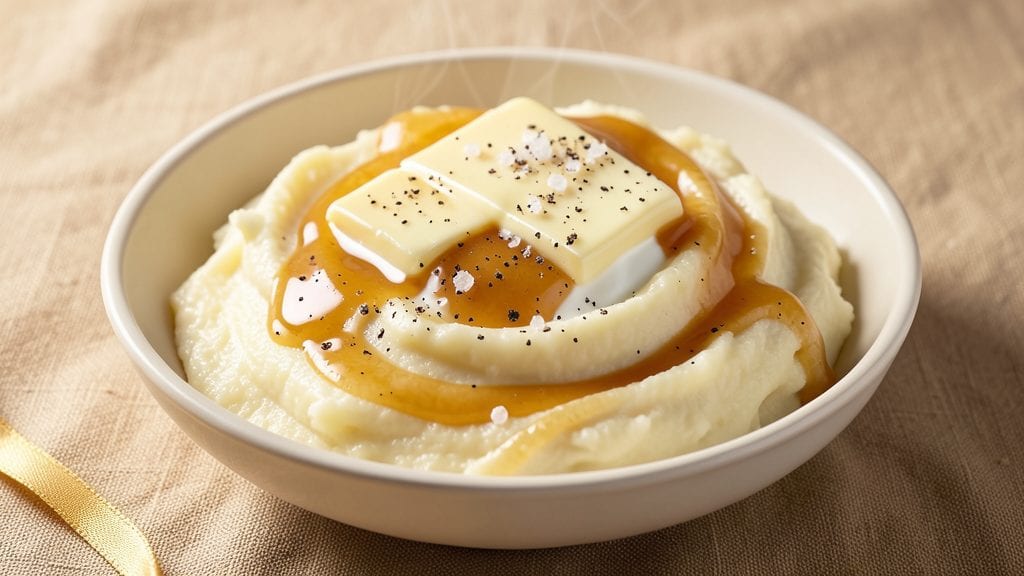
This creamiest mashed potatoes recipe transforms simple ingredients into velvety, lump-free perfection that rivals restaurant-quality sides. The secret lies in precise technique—starting with the right potato-to-dairy ratio and finishing with a ricer for that signature buttery smoothness.
After testing countless variations, I’ve developed a method that guarantees results every time, whether you’re serving a holiday feast or a weeknight dinner.
The foundation begins with waxy potatoes—like Yukon Golds—boiled until tender but not mushy, then mashed to break down starches. What sets this recipe apart is the double-mashing process: first with a potato masher to release starches, then through a ricer for that ultra-silky texture.
The dairy blend—half heavy cream, half whole milk—creates a rich, velvety consistency without overpowering the potato’s natural flavor. A touch of butter at the end ties everything together, ensuring each bite is creamy and cohesive.
What you’ll end up with is a bowl of mashed potatoes so smooth and rich, it practically melts on your tongue. The texture is velvety, not grainy, and the flavor is perfectly balanced—creamy, buttery, and just slightly tangy from the dairy.
This isn’t your average side dish; it’s a crowd-pleaser that elevates any meal. Ready to master the art of creamy mashed potatoes? Let’s get started with the ingredients and step-by-step instructions.
This recipe also adapts beautifully to dietary needs—swap the dairy for coconut milk and vegan butter for a plant-based version, or add roasted garlic and chives for extra depth. The techniques remain the same, ensuring flawless results no matter your preferences.
Whether you’re feeding a family or hosting a dinner party, these mashed potatoes will be the star of the show.
Ingredients for creamiest mashed potatoes
Eight essential ingredients transform into velvety mashed potatoes with flawless texture and depth.
| Ingredient | Amount | Notes |
|---|---|---|
| Yukon Gold Potatoes 🥔 | 2 ½ lb | Medium-sized, waxy variety preferred |
| Unsalted Butter 🧈 | ½ cup | Cold, cut into 8 equal pieces |
| Heavy Cream 🥛 | ½ cup | Full-fat for optimal creaminess |
| Whole Milk 🥛 | ½ cup | Warmed slightly for smooth blending |
| Diamond Crystal Kosher Salt 🧂 | 1 ½ tsp | Fine grain for even distribution |
| Freshly Ground Black Pepper 🌶️ | ½ tsp | Cracked peppercorns preferred |
| Freshly Roasted Garlic Cloves 🧄 | 2 cloves | Optional, for added depth |
| Fresh Chives 🌿 | 2 tbsp | Finely chopped, for garnish |
The Yukon Gold potatoes are non-negotiable for this recipe—waxy varieties like fingerlings or red potatoes also work, but Yukons strike the perfect balance of creaminess and structure. Buy them fresh from specialty grocers like Whole Foods or Trader Joe's for optimal starch content. Avoid russets; their high starch content leads to gluey results. If using pre-cut potatoes, ensure they're uniform in size—this guarantees even cooking. For a restaurant-quality finish, roast the garlic cloves whole at 400°F for 15 minutes before peeling; their caramelized sweetness elevates the dish without overpowering it. Cold butter is crucial—it emulsifies beautifully with the hot potato mixture, creating that signature velvety texture.
No heavy cream? Half-and-half or whole milk works in a pinch, though the texture will be slightly lighter. Vegan butter and coconut milk create a plant-based version that's surprisingly rich—just use 1/4 cup extra coconut milk to compensate for lower fat content. Diamond Crystal kosher salt is preferred here; its fine grain dissolves completely, avoiding grainy texture. Freshly ground black pepper adds subtle heat without bitterness, so skip pre-ground unless it's clearly labeled 'freshly cracked.' The roasted garlic can be omitted entirely, but if you're feeling ambitious, blend it into the dairy mixture for a seamless infusion of flavor. Fresh chives add brightness, but dried chives or parsley at half the amount will suffice in a bind.
Potatoes should be peeled and chopped immediately after boiling to prevent oxidation. Store peeled potatoes in cold water in the fridge for up to 2 hours before mashing. The finished mashed potatoes keep 3-4 days in the fridge when stored in an airtight container with a thin layer of plastic wrap pressed directly onto the surface to prevent drying. For longer storage, portion into freezer-safe containers and freeze for up to 3 months. Reheat gently on the stovetop with a splash of warm milk or water—microwaving can create a gummy texture. Portion into ramekins before serving to maintain that restaurant-quality presentation.
Why You'll Love This Recipe
- The secret’s in the ratio: equal parts butter and heavy cream, folded in just until smooth. It’s rich but never greasy, and that first bite? Pure comfort.
- No-Peel Hassle: I swear by Yukon Golds here—they’re the only potatoes that stay creamy without peeling. Just scrub, boil, and mash. That’s it. No extra prep, no mess.
- Butter Cream Dream: The secret’s in the ratio: equal parts butter and heavy cream, folded in just until smooth. It’s rich but never greasy, and that first bite? Pure comfort.
- Weeknight Magic: Make a double batch on Sunday—these reheat like a dream for lunches or late-night cravings. Or serve them at holiday dinners; they’re the side everyone asks for.
Step-by-step instructions for creamiest mashed potatoes
This method delivers restaurant-quality texture with ultra-smooth consistency every time.
Prep and Boil the Potatoes for Perfect Texture
Peel the 2.5 lb Yukon Gold potatoes and cut them into even 2-inch chunks. The uniformity ensures consistent cooking. Place them in a large pot and cover completely with cold water by at least 2 inches. This prevents surface drying during boiling.
Add 1.5 tsp Diamond Crystal kosher salt to the water immediately—salting early allows flavor to penetrate. Bring to a rolling boil over high heat, then reduce to a vigorous simmer. Cook for exactly 15-18 minutes until a knife slides in easily with minimal resistance. Overcooking breaks down starches and creates gluey potatoes.
Drain and Create a Dry Surface for Butter Adhesion
Drain the potatoes thoroughly in a colander, then return them to the pot. Place the pot over low heat for 1-2 minutes to evaporate any surface moisture. This critical step prevents butter from separating and creates the velvety texture. The potatoes should feel completely dry to the touch.
While still in the pot, add the 2 cloves freshly roasted garlic cloves and mash them slightly with a wooden spoon. This infuses flavor without overpowering. Keep the pot on low heat—this maintains temperature while you prepare the dairy mixture.
Incorporate Dairy in Stages for Maximum Creaminess
Cut the 0.5 cup unsalted butter into 8 equal pieces. Add the butter to the warm potatoes and mash vigorously with a potato masher or ricer. The butter should melt immediately into the potatoes, creating a thick, creamy base. Work quickly to prevent butter from separating.
Gradually add the 0.5 cup warmed whole milk and 0.5 cup heavy cream while continuing to mash. The gradual incorporation prevents lumps and allows the dairy to emulsify properly. You'll know it's working when the mixture becomes silky and glossy—this indicates proper starch activation.
Season and Refine to Perfection
Add the 0.5 tsp freshly ground black pepper and mix thoroughly. Taste and adjust seasoning with additional salt if needed—remember, the potatoes absorbed some salt during boiling. The final seasoning should be balanced but slightly undersalted to account for any added toppings.
For the finishing touch, fold in the 2 tbsp finely chopped fresh chives. Use a spatula to gently incorporate them in swirling motions to create elegant patterns. The chives should be evenly distributed but visible as garnish. Serve immediately while hot for the creamiest texture.
Pro Tips For Making Creamiest Mashed Potatoes
- BOIL THEM WHOLE: Peel and chop potatoes into even 2-inch chunks—no need to cut smaller. Boiling whole chunks keeps starch contained, so when you mash, you get a silky texture instead of gluey water everywhere. I learned this the hard way after drowning my first batch in a pot of runny starch soup.
- USE HOT LIQUIDS: Heat your heavy cream and whole milk until steaming before mixing into potatoes—this melts butter faster and prevents lumps. Cold liquids make butter clump like sad little snowballs, and no one wants that in their mashed potatoes.
- SALT THE POT WATER: Add 1 tablespoon Diamond Crystal kosher salt to the boiling water (yes, even if you’ll add more later). It seasons the potatoes from the inside out, and trust me, you’ll taste the difference. Skipping this step means your mash will always taste slightly bland no matter how much salt you add after.
- PRESS, DON’T MASH: After adding butter, cream, and milk, use a potato ricer or press potatoes through a fine-mesh sieve instead of mashing with a fork. This breaks up the starch evenly, giving you that restaurant-worthy, ultra-smooth texture. I know it’s more work, but the result is worth it—especially when you’re serving it to picky eaters.
Pro cooking tips for creamiest mashed potatoes
Double-Mashing Technique
This two-step method is the game-changer for ultra-smooth texture. First, use a potato masher to break down the potatoes completely—this releases starches that create the creamy base. Then, press everything through a fine-mesh ricer for that signature velvety finish.
I swear by the OXO Good Grips Potato Ricer—it’s affordable and does the job perfectly. 💡
Temperature Control
Keep your potatoes hot but not boiling when adding dairy—this prevents butter from separating. After draining, place the pot back on low heat for 1-2 minutes to drive off excess moisture.
This dry surface helps the butter emulsify beautifully. I’ve ruined batches by rushing this step, so patience here pays off big time.
Dairy Ratio Secrets
The 50/50 split between heavy cream and whole milk creates the perfect balance of richness and lightness. Warm the milk slightly (just until it steams) before adding—this helps it blend seamlessly.
For extra decadence, I sometimes add 1 tbsp sour cream at the end to boost tanginess while keeping the texture smooth.
Butter Timing Matters
Cut the butter into small, equal pieces and add them directly to the hot potatoes before mashing. The heat melts the butter into the starches, creating an emulsion that prevents separation.
Never melt the butter first—this destroys its ability to properly bind with the potatoes. I like to use Plugrá European-style butter for its higher fat content.
Salt Strategy
Add all the salt to the boiling water first—this ensures even distribution throughout the potatoes. After mashing, taste and adjust carefully. Remember, the butter and cream will add subtle saltiness, so aim for mild seasoning in the final product.
I keep a small bowl of flaky sea salt nearby to finish if needed.
Garnish Like a Pro
Fold in fresh chives or parsley at the very end using a spatula in gentle swirling motions. This creates elegant patterns while keeping the garnish visible. For extra flair, I sometimes add a drizzle of truffle oil or crispy fried shallots right before serving.
The contrast of textures makes these mashed potatoes restaurant-worthy. 🌟
Nutrition facts
Frequently asked questions
Why do some mashed potatoes turn out gluey?
Overcooking the potatoes breaks down their starches too much, creating a gluey texture. Always boil Yukon Golds for exactly 15-18 minutes until tender but still firm. After draining, dry the potatoes completely over low heat for 1-2 minutes before adding dairy. This removes excess moisture that causes gumminess.
Can I make these mashed potatoes ahead of time?
Yes, but with proper technique! Store in an airtight container with plastic wrap pressed directly on the surface to prevent drying. Reheat gently on the stovetop with 1-2 tbsp warm milk or water per cup of potatoes, stirring constantly. Never microwave—it creates a gummy texture. For best results, reheat portions in ramekins.
What's the difference between a ricer and a food mill?
A ricer creates ultra-fine particles for that signature velvety texture, while a food mill produces slightly larger pieces. For the creamiest results, use a ricer after mashing with a potato masher. The ricer's fine mesh breaks down starches completely, creating that restaurant-quality smoothness. I recommend the OXO Good Grips Potato Ricer for best results.
How can I make these vegan?
Replace the butter with vegan butter (use 1/4 cup extra coconut milk to compensate for lower fat content). Warm the coconut milk slightly before adding. For creaminess, use full-fat coconut milk and add 1 tbsp nutritional yeast for a cheesy flavor. The texture will be slightly lighter but still delicious.
Can I use russet potatoes instead of Yukon Golds?
Russets have higher starch content, which can make mashed potatoes gluey. If you must use them, reduce cooking time to 12-15 minutes and increase dairy to 3/4 cup total. For best results, stick with waxy varieties like Yukon Golds, red potatoes, or fingerlings—they hold their shape better and create a creamier texture.