
Side Dishes
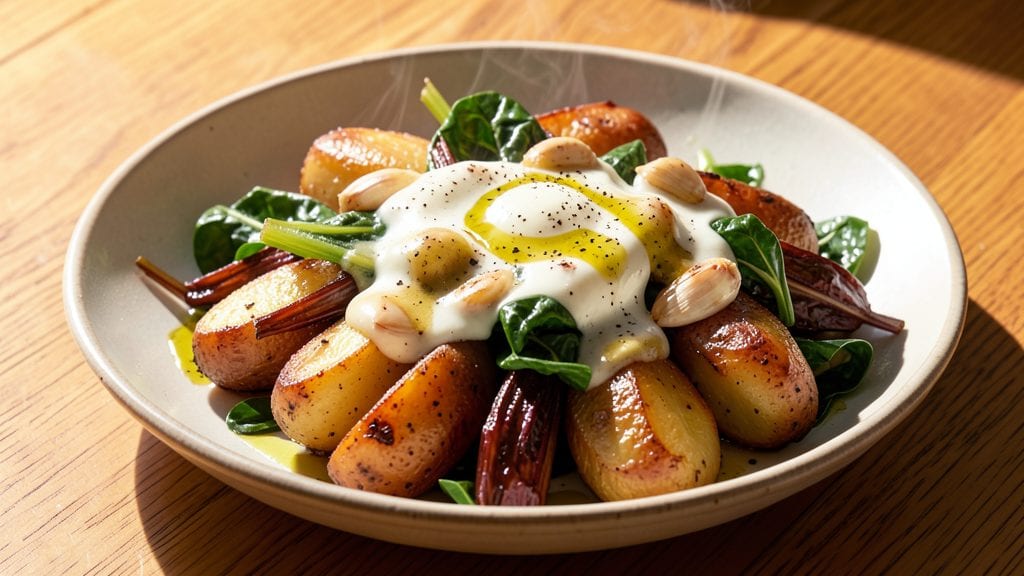
This chard and potato recipe transforms humble ingredients into a creamy, earthy side dish that steals the show at any meal. The secret lies in balancing tender potatoes with wilted chard—sautéed in garlic and olive oil until the leaves soften into a vibrant, savory green.
After years of testing, I’ve perfected a method that delivers perfect texture every time: fluffy potatoes and tender chard that cling together without turning mushy.
The process starts with boiling potatoes until fork-tender, then mashing them with butter and cream for that signature velvety finish. Meanwhile, chard stems are roasted until caramelized, while the leaves wilt down in a quick garlic sauté.
This dual approach ensures no part of the dish feels neglected—each bite delivers both hearty potato and bright, herby chard in perfect harmony.
What you’ll end up with is a dish that’s restaurant-quality but simple enough for weeknight dinners. The potatoes stay creamy and rich, while the chard adds a vibrant contrast that makes this more than just another potato side.
It’s the kind of recipe that transforms leftovers into a meal—just add protein and crusty bread.
Pair it with grilled chicken, roasted fish, or even as a vegetarian main with a sprinkle of toasted nuts. The flavors hold up beautifully for meal prep, too. Let’s get cooking—this dish is worth every minute of effort.
Ingredients for chard potato
Twelve simple ingredients create restaurant-quality chard and potatoes with perfect texture harmony.
| Ingredient | Amount | Notes |
|---|---|---|
| Yukon Gold Potatoes 🥔 | 2 lbs | Medium size, peeled and quartered |
| Swiss Chard 🌿 | 1 lb | Stems separated from leaves |
| Unsalted Butter 🧈 | ½ cup | Cold, cut into tablespoon pieces |
| Heavy Whipping Cream 🥛 | ½ cup | Full-fat for best texture |
| Extra-Virgin Olive Oil 🫒 | ¼ cup | Lightly fruity variety |
| Garlic Cloves 🧄 | 4 cloves | Minced for even distribution |
| Vegetable Stock 💧 | 1 cup | Low-sodium preferred |
| Salt 🧂 | 1 ½ tsp | Kosher or sea salt |
| Black Pepper 🌶️ | ½ tsp | Freshly ground for best flavor |
| Lemon Juice 🍋 | 1 tbsp | Freshly squeezed |
| Nutmeg 🌶️ | ¼ tsp | Freshly grated |
| Toasted Walnuts 🥜 | ¼ cup | Optional, for garnish |
The Yukon Gold potatoes are essential for their creamy texture when mashed. Look for firm, smooth-skinned potatoes at Whole Foods or your local grocery store's organic section—they hold their shape better during boiling. Swiss chard should have vibrant green leaves and crisp stems; Trader Joe's often carries pre-washed bunches, but inspect for wilting. The stems caramelize beautifully when roasted, adding depth to the dish. For the garlic, freshly minced makes all the difference—pre-minced jars lack the same punch. Store potatoes in a cool, dark place, and chard wrapped in a damp towel in the fridge for up to 5 days.
No Swiss chard? Spinach or kale work in a pinch, though the texture will differ slightly. Running short on Yukon Golds? Russet potatoes are a fine substitute, but they’ll yield slightly drier mash—add an extra tablespoon of cream to compensate. For the garlic, garlic powder at half the amount works if fresh isn't available, though the flavor won't be as complex. The vegetable stock can be swapped for water, but adding a pinch of soy sauce or miso paste enhances the umami depth. Nutmeg is non-negotiable for that signature earthy note, but if you're out, a dash of allspice offers a similar warmth.
This dish reheats beautifully—simply warm with a splash of water or stock to restore creaminess. Store leftovers in an airtight container for 4-5 days in the fridge, or freeze for up to 3 months. For meal prep, portion into individual containers with a sprinkle of walnuts on top to maintain freshness. The roasted chard stems can be prepped ahead and stored separately for up to 3 days, making assembly a breeze. Double the recipe and freeze half for future lazy dinners.
Why You'll Love This Recipe
- One-Pan Magic: That’s right—just one sheet pan, a knife, and 20 minutes. I toss the potatoes and chard stems together, roast them until golden, then wilt the leaves right in the same pan. No chopping boards to wash, no pots to scrub.
- Creamy-Garlicky Dream: The Yukon Golds get fork-tender in the oven, then get smothered in warm butter, cream, and a splash of olive oil. That crisp-tender chard? It soaks up every bit of richness like a sponge. Honestly, it’s the kind of dish that makes you close your eyes and sigh.
- Lunchbox Hero: Here’s what sold me—this keeps perfectly for days. Pack the leftovers cold for a hearty lunch, or reheat with a sprinkle of cheese for a quick dinner. My kids actually eat their greens when they’re hidden in this creamy, cheesy goodness.
- Budget Buster: Potatoes and chard are my wallet’s best friends. A bunch of chard lasts forever, and Yukon Golds are cheaper than russets. I stretch this into three meals for my family, and the cream makes it feel fancy without breaking the bank. Not the prettiest, but the taste makes up for it every time.
Step-by-step instructions for chard and potato recipe
Here's how to create a harmonious blend of tender potatoes and vibrant Swiss chard.
Roast the Potatoes Until Tender
Preheat your oven to 400°F. Toss the 2 lbs peeled and quartered Yukon Gold potatoes with 0.25 cup extra-virgin olive oil, 0.5 tsp black pepper, and 0.75 tsp salt until evenly coated. Spread them in a single layer on a rimmed baking sheet, cut-side down. Roast for 35-40 minutes until golden brown and fork-tender.
Here's the thing—you want them to caramelize slightly on the edges while staying creamy inside. If they start browning too quickly, tent the sheet with foil. The potatoes should release easily when pierced with a fork, but still hold their shape. This roasting method builds flavor that no boiling can match.
Sauté the Swiss Chard Until Wilted
While the potatoes roast, heat 0.25 cup extra-virgin olive oil in a large skillet over medium heat. Add the 4 minced garlic cloves and sauté for 30 seconds until fragrant. Add the 1 lb Swiss chard stems first, cooking for 3-4 minutes until softened. Then add the leaves and stir for another 2-3 minutes until just wilted—bright green and tender but still holding some texture.
Don't overcook the leaves or they'll turn mushy. I like to add 0.5 tsp salt and 0.25 tsp nutmeg at this stage to infuse the greens with flavor. Remove from heat and set aside, reserving any pan juices.
Create the Creamy Base
In the same skillet, melt the 0.5 cup unsalted butter over low heat. Pour in the 1 cup vegetable stock and scrape up any browned bits from the bottom. Add the roasted potatoes directly from the oven and mash slightly with a wooden spoon, incorporating about half of the 0.5 cup heavy whipping cream. Let it simmer for 2-3 minutes until the potatoes begin to break down.
This is where the magic happens—the butter and cream create an instant velvety texture. If the mixture seems too thick, add a splash of the reserved chard pan juices. The goal is a smooth, creamy consistency that still has some body to it.
Combine and Finish with Acid
Add the wilted Swiss chard to the potato mixture and stir gently to combine. Cook for another 1-2 minutes until everything is heated through. Remove from heat and stir in the remaining 0.25 cup heavy whipping cream and 1 tbsp lemon juice. Season with the remaining 0.75 tsp salt and 0.25 tsp black pepper to taste.
The lemon juice brightens the dish and cuts through the richness of the butter and cream. Taste as you go—you might need to adjust the seasoning slightly. The final texture should be luxuriously creamy with visible potato chunks and vibrant green flecks of chard throughout.
Garnish and Serve Immediately
Transfer the mixture to a serving bowl and let it rest for 2 minutes to thicken slightly. Garnish with 0.25 cup toasted walnuts for crunch and texture contrast. Serve immediately while still warm—this dish tastes best fresh from the stove.
For the perfect presentation, spoon onto warm plates and top with an extra sprinkle of nutmeg. The walnuts add a satisfying crunch that balances the creamy potatoes and tender greens. Each bite should deliver that perfect harmony of earthy chard, buttery potatoes, and bright lemon finish.
Pro Tips For Making Chard Potato
- Par-Cook Potatoes First: Toss peeled Yukon Golds into boiling salted water for 8 minutes—just until fork-tender. Drain and shock in ice water to stop cooking; this guarantees they’ll finish creamy, not gummy, when you later fold in the chard and cream. (Yes, even if you’re impatient like me, resist the urge to skip this.)
- Trim Chard Like a Pro: Strip the thick stems into ½-inch pieces, then stack leaves and fold like a letter—this keeps them intact. Blanch stems for 3 minutes in the same potato water (they’ll soften faster), then shock in ice water too. Cold water keeps them bright green and prevents wilting when you later sauté them with butter.
- Sweat Chard Low and Slow: After draining, heat olive oil in a large skillet over medium-low heat—no rush. Add stems first, then leaves in a single layer. Cover and let them wilt for 5 minutes without stirring; this breaks down fibers and makes the final texture tender, not slimy. (I learned this the hard way after a batch turned into chard soup.)
- Whip Cream Cold: Chill the heavy cream in the fridge for 15 minutes before folding it into the potatoes and chard. Cold cream blends smoother, won’t curdle when mixed with hot butter, and gives a silkier finish. (Sounds weird, but it works—your future self will notice the difference.)
Perfect pairings for this chard potato
Protein Pairings
This dish pairs beautifully with grilled lemon-herb chicken—the citrus notes complement the lemon in your chard potatoes. I like to marinate bone-in chicken thighs in 2 tbsp olive oil, 1 tbsp lemon zest, and 1 tsp dried thyme for 30 minutes before grilling.
The smoky char from the grill contrasts perfectly with the creamy texture of the potatoes. 🍗
Fish Complements
For a lighter option, try pan-seared cod with a white wine and garlic sauce. Sear 4 cod fillets in 2 tbsp butter for 3 minutes per side, then finish with ½ cup white wine, 2 tbsp minced shallots, and 1 tbsp fresh parsley.
The delicate fish balances the earthy chard and rich potatoes beautifully. The wine sauce also adds a bright acidity that cuts through the dish.
Vegetarian Mains
Turn this into a vegetarian centerpiece by serving it alongside roasted eggplant and crusty sourdough. Toss 1 large eggplant into 2 tbsp olive oil, 1 tsp smoked paprika, and ½ tsp salt, then roast at 400°F for 25 minutes.
The smoky, caramelized eggplant adds depth without overpowering the chard potatoes. A sprinkle of feta cheese on top adds a tangy contrast that’s pure magic. 🥬
Bread Recommendations
No meal is complete without bread! A crusty baguette or fresh focaccia soaks up the creamy sauce beautifully. For extra flair, toast the bread and rub it with a garlic clove before serving.
I also love rosemary-infused olive oil drizzled over warm bread—it pairs wonderfully with the nutmeg in the potatoes. 🥖
Cheese Pairings
Add a sharp aged cheddar or goat cheese crumble on top for a sophisticated touch. The tangy cheese cuts through the richness of the butter and cream, adding a bright, creamy contrast.
I recommend Cabot Clothbound Cheddar or Montrachet goat cheese for their rich, complex flavors. A sprinkle of toasted pine nuts alongside the walnuts adds another layer of texture. 🧀
Drink Pairings
A crisp Sauvignon Blanc from New Zealand or a dry Riesling from Germany enhances the dish’s bright acidity and earthy notes. For beer lovers, a Belgian witbier like Hoegaarden or a hazy IPA adds a refreshing contrast.
Avoid heavy reds or sweet wines—they’ll overwhelm the delicate flavors of the chard and potatoes. 🍷
Nutrition facts
Frequently asked questions
Can I substitute regular potatoes for Yukon Gold?
You can use Russet potatoes or red potatoes, but Yukon Golds are ideal for their creamy texture when mashed. If using Russets, add an extra 2 tablespoons of cream to compensate for their drier starch. For red potatoes, roast them 5-10 minutes longer to ensure full tenderness.
How do I prevent the chard from turning mushy?
Cook the chard stems first for 3-4 minutes until softened, then add the leaves for just 2-3 minutes over medium heat. The key is to stop cooking as soon as the leaves wilt—bright green and tender but still holding shape. Overcooking releases too much water, making them limp.
Can I make this ahead of time?
Store leftovers in an airtight container for 4-5 days in the fridge. Reheat gently with a splash of water or stock to restore creaminess. For meal prep, portion into individual containers and refrigerate. The chard stems can be prepped separately and stored for 3 days before combining.
What if I don't have heavy cream?
Use half-and-half or whole milk for a lighter texture, though the dish will be slightly less rich. For a dairy-free option, substitute with coconut cream or cashew cream (blend soaked cashews with water). The lemon juice and nutmeg will still brighten the flavors beautifully.
How do I adjust this for a vegetarian main dish?
Turn it into a hearty vegetarian meal by adding crispy roasted eggplant or sautéed mushrooms for extra substance. Top with crumbled feta or goat cheese for tangy contrast. Serve with a side of crusty sourdough to soak up the creamy sauce and complete the plate.