
Tips
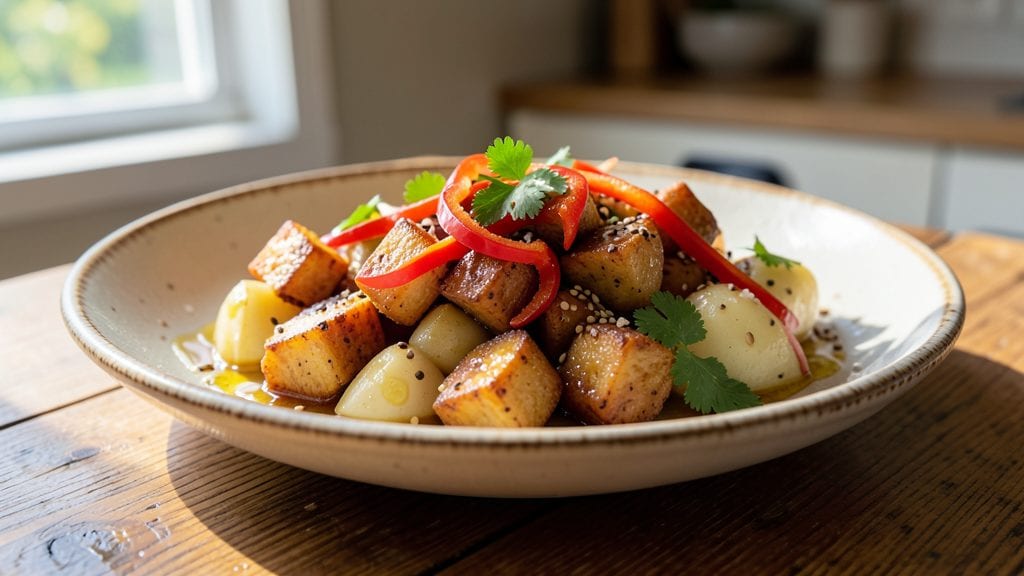
Cassava potato is a starchy root vegetable unrelated to true potatoes, offering a nutty, earthy flavor and higher resistance to drought, but requiring careful preparation to remove toxins before cooking. It’s a staple in tropical cuisines but differs in texture and nutritional profile.
This tropical root thrives where traditional potatoes struggle, thanks to its hardy nature and ability to grow in poor soil. 🌱 Unlike potatoes, which belong to the nightshade family, cassava is a member of the spurge family and contains natural toxins that must be removed through soaking, grating, or boiling before eating—making it a unique ingredient in global cuisines.
Once properly prepared, its mild, nutty flavor shines in everything from crispy fries to thick, dough-like staples like fufu or bammy. The texture varies from soft when boiled to chewy when fried, offering a completely different experience than potatoes—perfect for those seeking bold, earthy flavors with a nutritional twist.
💡 In This Article
- Cassava vs Potato: Key Botanical and Nutritional Differences
- Top 5 Culinary Uses for Cassava in Global Dishes
Cassava vs potato: key botanical and nutritional differences
Here's what sets these roots apart at the most fundamental level: cassava belongs to the Euphorbiaceae family (like poinsettias), while potatoes are Solanaceae (the nightshade family). This botanical difference means cassava stores its energy in a single, elongated tuber rather than multiple underground stems like potatoes.
The starch structure also differs—cassava contains 70-80% starch by weight, compared to potatoes' 15-20%, making it denser and more concentrated in carbohydrates.
The most critical distinction lies in cassava's natural toxins: cyanogenic glycosides like linamarin, which break down into toxic hydrogen cyanide when the root is damaged. Sweet cassava varieties contain 50-100 ppm of these compounds, while bitter varieties can have up to 1,000 ppm—enough to be lethal if consumed raw.
Potatoes, by contrast, contain no such toxins (though green potatoes develop solanine, a milder toxin). This is why cassava must always be processed: soaking, grating, or boiling for at least 30 minutes breaks down these compounds through enzymatic action.
Nutritionally, cassava packs a different punch. A 100-gram serving delivers 156 calories (vs. 77 in potatoes) but with only 0.4 grams of protein compared to potatoes' 2 grams. The real standout?
Cassava contains 2-3 times more vitamin C (19 mg vs. 8 mg) and significant amounts of dietary fiber (3.9 grams vs. 2.2 grams). However, it lacks the potassium and vitamin B6 found in potatoes—making them complementary rather than interchangeable ingredients.
Texture-wise, the differences become clear when cooked. Cassava's high starch content creates a dense, doughy texture when boiled (like fufu or bobolo), while potatoes develop a fluffy, granular structure.
When fried, cassava becomes chewier and crispier due to its lower moisture content—think Caribbean bammy or Brazilian pastel—whereas potatoes create a lighter, airier crisp. This structural difference explains why cassava works better in gluten-free baking: its starch granules gelatinize at 60-70°C (vs. potatoes' 55-65°C), creating a more stable binder.
The flavor profile adds another layer: cassava's earthy, slightly sweet taste comes from its high phenolic content (especially in bitter varieties), while potatoes offer a cleaner, more neutral starch base.
This is why cassava excels in savory dishes where depth is key—its nutty undertones complement spicy stews or fermented batters, whereas potatoes shine in buttery mashed dishes or light salads where subtlety matters.
What most people don't realize is how these differences affect cooking methods. Cassava's toxins require extended soaking in water (often with lime or vinegar to accelerate detoxification), while potatoes can be used raw in salads or roasted whole.
Cassava also doesn't sprout or turn green like potatoes, making it shelf-stable for months in tropical climates—though its starch degrades faster when cooked. The key takeaway? Cassava isn't just a potato substitute; it's a completely different culinary tool with its own rules and rewards. ✨