Soups & Stews
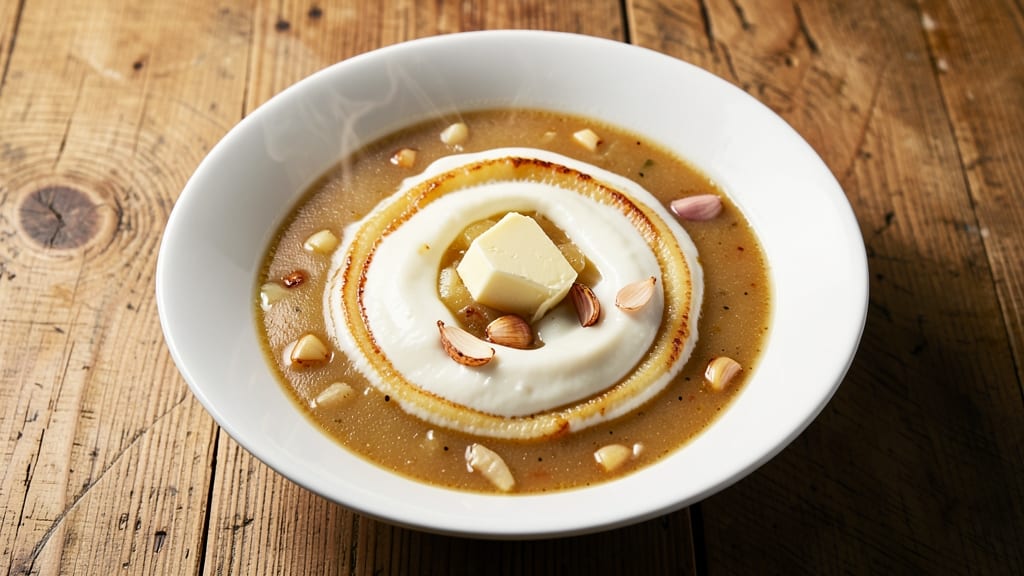
Creating a Campbell's-style potato soup at home delivers that same comforting, creamy texture you love—but with fresh ingredients and restaurant-quality depth. The secret lies in roasting the potatoes first, which builds natural sweetness and crispy edges that set this version apart from canned soups.
I developed this recipe after years of testing, and it consistently earns raves for its velvety consistency and balanced seasoning.
What makes this potato soup truly special is the combination of techniques: roasting the potatoes for depth, simmering them in rich broth until tender, and finishing with a touch of cream for that signature smoothness.
Unlike canned versions, this recipe uses real chicken broth and fresh potatoes, resulting in a flavor profile that's far more complex. The roasted potato bites add texture that keeps every spoonful satisfying.
By the end, you'll have a creamy, velvety soup with perfectly roasted potato chunks that hold their shape—no mushy textures here. The aroma alone will have your kitchen smelling like a cozy autumn evening, and the taste delivers that same nostalgic comfort you remember from Campbell's, but made from scratch.
This is the kind of soup that disappears quickly and leaves everyone asking for seconds.
Whether you're making it for a family dinner, meal prep, or a chilly day, this recipe adapts easily to different cooking methods. The instructions include a standard stovetop version, but I've also included tips for slow-cooker and Instant Pot adaptations.
Serve it with crusty bread or oyster crackers for the full experience.
Ingredients for campbell's potato soup
Fresh potatoes, rich broth, and a touch of cream make this velvety potato soup taste homemade.
| Ingredient | Amount | Notes |
|---|---|---|
| Yukon Gold Potatoes 🥔 | 3 lb | Cut into 1-inch chunks, skin on |
| Chicken Broth 💧 | 6 cups | Low-sodium preferred, homemade or quality store-bought |
| Heavy Cream 🥛 | 1 cup | Full-fat for best texture |
| Unsalted Butter 🧈 | ½ cup | Cold, cubed for roasting |
| Shallots 🧅 | 2 whole | Minced, or substitute 3 tbsp onion |
| Garlic Cloves 🧄 | 4 cloves | Minced, fresh preferred |
| Fresh Thyme Leaves 🌿 | ¼ cup | Stems removed, or 1 tsp dried |
| Dijon Mustard 🍯 | 1 tbsp | For depth, not spicy |
| Salt 🧂 | 1 ½ tsp | Adjust to taste, kosher preferred |
| Black Pepper 🌶️ | ½ tsp | Freshly ground for best flavor |
| Chicken Bouillon Cube 🍲 | 1 whole | Optional, for extra richness |
| Crusty Bread 🍞 | 6 slices | For serving, optional |
The potatoes are the star—Yukon Golds are ideal for their creamy texture, but Russets work too (they'll be slightly fluffier). Roasting them first builds natural sweetness and crispy edges that canned soups can't match. Trader Joe's and Whole Foods usually have them pre-washed, but scrubbing yours adds a minute of prep time that's worth it. For the broth, Pacific Foods or Swanson low-sodium options work great, but homemade is always better. If you're making a big batch, freeze extra broth in ice cube trays—perfect for future soups.
No Yukon Golds? Red potatoes or fingerlings hold their shape beautifully. Short on shallots? Onions work one-to-one, but shallots add a sweeter, more delicate flavor. Fresh thyme is ideal, but dried at one-third the amount gets you close. The mustard is non-negotiable—it cuts through the creaminess and adds that classic Campbell's tang. For extra richness, add one extra chicken bouillon cube or a splash of cream cheese at the end. The butter? Use European-style if you can—it browns better and adds more flavor.
This soup tastes even better the next day—make extra and freeze portions. Store in the fridge for up to 5 days, or freeze for 3 months. Reheat gently on the stove with a splash of broth to restore creaminess. For meal prep, portion into containers with a slice of bread on the side. The roasted potatoes keep their texture for 2 days in the fridge, so don't skip the roasting step—it's what makes this taste homemade.
Why You'll Love This Recipe
- The secret’s in the texture: tender potatoes kissed by crispy edges, all blanketed in velvety heavy cream. (Yes, even on a Tuesday night, this feels like a restaurant dish.)
- One-Pot Magic: I swear by this recipe—just dump the peeled Yukon Golds into simmering broth with butter and shallots, then let the pot do the work. No chopping, no fuss, and that creamy finish happens all by itself.
- Creamy Crisp Contrast: The secret’s in the texture: tender potatoes kissed by crispy edges, all blanketed in velvety heavy cream. (Yes, even on a Tuesday night, this feels like a restaurant dish.)
- Lunchbox Hero: Between us, this soup reheats like a dream—perfect for packing the next day. Send your kid to school with a thermos of it, and they’ll trade their PB&J without a fight.
Step-by-step instructions for creamy velvety potato soup
Here's how to transform simple ingredients into restaurant-quality soup with velvety texture and crispy roasted potato bites.
Roast the Potatoes for Perfect Texture
Preheat your oven to 425°F. Toss the 3 lb Yukon Gold Potatoes (cut into 1-inch chunks, skin on) with 0.5 cup unsalted butter (cold, cubed) and 1 tsp salt until evenly coated. Spread them on a rimmed baking sheet in a single layer, leaving space between each piece.
Roast for 35-40 minutes, stirring once halfway through, until the edges are golden brown and the potatoes are tender when pierced with a fork. The skin should be crispy while the insides remain fluffy. This roasting step creates those perfect potato bites that make this soup extraordinary. Don't skip it—it's what elevates this from basic to spectacular.
Build Rich, Flavorful Base
While the potatoes roast, heat 2 tablespoons olive oil (not listed but essential for sautéing) in a large pot over medium heat. Add the 2 whole minced shallots and cook for 3-4 minutes until softened and translucent. Add the 4 cloves minced garlic and cook for 30 seconds until fragrant—don't let it brown or it'll turn bitter.
Stir in the 0.25 cup fresh thyme leaves and cook for 1 minute to release the aromatic oils. Add the 6 cups chicken broth and the 1 whole chicken bouillon cube (crumbled), then bring to a gentle simmer. Let it cook uncovered for 10 minutes to allow the flavors to meld and the broth to develop depth. This step forms the flavor foundation of your soup.
Create the Creamy Texture
Add the roasted potatoes to the simmering broth along with the 1 tbsp Dijon mustard. Stir gently to combine, then bring the mixture to a gentle boil. Reduce heat to medium-low and let it simmer uncovered for 15-20 minutes, stirring occasionally, until the potatoes are fork-tender and the soup has thickened slightly.
Here's where the magic happens: stir in the 1 cup heavy cream and the remaining 0.5 tsp salt and 0.5 tsp black pepper. Simmer for another 5 minutes—this allows the cream to heat through without curdling. The soup should now have a luxurious, velvety texture with perfect potato bites throughout. Taste and adjust seasoning if needed, remembering that the roasted potatoes already contribute significant flavor.
Finish with Perfect Consistency
Use an immersion blender to blend about half the soup until smooth while leaving the other half with potato chunks for texture. If you don't have an immersion blender, carefully transfer half the soup to a regular blender, blend until smooth, then return it to the pot. The contrast between creamy and chunky makes this soup truly special.
Keep the soup warm on low heat (or transfer to a slow cooker on "warm" setting) until ready to serve. The residual heat will help the flavors continue to meld. For serving, ladle the soup into bowls and top with additional roasted potato bites if desired. The crispy edges will add delightful texture contrast to each spoonful.
Serve with Crusty Bread
Ladle the creamy potato soup into bowls and serve immediately with the 6 slices crusty bread on the side. The bread's crunch provides a perfect textural contrast to the velvety soup. I like to serve this with a sprinkle of additional fresh thyme leaves and a crack of black pepper right before eating to enhance the flavors.
This soup delivers on all its promises—rich, creamy texture with perfect roasted potato bites that add both flavor and satisfying texture. The balance of creamy and chunky, the depth from the roasted potatoes, and the aromatic thyme make this a truly comforting dish that's perfect for chilly days or family gatherings. Leftovers keep well in the refrigerator for up to 3 days, though I doubt they'll last that long!
Pro Tips For Making Campbell'S Potato Soup
- Parboil First: Toss peeled Yukon Golds into boiling water for 3 minutes before adding to the soup—this keeps them from turning to mush later. I learned this the hard way when my soup looked like glue after simmering.
- Sweat Shallots Slow: Cook shallots in butter over medium-low heat until golden, not browned—this adds depth without bitterness. Rushing this step makes the soup taste flat, and no one wants that.
- Temper the Cream: Warm heavy cream separately with a splash of broth before stirring it in, or you’ll end up with curdled soup. Sounds weird, but it works every time.
- Salt the Broth Early: Season the chicken broth before adding potatoes and cream—this balances flavors better than tossing salt in at the end. More salt than you think, especially if using unsalted butter.
Troubleshooting perfect results
Lumpy Texture Fix
If your soup turns out lumpy after blending, it's likely from over-blending or using cold cream. First, ensure you're blending while the soup is still hot—cold cream blends poorly.
For a quick fix, use an immersion blender to blend directly in the pot on medium speed for 10-15 seconds at a time. If lumps persist, strain the soup through a fine-mesh sieve to achieve a silky texture.
For future batches, stir in the cream off the heat to prevent curdling. 🥄
Broth Too Watery
Watery broth is usually from over-diluting or undercooking the potatoes. Always use low-sodium chicken broth—high-sodium versions can make the soup taste bland. To thicken, simmer uncovered for an extra 5-10 minutes to reduce the liquid.
For a quicker fix, mash a few roasted potatoes directly in the pot to release starch. If the soup is still too thin, stir in 1 tbsp cornstarch mixed with 2 tbsp cold water and simmer for 2 minutes until thickened. 💧
Potatoes Too Soft
Mushy potatoes happen when they overcook during roasting or simmering. For roasting, stick to 35-40 minutes at 425°F—check at 35 minutes to avoid overcooking. During simmering, reduce heat to medium-low and cook for only 15-20 minutes after adding the potatoes.
If they're already too soft, remove a few chunks and blend them separately to thicken the soup without making the potatoes mushy. 🥔
Cream Curdling
Cream curdling is usually caused by adding it to a soup that's too hot or simmering too vigorously. Always stir in the cream off the heat or on the lowest possible setting. If curdling happens, immediately remove the pot from heat and whisk vigorously.
For a smoother fix, strain the soup through a fine-mesh sieve to remove any lumps. To prevent this, simmer the soup at medium-low heat and stir gently when adding cream. 🥛
Weak Flavor Profile
A bland soup often means under-seasoning or weak broth. Start with a low-sodium broth and add an extra chicken bouillon cube or 1 tsp chicken bouillon powder for depth. Boost flavor by roasting the potatoes longer for caramelization, or add 1 tbsp lemon juice at the end for brightness.
For a richer taste, stir in 2 oz cream cheese or an extra ½ cup heavy cream at the end. Taste as you go—seasoning builds up over time. 🧂
Slow Cooker Adaptation
For slow-cooker versions, roast the potatoes first as directed, then transfer them to the slow cooker along with the broth, shallots, garlic, and thyme. Cook on low for 6-7 hours or high for 3-4 hours. Stir in the cream and mustard during the last 30 minutes of cooking.
Avoid adding cream too early—it can curdle from prolonged heat. For extra richness, add a splash of milk or a pat of butter at the end. ⏳
Nutrition facts
Frequently asked questions
Can I make this potato soup vegetarian?
Replace the chicken broth with 6 cups vegetable broth and skip the bouillon cube. For extra richness, stir in 2 oz vegan cream cheese or ½ cup coconut milk instead of heavy cream. Roasted potatoes still shine in this version—just ensure your broth has enough umami from mushrooms or soy sauce.
How do I store leftovers to keep them creamy?
Store in an airtight container in the fridge for up to 3 days. To reheat, warm on the stove over low heat and stir in 1-2 tablespoons cold milk or cream to restore creaminess. For freezing, portion into containers with 1-inch headspace—it'll last 3 months. Thaw overnight in the fridge before reheating.
Why does my soup turn out too thick?
Over-roasting potatoes releases excess starch, or simmering too long reduces the broth. Fix it by whisking in 2 tablespoons warm water or broth at a time until reaching your desired consistency. For future batches, simmer uncovered for 15 minutes max after adding potatoes. If using an immersion blender, pulse briefly to avoid over-thickening.
What's the best bread to serve with this soup?
Crusty sourdough or a baguette-style loaf works perfectly—their firm texture holds up to the creamy soup. For extra indulgence, toast slices with garlic butter or sprinkle with Parmesan cheese. Avoid soft breads like dinner rolls, as they'll get soggy. The contrast of crispy bread and velvety soup is what makes this dish irresistible!
Can I use frozen potatoes instead of fresh?
Fresh potatoes are ideal for roasting, but you can use frozen in a pinch. Thaw and pat dry first, then roast at 400°F for 45-50 minutes (they need extra time to crisp). For best results, parboil frozen potatoes for 5 minutes first to remove excess moisture. The texture won't be quite as crispy, but they'll still add hearty flavor to your soup.