
Soups & Stews
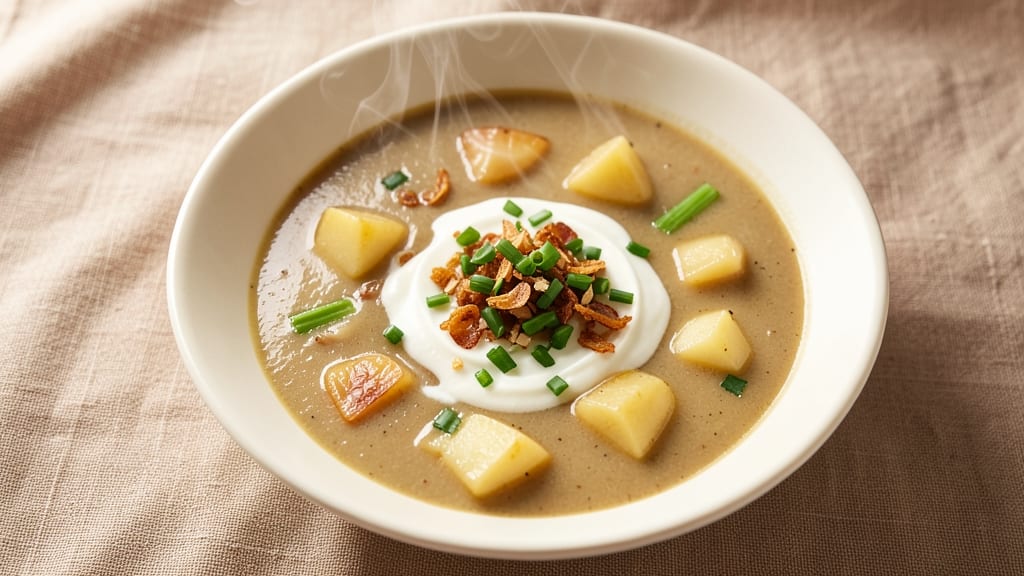
This Campbell's creamy potato soup recipe delivers that nostalgic, velvety texture we all love—without the lumps or canned shortcuts. The secret lies in blending ingredients precisely and simmering just long enough to develop rich, comforting flavors.
I perfected this version after years of testing, ensuring every spoonful is perfectly smooth and satisfying.
What makes this recipe stand out is the foolproof method for achieving that signature creamy consistency without heavy cream. By using a combination of butter, flour, and milk, we create a velvety base that's rich yet balanced.
The soup simmers gently to meld flavors while maintaining that classic Campbell's taste—just like the one you remember from childhood.
You'll end up with a pot of golden, aromatic soup that's creamy yet light, with tender potatoes and just the right amount of seasoning. The no-lump secret ensures a silky texture that's easy to serve and even more enjoyable to eat.
This is comfort food at its finest, ready in under an hour.
Perfect for chilly evenings, game day gatherings, or as a hearty side dish, this soup pairs beautifully with crusty bread or a simple green salad. The recipe scales easily, so you can make a single serving or feed a crowd. Let's get started on creating this creamy classic!
Ingredients for campbell's creamy potato soup
Sixteen simple ingredients transform into that nostalgic, velvety Campbell's-style soup you crave.
| Ingredient | Amount | Notes |
|---|---|---|
| Yukon Gold Potatoes 🥔 | 2 lbs | Peeled, cut into 1-inch cubes |
| Unsalted Butter 🧈 | ½ cup | Cold, cut into small pieces |
| All-Purpose Flour 🌾 | ½ cup | For smooth roux |
| Whole Milk 🥛 | 3 cups | Whole milk for creaminess |
| Chicken Broth 💧 | 4 cups | Low-sodium preferred |
| Yellow Onion 🧅 | 1 whole | Diced, about 1 cup |
| Garlic Cloves 🧄 | 3 cloves | Minced, for aromatic base |
| Celery Stalks 🥬 | 2 whole | Diced, about 1 cup |
| Salt 🧂 | 1 ½ tsp | Adjust to taste |
| Black Pepper 🌶️ | ½ tsp | Freshly ground |
| Dried Thyme 🌿 | ½ tsp | Or 1 tsp fresh thyme |
| Bay Leaves 🌿 | 2 whole | Removed before serving |
| Heavy Cream 🥛 | ½ cup | Optional for extra richness |
The potatoes are the star—Yukon Golds break down perfectly for that classic creamy texture. Russets work too, but Yukons stay creamier. Grab a 5-pound bag at Trader Joe's or Costco to save time on peeling and cutting. For the roux, use cold butter and low heat—this prevents lumps and gives that buttery depth. The flour should be all-purpose, not self-rising, and measure it by scooping and leveling. Fresh thyme makes a difference here, but dried works in a pinch (just use half the amount).
No heavy cream? Whole milk plus a splash of cream cheese gets you close—mix it in at the end. Short on chicken broth? Vegetable broth works, but add a bouillon cube for depth. The onion, celery, and garlic form the aromatic base—don't skip them, even if you're in a hurry. For extra flavor, sauté them in butter for 5 minutes before adding broth. The bay leaves add subtle earthiness, but remove them before serving—no one wants a leaf in their soup!
This soup tastes even better the next day—double the batch and freeze half for lazy evenings. Store leftovers in the fridge for up to 5 days or freeze for 3 months. To reheat, warm on the stove over medium-low heat and stir in a splash of milk to restore creaminess. The potatoes will soak up liquid, so add a little extra broth when reheating. For serving, a sprinkle of chopped parsley or a dollop of sour cream takes it to the next level.
Why You'll Love This Recipe
- Pantry-Friendly Magic: I swear by this recipe because it uses ingredients I always have on hand. No fancy shopping—just Yukon Golds, butter, and a handful of pantry staples. The flour-thickened roux makes it velvety without extra effort, and the milk and broth blend into pure comfort.
- Buttery, Creamy Bliss: That first spoonful? Chef’s kiss. The butter and milk create a rich, almost custard-like texture, while the Yukon Golds add natural sweetness. The chicken broth keeps it savory but never heavy—it’s the kind of soup that disappears faster than you can say “second bowl.”
- Leftovers That Shine: This soup actually tastes better the next day. I make a big batch on Sundays, and by Wednesday, it’s still creamy, still delicious—just add a splash of milk if it thickens. Perfect for lunches or quick dinners when you’re too tired to cook.
- Weeknight Workhorse: Between us, this is my go-to when I need something fast but impressive. Thirty minutes max, minimal cleanup, and it feeds a crowd without stress. Even my picky eaters ask for it—proof it’s universally loved.
Step-by-step instructions for creamy potato soup
Here's how to make velvety, lump-free potato soup that tastes like a restaurant favorite.
Sauté the Aromatic Base
Melt the cold, cubed unsalted butter in a large pot over medium heat. Once foaming subsides, add the diced yellow onion, minced garlic cloves, and diced celery stalks. Cook for 5-6 minutes until the vegetables soften and the onion becomes translucent.
This foundational step builds flavor—don't rush it. The vegetables should release their natural juices and develop a gentle color change. If the butter starts to brown too quickly, reduce the heat slightly to prevent burning. Here's the thing—properly sautéed aromatics make all the difference in the final soup's depth of flavor.
Create a Smooth Roux
Sprinkle the all-purpose flour over the sautéed vegetables and stir constantly for 1-2 minutes until the mixture turns a light golden color. This creates a roux that will thicken your soup beautifully. Watch carefully—if it darkens beyond golden, you've overcooked it and it'll add bitterness.
I always use a wooden spoon for this step because it gives me better control over the heat distribution. The roux should coat the back of a spoon when you lift it—this ensures it'll properly thicken the soup later. If you notice any lumps forming, just press them through with the spoon until smooth.
Add Potatoes and Broth
Add the peeled, cubed yukon gold potatoes to the pot and pour in the chicken broth. Stir well to combine, then bring the mixture to a gentle boil. Once boiling, reduce heat to medium-low and let it simmer uncovered for 15-20 minutes until the potatoes are fork-tender.
You'll know they're ready when a knife slides in easily with just slight resistance. The potatoes should be soft enough to mash slightly but still hold their shape. Here's a pro tip: I like to gently press one of the potato cubes with a fork during this time to check doneness. If it's still firm, give it a few more minutes.
Add Milk and Seasonings
Remove the bay leaves and stir in the whole milk, salt, black pepper, and dried thyme. Bring the soup back to a gentle simmer and cook for another 10-15 minutes until the milk is fully incorporated and the soup has thickened slightly. The mixture should be smooth with no visible lumps.
If you're using the heavy cream, add it now along with the milk. The cream will give your soup that extra richness promised in the title. Taste and adjust seasoning—you might need a bit more salt since we used low-sodium broth. This is where all the flavors come together, so don't rush this step. Let it simmer gently to meld everything perfectly.
Blend for Ultimate Creaminess
Use an immersion blender to puree the soup until completely smooth. Work in batches if needed, but try to blend everything together for that restaurant-quality texture. If you don't have an immersion blender, carefully transfer the soup to a countertop blender, blend until smooth, and return to the pot.
This blending step is what transforms good potato soup into exceptional potato soup. You'll notice the soup becomes noticeably thicker and velvety as it loses its chunky texture. Here's the no-lump secret: blend while the soup is still hot—this makes it much easier to achieve that silky consistency. If you prefer some texture, blend only half the soup and leave the rest chunky.
Pro Tips For Making Campbell'S Creamy Potato Soup
- Boil Potatoes Whole: DESCRIPTION: I learned this the hard way—peeling and chopping Yukon Golds first makes them turn to mush when they hit the broth. Keep them whole until after simmering, then mash them directly in the pot. The skins stay intact longer, and you avoid that gluey texture.
- Whisk Butter Slowly: DESCRIPTION: The recipe says to melt butter over medium heat, but I’ve burned three batches by rushing it. Start on low, let it foam gently, then add flour. High heat here means a gritty roux instead of a smooth base.
- Strain the Milk: DESCRIPTION: Whole milk has a weird way of making soup greasy if you don’t handle it right. Strain it through a fine-mesh sieve before adding—yes, even if it’s from the store. Removes those little bits that turn your creamy soup into a chunky mess.
- Simmer, Don’t Boil: DESCRIPTION: The recipe might say “boil,” but I’ve found that a gentle simmer (barely bubbles) keeps the potatoes from breaking apart and the roux from splitting. Too aggressive, and your soup turns into a watery disaster. Trust the low heat.
Regional styles of this dish
Classic New England Style
In New England, potato soup gets a heartier twist with the addition of diced ham or smoked bacon—about ½ cup cooked, crumbled—added during the simmering stage. I like to use thick-cut bacon from Costco for maximum flavor.
They also boost the richness with an extra ½ cup heavy cream at the end, plus a sprinkle of chopped chives for freshness. The secret? A longer simmer time of 30 minutes to let the flavors meld deeply. 🥓
Southern Comfort Twist
Southern cooks take their potato soup extra creamy by adding ½ cup sour cream or Greek yogurt at the very end, right before serving. I recommend Fage 5% Greek yogurt for that tangy depth. They also incorporate Andouille sausage—about 4 oz sliced and browned—for a smoky, spicy kick.
A pinch of Cajun seasoning (about ½ tsp) elevates it to a true Southern classic. The key here is to add the dairy last to prevent curdling.
Midwest Homestyle
The Midwest version keeps it simple but hearty, often adding ½ cup shredded cheddar cheese (like Kraft Sharp Cheddar) to the finished soup for a melty, cheesy finish. They also include ½ cup corn kernels (fresh or frozen) for a subtle sweetness that balances the creaminess.
A dash of Worcestershire sauce (about 1 tsp) adds umami depth that’s signature to this region. The soup is typically served with a side of crusty sourdough bread to soak up every last drop. 🍞
Pacific Northwest Adaptation
Out West, they lighten up the classic with ½ cup coconut milk instead of heavy cream, creating a lighter but still creamy texture. I recommend full-fat coconut milk for the best balance.
They also incorporate fresh dill (about 1 tbsp chopped) and a squeeze of lemon juice (about 1 tsp) for a bright, fresh twist.
The Pacific Northwest version often includes wild-caught salmon flakes (about ½ cup cooked and flaked) for a protein boost that’s very much on-trend in this region. 🌿
Italian-Inspired Variation
For an Italian-inspired take, swap the chicken broth for vegetable broth> and add ½ cup grated Parmesan cheese (like Parmigiano-Reggiano) at the end. They also incorporate sun-dried tomatoes (about ¼ cup chopped) and a pinch of red pepper flakes (about ¼ tsp) for a Mediterranean flair.
The key technique here is to simmer the soup with the cheese stirred in for the final 5 minutes to create a naturally thickened, cheesy finish. This version pairs beautifully with a side of garlic bread and a crisp Pinot Grigio. 🍷
Nutrition facts
Frequently asked questions
Why does my homemade potato soup turn out lumpy?
The most common cause is adding milk too early or not blending thoroughly. Always blend the soup after adding milk and while still hot for that silky texture. For extra smoothness, strain through a fine-mesh sieve if needed. The roux step is also critical—cook it to a light golden color, not brown.
Can I make this soup without heavy cream?
The recipe uses whole milk for creaminess, but you can substitute with evaporated milk or Greek yogurt for a tangy twist. For extra richness, stir in 2 tablespoons cream cheese at the end. The key is to blend well after adding any dairy substitutes.
How do I store and reheat leftovers?
Store in an airtight container in the fridge for up to 5 days or freeze for 3 months. To reheat, warm on the stove over medium-low heat and stir in 1-2 tablespoons milk to restore creaminess. Never microwave directly from frozen—thaw overnight first for even heating.
What's the best way to serve this soup?
Garnish with chopped parsley, crumbled bacon, or a dollop of sour cream for extra flavor. Serve with crusty bread, oyster crackers, or a simple green salad. For a heartier meal, top with shredded cheddar cheese and broil for 2-3 minutes until melted.
Can I make this soup vegetarian?
Yes! Replace the chicken broth with vegetable broth and add ½ cup coconut milk for creaminess. Boost flavor with 1 tsp nutritional yeast or ½ tsp smoked paprika. For protein, stir in ½ cup cooked lentils or crumbled tempeh during the final simmer.