
Side Dishes
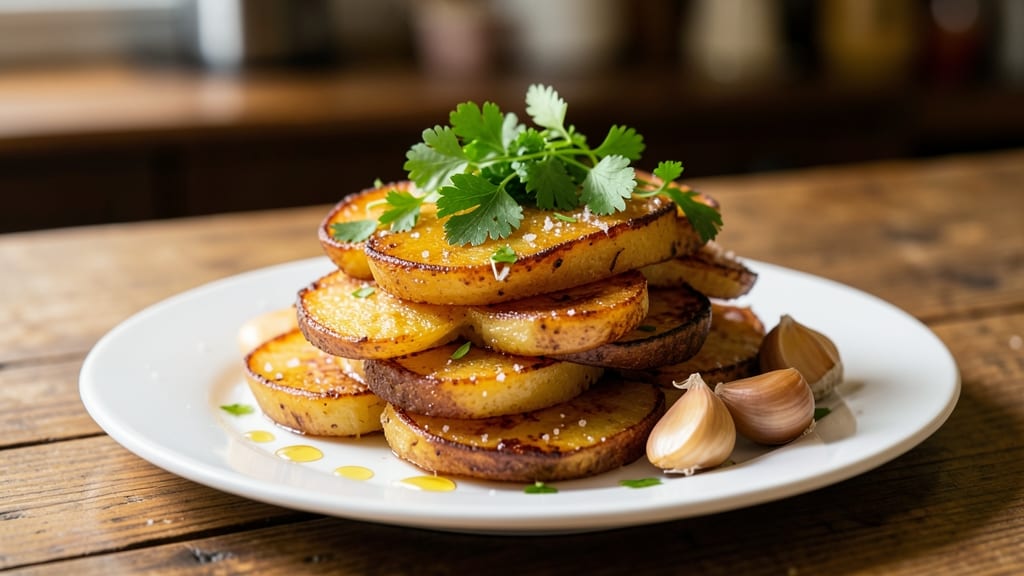
This Belgian-style Brabant potatoes recipe delivers crispy, vinegar-kissed spuds that taste like a trip to Brussels. The secret lies in their unique preparation—peeling, slicing, and frying until golden, then finishing with a tangy vinegar bath that sets them apart from ordinary potato dishes.
I first discovered this technique while researching authentic Belgian cuisine, and it quickly became a staple in my kitchen.
The process is straightforward yet yields restaurant-quality results. You'll start with Yukon Gold potatoes, sliced uniformly for even cooking, then fried in batches until perfectly crisp. A splash of vinegar at the end transforms them into something extraordinary—bright, crispy, and impossibly satisfying.
This dish pairs beautifully with grilled meats or fresh salads, making it versatile for any meal.
What makes Brabant potatoes truly special is their texture—crispy on the outside, tender within, with a subtle tang that cuts through richer dishes. The vinegar bath isn't just for flavor; it preserves that perfect crunch while adding a refreshing acidity.
Once you try them, you'll understand why this Belgian classic deserves a place in your regular rotation.
Serve them as a side dish or even as a snack—just warm them up before serving for that irresistible crunch. The recipe is simple, but the results are anything but ordinary. Let's get cooking!
Ingredients for brabant potatoes
Eight ingredients transform simple potatoes into Belgian restaurant-worthy crunch.
| Ingredient | Amount | Notes |
|---|---|---|
| Yukon Gold Potatoes 🥔 | 2 ½ lb | Uniformly sliced 1/4-inch thick |
| Vegetable Oil 🫒 | 3 cups | High smoke point for frying |
| White Vinegar 🍶 | ¼ cup | Distilled preferred for tang |
| Salt 🧂 | 1 ½ tsp | Diamond Crystal kosher preferred |
| Fresh Parsley 🌿 | ⅛ cup | Chopped, for garnish |
| Garlic Cloves 🧄 | 2 cloves | Minced, optional for depth |
| Black Pepper 🌶️ | ½ tsp | Freshly cracked for heat |
| Butter 🧈 | 2 tbsp | Unsalted, for finishing |
The Yukon Golds are non-negotiable—their waxy texture holds up perfectly to slicing and frying. Grab a 2.5 lb bag from Whole Foods or your local market, but avoid red potatoes (they turn mushy). Slice them uniformly—1/4-inch thick—using a mandoline for consistency. If you don’t have one, a sharp knife and steady hand work too. The vinegar matters just as much: distilled white vinegar (not apple cider) gives that classic Belgian tang. I always buy a bottle at Trader Joe’s—it’s cheap and lasts forever.
No Yukon Golds? Russet potatoes work in a pinch, but they’ll be slightly starchier. Short on vinegar? Lemon juice at half the amount adds brightness, though it won’t be identical. The butter at the end is optional but worth the extra minute—it adds richness that cuts through the vinegar’s sharpness. For garlic lovers, mince 2 cloves and toss them in with the parsley; skip it if you prefer a cleaner flavor. Pre-shredded cheese? Never. Freshly grated Parmesan (if you’re adding it) makes all the difference.
These keep for 3 days in the fridge, but they’re best served fresh. Reheat in a 350°F oven for 10 minutes to restore that crisp. For a crowd, double the batch—they disappear fast. Store in a single layer on a wire rack to maintain crispness. Leftovers? Toss them into salads or sandwiches for a tangy crunch. Trust me, they’re even better the next day.
Why You'll Love This Recipe
- One-Pot Magic: I swear by this for nights when I’m too tired to dirty multiple pans. Just slice those Yukon Golds, toss them in oil and vinegar, and let the oven do the work—no flipping, no fuss, just golden perfection.
- Tangy Crunch Alert: That vinegar bath? It’s the secret weapon. The potatoes get this addictive crispy edge while staying tender inside, and the parsley adds a fresh pop that makes every bite feel like a little celebration.
- Picnic or Potluck Hero: Between us, these are my go-to for gatherings. They travel well, stay crispy cold or at room temp, and honestly? No one ever skips seconds when they’re this easy to share—whether it’s a backyard BBQ or a last-minute office potluck.
- Budget-Friendly Staple: Yukon Golds are affordable, and a little oil and vinegar stretch this recipe far. I’ve made these feed six for under $8, and the leftovers? They reheat like a dream in the oven or air fryer—no soggy sadness here.
Step-by-step instructions for Belgian-style vinegar-kissed crunch
This method delivers crispy, vinegar-infused potatoes with a perfect balance of crunch and tang.
Prepare and Slice the Yukon Gold Potatoes
Start by thoroughly washing the 2.5 lb Yukon Gold potatoes to remove any dirt or debris from the skin. Using a sharp mandoline or knife, slice them uniformly into ¼-inch thick rounds. The consistency is crucial—thicker slices will take longer to cook through while thinner ones may burn before crisping. Arrange the slices on a clean kitchen towel and pat them completely dry with another towel. Any moisture left on the potatoes will prevent them from achieving that coveted crispy texture.
Real talk: I like to work in batches if needed, but keep the slices covered with a damp towel between batches to prevent them from drying out. The goal is perfectly dry potatoes going into the oil—this is the foundation of your crispy result. You'll know they're ready when the towel comes away completely dry and the slices look matte, not glossy.
Season and Fry the Potatoes in Stages
In a large, heavy-bottomed pot, heat 2 cups of the vegetable oil over medium heat until it reaches 350°F on a deep-fry thermometer. This temperature is critical—too low and the potatoes will absorb oil and become greasy; too high and they'll burn before cooking through. Add half of the potato slices in a single layer, being careful not to overcrowd the pot. This first fry will cook the potatoes through without browning.
Fry for 8-10 minutes, stirring occasionally, until the potatoes are tender when pierced with a fork but still pale in color. Remove them with a slotted spoon and drain on a wire rack or paper towels. Don't skip this draining step—the excess oil will prevent the potatoes from crisping properly in the second fry. Repeat with the remaining potato slices, maintaining the same oil temperature.
Create the Vinegar Kiss and Final Crisp
Increase the oil temperature to 375°F for the final crisp. Return the cooked potatoes to the pot in a single layer, being careful not to overcrowd. Add the 0.25 cup white vinegar and immediately begin stirring gently to distribute it evenly among the potatoes. The vinegar will sizzle and create steam, which helps develop that signature tangy flavor while also preventing the potatoes from sticking together.
Fry for 3-4 minutes, stirring occasionally, until the potatoes are deep golden brown and crispy. You'll notice the vinegar smell intensify—this is when the magic happens. The potatoes should be crisp enough to hold their shape but still tender inside. Remove them with a slotted spoon and drain once more on a wire rack to remove any excess oil.
Finish with Garlic Butter and Fresh Herbs
While the potatoes are still hot, transfer them to a large serving bowl. In a small saucepan, melt the 2 tbsp butter over low heat. Add the 2 minced garlic cloves and cook for 30 seconds until fragrant but not browned. Immediately pour this garlic butter over the hot potatoes and toss gently to coat evenly. The residual heat will create a beautiful sheen on the potatoes.
Sprinkle with the 0.125 cup chopped fresh parsley and the 0.5 tsp freshly cracked black pepper. Toss one final time to distribute the herbs and pepper evenly. The parsley adds a fresh contrast to the vinegar tang, while the pepper brings a subtle heat that balances the dish. Serve immediately while the potatoes are at their crispy peak—these won't wait!
Pro Tips For Making Brabant Potatoes
- PRE-SLICE THE POTATOES: Cut the Yukon Golds into ½-inch thick rounds before boiling—thinner slices crisp faster and absorb the vinegar tang more evenly. I used to boil them whole and ended up with uneven doneness; now they all hit that tender-crisp edge at the same time.
- BOIL IN SALTED WATER: Use a full tablespoon of salt per quart of water—this keeps the potatoes from turning mushy when they hit the oil later. I learned this the hard way after a batch of limp, sad potatoes that refused to crisp.
- DRY THEM THOROUGHLY: Pat the boiled potatoes completely dry with a kitchen towel before frying—even a little moisture will turn your crispy edges into soggy disappointment. I skip this sometimes, and the oil just hisses and sputters instead of browning.
- LOW AND SLOW IN OIL: Keep the oil at 350°F (175°C) and cook in small batches—rushing it with high heat gives you burnt outsides and raw centers. Sounds weird, but it works: patience here means perfect golden edges every time.
Common mistakes when making your brabant potatoes
Uneven Slicing
This is the #1 reason Brabant potatoes turn out uneven in texture. Using a sharp knife instead of a mandoline leads to inconsistent thickness—thicker slices stay pale inside while thinner ones burn before crisping. I recommend investing in a Mandoline Pro Plus from OXO for precision.
If you don’t have one, slice potatoes on a diagonal to create uniform thickness. Always measure slices with a ruler—aim for ¼-inch (±⅛-inch) tolerance. 🔪
Skipping the Double-Fry
The two-stage frying process is non-negotiable for authentic texture. Many home cooks try to shortcut by frying once at 375°F, but this creates greasy, unevenly cooked potatoes. The first fry at 350°F cooks them through while the second fry at 375°F develops the crisp.
If you’re short on time, use a deep fryer with temperature control—it maintains consistency better than stovetop pots.
Overcrowding the Pot
Packing too many potato slices into the oil causes them to steam instead of fry, leading to soggy results. The golden rule: leave 1-inch gaps between slices when frying. I use a 10-inch cast iron skillet for batches of 12-15 slices max.
If you’re working with a larger quantity, fry in two batches and maintain the same oil temperature between batches. A thermometer is your best friend here—never guess!
Using Wrong Vinegar
Apple cider vinegar or balsamic will completely alter the flavor profile of Brabant potatoes. The recipe calls for distilled white vinegar because it delivers that classic Belgian tang without fruity undertones. I stock up on Trader Joe’s brand—it’s affordable and consistent.
If you must substitute, use lemon juice at half the amount, but expect a brighter, less complex flavor. The vinegar should sizzle dramatically when added to hot oil—this reaction is what creates the signature crispy texture.
Not Draining Properly
Leaving excess oil on the potatoes after frying prevents them from achieving that perfect crunch. Always transfer fried potatoes to a wire rack or paper towels immediately after cooking. I like to use a slotted spoon to drain them, then shake off any remaining oil.
For extra crispiness, I even pat them dry with a clean kitchen towel before the final fry. This step is especially critical after the vinegar bath—excess moisture will make them soggy.
Rushing the Resting Time
Freshly fried Brabant potatoes need 2-3 minutes to rest before serving. This allows the vinegar to fully absorb and the texture to set. I often hear people complain that their potatoes lost crispiness—this is almost always because they served them immediately.
For parties, keep them warm in a 200°F oven on a wire rack (not a plate) until serving. The residual heat maintains crispness without steaming them.
Nutrition facts
Frequently asked questions
Why do Brabant potatoes need two frying stages?
The double-fry method creates their signature texture: the first fry at 350°F cooks them through while keeping them pale, and the second fry at 375°F develops that perfect golden crunch. Skipping this step results in greasy, unevenly cooked potatoes that lack the authentic Belgian texture. Think of it as a two-part transformation—first tenderizing, then crisping!
Can I make Brabant potatoes in an air fryer?
Yes, but with adjustments! Toss ¼-inch thick potato slices with 1 tbsp oil and air fry at 380°F for 12-15 minutes, shaking halfway. After crisping, transfer to a bowl, add 2 tbsp vinegar, and toss immediately. The texture won't be identical to deep-frying, but you'll still get a tangy, crispy result. Just expect slightly softer edges.
What’s the best way to reheat leftover Brabant potatoes?
Spread them on a wire rack and bake at 350°F for 10 minutes—this restores crispiness without steaming. Never microwave them! The moisture will turn them soggy. For extra crunch, sprinkle with a tiny bit of oil before reheating. They’re even better the next day—just warm them up before serving.
Are Brabant potatoes gluten-free?
This recipe uses only potatoes, oil, vinegar, salt, and herbs—all naturally gluten-free. Just double-check your vinegar label (some flavored varieties may contain additives). The dish is also dairy-free if you skip the butter finishing, making it safe for most dietary restrictions.
How do I store Brabant potatoes for later use?
Let them cool completely, then store in a single layer on a wire rack (not stacked) in an airtight container. They’ll keep for 3 days in the fridge. For longer storage, freeze them in a single layer on a tray before transferring to a bag—this prevents clumping. Thaw overnight in the fridge before reheating.