
Side Dishes
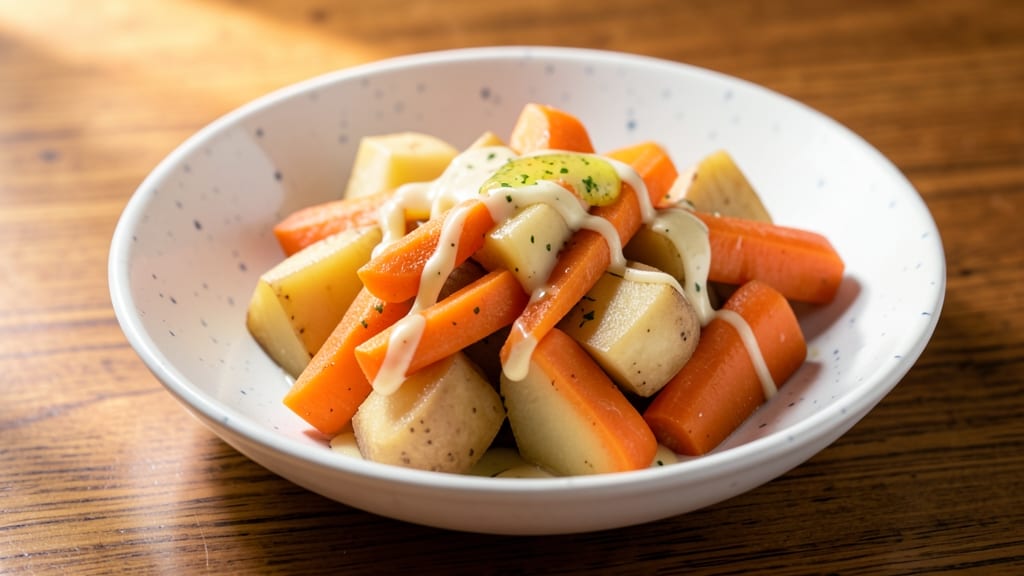
Boiled carrots and potatoes transform into a buttery-smooth side dish that’s ready in just 25 minutes—perfect for elevating any meal. This simple yet satisfying recipe relies on precise timing and a touch of seasoning to create tender, flavorful vegetables that disappear faster than you can say "dinner."
I developed it after realizing how often store-bought sides fall short of homemade quality, and the difference is night and day.
The secret lies in even cooking—both vegetables must finish at the same time, which requires careful monitoring. Start with whole carrots and potatoes (no peeling needed for extra texture), then boil them together until fork-tender.
A pinch of salt and a splash of lemon juice at the end brightens the flavors, while optional herbs like thyme or rosemary add depth for a restaurant-worthy touch.
What you’ll end up with is a creamy, velvety side that’s naturally vegan but rich enough to stand alongside meat or fish. The carrots stay vibrant, the potatoes break down just enough for that satisfying bite, and the buttery finish ties everything together.
This is the kind of side dish that makes even simple meals feel special.
Use it as a base for salads, mash it for a lighter alternative, or serve it alongside roasted proteins. The possibilities are endless, but the method stays simple—no fancy techniques required. Let’s get started!
Ingredients for boiled carrots and potatoes
Nine simple ingredients that transform humble veggies into a restaurant-worthy, velvety side dish.
| Ingredient | Amount | Notes |
|---|---|---|
| Medium Carrots 🥕 | 1 ½ lb | Whole, unpeeled, cut into even pieces |
| Russet Potatoes 🥔 | 1 ½ lb | Whole, unpeeled, cut into 1-inch chunks |
| Vegetable Broth 💧 | 2 cups | Low-sodium preferred for flavor control |
| Unsweetened Almond Milk 🥛 | ½ cup | Full-fat for creaminess (or coconut milk) |
| Vegan Butter 🧈 | 3 tbsp | Melted, full-fat preferred (e.g., Miyoko's) |
| Fresh Lemon Juice 🍋 | 1 tbsp | Brightens flavors, freshly squeezed |
| Diamond Crystal Kosher Salt 🧂 | 1 tsp | Adjust to taste, not iodized |
| Fresh Thyme Leaves 🌿 | 1 tsp | Or 0.25 tsp dried thyme (optional) |
| Fresh Rosemary Sprigs 🌿 | 2 whole | Optional, for depth (remove after cooking) |
| Garlic Cloves 🧄 | 2 cloves | Minced, optional for extra flavor |
| Extra-Virgin Olive Oil 🫒 | 1 tbsp | For finishing drizzle (optional) |
The carrots and potatoes are the stars here. Russet potatoes break down beautifully, while medium carrots keep their vibrant color. Grab the organic section at Whole Foods if you want to skip peeling—no one will know the difference, and the texture improves. For broth, Imagine or Pacific Foods brands are my go-tos—they’re low-sodium and packed with flavor. If you’re using dried herbs, Penzeys or the bulk bins at Trader Joe’s are worth the splurge for this recipe. The key is even-sized pieces—cut them roughly the same size so they cook uniformly.
No almond milk? Full-fat coconut milk works perfectly for that creamy finish, though it’ll lean slightly tropical. Short on vegan butter? Olive oil or coconut oil in the same amount keeps things rich, though butter gives the best texture. Fresh herbs are ideal, but dried thyme or rosemary at one-third the amount won’t ruin the dish—just don’t skip the lemon juice. That’s what makes it shine. The garlic is optional but adds a subtle depth that elevates everything. If you’re feeling fancy, roasted garlic takes it to the next level (just mash it first).
This dish reheats beautifully—toss with a splash of water or broth to revive the creaminess. Keeps in the fridge for 4-5 days sealed in an airtight container, or freeze for 3 months in portions. For leftovers, a quick microwave with a damp paper towel draped over the top restores that buttery-smooth texture. Double the batch and freeze half—you’ll thank yourself later when you’re pulling it out for a last-minute dinner. The potatoes soften further when reheated, so aim for just-fork-tender when you first cook them.
Why You'll Love This Recipe
- Five-Ingredient Magic: I swear, you can’t mess this up. Peel and chop—no fancy techniques—just toss everything into boiling water with the broth and almond milk, and let it do the work. That’s it.
- Creamy Without Dairy: The almond milk and vegan butter make these potatoes ridiculously tender with a velvety finish—no heavy cream, no fuss. Honestly, it’s the secret weapon in my rotation.
- Leftovers That Shine: Stores perfectly for days, so I meal prep this like crazy. Reheat in the microwave or oven, and it’s just as good—sometimes even better—because flavors meld overnight.
- Budget Meal, Big Payoff: Russets and carrots are cheap, and this recipe stretches them far. Feed four for under $5, and everyone’s happy. (Yes, even on a Tuesday night.)
Step-by-step instructions for buttery-smooth boiled carrots and potatoes
Here's how to transform simple boiled vegetables into a rich, velvety side dish with minimal effort.
Prep and Parboil the Vegetables
Start by cutting the 1.5 lb medium carrots into even 2-inch sticks and the 1.5 lb russet potatoes into 1-inch chunks—uniform sizes ensure even cooking. Place them in a large pot and cover with 2 cups vegetable broth (enough to submerge everything). Bring to a boil over medium-high heat for 5 minutes—this parboiling step removes excess starch that can make the vegetables gummy.
Watch for small bubbles breaking the surface and listen for a gentle rolling boil. After 5 minutes, drain the vegetables and return them to the pot. This initial cooking jumpstarts the process while keeping the texture tender rather than mushy. Real talk: Skipping this step often leads to uneven cooking later.
Infuse with Aromatics and Season
In the same pot, melt the 3 tbsp vegan butter over medium heat until it foams slightly. Add the 2 cloves minced garlic, 1 tsp fresh thyme leaves, and 2 whole fresh rosemary sprigs. Sauté for 1 minute until fragrant—this builds flavor depth before the vegetables return. The rosemary sprigs add a piney aroma that disappears during cooking, leaving just the essence.
Return the drained vegetables to the pot and stir gently to coat them in the buttery aromatics. Sprinkle with 1 tsp diamond crystal kosher salt and 1 tbsp fresh lemon juice, tossing to distribute evenly. The lemon juice brightens the earthy flavors while preventing the vegetables from absorbing too much moisture from the broth.
Simmer in Almond Milk for Creaminess
Pour in the 0.5 cup unsweetened almond milk and stir to combine. The milk creates a silky texture without overpowering the vegetables' natural sweetness. Cover the pot and reduce heat to low, then simmer for 12-15 minutes until the vegetables are tender when pierced with a fork but still hold their shape.
I know it seems counterintuitive to use milk for boiling vegetables, but it transforms them into something restaurant-worthy. Stir occasionally to prevent sticking, and resist the urge to peek—the steam release slows down cooking. You'll know they're done when a knife slides in easily and the edges start to soften slightly.
Finish with Olive Oil and Rest
Once tender, remove the pot from heat and drizzle with 1 tbsp extra-virgin olive oil. Toss gently to coat, letting the oil's fruity notes complement the buttery richness. The olive oil adds a final layer of flavor and helps prevent the vegetables from drying out as they rest.
Cover the pot again and let the vegetables rest for 5 minutes—this allows the flavors to meld and the texture to firm up slightly. Serve immediately with the infused cooking liquid spooned over the top for extra depth. Each bite should deliver tender, buttery vegetables with a bright, aromatic finish that balances the richness perfectly.
Pro Tips For Making Boiled Carrots And Potatoes
- CUT POTATOES EVENLY: Russets are stubborn—uneven chunks mean some will turn to mush while others stay hard. Grab a sharp knife and slice them into 1-inch pieces before peeling, then peel after cutting. This keeps the knife steady and ensures consistent cooking. (Yes, it’s extra work, but your patience will pay off.)
- SALT THE WATER LATE: I used to salt the pot right at the start, but the broth gets diluted as the potatoes release starch. Wait until the water’s boiling with the veggies inside—then add a generous pinch of salt. This keeps the flavor balanced and stops the broth from tasting watered down.
- DON’T OVERCROWD THE POT: Stuffing the pot like a Thanksgiving turkey? Nope. Pack them in too tight, and the outer layers steam instead of simmering. Leave at least 1 inch of space between potatoes and carrots—this lets the broth circulate, so everything cooks evenly. (And yes, you’ll need a second batch if your pot’s tiny.)
- FINISH WITH ALMOND MILK: Dumping almond milk in at the start just makes it curdle. Instead, stir in a splash (about ¼ cup) in the last 5 minutes of cooking—it’ll blend smoothly and add creaminess without breaking. Pro move: Warm the milk first by whisking it into the broth off the heat.
Flavor customization for this dish
Herb-Infused Variations
Swap out thyme and rosemary for fresh sage—toss in 4 large leaves during the simmer for an earthy, slightly peppery note that pairs beautifully with roasted meats. For a Mediterranean twist, add 1 tsp dried oregano and ½ tsp red pepper flakes to the butter infusion.
The heat balances the creaminess, while oregano adds a citrusy depth that brightens the dish. 🌿
Spiced Sweetness
Caramelize 1 diced apple (like Honeycrisp) with the butter and garlic, then proceed with the recipe. The natural sweetness of the apple complements the carrots, while the spices—like ½ tsp cinnamon or ¼ tsp nutmeg—add warmth.
Finish with a sprinkle of toasted pecans for crunch. This works especially well for holiday meals or as a side for pork dishes.
Umami Boost
Enhance the savory profile by adding 1 tbsp soy sauce or 1 tsp miso paste to the almond milk before simmering. For a deeper flavor, stir in 1 tbsp nutritional yeast (it adds a cheesy, nutty note without dairy).
These adjustments make the dish more complex and satisfying, especially if serving alongside lighter proteins like grilled fish or tofu. 💡
Global Flavors
For a Moroccan-inspired version, add ½ tsp ground cumin and ¼ tsp turmeric to the butter, plus 1 tsp harissa paste at the end. The spices create a warm, aromatic profile that pairs well with tagines or curries.
Alternatively, a Japanese twist involves using dashi broth instead of vegetable broth and finishing with 1 tsp toasted sesame oil and 1 tsp soy sauce. The umami-rich flavors elevate the dish to new heights.
Creamy Alternatives
Replace almond milk with ½ cup coconut cream for a richer, tropical flavor. For a dairy-free but ultra-creamy option, blend ½ cup cooked white beans (like cannellini) with the almond milk before adding to the pot.
The beans break down during cooking, creating a velvety texture without altering the dish’s vegan status. This works especially well if you’re serving it as a standalone side or in salads.
Sweet and Tangy
Add a sweet-tangy finish by stirring in 1 tbsp balsamic glaze or 1 tsp maple syrup during the last 2 minutes of simmering. The acidity cuts through the richness, while the sweetness balances the earthy flavors.
For extra brightness, squeeze in ½ tsp more lemon juice at the end. This variation shines when paired with grilled chicken or roasted vegetables.
Nutrition facts
Frequently asked questions
Why do you parboil the carrots and potatoes before simmering?
Parboiling for 5 minutes removes excess starch that can make the vegetables gummy when cooked longer. This step ensures they absorb flavors evenly and stay tender rather than mushy. It’s especially important for potatoes, which can turn gluey if overcooked.
Can I use sweet potatoes instead of russets?
Yes, but adjust the cooking time. Sweet potatoes take 5-7 minutes longer to tenderize. Cut them slightly smaller (½-inch chunks) and check for doneness at 15-18 minutes during the simmer. They’ll have a creamier texture but a deeper orange hue.
What’s the best way to reheat leftovers?
Gently reheat in a skillet with 1 tbsp butter or olive oil over low heat for 3-4 minutes, stirring occasionally. Avoid microwaving—it makes them watery. For extra creaminess, add a splash of almond milk or broth while reheating.
Do I need to peel the carrots and potatoes?
No! Peeling isn’t necessary—it actually removes nutrients and fiber. Scrub them well if dirty, but leaving the skin on adds texture and flavor. The recipe’s almond milk and butter create a rich coating that masks any slight bitterness in the skins.
How can I make this dish kid-friendly?
Skip the herbs and garlic, and reduce the lemon juice to ½ tbsp. Add ½ tsp honey or maple syrup during the last 2 minutes of simmering for natural sweetness. Cut the potatoes into smaller, bite-sized pieces for little ones. The buttery finish will still appeal to picky eaters!