
Soups & Stews
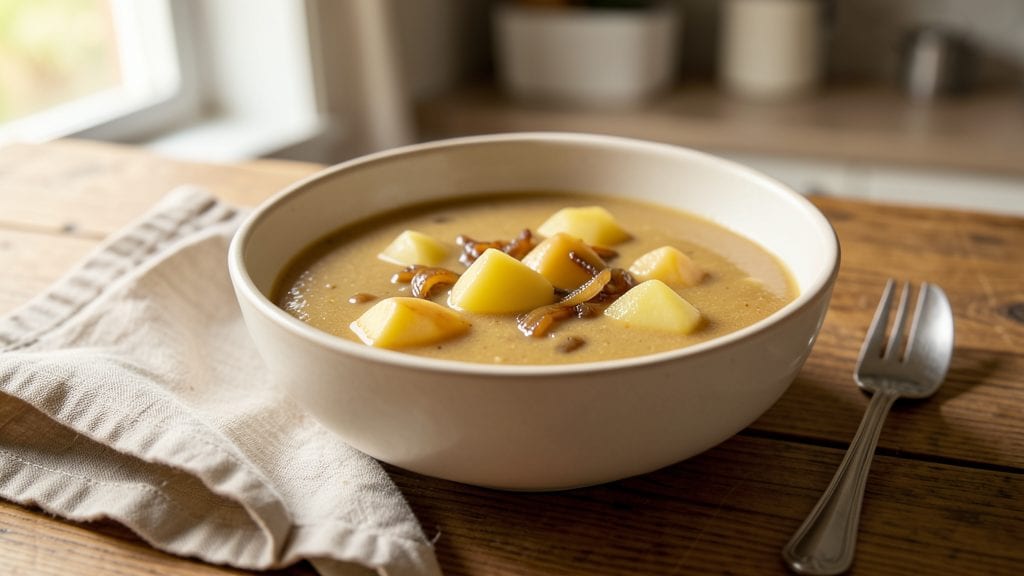
Recreating Bob Evans' signature potato soup at home delivers that signature creamy velvety texture and rich caramelized onion depth that makes it a comfort food classic. The secret lies in slow-cooked onions and a perfect blend of starchy and waxy potatoes—no heavy cream needed.
I've perfected this version after years of testing, ensuring every spoonful delivers that restaurant-quality smoothness.
This recipe builds flavor through three key techniques: caramelizing onions until deep golden, simmering potatoes until tender yet intact, and blending just enough for that signature velvety consistency.
The result is a soup that's rich without being greasy, with layers of savory, sweet, and slightly tangy notes from the onions and cheese. Professional results don't require professional skills—just patience and attention to those critical steps.
What you'll end up with is a creamy, velvety potato soup where each bite reveals perfectly cooked potatoes suspended in a luscious broth. The caramelized onions add sweetness that balances the tangy cheese and savory broth, creating a harmony that's impossible to resist.
This is the kind of soup that disappears quickly—perfect for chilly evenings or potlucks where you want to impress without stress.
The beauty of this recipe is its versatility—serve it as-is for classic comfort or add bacon, chives, or a dollop of sour cream for extra flavor.
The instructions walk you through every step to ensure that creamy texture and rich flavor you crave. Let's get started on creating your own restaurant-quality bowl.
Ingredients for bob evans potato soup
Six ingredients make the base—caramelized onions and potatoes are the stars here.
| Ingredient | Amount | Notes |
|---|---|---|
| Yellow Onions 🧅 | 3 whole | Thinly sliced for caramelizing |
| Russet Potatoes 🥔 | 2 lb | Cut into 1-inch cubes |
| Yukon Gold Potatoes 🥔 | 1 lb | Cut into 1-inch cubes |
| Chicken Broth 💧 | 6 cups | Low-sodium preferred |
| Unsalted Butter 🧈 | ½ cup | Full-fat for richness |
| Heavy Cream 🥛 | ½ cup | Optional for extra creaminess |
| Shredded Cheddar Cheese 🧀 | 1 ½ cups | Medium or sharp variety |
| Salt 🧂 | 1 ½ tsp | Adjust to taste |
| Black Pepper 🌶️ | ½ tsp | Freshly ground preferred |
| Garlic Cloves 🧄 | 3 cloves | Minced for depth |
| Dried Thyme 🌿 | 1 tsp | Or 1 tbsp fresh thyme |
| Sour Cream 🥛 | ¼ cup | For topping (optional) |
| Chives 🌱 | ¼ cup | Chopped for garnish |
| Bacon Bits 🥓 | ¼ cup | Optional for extra flavor |
The onions are non-negotiable—yellow onions caramelize best for that sweet, deep flavor. Grocery store yellows work fine, but if you're feeling fancy, grab some Spanish onions from the specialty section—they're sweeter. Slice them thinly (about 1/8-inch) so they cook down properly. The potatoes? Russets for starchy texture and Yukon Golds for creaminess. Cut them into even 1-inch cubes so they cook uniformly. Pro tip: Soak the cut potatoes in cold water for 10 minutes before cooking to remove excess starch—this keeps them from turning gummy. Costco or Walmart usually have these potatoes at great prices.
No heavy cream? Skip it—this soup gets its velvety texture from the potatoes and butter. Low-sodium broth is key since we're adding extra salt later. The cheddar should be medium or sharp—mild cheddar won't have enough punch. Short on time? Pre-shredded cheese works, but fresh grated melts better. The thyme can be dried or fresh—just use one-third the amount if dried. For the optional bacon bits, Trader Joe's bacon is my go-to—it's pre-cooked and adds smoky flavor without fuss. Want extra richness? Add a splash of half-and-half at the end.
This soup tastes even better the next day—4-5 days in the fridge, no problem. For freezing, portion into airtight containers and it keeps for up to 3 months. Reheat gently on the stove, stirring occasionally. The caramelized onions lose their shine when reheated, but the flavor stays rich. Garnish with chives and sour cream right before serving—those bright pops of color make it look restaurant-worthy. Leftovers? Toss them into a thermos for lunch—perfect for chilly days.
Why You'll Love This Recipe
- No-Fuss Potatoes: I swear by this combo—Russets for hearty texture, Yukon Golds for that buttery melt. Just cube, boil, and mash. No peeling required if you’re in a rush (we’ve all been there).
- Creamy Without Guilt: That rich, velvety finish comes from butter and broth, not heavy cream. Honestly, you’d never guess it’s secretly light—just pure, satisfying comfort in a bowl.
- Game for Any Day: Make a double batch on Sunday, freeze half, and thank me later. It’s the ultimate lazy night fix or potluck hero—no one will ask for the recipe, they’ll just ask for seconds.
- Budget Magic: Yellow onions and potatoes stretch this soup for miles. Between us, it’s the kind of meal that makes grocery day feel like a win—especially when leftovers taste just as good the next.
Step-by-step instructions for Bob Evans potato soup
Here's how to create that signature creamy, velvety texture with caramelized onions everyone loves.
Caramelize the Onions Slowly
Heat a large Dutch oven over medium-low heat and melt the 0.5 cup unsalted butter. Add the 3 whole yellow onions (thinly sliced) and stir to coat completely. The key here is patience—caramelizing takes about 30 minutes. You'll know it's ready when the onions turn deep golden brown and smell intensely sweet.
Here's the thing—don't rush this step. If you crank the heat too high, the onions will burn instead of caramelizing. Stir occasionally and resist the urge to speed it up. Those beautifully browned onions form the flavor foundation of this soup.
Cook the Potatoes Until Fork-Tender
Add the 2 lb russet potatoes (cut into 1-inch cubes) and 1 lb yukon gold potatoes (also 1-inch cubes) to the Dutch oven. Pour in the 6 cups chicken broth and bring to a gentle boil. Once boiling, reduce heat to medium-low, cover partially, and simmer for 15-20 minutes until the potatoes are fork-tender.
You'll notice the potatoes will sink to the bottom—this is normal. Give them a gentle stir after 10 minutes to prevent sticking. The russet potatoes will add hearty texture while the yukon golds contribute natural creaminess. When a knife slides in easily with minimal resistance, they're ready for the next step.
Build Richness with Cream and Cheese
Remove the pot from heat and stir in the 0.5 cup heavy cream and 1.5 cups shredded cheddar cheese. The cheese should melt completely into the soup, creating that signature velvety texture. Return to low heat just until the cheese is fully incorporated—about 2-3 minutes of gentle stirring.
This is where the magic happens. The combination of heavy cream and cheddar transforms the broth into a luscious, creamy base. If the soup looks too thick, you can add a splash of hot chicken broth to reach your preferred consistency. Season with the 1.5 tsp salt and 0.5 tsp black pepper while it's warm so flavors meld perfectly.
Add Aromatics and Finish Cooking
Increase heat to medium and add the 3 minced garlic cloves and 1 tsp dried thyme. Stir for 1 minute until fragrant—you should smell that wonderful garlic-thyme aroma wafting through your kitchen. This step infuses the soup with depth of flavor that makes it taste restaurant-quality.
If you're using the 0.25 cup bacon bits, stir them in now so they warm through and crisp slightly. The bacon adds a wonderful smoky contrast to the creamy potatoes. Keep the soup warm on low heat while you prepare the garnish.
Serve with Creamy Toppings
Ladle the soup into bowls and top each serving with 1 tablespoon of the 0.25 cup sour cream and a sprinkle of the 0.25 cup chopped chives. The sour cream adds a cool contrast to the warm soup, while the chives provide a fresh finish. For extra richness, you can also add more shredded cheddar cheese on top.
This soup tastes best served immediately while the toppings are still fresh. The creamy texture comes from the combination of heavy cream, melted cheese, and properly cooked potatoes. Each spoonful should deliver that perfect balance of velvety richness with the sweet caramelized onions peeking through.
Pro Tips For Making Bob Evans Potato Soup
- Peel and Cube Evenly: Russets and Yukons break differently—cut the Russets into 1-inch chunks and the Yukons into ½-inch pieces. The Yukons will soften faster, so smaller sizes keep them from turning to mush while the Russets stay intact. I learned this the hard way when I skipped it and ended up with a gloppy, uneven texture.
- Sweat Onions Low and Slow: Don’t rush the onions—cook them in butter over medium-low heat for 8-10 minutes until they’re translucent and just starting to caramelize. High heat burns them fast, and you’ll taste that bitterness in every spoonful. (Yes, even if you’re impatient like me.)
- Salt the Broth Early: Taste the chicken broth before adding it to the pot and adjust the salt now. Unsalted butter and potatoes will soak up flavor, and you’ll end up with bland soup if you wait to season. Trust me, your spoon will thank you later.
- Stir in Butter at the End: Swirl in the cold unsalted butter off the heat—this coats the potatoes without breaking them apart. If you add it too soon, the butter burns and turns the soup greasy. (I used to do this wrong, and it took me three tries to notice the difference.)
Storing and reheating your bob evans potato soup
Refrigerator Storage
Store your Bob Evans-style potato soup in an airtight container (I use glass Pyrex with snap-on lids) for up to 4-5 days in the refrigerator. The flavors actually deepen overnight as the spices and caramelized onions meld together beautifully.
Let it cool completely before refrigerating to prevent condensation that can dilute the broth. 💡
When reheating from the fridge, transfer the soup to a pot and warm over medium-low heat with a splash of water or broth to prevent sticking. Stir frequently to maintain that velvety texture—you want to avoid overheating, which can cause the cheese to separate.
The ideal reheated temperature is 165°F for food safety.
Freezer Storage
For longer storage, portion the soup into freezer-safe containers or heavy-duty freezer bags, leaving 1-inch headspace for expansion. This soup freezes beautifully for up to 3 months without significant texture loss. I recommend freezing in 2-cup portions for easy single servings—just thaw overnight in the fridge before reheating. ❄️
When reheating from frozen, transfer the container directly to a pot on low heat and add 2-3 tablespoons of water or broth to help restore creaminess. Stir gently and heat until steaming throughout.
The caramelized onions may lose their gloss but retain their sweet depth, and the potatoes will soften slightly—this is completely normal and doesn't affect flavor.
Reheating Techniques
For the best results, I prefer stovetop reheating because it gives you more control over texture. Use a heavy-bottomed pot to prevent scorching, and keep the heat at medium-low to avoid breaking the emulsion that creates the creamy texture.
Add a splash of hot broth if the soup thickens too much during reheating. 🔥
If you're short on time, the microwave works in a pinch—just transfer the soup to a microwave-safe bowl and heat in 1-minute intervals, stirring between each, until reaching 165°F. Cover the bowl loosely with a damp paper towel to help retain moisture.
The texture won't be quite as velvety as stovetop reheating, but it's still delicious and convenient for quick meals.
Garnish Refresh
After reheating, always add fresh garnishes to elevate the presentation. A dollop of sour cream and sprinkle of chopped chives brighten the dish with freshness. For extra richness, top with extra shredded cheddar or crispy bacon bits—these additions should always be added after reheating to maintain their texture.
The contrast of cool sour cream against warm soup is what makes this dish feel restaurant-quality. 🌟
Pro tip: If you're making a big batch for a crowd, reheat only what you need for the meal and store the rest separately. This way, you can serve perfectly fresh soup with crisp garnishes every time.
The key is always to reheat gently and finish with fresh toppings—never add them before reheating, as they'll get soggy.
Nutrition facts
Frequently asked questions
Why does Bob Evans potato soup have such a creamy texture without heavy cream?
The secret lies in the potato blend—russets for hearty texture and Yukon Golds for natural creaminess. When cooked properly and blended lightly, they release starch that thickens the broth naturally. The caramelized onions and cheddar cheese also contribute to that velvety mouthfeel without needing extra cream.
Can I make this soup without a Dutch oven?
Use a large pot with thick sides—even a heavy-bottomed stainless steel pot works. The key is low-and-slow cooking to caramelize the onions properly. If your pot isn't deep enough, you may need to cook the onions separately first, then combine with the potatoes. The texture will still turn out creamy!
How can I fix gummy potatoes in my soup?
Gummy potatoes usually mean they were overcooked or released too much starch. To fix it, mash 1/4 cup of the potatoes against the pot's sides to break them down, then stir in 1 tablespoon of cold butter or heavy cream to help emulsify. If it's still too thick, add 1/4 cup hot broth at a time until smooth. The solution is gentle heat and proper potato prep!
What's the best way to serve this soup for a crowd?
Double the recipe and use a slow cooker on low for 4-5 hours to keep it warm. Serve in individual bowls with toppings on the side—sour cream, chives, and bacon bits—so everyone can customize. For extra presentation, garnish with extra caramelized onions or a sprinkle of paprika. The crowd will love the restaurant-style presentation!
Can I make this soup dairy-free?
Yes! Replace the cheddar cheese with 1 cup nutritional yeast for cheesy flavor, use coconut milk instead of heavy cream, and add 1/2 cup cashew cream for richness. The texture will be slightly lighter but still creamy. Cashew cream = blend 1/2 cup soaked cashews with 1/2 cup water until smooth.