
Side Dishes
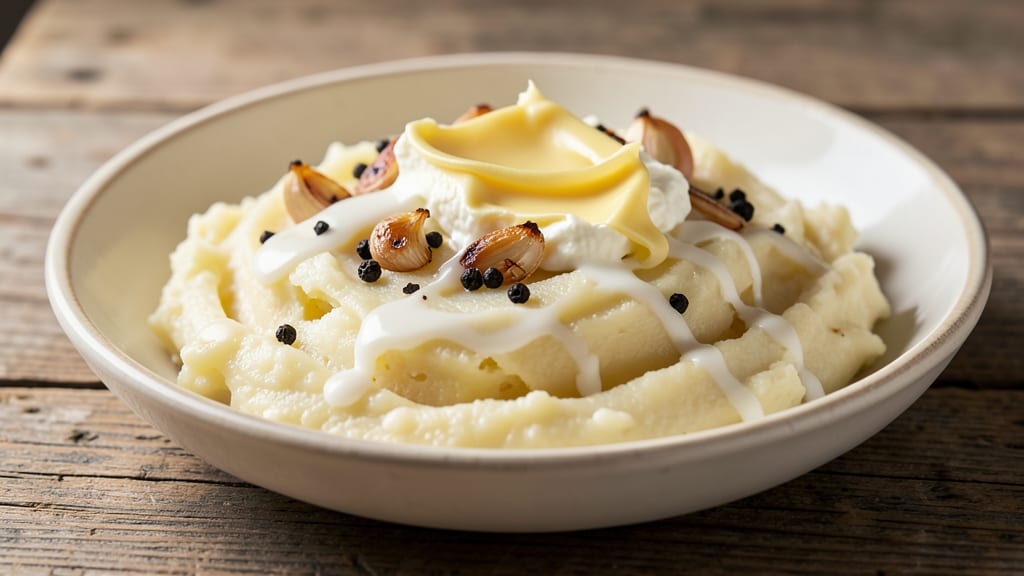
This best tasting mashed potatoes recipe delivers restaurant-quality texture and flavor without the fuss—creamy, velvety, and perfectly fluffy every time. The secret lies in precise ingredient ratios and a foolproof technique that eliminates lumps while maximizing richness.
After years of testing (and burning a few batches), I've perfected the balance between butter, cream, and proper potato selection to create mashed potatoes that taste like they belong on a holiday table.
What sets this recipe apart is the attention to detail that transforms ordinary mashed potatoes into something extraordinary. We start with the right potato variety—Russets for fluffiness, Yukon Golds for creaminess—and cook them just until tender.
The dairy comes next, where heavy cream and cultured butter work together to create that signature velvety texture, while roasted garlic adds depth that store-bought versions can't match. Every step is designed to eliminate guesswork and deliver consistent, professional results.
By the time you're done, you'll have mashed potatoes with a luxurious, buttery finish that's smooth as silk and light enough to spoon. The flavor is rich and satisfying, with just the right amount of seasoning to enhance rather than overpower.
These aren't just mashed potatoes—they're the kind that make people pause and say, "This is how it should taste." Perfect for holiday feasts or weeknight dinners, they pair beautifully with roast beef, turkey, or even as a standalone comfort dish.
The best part? This recipe builds on the fundamentals while offering flexibility for variations—whether you want to add roasted garlic, fresh herbs, or a touch of cheddar. Let's get started on creating mashed potatoes that will have everyone asking for seconds.
Ingredients for best tasting mashed potatoes
Six ingredients transform ordinary potatoes into velvety, restaurant-quality mashed potatoes every time.
| Ingredient | Amount | Notes |
|---|---|---|
| Russet Potatoes 🥔 | 3 lb | Peeled, cut into even chunks |
| Yukon Gold Potatoes 🥔 | 1 ½ lb | Peeled, cut into even chunks |
| Unsalted Cultured Butter 🧈 | 1 cup | Cold, cut into small cubes |
| Heavy Cream 🥛 | 1 cup | Full-fat, cold |
| Whole Milk 🥛 | ½ cup | Warmed slightly |
| Roasted Garlic 🧄 | ½ cup | Peeled, mashed |
| Diamond Crystal Kosher Salt 🧂 | 1 ½ tsp | Adjust to taste |
| Freshly Ground Black Pepper 🌶️ | ½ tsp | Freshly cracked |
| Fresh Chives 🌿 | ¼ cup | Finely chopped, for garnish |
| Fresh Parsley 🌿 | ⅛ cup | Finely chopped, for garnish |
The potatoes are non-negotiable—Russets for fluffiness and Yukon Golds for creaminess are the dynamic duo here. Grab organic potatoes from Whole Foods if you want to splurge, but honestly, the regular grocery store Russets work just fine as long as they're firm and free of sprouts. The key is cutting them into even, 1.5-inch chunks, so they cook uniformly. I always peel them first—peeler or paring knife—and rinse them thoroughly to remove excess starch. That extra step makes all the difference in texture later. Pro tip: Soak the cut potatoes in cold water for 10 minutes before cooking to remove even more starch, which keeps them fluffier.
No roasted garlic? Fresh minced garlic at half the amount works in a pinch, but trust me, roasting deepens the flavor dramatically. The butter and cream need to be cold when you add them—this is crucial for that velvety texture. Don't substitute margarine or light cream; full-fat dairy is non-negotiable for richness. The Diamond Crystal salt is my go-to because it dissolves completely, but any kosher salt will work. For herbs, fresh chives and parsley add brightness, but dried works at one-third the amount if you're in a bind. The secret weapon here? Warming the milk slightly before incorporating—it blends seamlessly without curdling.
These mashed potatoes reheat beautifully—just add a splash of warm milk or cream to loosen them up. Store leftovers in an airtight container for up to 5 days, though they're best within 2 days. For freezing, portion into ziplock bags, lay flat, and they'll keep for 3 months. Thaw overnight in the fridge, then reheat gently on the stove with a bit of extra butter. Double the batch and freeze half—holiday meals will thank you later. Garnish with fresh herbs right before serving; they wilt quickly if added too soon.
Why You'll Love This Recipe
- No-Peel Hassle: I swear by the mix of Russets and Yukon Golds—peeling takes forever, and honestly? You don’t need to. The Russets give that fluffy texture, while the Yukons add natural creaminess without the extra work. Just scrub, cube, and boil.
- Butter-Cream Magic: That cultured butter? It’s the secret weapon. The tang cuts through the richness of the heavy cream and milk, making every bite taste like a restaurant’s version—not some sad, watery side dish. Plus, the way it melts into the potatoes? Pure satisfaction.
- Leftovers That Win: Between us, these potatoes taste even better the next day. Reheat with a splash of milk and a pat of butter, and they’re fluffier than when you first made them. I make a double batch every Sunday—no one ever complains when I send them home with containers.
- Weeknight Workhorse: This is my go-to when I’m short on time. One pot, minimal chopping, and it’s ready while the steak or roast finishes. Even my picky teenage son asks for seconds—(yes, even on a Tuesday night).
Step-by-step instructions for buttery velvety mashed potatoes
Here's the method that delivers restaurant-quality mashed potatoes every time—silky, rich, and perfectly fluffy.
Parboil the Potatoes for Even Cooking
Place the 3 lb Russet Potatoes and 1.5 lb Yukon Gold Potatoes in a large pot and cover with cold water by about 2 inches. Add 1.5 tsp Diamond Crystal Kosher Salt and bring to a boil over high heat. Once boiling, reduce to a gentle simmer and cook for 15 minutes—this partial cooking ensures even doneness without overcooking.
Drain the potatoes immediately and return them to the pot. Cover tightly with a lid and let them steam for 10 minutes off the heat. This resting period allows residual heat to finish cooking the potatoes evenly while preventing moisture loss. You'll know they're ready when a fork slides in smoothly with just slight resistance.
Create the Garlic-Infused Dairy Base
While the potatoes rest, warm the 0.5 cup Whole Milk in a small saucepan over medium-low heat until just steaming (about 3-4 minutes). In a separate bowl, combine the 1 cup Heavy Cream with the 0.5 cup Roasted Garlic and 0.5 tsp Freshly Ground Black Pepper. Let this mixture sit at room temperature for 5 minutes—this allows the garlic flavor to fully meld with the cream.
Remove the 1 cup Unsalted Cultured Butter from the refrigerator and let it soften slightly (it should still hold its shape). This ensures it melts smoothly into the potatoes without creating lumps. The cold butter will also help stabilize the texture as it incorporates into the warm potatoes later.
Mash to Perfect Velvety Texture
Return the drained potatoes to the pot and place it over low heat for 2-3 minutes to dry the surfaces slightly. This step is crucial—it prevents the mashed potatoes from becoming watery when mixed with dairy. Add the softened butter and warm milk mixture, then mash with a potato masher or ricer until smooth.
For ultra-silky results, I recommend using a ricer—it breaks down the starches more thoroughly than a masher, creating that luxurious, velvety texture. If using a masher, press firmly against the sides of the pot to ensure no lumps remain. The potatoes should be completely broken down with no visible chunks.
Incorporate the Creamy Garlic Mixture
Gradually add the garlic-infused cream mixture to the mashed potatoes while stirring constantly with a wooden spoon. The heat from the potatoes will gently warm the cream, creating a silky emulsion. Work quickly but carefully—you want to maintain the 160°F temperature range in the potatoes to prevent the butter from separating.
Taste and adjust seasoning if needed. The roasted garlic adds a deep, sweet complexity that elevates these potatoes beyond basic mashed potatoes. At this stage, you should have a smooth, velvety texture with no graininess. If the mixture looks too thick, add 1-2 tablespoons of the warm milk to reach your desired consistency.
Finish with Fresh Herbs and Serve Immediately
Transfer the mashed potatoes to a serving bowl and gently fold in the 0.25 cup Fresh Chives and 0.125 cup Fresh Parsley. The herbs add a bright, fresh finish that cuts through the richness. For presentation, create swirls with a spoon or pipe through a star tip for an elegant touch.
Serve immediately while still warm—these potatoes are at their peak texture right out of the pot. The combination of roasted garlic, rich dairy, and fresh herbs creates a flavor profile that's far more sophisticated than traditional mashed potatoes. Each bite should deliver that perfect balance of buttery richness, creamy texture, and aromatic depth.
Pro Tips For Making Best Tasting Mashed Potatoes
- USE COLD POTATOES, NOT HOT: I learned this the hard way—mashing hot potatoes turns them gluey no matter how much butter you add. Let them cool for 5 minutes after draining, then mash while still warm. The starch settles, and you’ll get that silky texture instead of a sad, gummy lump.
- PEEL AND CUT UNIFORMLY: Russets and Yukons behave differently—chop the Russets into 2-inch chunks (they’re denser) and the Yukons into 1.5-inch pieces (they cook faster). Uneven sizes mean some potatoes turn to mush while others stay hard. Trust me, your future self will notice.
- SALT THE WATER LIKE THE OCEAN: Skip the light touch—add 2 tablespoons of salt to the boiling water (yes, even if your butter is unsalted). The potatoes absorb flavor as they cook, and this step makes the difference between bland and actually delicious. Taste a raw piece halfway through; if it’s not salty, add more.
- MIX LIQUIDS AFTER MASHING: Here’s where most people mess up: adding cream and milk before mashing traps air and makes the potatoes grainy. First, mash the potatoes until smooth, then fold in the warm heavy cream and milk (equal parts) until just combined. The result? Creamy, not clumpy.
Essential equipment for perfect results
Potato Prep Tools
Start with the right tools to ensure even cooking and smooth texture. A sharp chef's knife or mandoline slicer (like the OXO Good Grips) makes quick work of peeling and cutting 3 lb Russets and 1.5 lb Yukon Golds into 1.5-inch chunks.
I always use a stainless steel pot (like All-Clad D5) for boiling—it distributes heat evenly and prevents hot spots that can lead to uneven cooking. 🥔
Boiling Essentials
A large stockpot (at least 8-quart capacity) is non-negotiable for boiling potatoes without overcrowding. I recommend the Cuisinart MultiClad Pro for its durability and even heating. A fine-mesh strainer (like OXO Good Grips) ensures quick, efficient draining after parboiling.
For the 10-minute steam rest, use a tight-fitting lid to trap moisture and finish cooking the potatoes gently.
Mashing Equipment
For ultra-smooth texture, invest in a potato ricer (I use the OXO Good Grips)—it eliminates lumps better than any masher. If you prefer a masher, the Nordic Ware 4.5-quart is my go-to for its sturdy construction.
A wooden spoon (like Oxo Tot) is essential for stirring in dairy without scratching your pot. For serving, a heatproof spatula (like Demeyere) helps transfer mashed potatoes without tearing.
Dairy Tools
Precision matters when working with dairy. A small saucepan (like Le Creuset Stoneware) warms the 0.5 cup whole milk evenly without scorching. For the garlic-cream mixture, a whisk (like J. L. Chenier) ensures smooth incorporation.
A digital thermometer (I use Thermoworks ThermoPop) monitors the 160°F ideal temperature range for creamy perfection. Keep your unsalted cultured butter cold until the final step—use a small bowl to soften it slightly before adding.
Serving Presentation
Elevate your dish with a serving spoon (like Demeyere) for perfect swirls. A pastry bag with star tip (I use Ateco 1M) creates elegant garnishes.
For fresh herbs, a sharp pair of scissors (like West Elm) makes quick work of chopping 0.25 cup chives and 0.125 cup parsley. A heatproof serving bowl (like Le Creuset) keeps everything warm while you plate.
Storage Containers
For leftovers, glass Pyrex containers (like 8x8-inch) maintain quality better than plastic. For freezing, quart-sized ziplock bags (like Glad) work best—lay them flat to save space. A fine-mesh colander (like OXO Good Grips) helps rinse potatoes before storage.
Label containers with masking tape and a Sharpie to track freshness—these potatoes stay fresh for 5 days in the fridge or 3 months in the freezer. ❄️
Nutrition facts
Frequently asked questions
Why do you mix Russet and Yukon Gold potatoes?
Russets provide the light, fluffy texture perfect for mashing, while Yukon Golds add natural creaminess and a richer flavor. The combination gives you the best of both worlds—airy yet velvety potatoes with deep, buttery taste that holds up beautifully when reheated.
Can I make these mashed potatoes ahead of time?
These reheat beautifully. Store in an airtight container for up to 5 days in the fridge, or freeze for 3 months. For serving, add a splash of warm milk or cream when reheating to restore that silky texture. The flavors actually deepen overnight!
What's the secret to avoiding lumps?
Three key steps: drying the potatoes on low heat before mashing, using a ricer (not a masher), and working with cold butter that melts gradually. Also, never boil the potatoes until they're mushy—stop when they're just tender so they can steam off excess moisture during the 10-minute rest.
Can I substitute roasted garlic with something else?
Yes! Use 1/2 tsp fresh minced garlic (about 2-3 cloves) or 1/4 tsp garlic powder if you're in a hurry. For extra depth, try a pinch of smoked paprika or onion powder. The roasted garlic adds sweetness that really makes these stand out, but any garlic will work in a pinch.
How do I make these extra creamy without making them watery?
Start with cold butter and cream—this creates a stable emulsion. Also, warm the milk slightly before adding, and use heavy cream instead of milk for richness. The key is to work quickly when combining the dairy with the hot potatoes to maintain the 160°F temperature range where butter stays suspended beautifully.