
Side Dishes
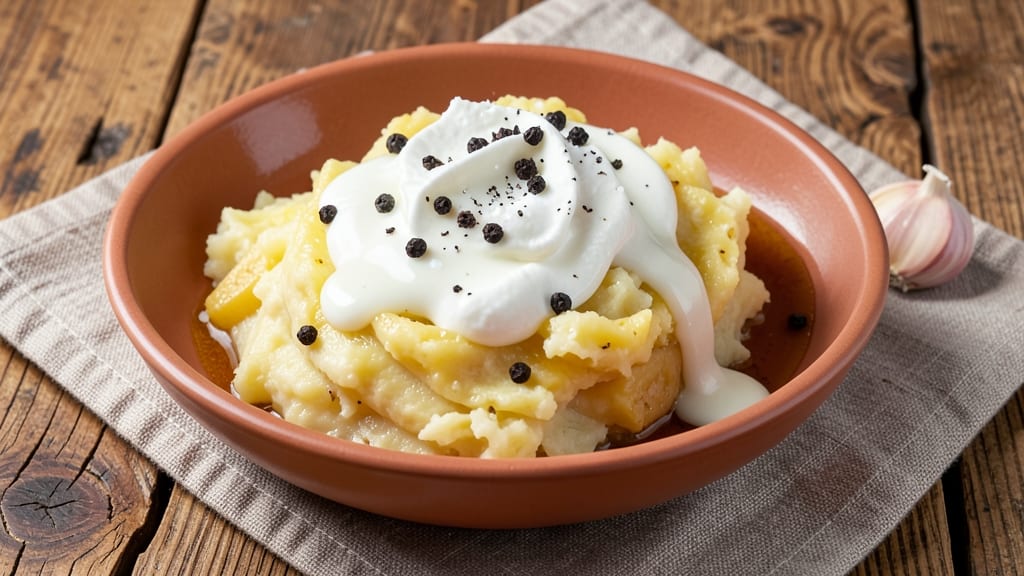
The secret to creamy, restaurant-quality mashed potatoes lies in choosing the right potatoes—and Russets and Yukon Golds are the undisputed champions. These varieties deliver the perfect balance of starch and moisture for velvety texture, while their distinct flavors elevate every bite.
I’ve perfected this method after testing dozens of techniques, ensuring foolproof results every time.
Russet potatoes bring that classic fluffy, light texture we all love, while Yukon Golds add a subtle buttery sweetness that makes them ideal for richer mashed potatoes. The key technique?
Boiling them whole with skins on preserves their moisture, and proper mashing (not overworking!) creates that signature silky smoothness. This recipe delivers professional results with just five simple steps.
What sets this apart is the attention to detail—starting with the right potatoes, controlling the boiling water temperature, and mashing while hot for maximum creaminess. The optional additions like garlic-infused butter or cream let you customize the flavor to your taste, whether you prefer classic comfort or gourmet twists.
Ready in about 30 minutes, this is the one recipe that transforms simple potatoes into a showstopping side.
Perfect for holidays, weeknight dinners, or even as a base for loaded potato casseroles. The method scales easily for any gathering size, and the leftovers reheat beautifully. Here’s how to make them exactly right every time.
Ingredients for best potatoes for mashed potatoes
Six ingredients, two star potatoes—Russets for fluff, Yukons for buttery richness. Game-changers for velvety perfection every time.
| Ingredient | Amount | Notes |
|---|---|---|
| Russet Potatoes 🥔 | 3 lb | Organic preferred, skins on for boiling |
| Yukon Gold Potatoes 🥔 | 2 lb | Waxy texture for creaminess |
| Unsalted Butter 🧈 | ¾ cup | European-style for higher fat content |
| Heavy Whipping Cream 🥛 | ½ cup | Full-fat for rich texture |
| Whole Milk 🥛 | ¼ cup | Warmed for smoother mash |
| Garlic Cloves 🧄 | 3 cloves | Roasted for depth of flavor |
| Diamond Crystal Kosher Salt 🧂 | 1 ½ tsp | Adjust to taste |
| Freshly Ground Black Pepper 🌶️ | ½ tsp | Freshly cracked for best flavor |
| Fresh Chives 🌿 | 2 tbsp | Finely chopped for garnish |
| Roasted Garlic-Infused Olive Oil 🫒 | 1 tbsp | Optional for gourmet touch |
Russets and Yukons are non-negotiable here. Russets deliver that classic fluffy texture—look for firm, bumpy skins at Whole Foods or local farm stands (they keep longer than grocery store potatoes). Yukon Golds bring that buttery sweetness; their waxy texture holds up beautifully. Pro tip: Organic potatoes taste fresher and have thinner skins that crisp up nicely when roasted. If you can't find Yukons, red potatoes work in a pinch, but they're denser. For the best quality, store potatoes in a cool, dark place—never the fridge, that turns them starchy and mealy.
No heavy cream? Half-and-half plus a splash of milk keeps it rich. Short on butter? Brown butter adds nutty depth—just don’t burn it. The garlic? Roast whole cloves in the oven (400°F for 20 minutes) for mellow, sweet flavor. No roasted garlic? Fresh minced garlic works, but add it at the end to avoid bitterness. For extra indulgence, add 1 oz of cream cheese while mashing—trust me, it’s a game-changer. And if you’re feeling fancy, truffle oil (just a teaspoon) takes these to restaurant-level status.
Mashed potatoes reheat like a dream—just warm gently with extra milk or butter. Store in an airtight container for up to 5 days in the fridge, or freeze for 3 months (thaw overnight in the fridge). For holidays, double the batch—leftovers make killer potato pancakes. The secret to reheating? Add a splash of warm milk and re-mash briefly for that fresh-out-of-the-pot texture. And save those potato skins! Toss with cheese and bake for crispy appetizers.
Why You'll Love This Recipe
- Two-Potato Powerhouse: The Russets and Yukons work together—fluffy, buttery magic. I peel, boil, and mash them side by side, and honestly? The texture is next-level: the Russets add that airy lightness while the Yukons keep it rich and creamy. No gummy mess here.
- Buttercream Dream: That combo of unsalted butter and heavy cream? It’s like a warm hug in every bite. I melt the butter into the warm potatoes first—never the other way around—and fold in the cream until it’s silky. The result? Pure, velvety satisfaction that tastes like a restaurant but takes 20 minutes.
- Weeknight to Holiday: This recipe works for everything. A quick weeknight dinner? Done. Thanksgiving centerpiece? Nailed it. Even my picky teens ask for seconds. The secret? The milk adds just enough body to stretch it for leftovers—no one complains when I reheat it with a splash of cream.
- Budget-Friendly Luxury: Russets and Yukons are affordable, and a little butter goes a long way. I make a double batch, freeze half, and thaw it later—no texture loss. Between us, this is the mashed potatoes I’ll always choose over store-bought. It’s my secret weapon for feeding a crowd without breaking the bank.
Step-by-step instructions for silky smooth mashed potatoes
Here's the method that transforms humble potatoes into velvety perfection—every time.
Prepare the Potatoes for Perfect Texture
Start by peeling the 3 lb Russet Potatoes and 2 lb Yukon Gold Potatoes, then cut them into even 1.5-inch chunks. The Russets will give you that classic fluffy texture, while the Yukon Golds add natural creaminess without needing extra fat. Place them in a large pot and cover with cold water by about 2 inches—this prevents the potatoes from absorbing too much starch and becoming gummy.
Add 1.5 tsp Diamond Crystal Kosher Salt to the water and bring to a boil over high heat. Once boiling vigorously, reduce to a gentle simmer and cook for 15-20 minutes until the potatoes are fork-tender—they should collapse easily when pierced. Drain immediately and return them to the pot to steam dry for 2 minutes. This step removes excess moisture, which is critical for light, airy mashed potatoes.
Roast the Garlic for Depth of Flavor
While the potatoes cook, preheat your oven to 400°F. Peel the 3 cloves Garlic Cloves and place them on a small piece of aluminum foil. Drizzle with 1 tbsp Roasted Garlic-Infused Olive Oil, wrap loosely, and roast for 15-20 minutes until golden and fragrant. This roasting intensifies the garlic's sweetness and adds a gourmet touch to your mash.
Once roasted, let the garlic cool slightly, then squeeze it directly into the hot potato pot. The residual heat will release the garlic's oils, infusing the potatoes with flavor. Discard the foil and any hard cores—you only need the soft, flavorful pulp.
Mash to Silky Perfection with Warm Dairy
Return the drained potatoes to the pot and let them sit for 1 minute to redistribute any steam. Warm the 0.25 cup Whole Milk and 0.5 cup Heavy Whipping Cream in a small saucepan over low heat until just steaming—never boiling, or the cream will curdle. Add the 0.75 cup Unsalted Butter to the warm dairy and whisk until fully melted and emulsified.
Using a potato masher or ricer, work in batches to mash the potatoes until smooth. Avoid overworking with a mixer—this develops gluten and makes the mash gummy. Gradually add the warm dairy mixture, whisking constantly until the potatoes are creamy and glossy. Season with 0.5 tsp Freshly Ground Black Pepper and adjust the 1.5 tsp Diamond Crystal Kosher Salt to taste. The result should be light enough to pipe but rich enough to coat your spoon.
Finish with Fresh Herbs for Brightness
Transfer the mashed potatoes to a serving bowl and fold in the 2 tbsp Fresh Chives, finely chopped. The chives add a fresh, bright contrast to the rich dairy and roasted garlic. For an extra touch of elegance, drizzle with an additional ½ tbsp Roasted Garlic-Infused Olive Oil and serve immediately while still warm.
Here's the secret to restaurant-quality mashed potatoes: timing and temperature. The potatoes must be perfectly cooked and drained, the dairy must be warm (not hot), and the butter must be fully incorporated. Skip the shortcuts, and you'll achieve mashed potatoes so silky and flavorful, they'll make your guests ask for the recipe.
Pro Tips For Making Best Potatoes For Mashed Potatoes
- BOIL POTATOES UNTIL TENDER: Russets need a fork to slide in like butter, Yukon Golds just need to give slightly—no mushy centers. I learned this the hard way by serving gluey potatoes once. Use a timer, but check at 15 minutes in: they’re done when the skin peels back easily but the inside still resists.
- PEEL AND CHOP COLD POTATOES: Run boiled potatoes under cold water first, then peel and chop. Warm potatoes oxidize fast and turn grayish, which means your mashed potatoes will look dull. Cold potatoes also hold their shape better when cutting, so you get even chunks for creamier results.
- SALT THE WATER LIKE THE OCEAN: Add 1½ tablespoons of salt per pound of potatoes to the boiling water—yes, it sounds extreme, but it’s the only way to season the actual potato, not just the surface. Under-salted potatoes taste bland even after you add butter and cream.
- WARM THE DAIRY FIRST: Heat the heavy cream and milk in a small saucepan until steaming (not boiling) while the potatoes cook. Cold dairy makes mashed potatoes grainy and clumpy—warm liquids blend in smoother and give you that velvety texture without extra effort.
Flavor customization for this recipe
Classic Russet Style
Russet potatoes are the gold standard for fluffy, light mashed potatoes because of their high starch content and low moisture. When you boil them whole with skins on, the starch releases slowly, creating that signature airy texture.
I always use 3 lb of organic Russets—the thicker skins hold up better during boiling, and organic potatoes tend to have fewer blemishes. For extra crispy skins, try roasting them first at 425°F for 25 minutes before boiling, then peeling and mashing as usual. 🥔
Buttery Yukon Gold
Yukon Golds bring a natural sweetness and creaminess that makes them perfect for richer mashed potatoes. Their waxy texture holds up beautifully when mashed, requiring less additional fat for that velvety finish.
I like to use 2 lb of Yukon Golds alongside Russets for a balanced flavor—about 25% Yukon Golds and 75% Russets gives you the best of both worlds.
For a gourmet twist, add 1 tbsp of truffle oil while mashing or finish with a sprinkle of crème fraîche for tangy depth.
Sweet Potato Twist
For a vibrant, naturally sweet variation, swap half the Yukon Golds for 2 lb of sweet potatoes. Peel and cube them, then boil until tender (about 10-12 minutes). Drain well and mash with 2 tbsp of maple syrup and 1 tsp of cinnamon for a Thanksgiving-worthy side.
The sweet potatoes add a beautiful orange hue and a caramel-like sweetness that pairs perfectly with savory dishes like roasted turkey or smoked brisket. 🍠
Cheesy Potato Mash
Transform your mashed potatoes into a cheesy casserole base by folding in 1 cup of shredded sharp cheddar or Gruyère while still hot. For extra richness, add ¼ cup of sour cream to balance the sharpness.
Top with breadcrumbs and extra cheese, then broil for 3-5 minutes until golden and bubbly. This variation is perfect for loaded potato appetizers or as a hearty side dish for steak night. The cheese melts into the potatoes, creating a decadent, gooey texture that’s impossible to resist.
Herb-Infused Variations
Elevate your mashed potatoes with fresh herbs for a bright, aromatic twist. For a Mediterranean flair, stir in 1 tbsp of finely chopped dill and 1 tsp of lemon zest while warm. For a French bistro vibe, add 1 tbsp of chopped tarragon and a pinch of nutmeg.
I also love a simple rosemary and garlic mash—just infuse the butter with 2 sprigs of fresh rosemary while melting it. The herbs add a sophisticated layer of flavor that pairs beautifully with roasted meats or grilled vegetables.
Spicy Kick Options
Add heat with ½ tsp of smoked paprika or ¼ tsp of cayenne pepper while mashing for a subtle warmth. For a bold kick, mix in 1 tbsp of chipotle powder with the butter or stir in 2 tbsp of hot honey at the end.
If you love spicy foods, try adding ½ tsp of crushed red pepper flakes and a dash of Worcestershire sauce for umami depth. These variations work especially well with bold, smoky dishes like BBQ ribs or chili. 🌶️
Nutrition facts
Frequently asked questions
Why do Russet potatoes make fluffier mashed potatoes than Yukon Golds?
Russets have high starch content and low moisture, creating that signature light, airy texture when cooked properly. Yukon Golds are waxier and creamier, ideal for richer mashed potatoes. The key is using both—75% Russets for fluff and 25% Yukon Golds for buttery depth. The starch in Russets absorbs liquid differently, preventing gumminess when mashed.
Can I use red potatoes for mashed potatoes?
Red potatoes work in a pinch, but they're denser and less starchy than Russets or Yukon Golds. For best results, use them as a 20% substitute (e.g., 1 lb reds + 2 lb Russets). They hold their shape better when boiled, so cut them slightly smaller (1-inch chunks) and boil 2-3 minutes longer to ensure tenderness. They'll give a slightly waxier texture but work well in cheesy mash variations.
How do I fix gummy mashed potatoes?
Gummy texture usually means overcooked potatoes or under-drained starch. For immediate fixes: Add 1-2 tbsp of warm butter or cream and re-mash vigorously. For prevention, always drain potatoes thoroughly and let them steam dry in the pot for 2 minutes after boiling. If using a mixer, pulse briefly—overworking releases starch. Pro tip: Cold water for boiling (not hot) helps control starch release.
What's the best way to reheat mashed potatoes?
Reheat gently to avoid drying them out. Transfer to an oven-safe dish, cover with foil, and warm at 300°F for 15-20 minutes. For microwave reheating, sprinkle with 1 tbsp milk or cream and cover for 1-2 minutes on low power. For restaurant-style results, add a pat of butter and 1 tsp warm milk, then mash briefly with a fork. Never reheat in the microwave uncovered—it creates a skin.
Can I make mashed potatoes ahead of time?
Yes! Store in an airtight container for up to 5 days in the fridge. For best texture, reheat with a splash of warm milk or cream. For longer storage, freeze for up to 3 months. Thaw overnight in the fridge, then reheat gently. The starches settle when chilled, so expect slightly denser texture—just add extra butter or cream when reheating. Perfect for holiday prep!