
Main Courses
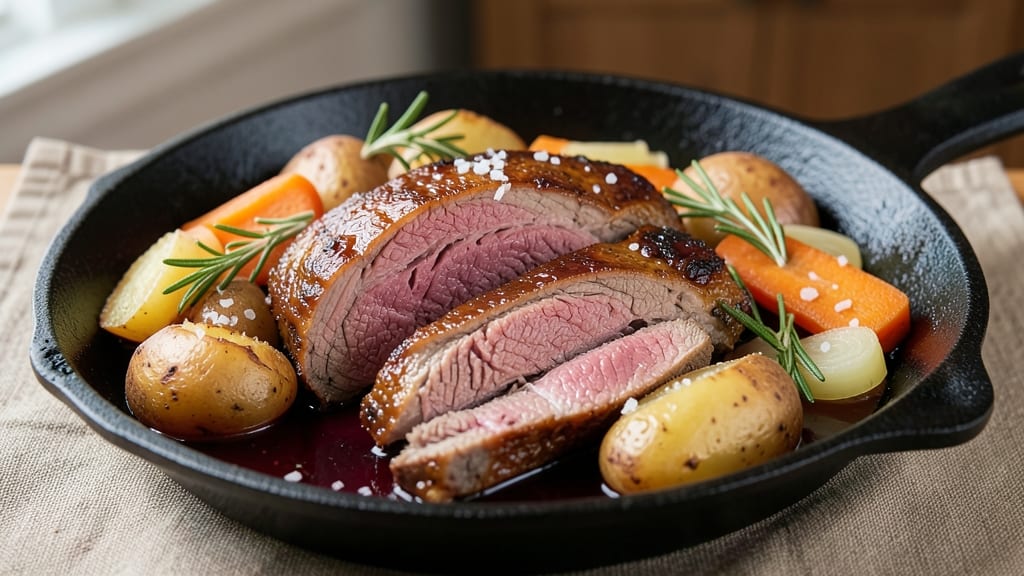
This beef brisket recipe with carrots and potatoes delivers a slow-braised masterpiece that transforms tough cuts into melt-in-your-mouth perfection while turning humble vegetables into golden, caramelized stars.
The secret lies in low-and-slow cooking—where the brisket becomes so tender it practically falls apart at the touch, while the carrots and potatoes develop deep, sweet flavors from the rich beef broth.
I perfected this method after years of experimenting with different braising techniques, and the results speak for themselves: a dish that feels like a restaurant-quality meal without the fuss.
The beauty of this recipe is its foolproof balance—the brisket absorbs all the smoky, savory flavors of the slow cook, while the vegetables soak up the same rich juices, creating a harmonious one-pot meal.
You’ll start with a 3-4 pound brisket, seasoned generously with salt, pepper, and aromatic spices, then let it cook for 6-8 hours at 300°F until it’s fork-tender.
Meanwhile, the carrots and potatoes—peeled, chopped, and layered around the brisket—simmer in the same flavorful broth, turning into tender, caramelized bites that complement the meat perfectly.
What you’ll end up with is a restaurant-worthy dinner that’s hearty enough for a family gathering but simple enough for a weeknight.
The brisket will be rich, dark, and falling apart, while the carrots and potatoes will be tender with a crisp edge, all bathed in a sauce so flavorful it’ll have everyone asking for seconds. The best part?
This dish tastes even better the next day, making it ideal for meal prep or leftovers that don’t disappoint.
Serve it with a side of crusty bread to soak up every last drop of that delicious braising liquid, or pair it with a simple green salad for balance.
The key to success is patience—letting the brisket cook low and slow ensures the meat is perfectly tender, while the vegetables absorb all the rich flavors without overcooking. Here’s how to make it happen step by step.
Ingredients for beef brisket recipe with carrots and potatoes
Sixteen ingredients. One unforgettable braise. Where humble vegetables become golden stars.
| Ingredient | Amount | Notes |
|---|---|---|
| Beef Brisket 🥩 | 3 ½ lb | Flat cut preferred, trimmed of excess fat |
| Yellow Onions 🧅 | 2 whole | Medium-sized, sliced into half-moons |
| Carrots 🥕 | 2 lb | Whole, peeled, cut into 2-inch chunks |
| Russet Potatoes 🥔 | 3 lb | Peeled, cut into 1.5-inch chunks |
| Beef Broth 💧 | 4 cups | Low-sodium, high-quality preferred |
| Red Wine 🍷 | 1 cup | Dry, bold variety like Cabernet Sauvignon |
| Tomato Paste 🍅 | ½ cup | Smooth, not chunky |
| Garlic Cloves 🧄 | 8 cloves | Peeled, lightly smashed |
| Fresh Thyme 🌿 | ¼ cup | Stems removed, leaves chopped |
| Bay Leaves 🍃 | 2 whole | Dried, standard size |
| Black Peppercorns 🌶️ | 1 tbsp | Freshly cracked |
| Kosher Salt 🧂 | 2 tbsp | Diamond Crystal preferred |
| Olive Oil 🫒 | ¼ cup | Extra-virgin, for searing |
| Balsamic Vinegar 🍶 | 2 tbsp | For deglazing |
| Fresh Parsley 🌿 | ⅛ cup | Chopped, for garnish |
The brisket is the star, so don't cut corners on quality. Costco or Whole Foods carry the best flat-cut briskets—look for good marbling and even thickness. If you're buying whole, trim the fat cap to about 1/4-inch thick for even cooking. The potatoes and carrots? Russets and heirloom carrots hold up best to long braising—they won't turn mushy. I always grab my carrots from the organic section (they're sweeter), but conventional works fine. For the broth, low-sodium is key—you'll be adding salt later, and you don't want to overdo it.
No red wine? Beef broth plus 1 tbsp balsamic vinegar works perfectly—just add the vinegar when you deglaze. Fresh thyme wilt fast, so dried works at one-third the amount if you're in a pinch. The tomato paste can be from a tube (like Trader Joe's), but avoid the watery kind. For the potatoes, Yukon Golds caramelize beautifully, but Russets stay firm. Need to skip the balsamic? Apple cider vinegar adds brightness too. The garlic can be pre-minced, but whole cloves smashed with the flat of your knife release more flavor.
This braise tastes better the next day—plan ahead. Store in an airtight container with the juices for up to 5 days in the fridge. For longer storage, freeze portions for 3 months. I portion mine into containers with a little extra sauce on top—it reheats beautifully. The vegetables keep their shape perfectly, while the brisket gets even more tender. For serving, I always garnish with fresh parsley and a drizzle of the braising liquid—trust me, it's worth the extra minute.
Why You'll Love This Recipe
- One-Pot Magic: I swear by this recipe when I’m too tired to dirty more than one pan. Toss the brisket, onions, carrots, and potatoes straight into the Dutch oven with broth—no pre-chopping stress, just dump-and-go. The potatoes soften right in the same juices as the beef, so you’re left with a single pot to clean.
- Deep, Slow Love: Honestly, the flavor is what keeps me coming back. That brisket gets tender enough to fall apart, while the carrots caramelize into sweet, buttery perfection. The onions add this rich, almost jammy depth, and the beef broth ties it all together—like a hug in a bowl.
- Leftovers I Actually Want: Between us, I make this on Sundays because the leftovers are better the next day. The brisket stays moist, the potatoes get even creamier, and the carrots soak up all that savory goodness. Pack it for lunches or reheat for dinner—no one will guess it’s not freshly made.
- Budget-Friendly Crowd-Pleaser: This recipe stretches a brisket into multiple meals without breaking the bank. Potatoes and carrots bulk it up, so you’re feeding a family for less than takeout. Plus, it’s the kind of dish that makes people ask for seconds—meaning less food wasted and more happy faces.
Step-by-step instructions for slow-braised beef brisket with vegetables
Here's how to transform tough brisket into tender perfection alongside caramelized roots.
Sear the Brisket and Vegetables for Deep Flavor
Heat a large Dutch oven over medium-high heat until very hot. Add the 0.25 cup olive oil and swirl to coat the bottom evenly. Place the 3.5 lb beef brisket fat-side down in the pan and press gently with a spatula to ensure full contact. Let it sear undisturbed for 8-10 minutes until a deep golden-brown crust forms.
Flip the brisket and sear the other side for another 6-8 minutes. Remove it from the pan and set aside on a plate. In the same Dutch oven, add the 2 whole yellow onions, 2 lb carrots, and 3 lb russet potatoes, spreading them in a single layer. Cook for 8-10 minutes, stirring occasionally, until the vegetables begin to soften and develop golden spots.
This initial searing creates the Maillard reaction that builds rich, complex flavors in your brisket and vegetables. The deep color you see now will translate into incredible taste later. Don't rush this step—patience here ensures maximum flavor payoff.
Build the Aromatic Base with Wine and Tomato
Reduce the heat to medium and add the 8 cloves garlic cloves, 0.25 cup fresh thyme, 2 whole bay leaves, and 1 tbsp black peppercorns to the Dutch oven. Stir everything together for 1 minute until fragrant. Pour in the 1 cup red wine and scrape up any browned bits from the bottom of the pan with a wooden spoon.
Let the wine simmer for 3-4 minutes until it reduces by half. Stir in the 0.5 cup tomato paste and cook for another 2 minutes, stirring constantly, until it darkens slightly. This step forms the flavor foundation for your braise. The wine's acidity cuts through the richness of the meat while the tomato paste adds depth and color.
Braise Until Tender with Perfect Liquid Balance
Return the brisket to the Dutch oven, fat-side up. Add the 4 cups beef broth and the 2 tbsp kosher salt, then bring everything to a gentle simmer. The liquid should come about halfway up the sides of the brisket. Cover the pot with a tight-fitting lid and transfer it to a 300°F oven.
Braise for 3 hours, then check the brisket's tenderness. It should be fork-tender with some resistance remaining. If it's not quite there, continue braising for another 30-60 minutes. The vegetables should be tender but still holding their shape. Here's the thing—this is where the magic happens. The slow cooking transforms tough meat into melt-in-your-mouth perfection while infusing the vegetables with rich, meaty flavors.
Finish with Balsamic and Rest for Maximum Juiciness
Remove the brisket from the oven and transfer it to a cutting board. Tent loosely with aluminum foil and let it rest for 30 minutes. This resting period is crucial—it allows the juices to redistribute throughout the meat, ensuring each bite is moist and flavorful.
While the brisket rests, return the Dutch oven to the stovetop over medium heat. Add the 2 tbsp balsamic vinegar and simmer for 2-3 minutes until slightly reduced. Taste and adjust seasoning if needed. The vegetables should now be perfectly tender with a rich, caramelized exterior. The balsamic vinegar adds a touch of brightness that cuts through the richness of the braised meat.
Serve with Fresh Herbs and Perfectly Braised Roots
Slice the brisket against the grain into ¼-inch thick slices. Spoon the vegetables and their flavorful braising liquid over the brisket slices. Garnish generously with the 0.125 cup fresh parsley. The vegetables should be tender yet still holding their shape, with a beautiful caramelized appearance from the slow braising process.
Serve immediately with the braising liquid spooned over the top. Each bite should deliver perfectly tender brisket with rich, meaty flavors complemented by the sweet, caramelized vegetables. The combination of textures and flavors makes this dish truly exceptional—juicy meat, tender vegetables, and a sauce that ties it all together.
Pro Tips For Making Beef Brisket Recipe With Carrots And Potatoes
- SEAR THE BRISKET FIRST: I learned this the hard way—skipping the sear means flavorless brisket. Get that meat screaming hot in a dry pan (no oil needed) for 3-4 minutes per side until deep brown. The crust locks in juices and builds the base for the broth’s depth. Yes, it’s messy, but trust me, it’s worth the cleanup.
- CUT POTATOES IN EVEN SLICES: Uneven potatoes mean some mushy, some hard. Use a mandoline or sharp knife to slice them ¼-inch thick—consistency is everything. Toss them in cold water for 5 minutes before adding to the pot to remove excess starch, so they absorb the broth instead of turning gluey.
- DON’T CROWD THE VEGETABLES: I used to pile onions and carrots too tightly, and they’d steam instead of caramelize. Arrange them in a single layer in the pot, then nestle the brisket on top. If you must layer, add broth first to prevent soggy bottoms. The goal is color and texture, not a sad, waterlogged pile.
- REST THE BRISKET UNDER FOIL: After pulling the brisket from the pot, tent it loosely with foil and let it sit for 10-15 minutes. This isn’t just for show—it lets the juices redistribute so your first slice isn’t a dry disappointment. Skip this, and you’re fighting a losing battle with physics.
Flavor customization for these flavors
Sweet and Smoky
Add 1 tbsp smoked paprika and 1 tsp brown sugar to the braising liquid when you combine everything in the Dutch oven. The paprika deepens the smoky notes from the brisket, while the sugar caramelizes slightly, creating a glossy, slightly sweet glaze on the vegetables.
I like to sprinkle an extra ½ tsp smoked paprika on top before serving for a visual pop. 🌶️
Herb-Infused Variations
Swap the thyme for 1 tbsp fresh rosemary and 1 tbsp fresh sage when building your aromatic base. These herbs add an earthy, piney depth that pairs beautifully with the richness of the brisket.
For a Mediterranean twist, add 1 tsp dried oregano and ½ tsp red pepper flakes to the braising liquid. The herbs will infuse the vegetables with their signature flavors while keeping the brisket tender.
Spicy Kick Options
For heat lovers, stir in 1-2 chipotle peppers in adobo sauce (minced) when you add the tomato paste. This adds smoky heat that complements the brisket perfectly. Alternatively, add ½ tsp cayenne pepper directly to the braising liquid for a more straightforward heat boost.
I recommend starting with ½ tsp and adjusting to taste—you can always add more, but you can't take it out!
Umami Boost
Add 1 tbsp soy sauce or 1 tsp fish sauce to the braising liquid for an umami depth that elevates the entire dish. The soy sauce works well with the red wine and tomato paste, creating a rich, savory sauce that clings to both the brisket and vegetables.
For a vegetarian-friendly option, use 1 tbsp mushroom powder instead—it delivers the same umami punch without animal products. The vegetables will absorb this flavor beautifully, making every bite more complex. ✨
Citrus Brightness
Finish the braising liquid with the juice of 1 orange or 1 lemon (about ¼ cup juice) to add a bright, citrusy note that cuts through the richness. The acidity balances the deep, meaty flavors while adding a refreshing contrast.
I like to zest a little of the orange or lemon peel into the braising liquid as well—it adds a fragrant aroma that enhances the overall dish. This works especially well with the balsamic vinegar finish.
Cheesy Comfort
Stir ½ cup shredded Gruyère cheese or Parmesan cheese into the braising liquid during the last 15 minutes of cooking. The cheese melts into the sauce, creating a creamy, velvety texture that coats the brisket and vegetables.
For a bolder flavor, use ½ cup sharp cheddar—it adds a tangy richness that pairs perfectly with the smoky brisket. Sprinkle extra cheese on top before serving for a decadent finish. 🧀
Nutrition facts
Frequently asked questions
How do I know when the brisket is fully tender?
Use the fork test: Insert a fork into the thickest part of the brisket—it should slide in with minimal resistance. The meat should also separate easily when pulled apart with tongs. If it still feels slightly firm, return it to the oven for another 30-60 minutes. Overcooking is less of a risk here, as the brisket will keep tenderizing even after reaching 203°F internal temperature.
Can I substitute potatoes or carrots for something else?
Swap the potatoes for parsnips or turnips (they hold up well to braising), or try butternut squash for a sweeter twist. For carrots, celery root or rutabagas work beautifully. Just adjust cooking time—root vegetables often need 15-20 minutes less than potatoes. The key is choosing dense, starchy vegetables that won't turn mushy.
What’s the best way to reheat leftovers?
Transfer the brisket and vegetables to a skillet with a splash of beef broth or water. Cover and warm over low heat for 10-15 minutes, stirring occasionally. Avoid microwaving—the brisket can dry out. For extra flavor, add a pat of butter or a drizzle of balsamic vinegar. Leftovers taste even better the next day because the flavors meld further!
Why did my brisket turn out dry?
This usually happens from overcooking or skipping the rest time. The brisket should cook until fork-tender (not bone-dry), and the 30-minute rest is critical for redistributing juices. If it’s still dry, try using a meat thermometer next time—aim for 195-203°F internal temp. Also, ensure you’re covering the pot tightly to retain moisture.
Can I make this in a slow cooker?
Yes! Sear the brisket and vegetables as directed, then transfer everything to a 6-quart slow cooker. Add the remaining ingredients and cook on low for 8-10 hours or high for 5-6 hours. The slow cooker’s gentle heat ensures tender meat and perfectly cooked vegetables without drying out. Just check the liquid level—add a splash of broth if needed.