
Side Dishes
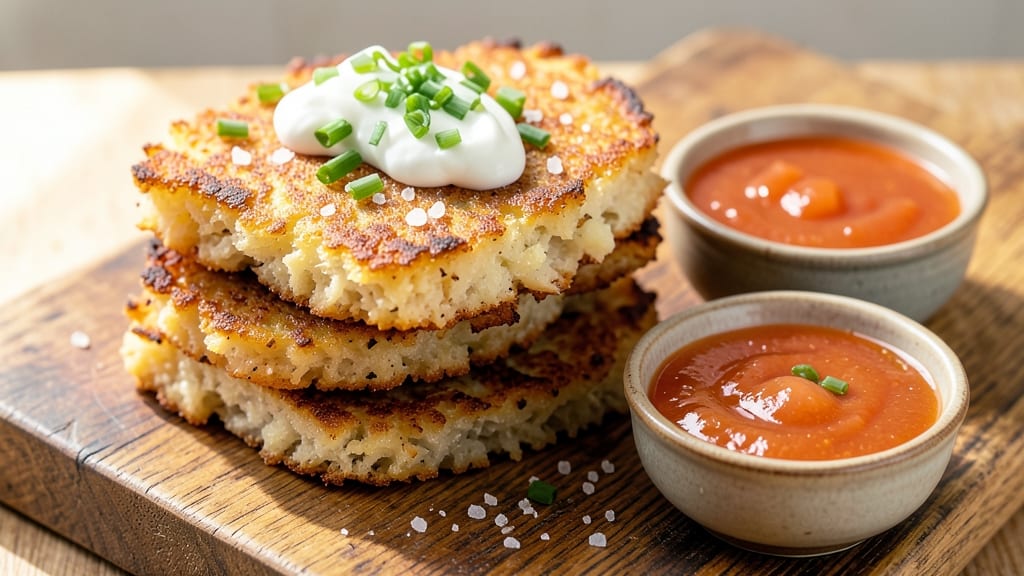
This authentic potato latke recipe brings the heart of Hanukkah tradition to your kitchen with crispy, golden bites that crackle at every turn. The secret lies in using a mix of starchy and waxy potatoes—like russets and Yukon golds—which creates that perfect balance between tender centers and crispy edges.
I’ve tested countless variations, and this method delivers latkes that are light yet sturdy enough to hold their shape when served.
What sets these latkes apart is the vinegar kiss—a traditional touch that adds a subtle tang to the batter, enhancing the crispiness without overpowering the potato flavor. The frying technique is key: medium-high heat and just enough oil to create a golden crust while keeping the inside fluffy.
This isn’t just a recipe; it’s a celebration of texture and tradition, where every bite carries the warmth of a holiday memory.
By the time you flip those latkes, you’ll have golden, vinegar-kissed bites that are crispy on the outside and tender within. Serve them with classic toppings like sour cream, applesauce, or a sprinkle of fresh chives for a taste of authenticity.
The aroma alone will fill your kitchen with the cozy spirit of Hanukkah, proving that the best traditions are worth perfecting.
Whether you’re preparing for a festive gathering or simply craving a taste of nostalgia, these latkes deliver restaurant-quality results at home. The method is straightforward, but the payoff is undeniably satisfying—crispy, flavorful, and impossible to resist. Let’s get cooking!
Ingredients for authentic potato latke
Four potatoes, two eggs, and a dash of tradition—here’s what you need for latkes that taste like home.
| Ingredient | Amount | Notes |
|---|---|---|
| Russet Potatoes 🥔 | 2 lbs | Peeled, grated, waxy for crispiness |
| Yukon Gold Potatoes 🥔 | 1 lb | Peeled, grated, for tender crumb |
| Large Eggs 🥚 | 2 whole | Room temperature for even batter |
| All-Purpose Flour 🌾 | ½ cup | For binding, sifted preferred |
| White Vinegar 🍶 | 1 tbsp | Traditional tangy touch |
| Salt 🧂 | 1 tsp | Kosher or sea salt |
| Black Pepper 🌶️ | ½ tsp | Freshly ground for warmth |
| Vegetable Oil 🫒 | 2 cups | For frying, peanut oil works too |
| Fresh Chives 🌿 | ¼ cup | Chopped, for garnish |
| Sour Cream 🥛 | ½ cup | Full-fat for serving |
| Applesauce 🍎 | ½ cup | Unsweetened, for dipping |
| Onion Powder 🧅 | ½ tsp | Optional, for depth |
The potatoes are non-negotiable. Russets give that classic crispy texture, while Yukon Golds add creaminess. Grab them from the produce section—avoid any with sprouts or soft spots. Peel them first, then grate them using the large holes on a box grater. Don’t skip this step—fine shreds won’t drain properly. For extra efficiency, I use a food processor with the grating blade, but hand-grating works too. The key? Squeeze out all the liquid with a clean kitchen towel or cheesecloth. Wet latkes won’t crisp up, no matter how much oil you use.
No vinegar? Lemon juice at the same amount works in a pinch, but it’s not traditional. Fresh chives are ideal for garnish, but dried chives or parsley will do if you’re out. For the oil, vegetable or peanut oil are classic choices—just make sure it has a high smoke point. If you’re feeling fancy, schmaltz (chicken fat) adds authentic flavor, but it’s not necessary. The flour is just for binding, so don’t overthink it. As for toppings, sour cream and applesauce are musts, but a sprinkle of crumbled bacon or caramelized onions takes it to the next level.
Latkes reheat beautifully—just pop them in a 350°F oven for 5-10 minutes to restore crispiness. Store leftovers in an airtight container for up to 3 days, but honestly, they’re best fresh. If you’re prepping ahead, freeze cooked latkes on a tray before transferring to a bag. They’ll keep for up to 3 months—just thaw and reheat. Pro tip: Double the batch and freeze half. You’ll thank yourself later when you’re craving that crispy, vinegar-kissed comfort.
Why You'll Love This Recipe
- No Grater Needed: I’ll admit—peeling and grating potatoes sounds tedious. But this recipe lets you use a food processor, and honestly? It’s a game-changer for my sore hands. The Yukon Golds and Russets blend into that perfect, coarse texture without the mess.
- Crispy-Creamy Magic: That first golden bite—crispy outside, fluffy inside—is what makes latkes unforgettable. The vinegar in the batter keeps them light, while the egg binds everything just right. Trust me, you’ll want seconds.
- Holiday or Weeknight Win: Serve them with applesauce for a classic Hanukkah spread, or pile them high with smoked salmon and cream cheese for a brunch crowd-pleaser. I’ve even reheated leftovers straight from the freezer, and they still taste fresh.
- Budget-Friendly Staples: Russets and Yukon Golds are cheap, and you’re using basic pantry stuff—flour, eggs, vinegar. A single batch feeds four, and the leftovers freeze perfectly. My wallet (and my taste buds) thank me every time.
Step-by-step instructions for authentic potato latkes
Here's how to make latkes that crackle like autumn leaves and taste like Hanukkah magic.
Grate and Squeeze the Potatoes
Start by grating the 2 lbs russet potatoes and 1 lb Yukon Gold potatoes using the large holes of a box grater. I like to use both types because the russets give that classic crispy texture while the Yukon Golds keep the interior tender. Work in batches to avoid piling up too much grated potato at once.
Once you've got all the potatoes grated, transfer them to a clean kitchen towel or cheesecloth. Gather the edges and squeeze out as much moisture as possible—this is critical for crispy latkes. The drier the mixture, the crisper the result. I press down firmly and twist the towel to wring out every last drop of liquid. Don't skip this step—wet latkes turn out greasy instead of golden and crispy.
Mix the Batter with Vinegar and Eggs
In a large bowl, combine the squeezed potatoes with the 2 whole large eggs, 0.5 cup all-purpose flour, 1 tbsp white vinegar, 1 tsp salt, 0.5 tsp black pepper, and 0.5 tsp onion powder. The vinegar is what makes these latkes authentically tangy—it's the secret to that signature flavor. Mix everything gently with your hands or a rubber spatula until just combined. You want the ingredients to come together without overworking the mixture.
Here's the thing—don't overmix. You should still see some potato strands and flour specks. This ensures your latkes stay light and crispy rather than dense and cakey. The batter should hold together when you press it but still feel slightly loose. If it's too wet, add a little more flour, but don't go overboard or your latkes will turn out tough.
Heat the Oil for Frying
Pour the 2 cups vegetable oil into a deep, heavy-bottomed skillet or Dutch oven. Place it over medium heat and let the oil heat up slowly. You want it to be hot enough that when you dip in a small piece of potato batter, it sizzles and rises to the surface immediately—but not so hot it smokes. This usually takes about 5-7 minutes. The oil should reach around 350°F for perfect frying.
Test the oil by dropping in a small spoonful of batter. If it sizzles vigorously and browns within 30 seconds, it's ready. If it's not hot enough, the latkes will absorb too much oil and turn out greasy. Keep the heat at medium—too high and your latkes will burn on the outside before cooking through. Too low and they'll come out soggy. This is where patience pays off.
Fry the Latkes Until Golden Brown
Using a spoon or ice cream scoop, drop heaping tablespoon-sized portions of batter into the hot oil. Don't crowd the pan—leave at least 1 inch between each latke so they can crisp up properly. Fry them in batches if needed. Let each latke cook undisturbed for 3-4 minutes until the bottom is golden brown and crispy. Then carefully flip them and cook the other side for another 3-4 minutes until golden brown all over.
You'll know they're done when they're deep golden brown and crispy on both sides. They should feel light when you pick them up with a slotted spoon—if they feel heavy, they've absorbed too much oil. As you fry, keep the oil temperature consistent by adjusting the heat as needed. If it starts smoking, reduce the heat slightly. Drain the fried latkes on paper towels to remove any excess oil.
Serve with Traditional Toppings
While the latkes are still warm and crispy, transfer them to a serving platter. Sprinkle them generously with the 0.25 cup chopped fresh chives for a fresh, herby finish. Serve immediately with 0.5 cup sour cream and 0.5 cup unsweetened applesauce on the side. The contrast of the creamy sour cream and sweet applesauce with the crispy, savory latkes is what makes this dish so irresistible.
Here's a pro tip: if you're serving a crowd, keep the latkes warm in a 200°F oven while you finish frying the rest. They'll stay crispy for up to 30 minutes this way. Enjoy your latkes while they're hot—each bite should deliver that perfect combination of crispy exterior, tender interior, and that tangy vinegar kick that makes them authentically delicious.
Pro Tips For Making Authentic Potato Latke
- Grate Like a Pro: Use the large holes of a box grater—no food processor, no blender. I learned this the hard way: processed potatoes turn to glue, and your latkes will stick like regret. The shreds should look like fine, dry sawdust, not wet pulp. Pat them dry with a towel twice—yes, even if they feel dry the first time.
- Salt the Water: Add 1 tablespoon of salt to the potato soaking water. It seasons the potatoes while they drain, and you’ll taste the difference in the final latke. Skip this, and your crispy exterior will taste bland no matter how much salt you add later.
- Test the Oil: Drop a small piece of potato into the oil before frying. If it sizzles and rises immediately, your oil is ready—too hot, and your latkes burn before cooking through. If it sits there like a sad pancake, crank the heat up. This isn’t optional; it’s the thing that matters most.
- Rest the Batter: Let the grated potato mixture sit for 10 minutes after mixing. I was skeptical until I tried it—it draws out excess moisture, so your latkes won’t fall apart when flipping. (Yes, even if you’re impatient like me.) Use a slotted spoon to press out more liquid if needed.
Creative variations of this recipe
Sweet Potato Twist
Swap half the russet potatoes for sweet potatoes—about 1 lb peeled and grated—to create a vibrant orange latke with natural sweetness. The sweet potatoes add moisture, so reduce the flour to ¼ cup and increase the vinegar to 1.5 tbsp for balance.
Garnish with toasted pecans and a drizzle of maple syrup> for a dessert-worthy variation. 🍠
Herbed Cheese Latkes
Add ½ cup grated Gruyère or Parmesan cheese to the batter for a rich, savory twist. Mix in 1 tbsp chopped fresh dill or chives and a pinch of nutmeg> for depth.
These latkes hold their shape beautifully and pair perfectly with a tangy beet chutney> instead of applesauce. The cheese adds a luxurious texture that feels indulgent yet stays true to the classic technique.
Spicy Cajun Kick
For a bold flavor profile, stir 1 tbsp Cajun seasoning> (like Tony Chachere’s) into the batter along with an extra ½ tsp cayenne pepper>. Serve with a side of spicy aioli> made with 1 tbsp hot sauce> and a dollop of sour cream.
The heat cuts through the richness, making these latkes a crowd-pleaser for spice lovers. 🌶️
Gluten-Free Adaptation
Replace the all-purpose flour with ½ cup gluten-free flour blend> (like Bob’s Red Mill 1:1) and add 1 tbsp cornstarch> to bind the batter. The texture stays crispy, but the latkes will be slightly more delicate.
For extra stability, use 3 tbsp gluten-free flour> and reduce the egg to 1>. These work beautifully with a dairy-free sour cream> or cashew cream for dipping.
Smoky Bacon-Wrapped Latkes
Wrap each latke in a strip of cooked bacon> before frying for a smoky, salty crunch. Use 4-6 slices>, wrapping them around the latke like a blanket. Fry the bacon-wrapped latkes in the same oil, adding 1 extra minute per side> to render the fat.
Top with crumbled bacon bits> and a sprinkle of smoked paprika> for a showstopping appetizer. 🥓
Savory Mushroom Latkes
Finely chop ½ cup cremini mushrooms> and sauté them in 1 tbsp butter> until golden. Fold them into the batter along with 1 tbsp chopped shallots> for an umami-rich twist.
These earthy latkes pair wonderfully with a truffle aioli> or extra sour cream. The mushrooms add moisture, so reduce the Yukon Gold potatoes to ½ lb> to maintain crispiness.
Nutrition facts
Frequently asked questions
Why do I need both russet and Yukon Gold potatoes?
The combination creates the perfect latke texture: russets provide crispy edges while Yukon Golds keep the interior tender. Using just one type often results in either soggy centers or overly crispy (but dry) latkes. The starch-to-moisture balance is what makes these authentically satisfying.
Can I make latkes ahead of time?
Yes! Cooked latkes reheat beautifully in a 350°F oven for 5-10 minutes to restore crispiness. For storage, keep them in an airtight container for 3 days or freeze on a tray before bagging for up to 3 months. Thaw in the fridge overnight before reheating.
What's the best oil for frying?
Vegetable or peanut oil are classic choices with high smoke points (350°F). Avoid olive oil—it burns too easily and imparts bitterness. For authentic flavor, schmaltz (chicken fat) works but isn't necessary. The key is maintaining consistent oil temperature throughout frying.
Why do my latkes turn out greasy?
Greasy latkes usually mean either the oil wasn't hot enough or the potato mixture wasn't dry enough. Test oil temperature by dropping in a small batter piece—it should sizzle immediately. Also double-check you've squeezed out all moisture from the grated potatoes using a clean towel.
What's the vinegar for?
The 1 tbsp white vinegar is traditional and creates that signature tangy flavor while also helping the batter bind better. It's not just for taste—it reacts with the potatoes during frying to enhance crispiness. Lemon juice works in a pinch (same amount), but vinegar gives the most authentic result.