
Side Dishes
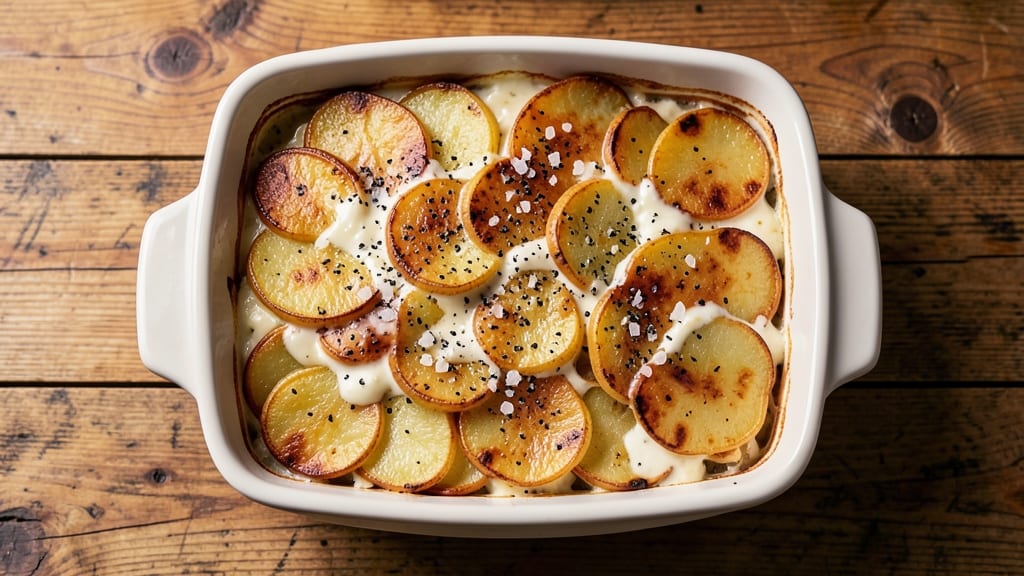
The America's Test Kitchen Duchess Potato Casserole delivers that perfect balance of crispy, vinegar-kissed edges and ultra-creamy centers that makes it a holiday centerpiece. This recipe has been refined to ensure every layer—from the buttery potato slices to the tangy sour cream topping—cooks just right, never soggy or dry.
The secret lies in precise layering and baking techniques that transform simple potatoes into something restaurant-worthy.
What sets this casserole apart is its foolproof method: thinly sliced potatoes baked in a single dish with a creamy sour cream mixture, then topped with a vinegar-infused breadcrumb crust. This approach guarantees a texture that's crisp on the outside and velvety inside, with no need for complicated steps.
The result is a dish that's hearty enough to stand alone but elegant enough for special occasions.
By following America's Test Kitchen's meticulous testing, you'll achieve a casserole with golden, crackly edges that give way to tender, creamy potatoes beneath. The vinegar in the topping adds a subtle tang that cuts through the richness, creating a flavor profile that's both comforting and sophisticated.
This is the kind of side dish that disappears faster than you can say "seconds, please."
Serve it alongside roasted meats or as a vegetarian main with a fresh green salad. The recipe scales perfectly for gatherings, and leftovers reheat beautifully—though you'll likely find it's gone before that happens. Here's how to make it exactly as America's Test Kitchen does, with professional results every time.
Ingredients for america's test kitchen duchess potato casserole
Precision-cut potatoes, rich dairy, and vinegar-kissed crunch create this restaurant-worthy holiday centerpiece.
| Ingredient | Amount | Notes |
|---|---|---|
| Russet Potatoes 🥔 | 3 lb | Thinly sliced (1/8-inch thick) |
| Unsalted Butter 🧈 | ½ cup | Cold, cubed for even coating |
| Diamond Crystal Kosher Salt 🧂 | 1 ½ tsp | Fine grain for even distribution |
| Freshly Ground Black Pepper 🌶️ | ½ tsp | Freshly cracked for optimal flavor |
| Sour Cream 🥛 | 1 cup | Full-fat for creamy texture |
| Heavy Cream 🥛 | ½ cup | Whole milk fat for richness |
| Sharp White Vinegar 🍋 | 1 tbsp | For tangy brightness |
| Garlic Cloves 🧄 | 2 cloves | Minced for aromatic depth |
| Parmesan Cheese 🧀 | ½ cup | Freshly grated, nutty variety |
| Panko Breadcrumbs 🍞 | 1 cup | For crispy topping texture |
| Extra-Virgin Olive Oil 🫒 | 2 tbsp | Lightly infused for flavor |
| Fresh Chives 🌿 | ¼ cup | Finely chopped for garnish |
| White Pepper 🌶️ | ¼ tsp | For subtle seasoning |
The potatoes are non-negotiable—Russet with high starch content delivers that perfect creamy texture. Thinly slice them 1/8-inch thick using a mandoline or sharp knife for even baking. Whole Foods or Trader Joe's carry pre-sliced options in the frozen section if you're short on time, though fresh yields superior results. For the butter, Plugrá or European-style brands melt more cleanly than American varieties. The vinegar should be distilled white—avoid malt or apple cider, which can introduce unwanted flavors. Store potatoes in a cool, dark place; use within 1 week of purchase for optimal starch content.
No sour cream? Greek yogurt with 1 tbsp lemon juice mimics the tang without curdling. Substitute heavy cream with half-and-half plus 1 tbsp cream cheese for a lighter texture, though richness will diminish. For a dairy-free adaptation, unsweetened coconut cream works but may alter the mouthfeel. The vinegar can be swapped for lemon juice at half the amount, though white vinegar's sharpness is ideal. Parmesan must be freshly grated—pre-shredded contains anti-caking agents that prevent proper melting. If you're making this ahead, assemble the casserole up to 24 hours in advance; refrigerate uncovered to prevent sogginess before baking.
This casserole reheats beautifully—350°F for 20-25 minutes covered with foil until warmed through. For make-ahead gatherings, bake as directed, then cool completely before refrigerating in an airtight container for up to 4 days. Reheat portions individually to maintain crispiness. The topping can be prepped ahead and stored in the freezer for 3 months; simply sprinkle over the assembled casserole before baking. Leftovers keep 5 days refrigerated, though the texture softens slightly. For a restaurant-quality finish, broil for 2-3 minutes at the end to intensify the vinegar-kissed crust.
Why You'll Love This Recipe
- One-Pot Magic: I swear by this recipe when I’m too tired to wash a million dishes—just slice, layer, and bake. The butter and sour cream do all the heavy lifting while you’re free to sip wine or fold laundry.
- Creamy-Crisp Perfection: That golden crust on top? Chef’s kiss. The secret’s in the butter-to-potato ratio and a light sprinkle of salt before baking—trust me, it’s the difference between “meh” and “I’ll have seconds.”
- Weeknight Workhorse: Serve it with roasted chicken for dinner, reheat for breakfast hash the next day, or pack it for lunch—it’s my go-to when I need something reliable. (Yes, even on a Tuesday night.)
- Budget-Friendly Luxury: Russets are cheap, butter makes it feel fancy, and leftovers taste just as good reheated. I’ll be real: this casserole saved me from takeout more times than I can count.
Step-by-step instructions for america's Test Kitchen duchess potato casserole
Mastering this recipe delivers a perfect balance of crispy, vinegar-kissed edges and velvety centers every time.
Prepare and Parboil the Potato Slices
Using a mandoline or sharp knife, slice the 3 lb russet potatoes into 1/8-inch thick rounds—consistency matters here. Immediately submerge the slices in ice water to prevent browning while you work. Drain and pat them completely dry with paper towels.
In a large pot, bring 6 cups of salted water to a boil and add the potato slices. Parboil for exactly 4 minutes—they should be slightly softened but still hold their shape. Drain thoroughly in a colander and return them to the ice bath for 2 minutes to halt cooking. This step ensures tender centers while preventing mushiness during baking.
Create the Creamy Potato Mixture
In a large mixing bowl, combine the parboiled potatoes with the 1 cup sour cream, 0.5 cup heavy cream, 1 tbsp sharp white vinegar, 1.5 tsp diamond crystal kosher salt, 0.5 tsp freshly ground black pepper, and 0.25 tsp white pepper. Gently fold everything together using a rubber spatula until the potatoes are evenly coated and the mixture is smooth.
In a separate small bowl, whisk together the 2 cloves minced garlic, 0.5 cup freshly grated parmesan cheese, and 2 tbsp extra-virgin olive oil until well combined. Pour this mixture over the potato mixture and fold gently to distribute evenly. The vinegar here isn't just for flavor—it's what creates that signature tangy brightness while keeping the potatoes from turning gummy.
Assemble and Bake the Casserole
Preheat your oven to 375°F and grease a 9x13-inch baking dish. Spread the potato mixture evenly into the dish, pressing down gently to eliminate air pockets. This ensures even cooking and prevents a watery texture.
For the topping, combine the 1 cup panko breadcrumbs with the 0.5 cup unsalted butter, cut into small cubes. Sprinkle this mixture evenly over the top of the potatoes, pressing down lightly with your fingers. The butter helps create that signature crispy crust while the panko adds texture. Bake uncovered for 50-55 minutes until the edges are deep golden brown and the center reaches 195°F on an instant-read thermometer.
Rest and Garnish for Perfect Texture
Remove the casserole from the oven and let it rest for 10 minutes before serving. This resting period allows the juices to redistribute, ensuring each bite is creamy rather than watery. The edges should be crisp enough to hold their shape when lifted with a spatula.
Garnish with 0.25 cup finely chopped fresh chives just before serving. The chives add a fresh contrast to the rich, creamy potatoes. Serve immediately while the topping is still crisp and the centers remain velvety—this dish doesn't reheat well once cooled.
Pro Tips For Making America'S Test Kitchen Duchess Potato Casserole
- Parboil Potatoes First: DESCRIPTION: The recipe calls for boiling whole potatoes first, but I used to skip this step to save time—big mistake. After boiling them for 8-10 minutes (until just fork-tender), the slices hold together better when baking, and the texture stays creamy instead of falling apart. (Yes, even if you're impatient like me.)
- Salt the Butter Generously: DESCRIPTION: Diamond Crystal kosher salt is lighter than table salt, so don’t eyeball it. The recipe says to season the butter with ½ teaspoon per ¼ cup, but I’ve found that adding an extra pinch (up to ¾ teaspoon) makes the flavor pop, especially if you’re using unsalted butter. Taste it—you’ll notice the difference.
- Don’t Overmix the Sour Cream: DESCRIPTION: Stirring the sour cream into the potato mixture too vigorously incorporates air, which can make the top layer of the casserole puff up unevenly or even crack. Gently fold it in with a rubber spatula—just until combined—so the texture stays smooth and the crust stays intact.
- Bake at 425°F, Then Lower: DESCRIPTION: The recipe starts at 425°F to get the top golden and crispy, but I learned the hard way that leaving it at that temperature too long can dry out the potatoes. After 20 minutes, drop the heat to 375°F and bake another 25-30 minutes. This keeps the inside creamy while the top stays perfect. (Your future self will thank you.)
Troubleshooting this dish
Soggy Potatoes Fix
If your casserole turns out soggy, it’s usually from over-moist potatoes or insufficient baking time. First, ensure you parboil the potatoes for exactly 4 minutes—no longer—to maintain structure. After draining, pat them completely dry with paper towels before mixing with the sour cream.
For extra insurance, spread the potato mixture in a single layer on a baking sheet and bake uncovered at 375°F for 10 minutes before transferring to the final dish. This pre-dries the potatoes and prevents steam buildup during the main bake. 💡
Uneven Baking
Uneven baking often happens when the potato layers aren’t uniform or the topping isn’t distributed evenly. To prevent this, slice potatoes consistently at 1/8-inch thickness using a mandoline for precision.
Press the potato mixture firmly into the baking dish to eliminate air pockets, then spread the panko-butter topping in an even layer, pressing down lightly with your fingers.
If your oven runs hot, tent the casserole loosely with foil during the first 30 minutes of baking to prevent over-browning on top while the center cooks.
Topping Too Soft
A soft topping usually means the butter wasn’t cold enough or the panko wasn’t pressed down firmly. Start with cold cubed butter (cut from a block chilled in the freezer for 10 minutes) and mix it with panko just before topping the casserole.
Press the mixture gently but firmly into the potatoes, then bake uncovered for the full 50-55 minutes—don’t rush it. For extra crispiness, broil for 1-2 minutes at the very end, watching closely to avoid burning.
A wire cooling rack placed over a baking sheet can also help crisp the underside if you’re concerned about sogginess.
Vinegar Overpowering
The vinegar adds brightness, but too much can make the dish taste harsh. Stick to exactly 1 tablespoon of sharp white vinegar—no substitutions like apple cider or red wine vinegar, which can add unwanted flavors.
If you’re worried about the taste, balance it with 1 extra teaspoon of freshly grated parmesan or 1 teaspoon of minced fresh parsley in the potato mixture. The vinegar’s purpose is to prevent gumminess, not to dominate the flavor, so trust the recipe’s measurements. 🍋
Center Still Raw
A raw center typically means the casserole wasn’t baked long enough or the oven temperature wasn’t accurate. Use an instant-read thermometer to check the internal temperature—it should reach 195°F at the thickest part. If your oven runs cool, increase the temperature to 385°F for the last 10-15 minutes of baking.
For even cooking, place a baking stone or inverted baking sheet on the lower rack to reflect heat upward. If the edges brown too quickly, tent the casserole with foil during the first half of baking, then remove it to crisp the topping.
Preventing Browning Too Fast
If the topping browns too quickly before the center is done, your oven might be too hot or the casserole is too close to the heating element.
Move the dish to the middle rack and reduce the temperature by 25°F (to 350°F) for the first 30 minutes, then increase to 375°F for the remaining time.
For extra protection, cover the casserole loosely with foil during the initial baking phase, then remove it for the last 15 minutes to crisp the topping. A light spray of water on the panko topping before baking can also help create a barrier against over-browning.
Nutrition facts
Frequently asked questions
Why does this potato casserole need parboiling?
The 4-minute parboil is key to preventing a gummy texture. It jump-starts the cooking process while keeping the potatoes firm, so they don't turn mushy during the long bake. The ice bath afterward stops the cooking completely, giving you full control over the final texture.
Can I use a different type of potato?
Stick with Russet potatoes for the best results—their high starch content creates that signature creamy texture. Yukon Golds work in a pinch but may yield slightly less crisp edges. Never use waxy potatoes like red or fingerlings, as they'll stay firm and dry.
How do I make this ahead for a holiday meal?
Assemble the casserole (up to the topping) and refrigerate uncovered for up to 24 hours before baking. This lets excess moisture evaporate, preventing a soggy texture. For the topping, mix the panko and butter just before baking—don't refrigerate it ahead. Bake as directed from cold.
What's the secret to the crispy topping?
Three things: cold butter (cut from a chilled block), pressed panko (don't just sprinkle), and uncovered baking for the full time. For extra crunch, broil for 1-2 minutes at the very end. The vinegar in the potato layer also helps draw out moisture for a drier, crispier crust.
Can I make this in a different-sized dish?
Yes, but adjust the baking time. For a 9x13-inch dish, bake 50-55 minutes. In an 8x8-inch dish, reduce to 40-45 minutes (cover with foil if browning too fast). Always check doneness with a thermometer—195°F at the center is perfect. The depth matters more than the surface area.