Side Dishes
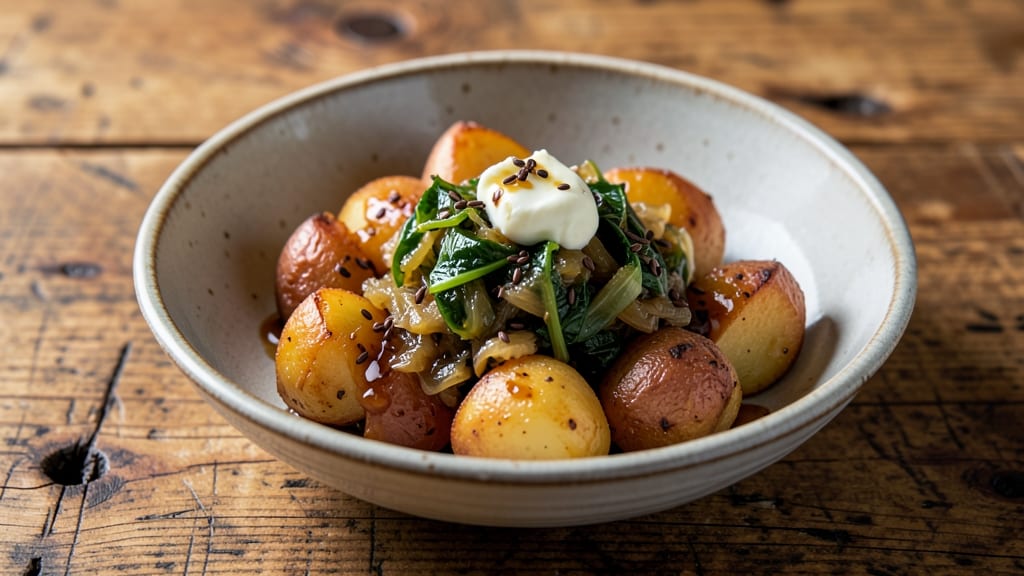
This sauerkraut and potato recipe transforms simple ingredients into a tangy, caramelized side dish that steals the show at any meal. The secret lies in balancing the sharpness of sauerkraut with the natural sweetness of potatoes, creating a harmony of flavors that's both comforting and unexpected.
I developed this recipe after years of experimenting with German-inspired sides, and it's now a staple in my kitchen—especially during cooler months when hearty, flavorful dishes are most welcome.
The beauty of this dish is its simplicity: just potatoes, sauerkraut, and a few pantry staples come together in one pan.
You'll start by parboiling the potatoes to ensure they cook through evenly, then finish them in the same skillet with the sauerkraut, where they'll develop a golden, caramelized crust from the natural sugars.
The key is patience—letting the mixture simmer until the flavors meld and the edges turn crispy, creating a dish that's rich, savory, and just slightly tangy.
What you'll end up with is a restaurant-quality side dish that pairs perfectly with sausages, roasted meats, or even grilled fish. The potatoes become tender and slightly crispy at the edges, while the sauerkraut softens just enough to release its signature tang.
This dish is foolproof, requires minimal effort, and delivers maximum flavor—making it ideal for weeknight dinners or holiday feasts where you want something hearty but still easy to prepare.
The best part? This recipe scales effortlessly, whether you're feeding a family of four or a crowd. For extra depth, I often add a splash of apple cider vinegar or a sprinkle of caraway seeds, but the basic version is already packed with flavor.
Let's get started on creating this tangy-caramelized harmony in one pan.
Ingredients for sauerkraut and potato
Just potatoes, sauerkraut, and a handful of pantry staples create this restaurant-worthy side.
| Ingredient | Amount | Notes |
|---|---|---|
| Russet Potatoes 🥔 | 2 lbs | Cut into 1-inch chunks, peeled |
| Sauerkraut 🥬 | 1 ½ cups | Drained, rinsed if too sour |
| Unsalted Butter 🧈 | ½ cup | Full-fat for best flavor |
| Apple Cider Vinegar 🍎 | 2 tbsp | For tangy depth |
| Granulated Sugar 🍬 | 1 tbsp | Enhances caramelization |
| Caraway Seeds 🌾 | 1 tsp | Toasted for aroma (optional) |
| Kosher Salt 🧂 | 1 ½ tsp | Diamond Crystal preferred |
| Black Peppercorns 🌶️ | ½ tsp | Freshly cracked |
| Fresh Thyme Leaves 🌿 | 1 tbsp | Or 1 tsp dried thyme |
| Smoked Paprika 🌶️ | ½ tsp | For subtle smokiness |
| Olive Oil 🫒 | 1 tbsp | For skillet coating |
The potatoes are non-negotiable—Russets are your best bet for that creamy texture. Grab a 2-pound bag from the grocery store's produce section, or if you're feeling fancy, hit up a local farm for organic. Cut them into even chunks (about 1-inch) so they cook uniformly. The sauerkraut? Look for the kind in jars, not bags—it's usually fresher and less watery. If it's too sour for your taste, give it a quick rinse, but don't drain it completely. That liquid is liquid gold for flavor. For extra depth, I always grab apple cider vinegar from Trader Joe's—it's bright and consistent, but any good-quality vinegar works.
No caraway seeds? Skip them entirely—this dish still shines without them. The smoked paprika is where you can get creative: swap it for regular paprika if you're out, or even a pinch of chipotle powder for a smoky kick. Fresh thyme is ideal, but dried works at one-third the amount. If your sauerkraut is particularly salty, cut the added salt in half. For the sugar, I like to use raw turbinado for extra caramelization, but white granulated does the job too. And if you're short on butter, olive oil works in a pinch, though the flavor won't be quite the same.
This dish reheats like a dream—just pop it in the oven at 350°F for 10 minutes to crisp up the edges. Store leftovers in an airtight container for up to 5 days, though I rarely have any hanging around that long. For meal prep, I double the batch and freeze half. Portion it into single-serving containers before freezing so you can just grab and reheat. The flavors actually get better the next day as everything melds together—trust me on that.
Why You'll Love This Recipe
- One-Pan Magic: I swear by this recipe when I don’t want to wash another dish. Toss the potatoes and sauerkraut in a single pan with butter, and let the oven do the work—no chopping, no stirring, just golden perfection.
- Sweet-Tangy Crunch: That vinegar-sugar glaze on the potatoes? It’s like a caramelized hug. The sauerkraut’s sharp bite cuts through the richness, and honestly, the first bite makes me want to skip dinner and just eat this straight from the pan.
- Weeknight Workhorse: Between us, this feeds my family of four for dinner and lunch the next day. Reheat the potatoes gently, and the sauerkraut stays tangy—no sad leftovers here, just easy seconds.
- Budget Breakthrough: Russets and sauerkraut are cheap staples, but they feel fancy. A pound of potatoes and a jar of kraut stretch to three meals, and the butter and vinegar elevate it without breaking the bank. My wallet and my taste buds thank me.
Step-by-step instructions for sauerkraut and potatoes with tangy-caramelized flavor
Here's how to transform humble potatoes and sauerkraut into a rich, caramelized masterpiece with layers of smoky-sweet depth.
Par-cook the Potatoes for Even Cooking
Begin by peeling the 2 lbs russet potatoes and cutting them into 1-inch chunks. Place them in a large pot and cover with cold water by about 1 inch. Add the 1.5 tsp kosher salt and bring to a boil over high heat. Once boiling, reduce to medium-high and cook for exactly 8 minutes - they should be slightly underdone but tender when pierced with a knife.
Drain immediately and return the potatoes to the pot. Toss them with the 1 tbsp olive oil and 1 tbsp fresh thyme leaves while still hot. This step ensures the potatoes develop a subtle thyme aroma and prevents them from sticking during the final roasting. Let them cool slightly while you prepare the sauerkraut mixture.
Create the Sauerkraut Base with Caramelized Depth
In a large oven-safe skillet, melt the 0.5 cup unsalted butter over medium heat until it foams. Add the drained 1.5 cups sauerkraut and cook for 5 minutes, stirring occasionally. This allows the sauerkraut to soften slightly while releasing its tangy juices.
Add the 2 tbsp apple cider vinegar, 1 tbsp granulated sugar, 0.5 tsp smoked paprika, and 0.5 tsp freshly cracked black peppercorns. Stir well and cook for another 3 minutes until the mixture becomes fragrant and slightly syrupy. The sugar will begin caramelizing, creating a beautiful glossy sheen that signals the base is ready for the potatoes.
Build Layers of Flavor Through Roasting
Carefully add the par-cooked potatoes to the skillet, spreading them evenly over the sauerkraut mixture. Sprinkle with the 1 tsp caraway seeds and toss everything gently to coat the potatoes with the caramelized sauerkraut. The goal is to create an even distribution while maintaining some separate potato pieces for texture contrast.
Transfer the skillet to a preheated 400°F oven and roast for 25-30 minutes, stirring once halfway through. You'll know it's done when the potatoes are golden brown and crispy in spots, with the sauerkraut completely integrated into the dish. The edges should be caramelized with pockets of bubbling, tangy sauce throughout.
Rest and Serve for Maximum Flavor Impact
Remove the skillet from the oven and let the dish rest for 5 minutes. This resting period allows the juices to redistribute, ensuring each bite delivers that perfect balance of tender potatoes, tangy sauerkraut, and caramelized depth.
Garnish with additional fresh thyme leaves if desired, and serve immediately while the potatoes are still warm and the sauerkraut maintains its vibrant texture. The contrast between the crispy edges of the potatoes and the soft, saucy center creates an irresistible mouthfeel that makes every forkful worth waiting for.
Pro Tips For Making Sauerkraut And Potato
- Parboil Potatoes First: Cut your Russets into even chunks, then boil them uncovered for 8–10 minutes until fork-tender but not falling apart. This guarantees they’ll finish cooking evenly in the skillet without turning mushy—no more rubbery potatoes ruining the dish.
- Drain & Rinse Kraut: Sauerkraut’s brine is salty, and you’re already adding butter and sugar. Drain it well, then rinse the kraut under cold water to cut excess acidity—trust me, your taste buds will notice the difference.
- Sweat, Don’t Fry: After parboiling, cook the potatoes on medium-low heat with butter until golden, not high heat. Rushing this step leads to burnt butter and uneven cooking—patience here makes the dish shine.
- Balance Vinegar Last: Add apple cider vinegar and sugar after the potatoes and kraut are done cooking. Stirring it in too early makes the kraut soggy and dulls the tang—save it for the final 2 minutes.
Serving suggestions for this recipe
Protein Pairings
This dish pairs perfectly with hearty proteins that can stand up to its bold tangy-sweet flavors. I love serving it alongside smoked bratwurst or applewood-smoked sausage—the smoky char complements the caramelized potatoes beautifully.
For a lighter option, try grilled chicken thighs marinated in mustard and honey, or pan-seared pork chops with a touch of juniper berries. The sauerkraut's acidity cuts through rich meats, creating a balanced bite. 🍖
Bread Service
Warm, crusty bread is a must when serving this dish. I recommend sourdough or rye bread—their dense texture soaks up the tangy sauerkraut juices perfectly. For extra flair, toast slices and rub them with a garlic clove before serving.
If you're feeling fancy, try pretzel buns or crusty baguette slices for a fun twist. The contrast between the crispy bread and tender potatoes makes every bite more satisfying. 🥖
Garnish Ideas
Fresh herbs elevate this dish instantly. A sprinkle of chopped chives or parsley adds brightness, while toasted pumpkin seeds give a nutty crunch. For a smoky touch, finish with crumbled bacon or crispy fried shallots.
I also love drizzling with high-quality olive oil and a pinch of flaky sea salt right before serving to enhance the caramelized flavors. 🌿
Presentation Tips
Serve this dish straight from the skillet for a rustic, family-style presentation that highlights its golden crust. For individual servings, transfer to a platter and arrange the potatoes in a circular pattern, with sauerkraut peeking through.
Garnish with fresh thyme and a drizzle of apple cider reduction (simmer ½ cup cider vinegar with 1 tbsp sugar until syrupy) for extra elegance. The visual contrast of crispy edges and creamy potatoes makes it irresistible. ✨
Leftovers Reinvented
Turn leftover sauerkraut and potatoes into a tangy potato pancake by mixing with an egg, flour, and a pinch of salt, then pan-frying until golden. Or mash them with sour cream and crispy onions for a creamy side dish.
For a quick breakfast, top with a fried egg and hot sauce. The versatility keeps this dish exciting even after the first serving. 💡
Seasonal Serving Ideas
In winter, this dish shines as a cozy side for roasted meats or beef stew. For spring, pair it with herb-roasted chicken and a light salad. In summer, serve it chilled as a potato salad alternative with a sprinkle of fresh dill.
The flavors adapt beautifully to any season, making it a year-round favorite. 🌸
Nutrition facts
Frequently asked questions
Can I use sweet potatoes instead of russet potatoes?
Sweet potatoes work beautifully in this recipe! Their natural sweetness enhances the caramelization, creating a deeper, more complex flavor profile. Use the same quantity and cooking time, but expect a slightly firmer texture since sweet potatoes have more moisture. The tangy sauerkraut balances their sweetness perfectly.
How do I adjust the recipe if my sauerkraut is too sour?
Rinse the sauerkraut under cold water to remove excess acidity, but don't drain it completely—those juices are flavorful! For extra balance, add 1 extra tbsp of sugar or 1 tbsp of honey while cooking. A splash of apple cider vinegar can also help mellow the sharpness while adding depth.
Can I make this dish in a slow cooker?
Par-cook the potatoes as directed, then combine everything in your slow cooker on low heat for 3-4 hours. Stir occasionally to prevent sticking. The slow cooking will create a more tender potato texture, though you may need to add 1-2 tbsp water if it gets too dry. Finish with a quick broil for crispy edges if desired.
What's the best way to store leftovers?
Store in an airtight container in the refrigerator for up to 5 days. The flavors actually improve overnight as everything melds together! For reheating, cover with foil and warm in a 350°F oven for 10 minutes to restore crispiness. Freeze portions for up to 3 months—just thaw overnight in the fridge before reheating.
Can I make this dish vegetarian?
This recipe is already vegetarian-friendly! The tangy-sweet combination works perfectly without meat. For extra protein, serve with tofu scramble, vegan sausages, or a side of lentil soup. The caraway seeds and smoked paprika add depth that makes it feel hearty enough for any meal.