Side Dishes
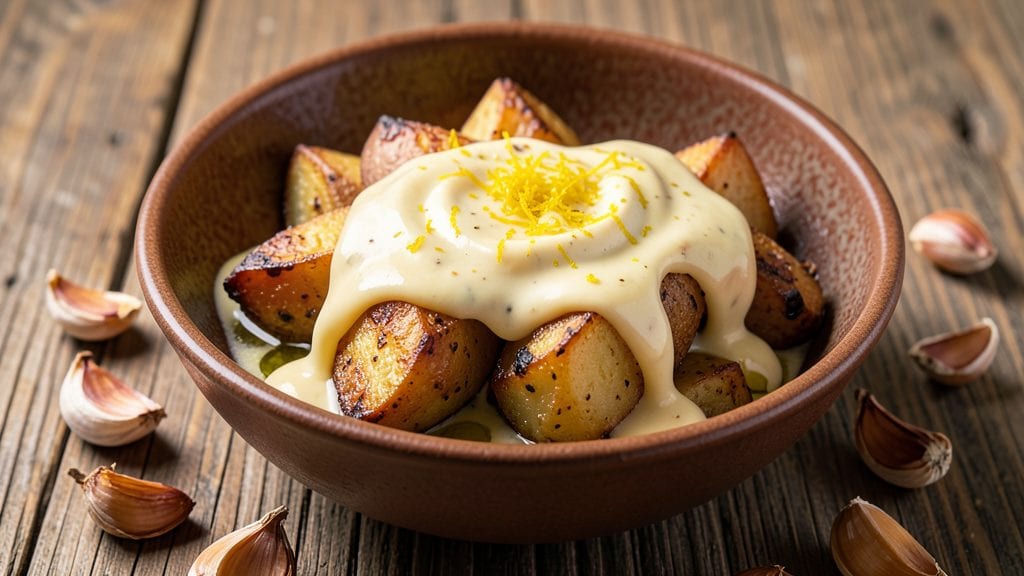
Creating potato mayonnaise transforms simple mayo into a velvety, ultra-smooth spread with earthy depth—perfect for elevating sandwiches, dips, or dressings. The secret lies in blending cooked potatoes directly into the mayo base, which adds natural creaminess without altering the familiar tang.
I developed this recipe after craving a richer alternative to standard mayo, and it became an instant pantry staple.
This sauce requires just five core ingredients and 10 minutes of active prep, making it ideal for meal prep or last-minute gatherings. The texture remains silky-smooth (no lumps!) when blended properly, and the potato’s subtle sweetness balances the mayo’s acidity.
For extra flavor, I recommend adding minced garlic, lemon zest, or fresh herbs like dill—each enhances the versatility.
What you’ll end up with is a versatile condiment that works as a sandwich spread, potato chip dip, or even a tangy salad dressing. The potato infusion creates a luxurious mouthfeel, while the mayo’s acidity keeps it bright and fresh.
Store it in the fridge for up to one week, or freeze for longer shelf life—though I rarely have leftovers.
Pair it with smoked meats, fresh veggies, or grilled fish for a restaurant-worthy touch. The best part? No special equipment is needed—just a blender or food processor. Let’s get started!
Ingredients for potato mayonnaise
Five ingredients blend into restaurant-worthy potato mayo—creamy, tangy, and packed with earthy depth.
| Ingredient | Amount | Notes |
|---|---|---|
| Large Russet Potatoes 🥔 | 2 medium | Peeled, cooked until tender |
| Mayonnaise 🥛 | 1 cup | Duck or avocado oil preferred |
| Lemon Juice 🍋 | 1 tbsp | Freshly squeezed for brightness |
| Garlic Cloves 🧄 | 1 whole | Minced for subtle depth |
| Diamond Crystal Kosher Salt 🧂 | ½ tsp | Adjust to taste |
| Extra-Virgin Olive Oil 🫒 | 1 tbsp | For finishing drizzle |
| Fresh Dill 🌿 | 1 tbsp | Chopped, optional garnish |
Russet potatoes are the secret weapon here—their starchy texture breaks down beautifully when blended. Yukon Golds work too, but Russets give that classic velvety mouthfeel. I grab mine from Trader Joe's when they're on sale, but any grocery store carries them. Cook them until fork-tender (about 15 minutes) so they mash smoothly—no one wants gummy potato bits in their mayo. For extra flavor, I sometimes roast the potatoes first with a sprinkle of salt, but boiled works just fine if you're in a hurry.
No fresh dill? Chives or parsley add a similar bright note, though dill's anise flavor is signature. Short on mayo? Greek yogurt at half the amount gives a tangier twist, but the texture gets thicker. The lemon juice is non-negotiable—it balances the potatoes' sweetness. If you're out, white vinegar at half the amount works in a pinch. The garlic can be roasted for mellow sweetness or raw for a sharper bite. Pro tip: Toast the minced garlic in olive oil for 30 seconds to deepen its flavor without adding heat.
This keeps beautifully in the fridge for one week if stored in an airtight container with a thin layer of olive oil on top. For longer storage, freeze in ice cube trays—thaw overnight in the fridge before using. I always make a double batch because it disappears fast. The texture stays silky if you avoid overheating, so don't let it sit too long in the blender. Perfect for meal prep: just blend fresh potatoes each time you need more, or store the cooked potatoes in the fridge for up to 3 days before blending.
Why You'll Love This Recipe
- No-Peel Hassle: I’ll admit—peeling potatoes used to make me groan. But this recipe? You just scrub, slice, and boil those Russets whole. The skins stay on, and honestly, they add this subtle earthy bite that makes it taste like a restaurant dish.
- Creamy-Garlicky Magic: That mayo-lemon-garlic combo? It’s the secret weapon. The potatoes soak up the tangy richness like a sponge, giving you that perfect balance of buttery, zesty, and sharp. Between us, the first bite always makes me pause mid-chew.
- Lunchbox Legend: I’ve packed this cold in jars for my kid’s school lunches, served it warm at potlucks, and even mashed it into a quick sandwich spread. It’s the kind of dish that works just as well in a thermos as it does on a plate—no fuss, no apologies.
- Pantry Staple Power: You’re already buying mayo, potatoes, and garlic—this uses what you’ve got. No specialty ingredients, no last-minute grocery runs. And the leftovers? They actually taste better the next day, which is basically a miracle in my book.
Step-by-step instructions for ultra-smooth potato mayonnaise
This creamy, velvety potato mayonnaise comes together in minutes—no food processor required.
Cook the Potatoes to a Silky Texture
Place the 2 medium large russet potatoes in a medium pot and cover with cold water by about 1 inch. Add a pinch of the 0.5 teaspoon diamond crystal kosher salt to the water. Bring to a boil over medium-high heat, then immediately reduce to a simmer. Cook for 15-18 minutes until the potatoes are fork-tender with no resistance. Drain thoroughly and let cool slightly—this prevents steam from making your mixture watery.
While still warm, peel the potatoes using a paring knife, leaving the skin behind. The skin contains starch that can make the mayonnaise grainy. Cut the peeled potatoes into ½-inch cubes for even cooking. You'll want them completely cool before blending, so spread them on a wire rack if needed to speed up the process.
Create the Base with Mayonnaise and Garlic
Transfer the cooled potato cubes to a high-powered blender or food processor. Add the 1 cup mayonnaise, 1 minced whole garlic clove, and the 1 tablespoon freshly squeezed lemon juice. Secure the lid and blend on high speed for 30-45 seconds. Stop and scrape down the sides with a rubber spatula—this ensures everything gets fully incorporated and prevents overheating the motor.
The mixture should begin to look smooth and homogenous, though you might still see some slight texture. Here's the thing—potatoes release starch when cooked, and blending them with mayonnaise creates an ultra-stable emulsion that's thicker and creamier than traditional mayo. If it looks too thick, add 1-2 teaspoons of cold water and blend again until perfectly smooth.
Season and Finish with Olive Oil
Add the remaining 0.5 teaspoon diamond crystal kosher salt and the 1 tablespoon chopped fresh dill to the blender. Pulse just until the dill is finely chopped and evenly distributed. With the blender still running, slowly drizzle in the 1 tablespoon extra-virgin olive oil through the feed tube. This creates a luxurious finish that adds depth of flavor and a silky mouthfeel.
Taste and adjust the seasoning—you might need a pinch more salt or lemon juice to balance the flavors. The texture should be velvety smooth with a spreadable consistency, perfect for dips, sandwiches, or as a base for dressings. For an extra touch, transfer to a serving bowl and let it sit at room temperature for 10 minutes before serving—this allows the flavors to meld completely.
Serve Immediately or Store Properly
Use the potato mayonnaise immediately for the best texture and flavor, but it will keep in an airtight container in the refrigerator for up to 5 days. Before serving, give it a quick stir—it may thicken slightly when chilled. If it becomes too thick, thin it with a splash of cold water or lemon juice to reach your desired consistency.
This ultra-smooth potato mayonnaise works perfectly as a dip for veggies, a spread for sandwiches, or even as a base for creamy pasta sauces. The potatoes add a subtle earthiness that pairs beautifully with the richness of the mayonnaise, while the garlic and dill bring bright, fresh notes that keep it from being too heavy. Enjoy it warm or cold—it's that versatile.
Pro Tips For Making Potato Mayonnaise
- BOIL POTATOES UNTIL SOFT: Russets need to be truly tender—no one likes a chewy bite. Cut them into even 1-inch chunks and boil them until a fork slides in like butter (about 12-15 minutes). I used to rush this, and the texture suffered—now I test one piece early and adjust time.
- COOL POTATOES COMPLETELY: Drain those potatoes, then dump them into an ice bath for 5 minutes. This stops cooking and makes them easier to mash later—no more gloppy, uneven textures. (Yes, even if you’re impatient like me.)
- SALT THE MAYO MIX: Diamond Crystal kosher salt is less dense, so use twice what the recipe says for mayo. Taste as you go—this is where flavor hides. I learned this the hard way after a bland batch where I skimped.
- GARLIC TOAST NOT MINCE: Smash raw garlic cloves with the flat side of your knife instead of mincing. This releases more flavor without burning. (Bonus: No garlic breath for 30 minutes.) I was skeptical until I tried it—now I never go back.
Essential equipment for this recipe
Blender Essentials
A high-powered blender or food processor is non-negotiable for achieving that ultra-smooth texture. I use my Ninja BN601 for this recipe—its 1,000-watt motor handles the potatoes' starch without overheating. For budget-friendly options, the Hamilton Beach 58340 works well, though you may need to pulse longer.
Avoid hand mixers or immersion blenders—they can’t break down the potatoes evenly. Always use the tamper tool to scrape down sides during blending. 💡
Peeling Tools
A Y-shaped peeler like the OXO Good Grips makes quick work of removing potato skins without slipping. I find it safer than a paring knife, especially when handling warm potatoes. For extra speed, use a mandoline with a peeling attachment—just be mindful of your fingers!
The key is to peel immediately after cooking while the skins slide off easily. Never skip peeling—skin starch ruins the silky texture. 🥔
Measuring Tools
Precision matters with mayo-based recipes. Use a stainless steel measuring cup for the mayo and a small kitchen scale (like the OXO Good Grips) to weigh potatoes—2 medium russets should yield about 12 oz.
A microplane for garlic and fine-mesh strainer for lemon juice ensure even distribution. I keep a small bowl nearby to catch excess liquid when draining potatoes—it prevents messes and keeps your workspace clean. 🧂
Storage Containers
Transfer the finished mayo to glass airtight containers—I prefer Le Parfait jars with silicone seals for long-term freshness. Mason jars work too, but opt for wide-mouth varieties to avoid scraping. For freezing, use silicone ice cube molds—each cube thaws perfectly for single servings.
Label containers with the date to track freshness. A squeeze bottle with a fine tip is ideal for serving drizzles or dips. ❄️
Optional Extras
Add a garlic press for consistent mincing and a mortar and pestle to toast garlic cloves before blending. For garnishes, keep fresh herbs in a glass herb jar with water—it keeps them crisp for up to 10 days.
A small whisk helps emulsify any separated mayo if you make it ahead. I also keep citrus zesters handy for brightening flavors on the fly. 🌿
Nutrition facts
Frequently asked questions
Can I use sweet potatoes instead of regular potatoes?
Yes, but the flavor will differ! Sweet potatoes add a natural sweetness and deeper orange hue, creating a richer, slightly caramelized taste. For best results, roast them first to intensify their flavor before blending. Regular russet potatoes work better for a classic, neutral base.
Why did my potato mayo turn grainy?
Graininess usually happens if the potatoes weren't fully cooled before blending or if you overworked the mixture. Always let potatoes cool completely to prevent excess moisture. For a rescue, blend in 1 teaspoon of cold water or olive oil while blending on low to restore smoothness.
How can I make this vegan?
Swap the mayo for vegan mayonnaise** (like Just Mayo) and use olive oil instead of butter. Add 1 tablespoon of nutritional yeast for a cheesy depth. The texture remains creamy, but vegan mayo may separate slightly—stir before serving.
Can I make this ahead of time for a party?
Store it in an airtight container in the fridge for up to 5 days. For parties, double the batch and portion into small jars. Just stir before serving—it thickens slightly when chilled. Serve at room temperature for the best texture.
What are the best ways to use potato mayo?
This versatile spread shines as a sandwich filling, veggie dip, or pasta sauce base. Try it on Reuben sandwiches, as a dip for pita chips, or mixed with pesto for creamy noodles. The earthy potato flavor pairs well with smoked meats, fresh herbs, and tangy pickles.