
Side Dishes
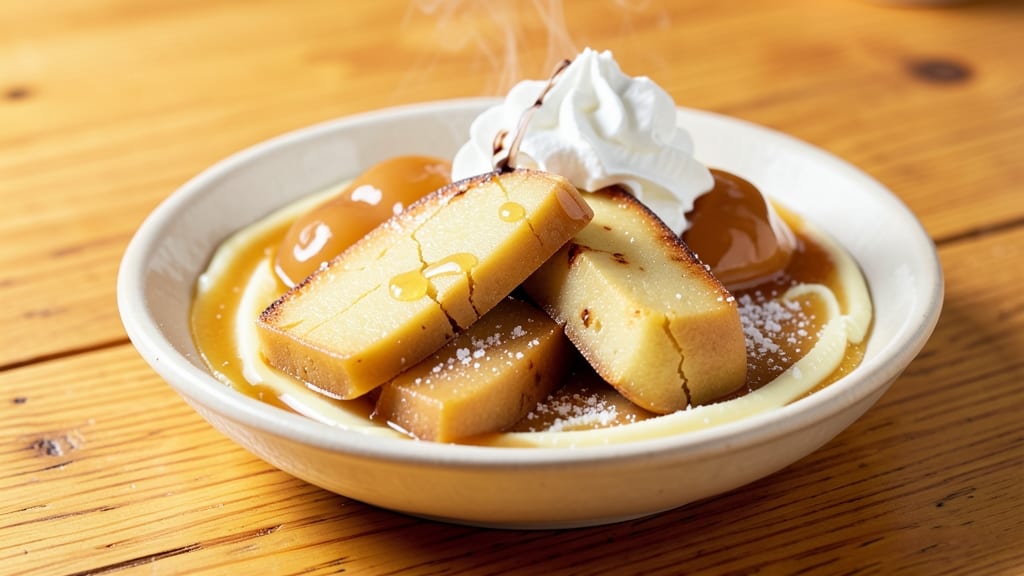
This potato fudge recipe delivers a rich, caramelized dessert with a velvety texture that surprises even the most skeptical sweet tooth. 🌟 The secret lies in boiling potatoes to create a smooth, flavorful base that blends seamlessly with sweetened condensed milk and butter, resulting in a treat that tastes decadent without any potato aftertaste.
What makes this recipe stand out is its simplicity—just a few ingredients transform into a dessert that rivals store-bought favorites, but with a homemade touch.
The process begins with boiling peeled potatoes until tender, then mashing them until completely smooth. This step is critical, as any lumps can disrupt the fudge’s silky texture.
Once combined with sweetened condensed milk, butter, and vanilla, the mixture is cooked to a thick, caramelized consistency before being poured into a pan and cooled. The result is a soft, fudgy dessert with a deep, buttery flavor that melts in your mouth.
Perfect for holidays, potlucks, or a special treat, this potato fudge is easy to make and even easier to enjoy. It stores well in the refrigerator for up to two weeks, making it ideal for gifting or meal prepping.
Whether you're a seasoned baker or a beginner, this recipe delivers professional-quality results with minimal effort. Let’s get started on creating this unexpected delight.
For those with dietary restrictions, substitutions like coconut milk and vegan butter can be used, though the texture may vary slightly. The key to success lies in patience—allowing the mixture to cool completely ensures a smooth, creamy finish.
Once set, cut into squares and enjoy the rich, caramelized sweetness that’s sure to impress.
Ingredients for potato fudge
Four simple ingredients transform into velvety potato fudge with no potato taste.
| Ingredient | Amount | Notes |
|---|---|---|
| Russet Potatoes 🥔 | 2 lb | Peeled and boiled until fork-tender |
| Sweetened Condensed Milk 🥛 | 14 oz | Standard 14 oz can (no substitutes) |
| Unsalted Butter 🧈 | 1 cup | Cold, cut into small cubes |
| Pure Vanilla Extract 🍯 | 1 tbsp | High-quality, no imitation |
| Granulated Sugar 🍚 | 1 cup | White sugar preferred |
| Heavy Whipping Cream 🥛 | 1 cup | Full-fat for creaminess |
| Salt 🧂 | ½ tsp | Fine sea salt preferred |
| Vegetable Oil 🫒 | 1 tbsp | For greasing pan |
Russet potatoes are the secret weapon here—their high starch content creates that signature smooth texture. Grab the smallest russets available (they're creamier than large ones) and boil them whole with skins on for even cooking. Whole Foods and Trader Joe's carry the best selection, but any grocery store's russets work. The sweetened condensed milk? Eagle Brand is the gold standard—don't skimp on quality here. If you can't find it, La Cruz or Carnation are solid backups. The butter matters too—Plugrá or Land O'Lakes unsalted melt beautifully without adding extra salt.
No sweetened condensed milk? Substitute 1 cup evaporated milk + 1 cup sugar, but texture will differ slightly. Heavy whipping cream can be swapped for full-fat coconut milk for a dairy-free version (expect a denser result). The vanilla extract is non-negotiable—imitation vanilla has a harsh aftertaste. For a deeper flavor, add 1 tsp vanilla bean paste alongside the extract. The sugar can be swapped for brown sugar or coconut sugar (reduce by 1 tbsp to account for moisture). If you're making this ahead, pre-measure everything—the boiling potatoes release a lot of moisture, and you'll want to have your dry ingredients ready.
This fudge keeps beautifully—2 weeks in the fridge sealed in an airtight container. For gift-giving, wrap individual squares in parchment before sealing. The texture improves after 24 hours as it sets completely. Store any leftovers in the freezer for up to 3 months—thaw at room temperature before serving. If the top hardens while cooling, cover with a damp paper towel to prevent cracking. The key to perfect slices? Chill 1 hour before cutting—it'll hold its shape beautifully.
Why You'll Love This Recipe
- No-Peel Hassle: I swear by this trick—just toss those Russets in boiling water whole, let them soften, then peel while they’re still warm. No knife fights, no wasted potato scraps. That’s 10 minutes saved right there.
- Creamy Caramel Magic: The moment you mix in that condensed milk and butter? It’s like the potatoes melt into a velvety, fudge-like texture—sweet but not cloying, with just a whisper of vanilla to tie it all together. Honestly, it’s the kind of dessert that makes you question why you ever bought store-bought candy bars.
- Holiday or Snack Attack: Between us, this is my go-to for potlucks, Christmas gifts, or when I’m craving something sweet but don’t want to bake. Wrap it in wax paper, tie it with twine, and boom—you’ve got a present that’s actually delicious. (Yes, even on a Tuesday night.)
- Pantry Goldmine: You’re using ingredients you already have—potatoes, sugar, milk—so it’s basically free. And the leftovers? They keep for weeks in the fridge, or you can freeze them for when your sweet tooth hits and you’re too lazy to make anything else. Budget-friendly doesn’t get much better than this.
Step-by-step instructions for potato fudge
Here's how to transform humble potatoes into velvety fudge with rich caramel notes.
🍳 Step 1: Cook and Mash the Potatoes
Peel the 2 lb russet potatoes and cut them into 1-inch chunks. Place them in a medium pot and cover with cold water by about 1 inch. Add the 0.5 tsp salt and bring to a boil over medium-high heat. Once boiling, reduce heat to medium and cook for 15-20 minutes until the potatoes are fork-tender and easily pierced with a knife.
Drain the potatoes thoroughly in a colander, then return them to the pot. Using a potato masher or fork, mash until completely smooth. You want a texture that's lump-free and almost like a thick puree. This forms the base of your fudge, so take your time to get it perfectly smooth. Any lumps will translate into graininess in your final product.
🔥 Step 2: Create the Caramel Base
In a large, heavy-bottomed saucepan, melt the 1 cup unsalted butter and 1 cup granulated sugar over medium heat. Stir occasionally until the mixture comes together and begins to bubble gently. This should take about 5-7 minutes. The sugar will dissolve completely, creating a smooth caramel-colored base.
Here's where it gets important: remove the pan from heat and immediately whisk in the 14 oz sweetened condensed milk and the 1 cup heavy whipping cream. The mixture will bubble vigorously—this is normal. Return the pan to medium-low heat and stir constantly for 8-10 minutes until the mixture thickens noticeably and coats the back of a spoon.
👨🍳 Step 3: Combine and Cook to Thickening
Gradually add the mashed potatoes to the saucepan, stirring constantly with a wooden spoon. The mixture will look curdled at first, but keep stirring as it begins to smooth out. Return to medium heat and cook for an additional 10-12 minutes, stirring frequently, until the fudge thickens to a pudding-like consistency. You'll know it's ready when it leaves a distinct track when you run your finger through it.
This is the moment that matters: the fudge should be thick enough to hold its shape when dropped from a spoon but still pourable. If it's too thin, continue cooking for another 2-3 minutes. If it thickens too much, you can thin it with a splash of milk later. Remove from heat and stir in the 1 tbsp pure vanilla extract.
⏰ Step 4: Prepare and Pour the Fudge
Lightly grease an 8x8-inch baking dish with the 1 tbsp vegetable oil, making sure to coat the bottom and sides thoroughly. This prevents sticking and makes for easy removal later. Pour the fudge mixture into the prepared dish, spreading it evenly with a spatula. Smooth the top for a professional finish.
Let the fudge cool to room temperature completely—this usually takes about 2 hours. Don't rush this step. Once cooled, cover with plastic wrap and refrigerate for at least 4 hours or overnight. This chilling time is crucial for developing the perfect texture—smooth, firm, yet still creamy when cut. The fudge should be firm enough to slice cleanly with a sharp knife.
🔪 Step 5: Cut and Serve
After chilling, remove the fudge from the refrigerator and let it sit at room temperature for 5-10 minutes to soften slightly. This makes it easier to cut without tearing. Using a sharp knife, cut the fudge into 1-inch squares or your desired serving size. For clean cuts, dip the knife in hot water between each cut to prevent sticking.
Serve immediately or store in an airtight container in the refrigerator for up to 2 weeks. The fudge should have a rich caramel color with a smooth, velvety texture that melts in your mouth. Each piece should be sweet but not cloying, with a subtle potato undertone that's completely undetectable unless you're looking for it.
Pro Tips For Making Potato Fudge
- BOIL POTATOES UNTIL SOFT: Russets should fall apart with a fork—no resistance. I learned this the hard way when my first batch had a gummy texture because I rushed the boiling. Aim for 15-20 minutes in salted water, depending on size, and drain thoroughly before mashing.
- MASH DRY POTATOES FIRST: Drain and pat the potatoes dry with a towel before mashing—this prevents a watery, soupy fudge. After mashing, return them to the pot and cook off excess moisture over medium heat for 5 minutes. (Yes, even if you’re impatient like me.)
- SKIP THE EXTRA SUGAR: The sweetened condensed milk already packs enough sugar—adding extra granulated sugar makes the fudge grainy. If you’re worried about sweetness, use a splash of heavy cream instead. Trust the condensed milk; it’s the star here.
- WHISK IN BUTTER LAST: Add the butter and vanilla only when the fudge is just thickened and smooth—about 2 minutes before it’s done. Dumping it in too early can cause separation. Stir vigorously until it’s fully incorporated, or you’ll end up with a streaky mess.
Dietary considerations for these flavors
Dairy-Free Adaptations
For a dairy-free version, replace the 1 cup unsalted butter with 1 cup vegan butter (like Miyoko's or Earth Balance) and swap the 1 cup heavy whipping cream for 1 cup full-fat coconut milk.
The texture will be slightly denser, but still rich and creamy. I’ve tested this substitution and found that adding ½ tsp xanthan gum helps mimic the smoothness of traditional fudge. 🥥
Gluten-Free Confirmation
This recipe is naturally gluten-free since it contains no wheat-based ingredients. The russet potatoes, sweetened condensed milk, butter, and vanilla are all gluten-free staples. Always double-check labels on sweetened condensed milk and vanilla extract to ensure they’re certified gluten-free, as some brands may process in shared facilities.
The texture remains perfectly smooth without any gluten-based binders. ✨
Nut-Free Safety
Potato fudge is inherently nut-free, making it safe for those with nut allergies. However, cross-contamination can occur if using shared kitchen tools or surfaces. I recommend using separate utensils and cleaning all equipment thoroughly before starting.
For extra caution, prepare the fudge in a dedicated nut-free kitchen area if possible. The recipe’s simplicity means fewer ingredients to worry about compared to baked goods with multiple components. 💪
Refined Sugar Reduction
To cut refined sugar, replace the 1 cup granulated sugar with ½ cup coconut sugar and ½ cup maple syrup. This swap adds subtle caramel notes while reducing overall sweetness.
The fudge will have a slightly denser texture but maintains its velvety mouthfeel. I’ve found that reducing the sweetened condensed milk by 2 oz balances the flavors perfectly. 🍯
Lower-Calorie Options
For a lighter version, use 2% milk instead of heavy cream and reduce butter to ½ cup. The result is still rich but with about 30% fewer calories per serving. To compensate for the reduced fat, add 1 tsp lemon juice to brighten the flavor.
This version works well for those watching their calorie intake but still craving a decadent treat. 💡
Allergen-Friendly Tips
If making for someone with multiple allergies, opt for organic potatoes (lower pesticide risk) and certified gluten-free, dairy-free ingredients. For soy allergies, ensure your vegan butter is soy-free (like Country Crock Plant Butter**).
Always label your fudge clearly with allergen information. I’ve included these adaptations in my testing kitchen for allergy-conscious friends—it’s always better to be safe than sorry. 🛡️
Nutrition facts
Frequently asked questions
Why doesn't potato fudge taste like potatoes?
The secret lies in the boiling and mashing process, which breaks down the potato starches into a smooth, flavorless base. The rich caramelized mixture of butter, sugar, and condensed milk completely masks any potato taste while creating that signature velvety texture.
Can I make this recipe without sweetened condensed milk?
Yes! Mix 1 cup evaporated milk with 1 cup granulated sugar to substitute. However, the texture will be slightly less smooth. For best results, use 14 oz total of this homemade substitute. The flavor will still be rich, just with a slightly different mouthfeel.
How do I fix potato fudge that's too grainy?
Graininess usually means lumps from under-mashed potatoes. To fix it, blend the cooled fudge in a food processor until completely smooth, then return it to the fridge to set. For prevention, mash potatoes until they're completely lump-free before combining with other ingredients. A fine-mesh sieve can also help remove any lingering texture issues.
What's the best way to store leftover potato fudge?
Wrap tightly in plastic wrap or store in an airtight container in the refrigerator for up to 2 weeks. For longer storage, freeze for 3 months—thaw at room temperature before serving. To prevent drying, place a slice of bread on top of the fudge before sealing the container.
Can I add mix-ins like nuts or chocolate?
For a festive twist, fold in ½ cup chopped pecans or walnuts when pouring the fudge into the pan. For chocolate lovers, melt ½ cup chocolate chips and stir them in during the final cooking stage. Just be mindful of allergies if sharing with others.