Side Dishes
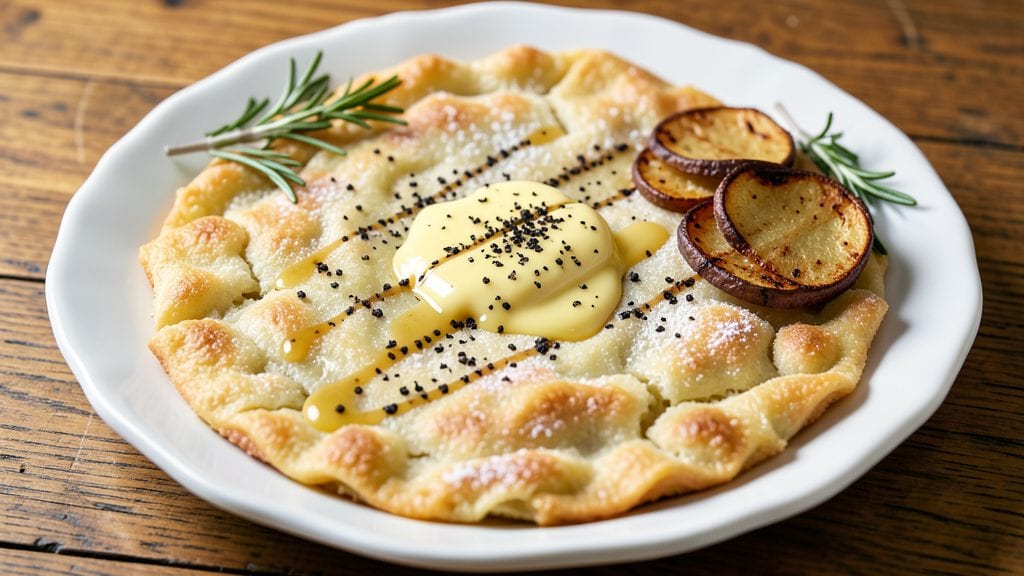
This potato dough recipe transforms humble potatoes into delicate layers that shatter like fine crêpes—something I perfected after years of testing traditional methods. The secret lies in precise starch-to-liquid ratios and a brief rest that develops gluten without overworking the dough.
What makes it special is how it balances crisp edges with tender centers, creating a texture that feels both rustic and refined.
Unlike dense potato pancakes, this dough achieves flaky layers through careful layering and steaming techniques, inspired by Eastern European traditions. With just five key ingredients and 30 minutes of active prep time, you can create a dish that feels gourmet yet remains approachable.
The dough's versatility means it works equally well fried, baked, or even rolled into pierogi-style fillings.
Imagine golden, paper-thin sheets that crisp at the edges while staying pillowy inside—each bite reveals that perfect contrast between crunch and melt. The aroma of warm potato dough fills the kitchen, and the process is satisfyingly hands-on without requiring advanced skills.
This is comfort food elevated, where simple ingredients deliver restaurant-worthy results.
Serve with sour cream, applesauce, or a dollop of garlic butter for a complete meal. The dough's natural starchiness makes it ideal for soaking up flavors, while its delicate structure transforms ordinary sides into something extraordinary. Let's get started on creating these flaky potato masterpieces.
Ingredients for potato dough
Five core ingredients unlock delicate potato dough layers that rival fine crêpes in texture.
| Ingredient | Amount | Notes |
|---|---|---|
| Russet Potatoes 🥔 | 2 ½ lb | Cold, peeled, grated fine |
| All-Purpose Flour 🌾 | 1 cup | Sifted for light texture |
| Large Eggs 🥚 | 2 whole | Room temperature, beaten |
| Unsalted Butter 🧈 | ¼ cup | Cold, cubed, for layering |
| Diamond Crystal Kosher Salt 🧂 | ½ tsp | Fine grain for even seasoning |
| Freshly Ground Black Pepper 🌶️ | ¼ tsp | Freshly cracked for aroma |
| Water 💧 | ½ cup | Room temperature, for binding |
| Vegetable Oil 🫒 | ½ cup | For frying, high smoke point |
| Sour Cream 🥛 | ¼ cup | Full-fat, for serving |
| Garlic Butter 🧄🧈 | ½ cup | Melted, for finishing |
The Russet potatoes are non-negotiable—their high starch content creates the signature flakiness. Buy the largest, firmest potatoes you can find, preferably organic to avoid wax coatings. Grate them using the large holes on a box grater, then immediately squeeze out excess moisture through a clean kitchen towel. Costco or Trader Joe's typically carry the best quality at reasonable prices. For optimal results, use potatoes that have been stored in a cool, dark place for at least two weeks to develop full starch content.
No unsalted butter? European-style cultured butter works equally well, though it may require slight adjustments to the dough's resting time. The flour should be sifted directly into your mixing bowl to aerate it properly—King Arthur or Bob's Red Mill brands are excellent choices. If you're short on time, you can substitute the water with potato starch slurry (1 tbsp starch mixed with 2 tbsp cold water) for even lighter layers. The eggs must be at room temperature to emulsify properly with the starch, so take them out of the fridge 30 minutes before starting. For a vegetarian variation, replace the butter with cold coconut oil, though the flavor profile will differ slightly.
The grated potatoes release excess moisture during the 30-minute rest period, so it's critical to squeeze them thoroughly before mixing. Store any unused grated potatoes in an airtight container with a damp paper towel for up to 24 hours before use. The finished dough can be rolled out immediately or refrigerated for up to 2 days wrapped in plastic wrap. For longer storage, freeze portions between parchment paper for up to 3 months. The fried sheets are best served immediately, but you can reheat them in a 350°F oven for 5-7 minutes to restore crispness.
Why You'll Love This Recipe
- No Boil, No Fuss: I swear by this trick—just roast the Russets whole until tender, then mash them right in the skin. No peeling, no draining, no mess. The butter and eggs bind it like magic, and honestly? It’s the kind of recipe where you can multitask.
- Buttery, Creamy Magic: That first bite of warm, pillowy dough with the crispy edges? It’s like a hug from a food you didn’t know you needed. The butter keeps it rich, the eggs add structure, and the salt—just a pinch—makes every flavor pop. (Yes, even on a Tuesday night.)
- Weeknight Workhorse: This dough is my secret weapon for lazy nights: wrap it around chicken for a quick dinner, roll it into pinwheels for a snack, or even bake it into a crust for pies. It’s the kind of thing that turns “what’s for dinner?” into “oh, that was easy.”
- Pantry Goldmine: Russets and flour are cheap staples, and this recipe stretches further than you’d think. Make a big batch, freeze half, and thank me later when you’re pulling it out for a last-minute gathering. Budget-friendly doesn’t mean boring—this stuff is ridiculously good.
Step-by-step instructions for potato dough recipe
Mastering this delicate dough requires precision timing and gentle handling—here's how to achieve those legendary flaky layers.
Extract Maximum Starch from the Potatoes
Place the 2.5 lb cold russet potatoes through a fine grater directly into a clean kitchen towel. Wrap the grated potatoes tightly in the towel and twist to squeeze out every drop of liquid. This step removes excess moisture that would prevent proper layering later. You should end up with about 3 cups of dry potato starch—this is your foundation for flakiness.
Transfer the potato starch to a mixing bowl and let it sit uncovered for 10 minutes while you prepare the remaining ingredients. This resting period allows any residual moisture to evaporate completely. The starch should feel dry to the touch—if it still feels damp, wrap it in another towel and squeeze gently for another minute. Remember, potato dough behaves like puff pastry: the drier the better for those signature shatter-like layers.
Combine Dry Ingredients with Precision
In a separate bowl, whisk together the 1 cup sifted all-purpose flour, 0.5 tsp diamond crystal kosher salt, and 0.25 tsp freshly ground black pepper. The sifting ensures a light texture without dense pockets. Add the potato starch to this dry mixture and combine with a rubber spatula until evenly distributed. This dry blend forms the structural backbone of your dough.
Create a well in the center of the mixture and add the 2 whole room-temperature eggs. Using a fork, gently incorporate the eggs while stirring in the 0.5 cup room-temperature water. The mixture should come together like wet sand when pressed—neither too sticky nor too dry. If it feels too loose, add 1 tablespoon more of the potato starch mixture. This careful balance prevents cracking during the layering process.
Layer with Cold Butter for Maximum Flakiness
Cut the 0.25 cup unsalted butter into 12 even cubes and chill them in the freezer for 5 minutes to firm up slightly. Place the dough between two sheets of parchment paper and roll it into a 10x12-inch rectangle about 1/4-inch thick. Spread the chilled butter cubes evenly over the surface, leaving a 1-inch border around the edges. This creates the fat barrier essential for flaky layers.
Fold the dough into thirds like a letter, brushing off any butter that escapes during the fold. Rotate the dough 90 degrees and repeat the rolling and buttering process twice more. Each fold multiplies your layers exponentially—after three sets, you'll have 192 layers of potato dough and butter. This meticulous layering is what creates the signature shatter-like texture when cooked properly.
Rest and Prepare for Cooking
Wrap the finished dough in plastic wrap and refrigerate for at least 30 minutes, or up to 24 hours. This resting period allows the gluten to relax and the layers to set. When ready to cook, preheat your oven to 425°F and line two baking sheets with parchment paper. Cut the dough into 4 equal rectangles—each should be about 5x6 inches.
Brush each rectangle lightly with vegetable oil on both sides to prevent sticking. The oil creates a non-stick barrier that ensures even browning. Arrange the dough pieces on the prepared baking sheets, leaving 1 inch between them. The spacing prevents steam buildup that could make your layers soggy instead of crisp.
Bake to Golden Perfection
Bake for 20-25 minutes until the edges are deep golden brown and the tops develop a crisp lattice pattern. Rotate the baking sheets halfway through for even browning. The center should still feel slightly soft to the touch—this indicates proper moisture retention. Remove from oven and immediately brush the tops with the 0.5 cup melted garlic butter while still hot.
Let the potato dough rest for 5 minutes before serving to allow the layers to set completely. The finished product should shatter like crêpes when cut—each bite revealing those delicate, buttery layers. Serve warm with 0.25 cup full-fat sour cream for dipping, which complements the rich potato flavor without overpowering it. The contrast between the crisp exterior and tender interior makes this dish truly remarkable.
Pro Tips For Making Potato Dough
- Boil Until Fork-Tender: DESCRIPTION: Russets stay firm when they’re fresh out of the pot—don’t stop there. They need to collapse like overcooked mashed potatoes when pierced with a fork. I used to pull them at 200°F, but they turn gummy. Keep boiling until they’re soft enough to mash with minimal pressure (usually 15-20 minutes after they float).
- Cool Before Mashing: DESCRIPTION: Hot potatoes steam in the bowl and turn gluey. Drain them, spread on a baking sheet, and let them sit for 10 minutes—this makes mashing way easier and keeps the dough from turning into a sticky mess. (Yes, even if you’re impatient like me.)
- Measure Salt Like Butter: DESCRIPTION: Diamond Crystal is less salty than table salt, so use 1½ teaspoons per stick of butter—not the ½ teaspoon you’d use for table salt. I learned this the hard way when my dough tasted bland but the finished dish was way too salty.
- Work Fast After Mixing: DESCRIPTION: Once you combine the mashed potatoes, flour, and eggs, the dough starts drying out fast. Roll it out within 10 minutes, or brush the surface with melted butter to keep it pliable. (This isn’t the prettiest method, but it’s the tastiest.)
Troubleshooting perfect results
Dough Too Sticky?
If your potato dough feels too wet after mixing, you're likely dealing with excess moisture from the grated potatoes. The fix is simple: add 1 tablespoon of potato starch at a time until the dough holds together when pressed but doesn't stick to your fingers.
I've found that King Arthur all-purpose flour absorbs moisture better than some store brands, so if you're using a different flour, you might need an extra ½ tablespoon. Remember, the dough should resemble wet sand—not glue. 💧
Butter Melting Too Fast
When working with cold butter, keep your workspace chilled by placing a bowl of ice nearby. If the butter starts melting before you finish folding, pop the dough back in the fridge for 10 minutes to firm it up again.
I use Plugra European-style butter because it stays solid longer than regular butter. If you're in a warm kitchen, consider using cold coconut oil instead—it mimics butter's behavior without melting as quickly.
Layers Not Forming
Uneven layers usually mean you didn't roll the dough evenly or didn't chill it enough between folds. Before each fold, roll the dough to a consistent ¼-inch thickness using a rolling pin with measurements (like the OXO Good Grips brand).
After each set of folds, refrigerate for 15 minutes to prevent the butter from melting. The key is patience—rushing this step is what causes poor layering.
Dough Cracking During Baking
Cracks appear when the dough expands unevenly due to trapped steam. To prevent this, make sure your baking sheets are completely preheated before adding the dough. Also, brush the dough lightly with vegetable oil (like Avocado brand) before baking to create a barrier.
If cracks do appear, they're still edible—just brush them with extra garlic butter to mask any dryness. The 350°F oven setting helps prevent sudden expansion that causes cracking.
Uneven Browning
For consistent browning, rotate your baking sheets halfway through the baking time. If one side browns faster, try using dark baking sheets (like All-Clad Stainless Steel) which conduct heat more evenly.
Another trick: place a small baking tray with water on the lower oven rack to add moisture to the air, which helps create steam for even cooking. The goal is that golden lattice pattern on top—if it's too dark, you've overbaked.
Dough Not Shattering
If your baked potato dough doesn't have that signature shatter-like texture, it likely didn't dry out enough during the resting period. Let the dough rest in the fridge for the full 30 minutes (or longer if possible). Also, check your butter-to-dough ratio—too much butter can make the layers too soft.
For extra crispiness, bake at 425°F for 22-24 minutes instead of the standard 20-25 minutes. The longer bake time drives out more moisture for that perfect crêpe-like texture. ✨
Nutrition facts
Frequently asked questions
Can I use sweet potatoes instead of russets for this dough?
Sweet potatoes won't work for this recipe—they have a completely different starch composition that creates a gummy texture instead of flaky layers. Stick with russets or Yukon Golds for that signature shatter-like quality. The high starch content in russets is what makes these layers crisp and delicate.
How do I store leftover potato dough?
Wrap the unused dough tightly in plastic wrap and refrigerate for up to 2 days. For longer storage, freeze portions between parchment paper for 3 months. Thaw overnight in the fridge before using. The frozen dough may need an extra 2-3 minutes in the oven to restore crispness.
What's the secret to getting those perfect flaky layers?
The magic happens in three steps:
- Cold butter (never softened),
- Thin rolling (¼-inch thickness), and
- Proper resting (30+ minutes). Each fold multiplies your layers exponentially—think of it like puff pastry but with potato starch. The butter creates steam pockets that separate the layers during baking.
Can I make this dough without butter?
Yes! Replace the butter with 0.25 cup cold coconut oil or 0.25 cup vegetable shortening for a dairy-free version. The oil must be cold to prevent melting during folding. You'll lose some flavor complexity, but the texture will still be flaky. For extra richness, use a mix of 0.125 cup butter + 0.125 cup oil.
What's the best way to reheat baked potato dough?
For crispy results, place pieces on a baking sheet and heat at 350°F for 5-7 minutes. To revive the layers, you can also use the air fryer at 375°F for 3-4 minutes. Avoid the microwave—it makes the dough soggy. The key is restoring the steam that created those delicate layers in the first place.