Side Dishes
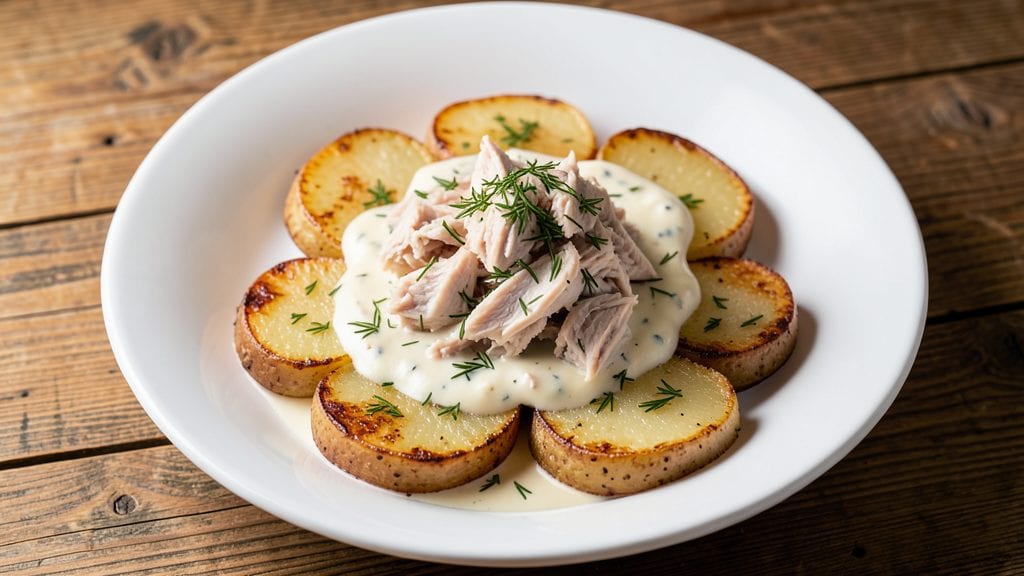
Transforming humble canned tuna and potatoes into a crispy-topped casserole proves that pantry staples can create restaurant-worthy meals. This protein-packed dish delivers satisfying texture and bold flavors without requiring special ingredients or techniques.
The secret lies in layering thinly sliced potatoes and tuna with a savory herb sauce, then baking until the top turns golden and crispy.
What makes this recipe stand out is its versatility—it works as a hearty side dish or even a main course when paired with fresh greens or crusty bread. The potatoes develop a satisfying crispness on top while staying tender inside, while the tuna absorbs the aromatic seasonings for maximum flavor.
With just 15 minutes of prep and 45 minutes of baking, this dish comes together effortlessly.
By the time it emerges from the oven, you'll have a dish with a crispy golden crust, creamy potato layers, and flakes of perfectly seasoned tuna throughout. The aroma alone will have everyone anticipating dinner, and the first bite delivers that satisfying combination of textures and flavors.
This is comfort food at its best—simple yet impressive, filling yet light.
The beauty of this recipe is its adaptability. Swap in different herbs for the seasoning, add a sprinkle of cheese for extra richness, or serve it with a side salad for a complete meal. Let's create this protein-packed casserole that's perfect for weeknight dinners or meal prep.
Ingredients for potato and canned tuna
Pantry staples transform into a restaurant-worthy crispy-topped casserole with minimal effort.
| Ingredient | Amount | Notes |
|---|---|---|
| Russet Potatoes 🥔 | 3 lbs | Thinly sliced, peeled preferred |
| Canned Tuna in Water 🐟 | 2 cans | 5 oz each, drained well |
| Heavy Cream 🥛 | 1 cup | Full-fat for creaminess |
| Mayonnaise 🥫 | ½ cup | Duck or avocado oil preferred |
| Dried Dill 🌿 | 1 tbsp | Fresh preferred if available |
| Dried Parsley 🌿 | 1 tbsp | Mild flavor, easy to find |
| Garlic Powder 🧄 | 1 tsp | Freshly ground preferred |
| Onion Powder 🧅 | 1 tsp | For savory depth |
| Salt 🧂 | 1 ½ tsp | Kosher or sea salt |
| Black Pepper 🌶️ | ½ tsp | Freshly ground preferred |
| Panko Breadcrumbs 🍞 | ½ cup | For crispy topping |
| Grated Parmesan Cheese 🧀 | ¼ cup | Freshly grated preferred |
| Unsalted Butter 🧈 | 2 tbsp | Melted for greasing |
| Lemon Juice 🍋 | 1 tbsp | Freshly squeezed |
The potatoes are the foundation—Russet delivers the best crispy texture when thinly sliced. Look for firm, unblemished tubers at Whole Foods or your local grocery store's produce section. If you can't find Russets, Yukon Golds work too, though they'll be slightly less crisp. The canned tuna should be packed in water, not oil—StarKist or Wild Planet brands are reliable choices. For the herb blend, dried dill and parsley ensure consistent flavor, but fresh herbs add a brighter note if you're willing to spend the extra minute. The key is to drain the tuna thoroughly before mixing, as excess moisture prevents that perfect crispy crust.
No heavy cream on hand? Half-and-half or whole milk work in a pinch, though the texture will be slightly lighter. Swap mayonnaise for Greek yogurt or sour cream for a tangier profile. If you're avoiding dairy entirely, unsweetened almond milk plus 1 tbsp cornstarch mimics the creaminess. For extra richness, add 1 tbsp cream cheese to the sauce mixture. The Parmesan topping can be omitted entirely if you're watching sodium, but it adds a satisfying umami depth. For a vegan version, use nutritional yeast and olive oil instead of the cheese topping. Always measure spices carefully—the garlic and onion powders are what tie all the flavors together.
Prep ahead to save time: slice the potatoes and mix the sauce up to 24 hours in advance, then refrigerate. Assemble the casserole just before baking for the crispiest top. Leftovers keep for 4 days in the fridge, but the texture suffers after day 2. For meal prep, portion into individual containers and reheat covered at 350°F for 15 minutes. The crispy topping is best eaten fresh, so consider making a double batch and freezing half—it reheats beautifully from frozen, though you may need to broil briefly to restore crispiness. Store any unused tuna in its juice in the fridge for up to 3 days.
Why You'll Love This Recipe
- One-Pan Magic: I swear by this for nights when I’d rather not wash a million dishes—just dice potatoes, roast them with the tuna, and let the oven do the work. The heavy cream and mayo caramelize right into the crispy edges, so you end up with something that tastes fancy but couldn’t be simpler.
- Creamy Crunch Combo: That contrast? Chef’s kiss. The flaky, buttery potatoes soak up the tangy mayo and dill while the tuna stays light—no soggy mess here. Honestly, the first bite makes me wonder why I ever skipped canned tuna in recipes.
- Lunchbox Hero: Between us, this is my go-to for meal prep: portion the leftovers into containers, and you’ve got a protein-packed lunch that’s still exciting. My kids even eat it cold—yes, really—and my husband’s the one who cleans out the fridge first.
- Budget Win: Russets and a can of tuna? That’s a grocery list I can live with. The heavy cream and mayo stretch thin, but the flavor feels indulgent, not cheap. I’ll be real: it’s my secret weapon for feeding a crowd without breaking the bank.
Step-by-step instructions for crispy-topped protein-packed casserole
This method delivers a perfectly crispy topping while keeping the potatoes tender and flavorful.
Prepare and Parboil the Potatoes
Peel the 3 lbs russet potatoes and slice them into ¼-inch thick rounds. I use a mandoline for even slices, but a sharp chef's knife works too—just be careful with those fingers. Place the sliced potatoes in a large pot and cover with cold water by about 2 inches.
Bring to a boil over high heat, then reduce to a gentle simmer. Cook the potatoes for exactly 5 minutes—this partial cooking ensures they finish tender in the oven without turning mushy. Drain immediately in a colander and rinse with cold water to stop the cooking process. Pat them completely dry with a clean kitchen towel; any moisture will steam the potatoes instead of crisping them later.
Create the Creamy Tuna Mixture
In a large mixing bowl, combine the 2 cans drained canned tuna in water, 1 cup heavy cream, 0.5 cup mayonnaise, 1 tbsp dried dill, 1 tbsp dried parsley, 1 tsp garlic powder, 1 tsp onion powder, 1.5 tsp salt, and 0.5 tsp black pepper. Stir until completely smooth—you want the tuna fully incorporated so every bite has that rich, creamy texture.
Add the 1 tbsp lemon juice and mix again. The acidity brightens the flavors and balances the richness of the cream and mayo. Taste the mixture and adjust seasoning if needed; sometimes the canned tuna needs a little extra salt depending on the brand. This step is where all the flavor magic happens, so don't rush it.
Assemble the Casserole
Preheat your oven to 375°F. In a 9x13-inch baking dish, spread half of the parboiled potatoes in an even layer. Pour half of the tuna mixture over the potatoes, spreading it evenly. Repeat with the remaining potatoes and tuna mixture, creating a second layer. The goal is to have a uniform distribution so every forkful has both potato and tuna.
Dot the top with the 2 tbsp melted unsalted butter, using the back of a spoon to spread it evenly. This butter will help create that golden, crispy crust we're after. Sprinkle the 0.5 cup panko breadcrumbs and 0.25 cup grated parmesan cheese evenly over the top. The panko will get beautifully crispy while the parmesan adds a salty, umami depth to the final bite.
Bake to Golden Perfection
Place the baking dish on the middle rack of your preheated oven. Bake for 45-50 minutes until the top is golden brown and the breadcrumbs are crispy to the touch. The potatoes should be tender when pierced with a fork, and the internal temperature should reach 180°F at the thickest part of the potato.
Here's the thing—don't open the oven during the last 20 minutes of baking. The steam needs to build up to create that perfect crispy crust. If you're worried about doneness, use an oven thermometer to confirm your oven's actual temperature; many run hot or cold. When the top looks beautifully golden and the edges are crispy, it's ready to serve.
Rest and Serve
Remove the casserole from the oven and let it rest for 10 minutes before serving. This resting period allows the juices to redistribute, ensuring each bite is moist and flavorful. The crispy topping will firm up slightly as it cools, making it even more satisfying to break through with your fork.
Cut into squares and serve immediately. The contrast of the crispy panko topping with the creamy tuna mixture and tender potatoes makes this dish irresistible. For extra flair, garnish each serving with a sprinkle of fresh parsley or a drizzle of lemon juice just before serving to brighten the flavors.
Pro Tips For Making Potato And Canned Tuna
- Parboil Potatoes First: Russets break apart when tossed raw in cream—give them a 5-minute head start in boiling water. Drain well, then finish in the pan; this keeps their structure intact while still letting them soak up the sauce.
- Drain and Rinse Tuna: That canned tuna water tastes like nothing but salt and regret. Drain the fish, then rinse it under cold water to wash away excess brine—your creamy sauce will thank you.
- Low and Slow for Cream: Heavy cream burns faster than you can say "disaster." Simmer the sauce on medium-low, stirring often, until it thickens just enough to coat the back of a spoon—no need to boil it dry.
- Toast the Dill: Crush the dried dill between your palms before adding it—this releases the flavor and prevents clumping. A quick 30-second toast in the pan with the potatoes? Even better.
Essential equipment for great potato and canned tuna
Baking Dish Essentials
For this recipe, a 9x13-inch baking dish is non-negotiable—it ensures even heat distribution and proper layering of potatoes and tuna. I recommend using Ceramic Core or All-Clad stoneware dishes for their superior heat retention, but Anolon or Calphalon stainless steel also work well.
Avoid dark-colored dishes—they absorb too much heat and can overcook the edges. If you only have a glass dish, place it on a silicon baking mat to prevent sticking and ensure even browning. 🔥
Potato Prep Tools
A sharp chef's knife or mandoline slicer is essential for achieving those even ¼-inch potato slices—uneven slices lead to uneven cooking. I use a Benriner mandoline for precision, but a sharp Japanese knife works too.
For peeling, a Y-peeler is faster than a paring knife, especially when dealing with 3 lbs of potatoes. Always peel potatoes just before slicing to prevent browning, and keep a bowl of cold water nearby to rinse slices immediately after cutting. ⚡
Mixing and Measuring
For the tuna mixture, a medium-sized mixing bowl (at least 3-quart capacity) ensures easy stirring. I prefer OXO Good Grips measuring spoons for accurate spice measurements—they have clear markings and stay put when scooping.
A handheld immersion blender can also help break up the tuna flakes for a smoother texture if you prefer. For the panko topping, a fine-mesh strainer helps sift the breadcrumbs evenly over the dish, preventing clumps that could create uneven crispiness. 💫
Oven Thermometer
Your oven's temperature gauge is often inaccurate, and this recipe relies on precise 375°F for that perfect crispy crust. I always use a Thermoworks ThermoPop thermometer—it's affordable, reliable, and fits snugly in my oven.
Place it near the baking dish during the last 10 minutes of cooking to confirm the temperature. If your oven runs hot, reduce the temperature to 350°F to prevent over-browning. This small investment saves you from dry, overcooked casseroles. 🌡️
Optional Upgrades
For a restaurant-quality finish, consider a pizza stone or cast-iron skillet to broil the casserole for the last 3-5 minutes—this intensifies the crispiness. I also love using fresh herbs like dill and parsley for garnishing, which I chop with a Microplane zester for fine, even strands.
If you're feeling fancy, a fine-mesh sieve helps dust the top with extra Parmesan just before serving for a snowy, elegant finish. These extras take minimal effort but elevate the dish significantly. ✨
Nutrition facts
Frequently asked questions
Can I use oil-packed tuna instead of water-packed?
Yes, but you'll need to drain the oil completely and reduce the mayo by 2 tablespoons to maintain the creamy texture. The oil adds richness, so this swap works well if you prefer a more decadent flavor. Just be mindful that oil-packed tuna contains more calories per serving.
How do I make this dish ahead of time?
Assemble the casserole up to 24 hours ahead and refrigerate uncovered. When ready to bake, add 10-15 minutes to the baking time (55-60 minutes total) since it starts cold. For leftovers, store in an airtight container for 4 days—though the crispy topping loses texture after 2 days. To reheat, cover with foil and warm at 350°F for 15 minutes.
What if I don't have panko breadcrumbs?
Use regular breadcrumbs or crushed crackers (like saltines or Ritz) for texture. For extra crispiness, toast the breadcrumbs in a dry pan over medium heat for 2-3 minutes before adding to the top. If you're gluten-free, crushed cornflakes or gluten-free crackers work too—just reduce the amount by 20% since they're less dense.
Can I make this dish without mayo?
Replace the mayo with ½ cup Greek yogurt or sour cream for a tangier profile, or use ¼ cup cream cheese mixed with ¼ cup milk for creaminess. For a dairy-free option, blend ½ cup silken tofu with 1 tbsp lemon juice until smooth. The texture will be slightly lighter but still delicious.
Why did my casserole turn out soggy?
Sogginess usually means the potatoes weren't dried thoroughly or the oven wasn't hot enough. Always pat potato slices completely dry with a kitchen towel, and ensure your oven reaches 375°F (use an oven thermometer to confirm). For extra insurance, broil the casserole for 3-5 minutes at the end to crisp up the top.