Side Dishes
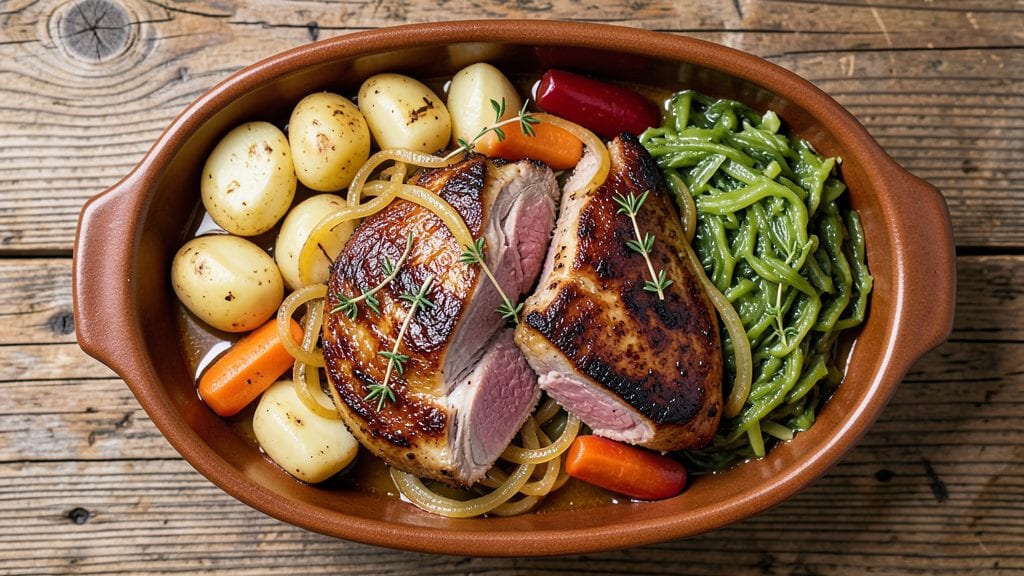
This pork chop, sauerkraut, and potato recipe turns humble ingredients into a one-pan German-style feast that tastes like a homecoming.
After perfecting this dish during a particularly cold Atlanta winter, I learned how to balance tangy sauerkraut with crispy pork and tender potatoes—all while keeping the cleanup to a single pan. The secret lies in precise timing and layering flavors that complement rather than compete.
What makes this recipe work is the harmony between components: pan-seared pork chops develop a caramelized crust while staying juicy inside, sautéed sauerkraut softens just enough to release its tangy depth, and crispy roasted potatoes add a satisfying crunch.
I use bone-in chops for extra flavor and heritage potatoes that hold their shape beautifully—both staples from the local markets where I source ingredients. The method is straightforward but delivers restaurant-quality results with minimal effort.
By the time you serve this dish, your table will smell like a German countryside tavern, with golden pork chops glistening under their crust, sauerkraut bubbling with caramelized onions, and potatoes crisp enough to stand alone.
Each bite delivers a perfect balance of textures and flavors—savory, tangy, and satisfying all at once. This is comfort food at its finest, built to impress without requiring hours in the kitchen.
The beauty of this recipe is its versatility—serve it as a complete meal for a family dinner or scale it back for a cozy weeknight supper. The leftovers reheat beautifully, making it ideal for meal prep. Here’s how to bring this German-inspired feast to your table with confidence and ease.
Ingredients for pork chop sauerkraut potato
Four bone-in pork chops, heritage potatoes, and sauerkraut transform into a German-inspired one-pan masterpiece.
| Ingredient | Amount | Notes |
|---|---|---|
| Bone-In Pork Chops 🥩 | 4 whole | 1-inch thickness, center-cut preferred |
| Heritage Potatoes 🥔 | 2 lb | Yukon Gold or Russet, cut into 1-inch cubes |
| Sauerkraut 🥬 | 2 cups | Unopened jar, drained and rinsed |
| Yellow Onions 🧅 | 1 whole | Medium, thinly sliced |
| Carrots 🥕 | 3 whole | Medium, sliced into 1/4-inch rounds |
| Fresh Thyme 🌿 | ¼ cup | Leaves only, finely chopped |
| Fresh Rosemary 🌿 | ¼ cup | Leaves only, finely chopped |
| Garlic Cloves 🧄 | 6 cloves | Minced, skin-on |
| Unsalted Butter 🧈 | 4 tbsp | European-style preferred |
| Extra-Virgin Olive Oil 🫒 | 2 tbsp | For searing |
| Apple Cider Vinegar 🍎 | 2 tbsp | For tangy depth |
| Diamond Crystal Kosher Salt 🧂 | 1 ½ tsp | For seasoning |
| Freshly Ground Black Pepper 🌶️ | 1 tsp | Coarsely cracked |
| Bay Leaves 🍃 | 2 whole | Dried, for infusion |
The bone-in pork chops are essential for maximum flavor infusion. Local butchers often carry center-cut chops at 1-inch thickness—they sear beautifully while staying juicy. If you can't find heritage potatoes, Yukon Golds are the next best choice; their waxy texture holds up perfectly to roasting. For the sauerkraut, unopened jars from the refrigerated section ensure optimal tanginess. Drain and rinse thoroughly to remove excess brine before adding to the pan. Fresh herbs like thyme and rosemary should be purchased from the market's herb section—they're more potent than grocery store bundles. Look for vibrant green leaves without wilting.
No fresh thyme? Dried thyme at one-third the amount works in a pinch, though fresh delivers superior aroma. Substitute rosemary with fresh sage leaves if unavailable, adjusting to taste. The apple cider vinegar can be swapped for white wine vinegar, though it lacks the subtle sweetness. For a deeper flavor profile, add 1 tbsp of beef broth to the pan when deglazing. The carrots can be omitted entirely if you prefer a simpler presentation, but they add natural sweetness that balances the tangy sauerkraut. If you're short on time, pre-sliced onions from the salad bar save preparation steps without sacrificing quality.
This dish reheats exceptionally well—simply cover with foil and warm in a 350°F oven for 15 minutes. Store components separately in the fridge for up to 4 days, combining only when ready to serve. For meal prep, portion the potatoes and pork chops into individual containers, keeping the sauerkraut mixture separate until reheating. The flavors actually deepen overnight, making this an ideal make-ahead recipe. If you have leftovers, freeze the pork chops separately for up to 3 months—they thaw beautifully in the fridge overnight.
Why You'll Love This Recipe
- One-Pan Magic: I swear by this when I’m too tired to wash dishes—bone-in chops sear right alongside potatoes and carrots while the sauerkraut simmers. No flipping between pans, no stress.
- Craving-Worthy Crunch: That first bite of crispy pork skin over tender potatoes? Then the tangy bite of sauerkraut cutting through the richness—it’s the kind of combo that makes you close your eyes. Honestly, I’ve made it three times this month already.
- Leftovers That Don’t Suck: Unlike takeout that gets sad after day two, this reheats like a dream. The potatoes stay fluffy, the chops stay juicy, and the sauerkraut adds that bright punch—perfect for lunchboxes or a lazy Sunday.
- Budget Feast for Four: Bone-in chops stretch further than their boneless cousins, and heritage potatoes (or even russets) keep costs down. Throw in a jar of sauerkraut and a bag of carrots, and you’ve got a hearty meal that won’t break the bank.
Step-by-step instructions for German-style pork chop feast
This one-pan method delivers tender pork chops, crispy potatoes, and tangy sauerkraut in perfect harmony.
Season and Sear the Bone-In Pork Chops
Pat the 4 whole bone-in pork chops completely dry with paper towels—this ensures maximum crispiness. In a small bowl, combine 1.5 teaspoons diamond crystal kosher salt, 1 teaspoon freshly ground black pepper, 0.25 cup finely chopped fresh thyme, and 0.25 cup finely chopped fresh rosemary. Rub this mixture evenly over both sides of each pork chop, pressing firmly so the seasoning adheres.
Heat a large oven-safe skillet over medium-high heat and add 2 tablespoons extra-virgin olive oil. Once shimmering, add the pork chops and sear for 3-4 minutes per side until they develop a deep golden-brown crust. The chops should release easily from the pan when ready—this indicates proper doneness at the surface. Transfer them to a plate and tent loosely with foil to keep warm.
Build the Vegetable and Sauerkraut Base
In the same skillet (no need to wipe it clean—the fond will add flavor), add 2 tablespoons unsalted butter and let it melt completely. Add 1 whole thinly sliced yellow onion and 3 whole sliced carrots, cooking for 4-5 minutes until the onions soften and carrots begin to caramelize. Stir in 6 cloves minced garlic cloves and cook for 30 seconds until fragrant.
Add the 2 cups drained and rinsed sauerkraut to the skillet, breaking up any large clumps with a wooden spoon. Stir in 2 whole bay leaves and 2 tablespoons apple cider vinegar, then cook for 3-4 minutes until the sauerkraut softens slightly and the flavors meld. Remove the skillet from heat and set aside.
Layer and Roast the Potatoes and Pork
Cut the 2 lb heritage potatoes into 1-inch cubes and add them to the skillet with the sauerkraut mixture. Gently fold everything together, ensuring the potatoes are evenly distributed and coated with the sauerkraut and butter mixture. Return the skillet to the stovetop over medium heat and cook for 2-3 minutes, allowing the potatoes to begin absorbing the flavors.
Carefully transfer the skillet to a preheated 400°F oven and roast for 25-30 minutes, or until the potatoes are tender when pierced with a fork and the pork chops reach an internal temperature of 145°F. The potatoes should be golden brown on the edges, and the pork chops should have a deep caramelized crust.
Rest and Serve with Pan Sauce
Remove the skillet from the oven and let the dish rest for 5-10 minutes before serving. This resting time allows the juices in the pork chops to redistribute, ensuring each bite is moist and flavorful. The potatoes will continue to absorb the tangy sauerkraut and herb-infused butter, creating a rich, cohesive sauce.
Serve the pork chops and potatoes directly from the skillet, spooning the sauerkraut and pan sauce over the top. The combination of crispy pork chops, tender potatoes, and tangy sauerkraut creates a balanced, hearty meal that’s perfect for a cozy dinner. Garnish with additional fresh thyme or rosemary if desired, and enjoy immediately while everything is piping hot.
Pro Tips For Making Pork Chop Sauerkraut Potato
- SEAR THE CHOPS FIRST: Bone-in pork chops need that crust to stay juicy—don’t skip the sear. Hit them hard in a hot pan with oil for 3-4 minutes per side before adding anything else. I used to rush this and ended up with dry meat; patience here makes all the difference.
- RINSE THE SAUERKRAUT: Drain the sauerkraut, then give it a quick rinse under cold water to cut the acidity. This balances the flavors without losing texture—especially important when cooking with potatoes, which can turn mushy if the kraut’s too sharp.
- CUBE THE POTATOES UNIFORM: Cut heritage potatoes into even 1-inch chunks so they cook at the same rate. I learned this after one batch where some were mushy and others still raw—consistency is key when pairing them with pork and sauerkraut.
- SWEAT THE ONIONS LOW: Don’t brown the onions—sweat them gently in butter or oil until soft and translucent. This builds flavor without burning, and it keeps the dish from tasting bitter when mixed with the tangy kraut. (Yes, even if you’re impatient like me.)
Pro cooking tips for pork chop sauerkraut potato
Perfect Pork Sear
The key to restaurant-quality pork chops starts with a dry surface—pat those chops completely dry before seasoning. I use paper towels and press firmly to remove all moisture, which prevents steam from interfering with that golden crust.
Heat your oven-safe cast iron skillet over medium-high heat until it's screaming hot, then add 2 tablespoons of extra-virgin olive oil. Let it shimmer for 30 seconds before adding the chops—this ensures proper heat distribution. 🔥
Sear for 3-4 minutes per side until you get deep golden-brown crusting. The chops should release easily from the pan when ready—this means the Maillard reaction is working its magic. I always test by gently lifting an edge with tongs; if it doesn't stick, it's ready.
Transfer to a plate and tent with foil to keep warm while you build the rest of the dish.
Sauerkraut Magic
Don't rinse your sauerkraut too aggressively—just drain it well and give it a quick rinse to remove excess brine. The tangy liquid is flavor gold!
In the same skillet (no need to clean it—the fond adds depth), melt 2 tablespoons of unsalted butter and sauté thinly sliced onions and carrots for 4-5 minutes until they soften.
Add 6 minced garlic cloves and cook for 30 seconds—this prevents burning while releasing all that aromatic goodness. 🧅
Stir in the sauerkraut, 2 bay leaves, and 2 tablespoons of apple cider vinegar. Let it cook for 3-4 minutes until the sauerkraut softens slightly but still maintains texture.
The vinegar brightens the flavors while cutting through the richness of the pork. Taste and adjust seasoning—you might need a pinch more salt to balance the tang.
Potato Perfection
Cut your heritage potatoes into 1-inch cubes—this size ensures crispy edges while keeping the centers tender. Add them to the skillet with the sauerkraut mixture and fold everything together. The potatoes should absorb the sauerkraut's tangy goodness while roasting.
I always give them a 2-3 minute head start on the stovetop before transferring to the oven—this jumpstarts the caramelization process. 🥔
Roast at 400°F for 25-30 minutes, stirring halfway through if needed. The potatoes are done when they're fork-tender with golden-brown edges. Use a meat thermometer to check the pork chops—145°F internal temperature is perfect. The residual heat will finish cooking everything while keeping the potatoes crispy.
Resting Matters
Never skip the 5-10 minute rest before serving. This allows the pork chops' juices to redistribute, preventing dryness. The potatoes will continue absorbing the sauerkraut and herb-infused butter, creating a rich pan sauce.
I like to tent the skillet loosely with foil during resting—this keeps everything warm while letting excess steam escape. 💫
When ready to serve, spoon the sauerkraut and potato mixture over the pork chops. The combination of crispy pork, tender potatoes, and tangy sauerkraut creates a symphony of textures and flavors.
Garnish with fresh thyme or rosemary for a pop of color and aroma that makes the dish look as good as it tastes.
Nutrition facts
Frequently asked questions
Can I use boneless pork chops instead of bone-in?
Boneless chops work perfectly, but they'll cook faster—about 2-3 minutes per side instead of 3-4 minutes. They're also easier to portion evenly. For extra flavor, add a 1-inch slice of bacon to the skillet while searing the chops.
How do I make this recipe with fewer ingredients?
Skip the carrots and use just 1 onion for the base. For the sauerkraut, omit the bay leaves and vinegar but add 1 teaspoon smoked paprika to deepen the flavor. The dish will still be delicious—just simpler. This cuts your prep time by 5 minutes while keeping the core flavors intact.
Why does my sauerkraut taste too sour?
Fresh sauerkraut often has a strong tang, but you can balance it by adding 1 teaspoon honey or maple syrup to the skillet with the onions. Cook for 1 minute to let the sweetness meld before adding the sauerkraut. A pinch of sugar in the seasoning rub also helps.
Can I cook this in a slow cooker?
Yes! Brown the pork chops first in a skillet, then transfer everything to the slow cooker. Cook on low for 4-5 hours or high for 2-3 hours. The potatoes will be softer (almost mashed), but the flavors will meld beautifully. Add 1/4 cup broth if the mixture seems dry.
What's the best way to reheat leftovers?
Cover the skillet with foil and warm in a 350°F oven for 15 minutes. For extra crispiness, broil for 2-3 minutes at the end. Microwaving works in a pinch, but the potatoes lose their texture. Always reheat pork to 165°F for safety.