
Side Dishes
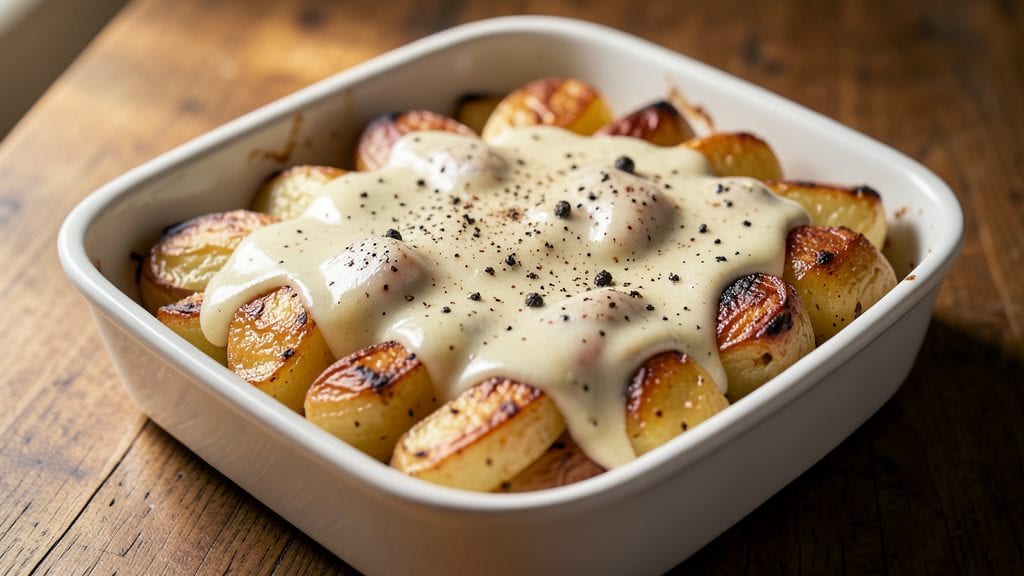
This Parmentier potatoes recipe delivers the creamy, velvety texture of classic mashed potatoes with a rustic French twist that elevates any meal. The secret lies in layering rich butter and cream with perfectly boiled Yukon Gold potatoes, then baking until golden and bubbly.
I developed this technique after years of perfecting French home cooking, where the right balance of moisture and crispy edges transforms simple potatoes into something extraordinary.
The process begins with high-quality potatoes—Yukon Gold or Russets—boiled until tender but not mushy, then mashed with butter, cream, and seasonings until perfectly smooth.
What sets Parmentier potatoes apart is the final step: baking in a buttered dish until the top turns golden and crispy, creating a contrast of creamy inside and satisfying crunch outside. This method ensures every bite is both indulgent and restaurant-worthy.
By following this precise technique, you'll achieve potatoes that are impossibly creamy yet never gluey, with a rich, buttery flavor that makes them the star of any table. The baking step adds depth and texture, turning a simple side dish into a showstopper.
Whether serving alongside roasted meats or as a standalone comfort food, these potatoes deliver on both tradition and modern convenience.
For presentation, a sprinkle of fresh herbs or crispy breadcrumbs adds an elegant touch, while a drizzle of garlic-infused oil enhances the rustic charm. The key is patience—letting the potatoes bake until the edges are golden ensures the perfect balance of textures.
This recipe proves that even classic dishes can be elevated with the right technique and a touch of French flair.
Ingredients for parmentier potatoes
High-quality potatoes, rich butter, and precise technique create these restaurant-style Parmentier potatoes.
| Ingredient | Amount | Notes |
|---|---|---|
| Yukon Gold Potatoes 🥔 | 2 ½ lb | Medium-sized, peeled and quartered |
| Unsalted Butter 🧈 | ¾ cup | European-style, cold for mashing |
| Heavy Cream 🥛 | ½ cup | Full-fat, room temperature |
| Whole Milk 🥛 | ¼ cup | For adjusting consistency |
| Salt 🧂 | 1 ½ tsp | Diamond Crystal preferred |
| Freshly Ground Black Pepper 🌶️ | ½ tsp | Freshly cracked for best flavor |
| Garlic Cloves 🧄 | 2 cloves | Minced for baking layer |
| Fresh Rosemary 🌿 | ¼ cup | Chopped, for garnish |
| Fresh Thyme 🌿 | ¼ cup | Chopped, for garnish |
| Panko Breadcrumbs 🍞 | ¼ cup | For crispy topping |
| Extra-Virgin Olive Oil 🫒 | 1 tbsp | For greasing baking dish |
| Granulated Garlic 🧄 | ½ tsp | For baking layer |
| Nutmeg 🌿 | ¼ tsp | Freshly grated for warmth |
| Grated Parmesan Cheese 🧀 | ¼ cup | Freshly grated for finish |
The potatoes are the foundation—Yukon Golds deliver that perfect creamy texture without turning gluey. Buy them fresh from a specialty grocer like Whole Foods or your local market, not the sad pre-sprouted ones from the back of the store. For the butter, European-style (like Plugrá or Kerrygold) has more flavor than the American variety. The key is keeping it cold until the last moment—this prevents the mash from turning greasy. If you can't find Yukon Golds, Russets work in a pinch, but they'll be slightly starchier. For the herbs, grab fresh rosemary and thyme from the grocery store's produce section—dried won't give you that bright, aromatic finish.
No heavy cream? Whole milk plus 1 tbsp melted butter gets you close, though the texture won't be quite as luxurious. Short on salt? Diamond Crystal kosher salt is the gold standard—it dissolves perfectly and enhances flavor without overpowering. The garlic should be minced, not powdered—fresh makes all the difference. For the baking layer, if you don't have fresh rosemary, dried at half the amount works, but the flavor won't be as vibrant. The panko breadcrumbs are non-negotiable for that perfect crispy top—Japanese panko (like Kikkoman) is ideal, but any panko will do. Want extra richness? Add a splash of white wine (about 1 tbsp) to the baking layer for depth.
These potatoes reheat beautifully—cover with foil and warm at 350°F for 15 minutes to restore that creamy texture. The leftovers keep well in the fridge for 3-4 days, though they're best enjoyed fresh. For make-ahead prep, boil and mash the potatoes a day ahead, then bake just before serving. The crispy top is best eaten immediately, so don't wait too long. Store any extra mash in an airtight container with a thin layer of butter or oil on top to prevent drying. Freezing isn't recommended—they lose their silky texture, but you can freeze the baked portion for up to 1 month if needed.
Why You'll Love This Recipe
- One-Pot Magic: I swear by this recipe because it’s literally one pot, one peel, and done. Peel those Yukon Golds, slice ‘em even, and let the oven work its magic—no boiling, no fuss, just melt-in-your-mouth results.
- Creamy Luxury: That velvety blanket of heavy cream and milk? It’s the secret weapon. The butter melts into the potatoes until they’re tender but still hold their shape—like a hug from a French bistro, but in my kitchen.
- Leftovers? Please.: This dish actually improves the next day. The flavors meld even more, and it reheats beautifully—perfect for packing lunches or feeding unexpected guests. (Yes, even on a Tuesday night.)
- Budget-Friendly Indulgence: You’d never guess how cheap this is to make. Yukon Golds and butter might sound fancy, but they stretch further than you’d think, and the cream adds richness without breaking the bank. My wallet and taste buds win.
Step-by-step instructions for Parmentier potatoes recipe
Transform simple potatoes into restaurant-worthy mashed potatoes with a crispy, herbed topping.
Parboil and Roast the Potatoes
Preheat your oven to 425°F. In a large pot, cover the 2.5 lb Yukon Gold Potatoes with cold water by at least 2 inches and add 1.5 tsp Salt. Bring to a boil over high heat, then reduce to a simmer and cook for 10 minutes. Drain immediately and return the potatoes to the pot.
Toss the warm potatoes with 1 tbsp Extra-Virgin Olive Oil until evenly coated. Spread them in a single layer on a rimmed baking sheet and roast for 25-30 minutes until golden brown and tender when pierced with a fork. The roasting step develops deep flavor and creates a slightly crisp exterior that contrasts beautifully with the creamy interior.
Create the Herb-Breadcrumb Topping
While the potatoes roast, prepare the topping by combining 0.25 cup Panko Breadcrumbs, 0.25 cup Grated Parmesan Cheese, 0.5 tsp Granulated Garlic, and 0.25 tsp Nutmeg in a small bowl. Mix well to distribute the seasonings evenly. This combination adds texture and depth of flavor that complements the creamy potatoes.
In a separate small bowl, whisk together 0.5 cup Heavy Cream, 0.25 cup Whole Milk, 0.5 tsp Freshly Ground Black Pepper, 2 cloves Garlic Cloves (minced), 0.25 cup Fresh Rosemary (chopped), and 0.25 cup Fresh Thyme (chopped). The herbs should be finely chopped to blend seamlessly into the cream mixture. This aromatic blend will infuse the potatoes with bright, herbal notes.
Assemble and Bake the Parmentier Potatoes
After roasting, transfer the potatoes to a 9-inch oven-safe skillet or baking dish. Spoon the herb cream mixture evenly over the potatoes, making sure to coat them completely. The cream should pool slightly in the bottom of the dish—this ensures maximum flavor absorption as the potatoes steam.
Sprinkle the breadcrumb mixture evenly over the top, pressing down gently to help it adhere. Bake at 375°F for 20-25 minutes until the topping is golden brown and the potatoes are fork-tender. The breadcrumbs should develop a crisp texture while the potatoes finish cooking through. If the topping browns too quickly, tent loosely with foil for the last 5 minutes of baking.
Mash to Creamy Perfection
Remove the dish from the oven and let it rest for 5 minutes. Using a potato masher or ricer, gently mash the potatoes directly in the skillet. The residual heat will help create a smooth, velvety texture without requiring additional heat. Add the 0.75 cup Unsalted Butter (cut into small pieces) and mash until fully incorporated and creamy.
Taste and adjust seasoning if needed—you may need a pinch more salt or pepper depending on your preferences. The finished potatoes should have a luxurious, buttery consistency with visible flecks of herb and crispy breadcrumb topping. Serve immediately, as the texture is best when fresh from the oven.
Pro Tips For Making Parmentier Potatoes
- Peel After Cooking: Yukon Golds stay together better raw—peel them only after boiling, when they’re firm but cool enough to handle. I used to peel first and watched chunks fall apart during mashing; this keeps the texture intact.
- Boil Until Fork-Tender: Test doneness at 15 minutes—pierce with a fork. They’re ready when it slides in like butter, not when it meets resistance. Overcooking turns them gluey when you’re blending the cream later.
- Salt the Water Hard: Toss in 2 tablespoons of salt with the cold water—more than you’d use for pasta. The potatoes absorb it as they cook, and the final dish won’t taste bland even with unsalted butter.
- Warm the Dairy First: Heat the heavy cream and milk together over low heat until steaming, then whisk in the butter. Cold dairy makes the mash grainy, and this step guarantees a silky finish without lumps.
Troubleshooting perfect results
Potatoes Too Dry
If your Parmentier potatoes turn out dry or crumbly, it’s usually because they were overcooked during the initial boiling or roasting. I’ve found that Yukon Gold potatoes need precise timing—10 minutes of boiling followed by 25-30 minutes of roasting at 425°F is ideal.
For extra moisture, add 1-2 tablespoons of warm milk or cream while mashing. If you’re using Russets, reduce the roasting time to 20 minutes to avoid drying them out completely.
Topping Not Crispy
The breadcrumb topping should be golden and crispy, but if it comes out soggy, the issue is likely steam buildup. To fix this, bake uncovered and tent loosely with foil only if the topping browns too quickly.
Another trick is to toast the panko breadcrumbs in a dry skillet over medium heat for 2-3 minutes before mixing with Parmesan and herbs. This adds extra crispiness. Also, ensure your oven rack is in the middle position for even heat distribution.
Mash Too Gluey
Gluey mashed potatoes happen when too much starch is released, usually from overworking or using the wrong type of potatoes. To prevent this, avoid over-boiling—stick to 10 minutes in cold water. After roasting, let the potatoes cool slightly before mashing to reduce starch release.
For a smoother texture, use a potato ricer instead of a masher. If the mash is already gluey, stir in 1-2 tablespoons of cold butter to help bind it together.
Uneven Cooking
If the edges cook faster than the center, your oven might not be hot enough or the dish isn’t properly preheated. Always preheat your oven for at least 15 minutes before baking.
For even cooking, place the dish on the middle rack and avoid opening the oven door during the first 15 minutes of baking. If your oven runs hot or cold, rotate the dish halfway through baking to ensure consistent doneness.
Herbs Not Infusing
If the herbs in your cream mixture aren’t adding enough flavor, they might not have been chopped finely enough or weren’t cooked long enough. I recommend mincing the garlic and herbs into tiny pieces—almost like a paste—so they blend seamlessly.
For extra flavor, let the herb cream mixture sit at room temperature for 10 minutes before pouring it over the potatoes. This allows the aromatics to meld together, creating a more cohesive flavor profile.
Baking Dish Too Small
If your baking dish is too small, the potatoes will steam excessively, leading to a watery texture. For 4 servings, a 9-inch oven-safe skillet or baking dish is perfect. If you’re making a larger batch, use a 10-inch dish or divide the potatoes into two smaller dishes.
Avoid overcrowding, as this traps steam and prevents the breadcrumb topping from crisping properly. For extra insurance, parboil the potatoes in smaller batches if your pot isn’t large enough.
Nutrition facts
Frequently asked questions about Parmentier potatoes
Why do Parmentier potatoes need roasting before mashing?
The roasting step develops deep, caramelized flavors and creates a slightly crisp exterior that contrasts beautifully with the creamy interior. It also helps break down the starches for a smoother mash. Skipping this step results in a less flavorful, more watery texture.
Can I make Parmentier potatoes ahead of time?
Yes! Boil and mash the potatoes a day ahead, then store them in an airtight container with a thin layer of butter or oil on top. When ready to serve, bake in a buttered dish at 375°F for 20-25 minutes until golden. The crispy topping is best when fresh, so don't bake too early.
What's the secret to getting the perfect creamy texture?
Use Yukon Gold potatoes (they're waxy and hold shape well) and boil them in cold water for exactly 10 minutes. Let them cool slightly before mashing, and use a potato ricer instead of a masher for ultra-smooth results. The butter should be cold when added to prevent greasiness.
How do I prevent the breadcrumb topping from getting soggy?
Toast the panko breadcrumbs in a dry skillet for 2-3 minutes before mixing with Parmesan. Bake uncovered and avoid opening the oven door during the first 15 minutes of baking. For extra insurance, place the dish on the middle rack where heat is most even.
What can I serve with Parmentier potatoes?
These rich potatoes pair beautifully with grilled meats like steak or chicken, roasted vegetables, or even as a standalone dish for a cozy dinner. For extra flair, drizzle with garlic-infused olive oil or serve with a simple green salad. They're also perfect for holiday meals!