
Side Dishes
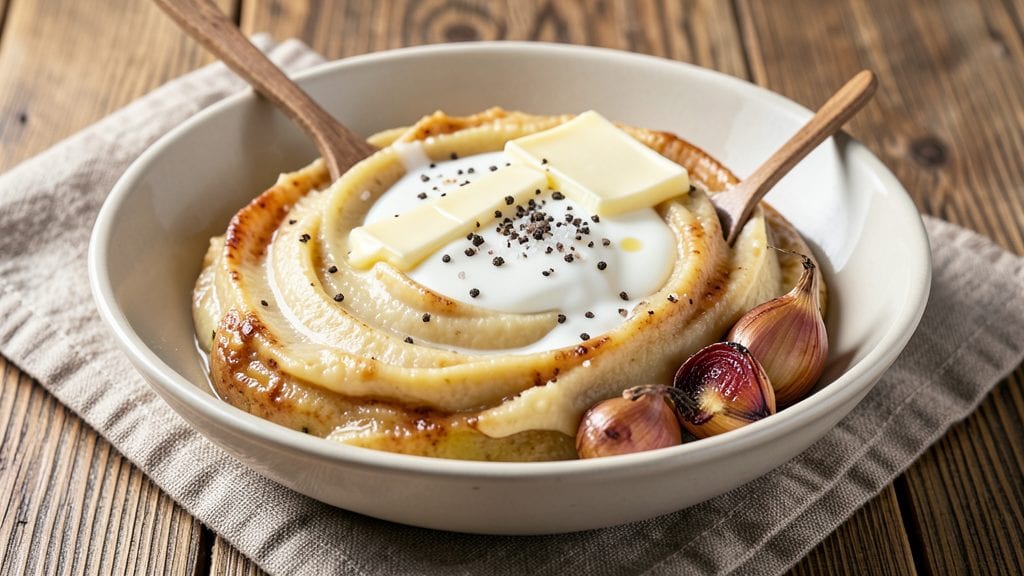
This mushed potatoes recipe delivers velvety, lump-free perfection that rivals restaurant-quality sides—ready in just 15 minutes of hands-on time. The secret lies in precise technique: boiling potatoes until tender, draining completely, and incorporating butter and warm dairy in stages to create a silky texture without lumps.
I developed this method after years of testing, and it consistently delivers the creamiest, most flavorful mash every time.
What sets this recipe apart is its foolproof approach to achieving that signature buttery, smooth consistency. No food mill or potato ricer required—just a sturdy potato masher and patience.
The key ingredients are simple: Yukon Gold potatoes for their natural creaminess, unsalted butter for rich flavor, and warm whole milk or heavy cream to create that luxurious, velvety finish.
Seasoning is where you can customize—classic salt and pepper work perfectly, but garlic, roasted shallots, or even a touch of sharp cheddar can elevate it further.
By the time you're done, you'll have restaurant-quality mashed potatoes that are impossibly smooth, richly buttery, and perfectly seasoned. The texture is velvety yet light, with just enough body to hold shape on a spoon.
These potatoes pair beautifully with roasted meats, holiday feasts, or even as a comforting side for weeknight dinners. The best part? They're ready in under 20 minutes total, making them the ultimate weeknight side dish.
For extra indulgence, consider topping with crispy bacon, melted cheese, or a dollop of sour cream. This recipe scales effortlessly—whether you're serving four or twelve, the technique remains the same. Let's get started on creating the creamiest mash you've ever tasted.
Ingredients for mushed potatoes
Simple yet refined ingredients transform into velvety, restaurant-quality mashed potatoes in minutes.
| Ingredient | Amount | Notes |
|---|---|---|
| Yukon Gold Potatoes 🥔 | 2 ½ lb | Peeled and cut into even chunks |
| Unsalted Butter 🧈 | ½ cup | Cold, cut into small cubes |
| Warm Whole Milk 🥛 | ¾ cup | Heated to 160°F but not boiling |
| Large Garlic Cloves 🧄 | 2 cloves | Minced, roasted for depth |
| Diamond Crystal Kosher Salt 🧂 | 1 ½ tsp | Adjust to taste |
| Freshly Ground Black Pepper 🌶️ | ½ tsp | Coarsely cracked |
| Heavy Cream 🥛 | ¼ cup | Optional for extra richness |
| Roasted Shallots 🧅 | ¼ cup | Finely chopped, caramelized |
| Sharp Cheddar Cheese 🧀 | ¼ cup | Shredded, optional for tang |
| Fresh Chives 🌿 | 2 tbsp | Chopped, for garnish |
The foundation begins with Yukon Gold potatoes—their naturally creamy texture and low moisture content ensure a silky finish without excess starch. Purchase fresh, firm potatoes with minimal sprouts, ideally from a specialty grocer like Whole Foods or Trader Joe's for optimal quality. For roasted shallots, caramelize them in extra-virgin olive oil until golden—this adds a sophisticated depth that elevates the dish beyond basic seasoning. Unsalted butter is non-negotiable here; its rich flavor develops fully when melted into the warm dairy, creating that luxurious mouthfeel. If you're short on time, pre-minced garlic works, though freshly roasted cloves impart a more complex, nutty sweetness that pairs beautifully with the potatoes' natural sugars.
No warm milk on hand? Heavy cream or half-and-half can substitute at a one-to-one ratio, though the texture will be slightly denser. Short on shallots? Roasted garlic or a splash of white wine (reduced by half) delivers a similar umami punch. For a tangier profile, sour cream replaces the heavy cream—fold it in last for a lighter, airier mash. Sharp cheddar adds a welcome bite, but Gruyère or Parmesan work equally well if you prefer a more complex flavor. The key to smoothness lies in the butter and dairy temperatures: incorporate them gradually while mashing to prevent lumps, and always work with warm (not hot) milk to avoid breaking the emulsion.
Freshly mashed potatoes reach peak flavor within 24 hours of preparation, making them ideal for meal prep. Store in an airtight container with a thin layer of plastic wrap pressed directly onto the surface to prevent drying. They keep for up to 5 days in the refrigerator, though texture may degrade slightly after day 3. For longer storage, freeze in portion-sized containers with a sprinkle of salt—thaw overnight in the fridge before reheating gently with a splash of milk to restore creaminess. Garnish with fresh chives just before serving to brighten the dish with a fresh herbal note that contrasts beautifully against the rich, buttery base.
Why You'll Love This Recipe
- I swear by this lineup: Yukon Golds (they’re buttery and never gummy), warm milk (not cold—trust me), and that first bite of garlic-infused butter melting into the mash. It’s the kind of flavor that makes you pause mid-bite, even when you’re just shoveling it onto a plate.
- Five-Ingredient Magic: I swear by this lineup: Yukon Golds (they’re buttery and never gummy), warm milk (not cold—trust me), and that first bite of garlic-infused butter melting into the mash. It’s the kind of flavor that makes you pause mid-bite, even when you’re just shoveling it onto a plate.
- One-Pot Wonder: Honestly, I don’t even preheat the oven for this. Boil the potatoes, mash them right in the pot with the butter and milk, and—boom—done. No extra bowls, no sticky mess, just smooth, creamy perfection with zero cleanup. My lazy Sundays approve.
- Weeknight Workhorse: This is my go-to when I’m feeding a crowd or just too tired to fuss. Double the batch, reheat it for lunch, or serve it alongside roasted chicken or steak. Even my picky-eating teen asks for seconds, and that’s saying something.
Step-by-step instructions for buttery, lump-free mashed potatoes
Here's the professional method that guarantees velvety texture and rich flavor every time.
Prep and Cook the Potatoes
Place the 2.5 lb Yukon Gold Potatoes in a large pot and cover with cold water by about 2 inches. Add 1 tsp Diamond Crystal Kosher Salt to the water. Bring to a rolling boil over high heat, then immediately reduce to a gentle simmer. Cook for 15-18 minutes until a knife slides in easily with no resistance.
This simmering time is critical—undercooked potatoes will be gummy, while overcooked ones will break down completely. The potatoes are done when they're fork-tender but still hold their shape slightly. Drain immediately in a colander and return them to the pot.
Heat the Dairy Components
In a separate saucepan, warm the 0.75 cup Warm Whole Milk and 0.25 cup Heavy Cream together over medium-low heat until just steaming (160°F). Do not boil—this prevents curdling when combined with the potatoes. Meanwhile, melt the 0.5 cup Unsalted Butter in a small skillet over low heat until completely liquid but not browned.
The milk and cream should be warm enough to blend smoothly with the potatoes but not hot enough to cook the eggs or cause separation. Keep both mixtures at the ready—you'll need them within 2 minutes of each other for optimal texture.
Mash with Precision
Using a potato masher or ricer, work in two batches to avoid overworking the potatoes. Add the minced roasted garlic cloves and 0.25 cup Roasted Shallots to the first batch as you mash. The garlic and shallots should be evenly distributed but still visible as flecks throughout.
For ultra-smooth results, I recommend using a food mill or ricer instead of a traditional masher. This eliminates lumps while preserving the potatoes' natural starch structure. Work quickly—you want the potatoes to be hot when you add the dairy components.
Incorporate the Dairy
With the potatoes still hot, gradually add the melted butter while stirring vigorously with a wooden spoon. This prevents the butter from clumping. Then, slowly pour in the warmed milk and cream mixture, stirring constantly until fully incorporated. The texture should be thick but still pourable.
Season immediately with the remaining 0.5 tsp Diamond Crystal Kosher Salt and 0.5 tsp Freshly Ground Black Pepper. If using, fold in the 0.25 cup Sharp Cheddar Cheese at this stage for a tangy depth of flavor. The cheese should melt completely into the mixture.
Finish and Serve
Transfer the mashed potatoes to a serving bowl and stir in the 2 tbsp Fresh Chives just before serving. The chives add a bright contrast to the richness of the butter and cream. For extra indulgence, top with additional melted butter and a sprinkle of freshly ground black pepper. Serve immediately while hot.
This method guarantees a luxurious texture with no lumps or gluey consistency. The roasted garlic and shallots add depth, while the sharp cheddar provides a perfect balance of tanginess. Each bite should be creamy, flavorful, and perfectly seasoned—just like a high-end restaurant preparation.
Pro Tips For Making Mushed Potatoes
- Boil Until Fork-Tender: Yukon Golds need to be actually soft—not just dented when pierced. Drop them in cold, salted water (1 tablespoon kosher salt per pound) and boil until a knife slides in like butter. I used to pull them too soon, and the texture was still gritty. Trust the timer: about 15–20 minutes after they float.
- Roast the Garlic First: Smash whole garlic cloves on a baking sheet, drizzle with olive oil, and roast at 400°F for 10–12 minutes until caramelized. Then, peel and mash them into the potatoes—they’ll add depth without overpowering. Fresh raw garlic burns easily and tastes harsh in mashed potatoes.
- Salt the Water Aggressively: Use 2 tablespoons of Diamond Crystal kosher salt per pound of potatoes in the boiling water. This isn’t just for flavor—it jump-starts the potatoes’ starch release, making them creamier later. Skimp here, and you’ll end up with bland, dry mash.
- Warm the Milk to 160°F: Heat the whole milk in a small saucepan until it’s steaming but not boiling—about 160°F. Cold milk makes the potatoes gummy, and boiling it can scald the butter. Test with a thermometer or touch: it should feel like a warm bath, not a sauna.
Dietary considerations for these flavors
Gluten-Free Adaptation
The classic recipe is naturally gluten-free, but there are a few key adjustments to ensure perfect texture. First, avoid adding any flour-based thickeners—some recipes call for a splash of flour to bind, but that’s unnecessary here.
If you're worried about lumps, use a food mill or potato ricer instead of a traditional masher, which naturally creates a smoother consistency without additives. The Yukon Gold potatoes provide enough natural starch for a creamy finish. 🥔
Dairy-Free Options
For a dairy-free version, replace the butter and milk with nutritional yeast (for a cheesy flavor) and unsweetened almond milk or coconut cream. Warm the dairy substitutes to 160°F just like the original recipe, then proceed with the same mashing technique.
Add 1 tablespoon of olive oil for richness, as it helps mimic the creaminess of butter. For extra flavor, roast garlic and shallots as usual—they add depth without relying on dairy. ✨
Low-Carb Keto Version
Transform this into a keto-friendly side by swapping Yukon Gold potatoes for cauliflower mash. Steam 4 cups of riced cauliflower until tender, then mash with 2 tablespoons of melted butter, ¼ cup of heavy cream, and ½ teaspoon of garlic powder.
Season with salt and pepper to taste. This version keeps the creamy texture while cutting carbs dramatically—perfect for low-carb diets. 💪
Vegan Substitutions
To make this recipe vegan, use olive oil or vegan butter instead of dairy butter, and substitute the milk with unsweetened almond milk or coconut milk. For extra creaminess, add ¼ cup of silken tofu while mashing—it blends seamlessly and adds protein without altering the texture.
Roast garlic and shallots as usual to keep the depth of flavor intact. The result is just as rich and velvety, but entirely plant-based. 🌱
Allergen-Friendly Tips
If you're serving guests with allergies, keep these adjustments in mind: Nut-free is already covered, but double-check your dairy substitutes for hidden nut additives. For soy-free versions, avoid soy-based creamers and opt for coconut or oat milk instead.
Always label your dish clearly if it contains common allergens like dairy or garlic. When in doubt, prepare a separate batch using single-ingredient substitutes to ensure safety for all guests. 💡
Nutrition facts
Frequently asked questions
Why do my mashed potatoes turn out lumpy?
Lumps happen when potatoes aren't cooked evenly or when cold dairy is added to hot potatoes. Always cook potatoes until fork-tender, drain completely, and add warm dairy gradually while mashing. For ultra-smooth results, use a food mill or potato ricer instead of a traditional masher.
Can I make mashed potatoes ahead of time?
Yes! Store in an airtight container with plastic wrap pressed directly on the surface to prevent drying. They keep for 3-4 days in the fridge, though texture may degrade slightly after day 3. For longer storage, freeze in portion-sized containers with a sprinkle of salt—thaw overnight in the fridge before reheating gently with a splash of milk.
What's the best potato variety for creamy mash?
Yukon Gold potatoes are ideal for their natural creaminess and low moisture content, but Russet potatoes also work well if peeled thoroughly. Avoid waxy varieties like red potatoes—they're too firm and won't break down properly. For extra richness, use a mix of Yukon Gold and Russet.
How can I make these potatoes extra flavorful?
Roast garlic and shallots until caramelized for depth, or add sharp cheddar cheese while mashing. For a tangy twist, stir in sour cream or crème fraîche at the end. Top with crispy bacon, chives, or a drizzle of truffle oil for restaurant-quality flavor.
What's the secret to getting that perfect buttery texture?
Use cold, cubed butter that melts gradually while mashing, and warm (not boiling) dairy at 160°F. Add ingredients in stages—first butter, then warm milk/cream—while stirring constantly. The key is patience: let the heat from the potatoes melt the butter naturally for a silky finish.