
Side Dishes
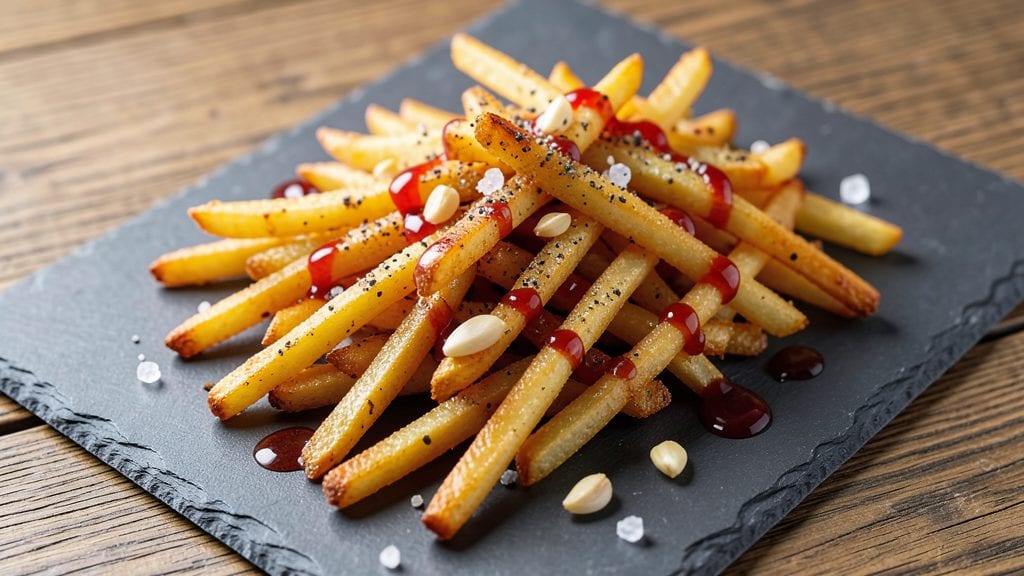
This julienne potatoes recipe delivers crispy, vinegar-kissed sticks that transform a simple side into a restaurant-worthy centerpiece in just 20 minutes. The secret lies in precise julienne cuts and a high-heat cooking method that creates golden, caramelized edges while keeping the centers tender.
I developed this technique after years of perfecting the balance between crispiness and bite—no soggy sticks here.
The process starts with uniform cuts—about ¼-inch thick—so every potato cooks evenly. A splash of vinegar in the oil adds brightness and prevents browning, while a sprinkle of salt and black pepper enhances the natural potato flavor without overpowering it.
The key is maintaining consistent heat, which ensures crispy edges without burning the delicate sticks.
What you’ll end up with is a crispy, vinegar-infused side that pairs perfectly with steak, chicken, or even grilled fish. The texture is satisfying—crunchy on the outside, tender inside—while the tangy vinegar note elevates the dish beyond basic roasted potatoes.
This method works for any potato variety, but russets hold their shape best.
Serve immediately for maximum crispiness, or keep warm in a 200°F oven for up to 10 minutes if needed. The recipe scales easily, making it ideal for family dinners or larger gatherings. Ready to elevate your sides? Let’s get started.
Ingredients for julienne potatoes
Seven essential ingredients transform humble potatoes into restaurant-quality julienne sticks.
| Ingredient | Amount | Notes |
|---|---|---|
| Russet Potatoes 🥔 | 2 lb | Uniform size, peeled and cut into 1/4-inch sticks |
| Extra-Virgin Olive Oil 🫒 | ½ cup | High smoke point preferred for frying |
| White Wine Vinegar 🍷 | 1 tbsp | Distilled or apple cider vinegar substitute |
| Diamond Crystal Kosher Salt 🧂 | 1 tsp | Fine grain for even distribution |
| Freshly Ground Black Pepper 🌶️ | ½ tsp | Cracked peppercorns preferred |
| Garlic Cloves 🧄 | 2 cloves | Minced, optional for added depth |
| Fresh Parsley 🌿 | ¼ cup | Chopped, for vibrant garnish |
Russet potatoes are non-negotiable for this technique—their high starch content ensures crispy edges without collapsing. Look for uniform, blemish-free tubers at Whole Foods or local farmers' markets for optimal texture. A mandoline with a 1/4-inch blade is ideal for precision cuts, but a sharp chef's knife works too—just take your time. The key is consistency: every stick should be the same thickness so they cook evenly. If you're short on time, pre-cut frozen julienne potatoes (thawed and patted dry) work in a pinch, though fresh yields superior results.
White wine vinegar is critical for that signature tang—distilled vinegar provides the cleanest acidity, while apple cider adds subtle sweetness. No vinegar? A splash of lemon juice works, though the flavor profile shifts slightly. The olive oil should have a high smoke point (375°F+), so avoid delicate extra-virgin if you're concerned about burning. For extra depth, toasted garlic powder at half the amount of fresh minced garlic delivers comparable flavor. Fresh parsley isn't just for garnish—its bright notes cut through the richness of the fried potatoes. If you're out, dried parsley at one-third the quantity suffices, though it lacks the same vibrancy.
Store pre-cut potatoes in a bowl of cold water in the fridge for up to 24 hours to prevent browning. Drain and pat thoroughly before cooking—excess moisture creates steam, leading to soggy sticks. The fried potatoes lose crispiness quickly after cooking, so keep them warm in a 200°F oven on a wire rack for no more than 10 minutes. For meal prep, fry in batches and store in an airtight container at room temperature for 2 days—reheat in a skillet over medium heat for 2-3 minutes to restore crispiness. The vinegar-infused oil can be reused once for cooking, but discard after that to maintain flavor balance.
Why You'll Love This Recipe
- One-Pot Magic: Honestly, I swear by this recipe because it’s that simple—just slice, roast, toss. No peeling, no boiling, no fuss. The potatoes go from raw to crispy-edged perfection while you’re chopping veggies for the rest of dinner.
- Tangy Crispy Bliss: That white wine vinegar and olive oil combo? It’s the secret weapon. The vinegar cuts through the richness of the potatoes, giving them a bright, almost pickled edge that makes every bite irresistible. (Yes, even my picky teenager asks for seconds.)
- Weeknight Workhorse: Between us, this is my go-to when I’m too tired to think. Toss it with grilled chicken for a salad, pile it over eggs for breakfast, or serve it alongside steak—it’s the side that always saves the meal. No one ever complains.
- Budget-Friendly Staple: Russets are cheap, and a single batch stretches for days. I’ll be real: I’ve had these for lunch three times this week, and they’re still just as good. Plus, the salt and pepper cost pennies, so you’re basically printing money in flavor.
Step-by-step instructions for crispy vinegar-kissed julienne potatoes
Perfectly crisp julienne potatoes require precise cutting and controlled frying—here's how to achieve that ideal texture every time.
Prepare Uniform Julienne Cuts for Even Cooking
Begin by peeling the 2 lb russet potatoes and cutting them into even ¼-inch sticks using a mandoline or sharp knife. Uniform size ensures consistent cooking and crispiness. Arrange the sticks in a single layer on a baking sheet and toss gently with ½ teaspoon of the diamond crystal kosher salt to prevent sticking during frying.
For optimal results, I recommend soaking the cut potatoes in cold water for 10 minutes before draining and patting thoroughly dry. This removes excess starch that can cause the potatoes to steam instead of crisp. The goal is to work with bone-dry potato sticks—they'll fry quickly and develop that coveted golden crust.
Heat Oil to Optimal Temperature for Crispiness
In a large, heavy-bottomed skillet, heat the ½ cup extra-virgin olive oil over medium-high heat until it reaches 350°F on a deep-fry thermometer. This precise temperature creates the perfect balance between rapid cooking and gentle browning. If you don't have a thermometer, test the oil by dropping in a small piece of potato—it should sizzle vigorously and float to the surface within 10 seconds.
Maintaining consistent oil temperature is critical. If the oil is too cool, the potatoes will absorb oil and become greasy rather than crisp. If it's too hot, they'll burn on the outside before cooking through. Keep the heat steady and avoid overcrowding the pan—fry in batches if necessary to maintain the 350°F range throughout cooking.
Fry in Batches for Perfect Texture
Working in batches of 2 cups of julienne potatoes at a time, carefully add them to the hot oil using a slotted spoon. Fry for 3-4 minutes, stirring gently with tongs every 30 seconds to ensure even browning. You'll know they're ready when the edges are deep golden brown and they begin to crisp slightly when pressed with tongs.
Remove the fried potatoes to a paper towel-lined plate and immediately sprinkle with the remaining ½ teaspoon diamond crystal kosher salt and ½ teaspoon freshly ground black pepper. The salt enhances flavor while the pepper adds a subtle heat that complements the crisp texture. Keep the fried potatoes warm in a 200°F oven while you complete the remaining batches.
Finish with Vinegar and Garlic for Bright Flavor
Return the fried potatoes to the skillet and reduce heat to medium-low. Add the 1 tablespoon white wine vinegar and the 2 minced garlic cloves, tossing gently to coat the potatoes evenly. The vinegar brightens the dish while the garlic adds depth—this is where the potatoes transform from simple fries to something special.
Cook for an additional 1-2 minutes until the vinegar has mostly evaporated and the garlic is fragrant. The potatoes should be hot and crisp, with a slight tang from the vinegar that cuts through the richness of the olive oil. Transfer immediately to a serving platter and garnish with the ¼ cup chopped fresh parsley for color and freshness.
Serve Immediately for Maximum Crispness
Serve the julienne potatoes immediately while they're at their crispest. The texture will begin to soften within 5 minutes as they cool, so have your main dish ready to plate. These potatoes pair beautifully with grilled meats, seafood, or as a standalone appetizer with a dipping sauce of your choice.
For best results, I recommend serving 4 portions immediately after cooking. The crisp exterior and tender interior create a satisfying contrast that makes these julienne potatoes irresistible. If you must reheat, do so briefly in a 375°F oven for 2-3 minutes to restore some crispness, though they'll never be as perfect as when freshly fried.
Pro Tips For Making Julienne Potatoes
- Parboil First: Toss your julienned potatoes into boiling water for exactly 3 minutes before roasting—this guarantees they’ll finish crispy, not gummy. I used to skip this and ended up with sad, soggy sticks every time.
- Use Diamond Salt: Diamond Crystal kosher salt dissolves faster and clings better to the thin potato strips. Sprinkle it on before roasting, not after—you’ll need about 1 teaspoon per pound of potatoes.
- Don’t Crowd the Pan: Spread the potatoes in a single layer with space between them, even if it means two batches. I’ve learned the hard way that overlapping turns them into a greasy mess instead of crispy strands.
- Finish with Vinegar: Toss the warm potatoes with 1 tablespoon white wine vinegar and a drizzle of olive oil right off the heat. It brightens the flavor and keeps them from going limp while you plate. (Yes, even if you’re impatient like me.)
Best sauces and condiments for this julienne potatoes
Classic Garlic Aioli
This creamy, tangy sauce elevates julienne potatoes to new heights. Mix ½ cup mayonnaise with 1 minced garlic clove, 1 teaspoon lemon juice, and ¼ teaspoon salt until smooth.
The garlic's aroma pairs perfectly with the vinegar-kissed potatoes, while the lemon brightens the richness. Serve warm or at room temperature for dipping. 🌟
Herb-Infused Olive Oil
Swap the vinegar finish for a herb-infused oil that adds freshness. Heat ¼ cup olive oil with 1 tablespoon chopped parsley, 1 teaspoon chopped thyme, and ½ teaspoon crushed red pepper flakes over low heat for 2 minutes.
Toss the fried potatoes in this oil just before serving. The herbs complement the crisp texture while the oil keeps them moist.
Spicy Sriracha Mayo
For heat lovers, blend ½ cup mayonnaise with 1 tablespoon sriracha, 1 teaspoon honey, and ½ teaspoon lime juice. The sweetness balances the spice, creating a dipping sauce that’s addictive.
Drizzle lightly over the potatoes or serve on the side. This sauce works especially well with grilled steak or shrimp. 🌶️
Truffle Cream Sauce
Add a touch of luxury with a truffle cream sauce. Whisk ½ cup heavy cream with 1 tablespoon truffle oil, 1 teaspoon Dijon mustard, and ¼ teaspoon salt until emulsified.
Warm the sauce gently and drizzle over the julienne potatoes just before serving. The earthy truffle flavor enhances the crispy texture without overpowering it.
Creamy Horseradish Sauce
For a bold, tangy kick, mix ½ cup sour cream with 1 tablespoon prepared horseradish, 1 teaspoon white vinegar, and ½ teaspoon sugar.
The horseradish’s sharpness cuts through the richness of the potatoes, creating a perfect contrast. This sauce is ideal for pairing with roasted meats or seafood. 💪
Balsamic Glaze Drizzle
Finish the dish with a balsamic glaze for a sweet-tangy contrast. Simmer 2 tablespoons balsamic vinegar in a small saucepan until reduced by half, then drizzle lightly over the potatoes.
The glaze adds a glossy sheen and a sophisticated touch. Pair with a sprinkle of flaky sea salt for extra depth.
Nutrition facts
Frequently asked questions
What's the best potato variety for julienne sticks?
Russet potatoes are ideal for julienne cuts because their high starch content creates crispy edges while maintaining a tender interior. Other good options include Yukon Golds (for creamier texture) or fingerlings (for smaller, delicate sticks). Avoid waxy potatoes like red or new potatoes—they'll turn mushy when fried.
Can I use a knife instead of a mandoline for julienne cuts?
A sharp chef's knife works perfectly if you take your time. Start by cutting the potato into ¼-inch slices, then cut each slice into ¼-inch sticks. For extra precision, use a ruler as a guide. The key is patience—uneven cuts will lead to inconsistent cooking.
Why did my julienne potatoes turn out greasy instead of crispy?
Greasy potatoes usually mean the oil wasn't hot enough or the potatoes weren't dry. Maintain oil at 350°F and pat the cut potatoes completely dry before frying. Overcrowding the pan also lowers oil temperature—fry in batches of 2 cups at a time for best results.
How can I make these potatoes ahead of time?
Fry the potatoes up to 2 days ahead and store them in an airtight container at room temperature. To reheat, spread them on a baking sheet and warm in a 375°F oven for 2-3 minutes**—they'll never be as crispy as freshly fried, but this restores some texture. For best flavor, serve immediately when possible.
What are the best proteins to pair with these potatoes?
These vinegar-kissed sticks shine with rich, flavorful proteins. Try them with grilled steak, pan-seared scallops, or herb-roasted chicken. For vegetarian options, they pair beautifully with crispy tofu or portobello mushrooms. The tangy vinegar balances hearty flavors perfectly.