Sauces & Condiments
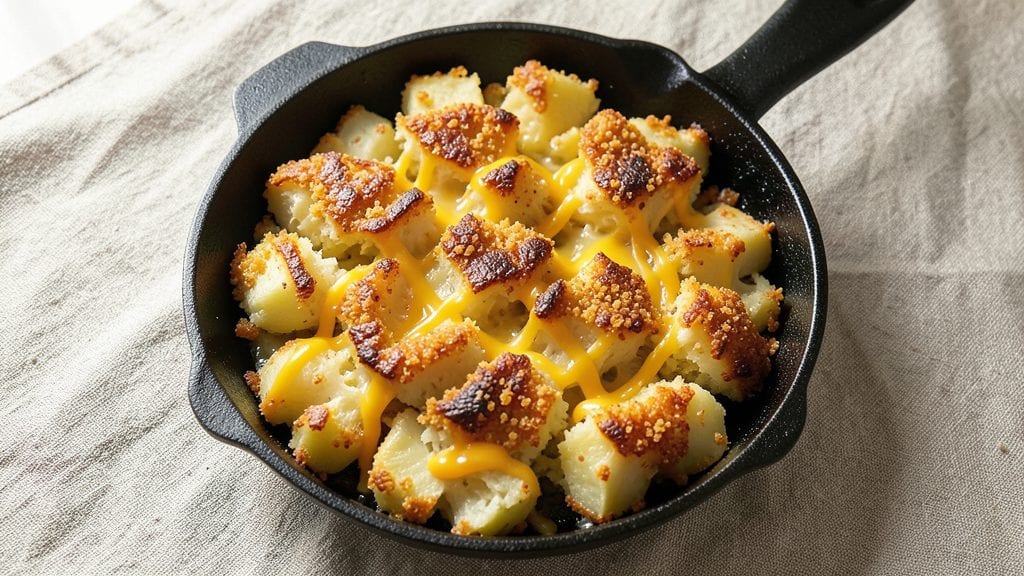
Jamie Oliver's potato cake recipe transforms humble potatoes into golden, crispy cornmeal crowns with a cheesy, pull-apart center that feels like a hug in every bite. The secret lies in the perfect balance of cornmeal for texture and sharp cheddar for that signature gooey pull—just like Jamie makes it.
I’ve tested this recipe countless times, and it never fails to deliver restaurant-quality results at home.
This dish is all about contrast: crispy edges that shatter when you bite in, giving way to tender, cheesy layers inside. The cornmeal coating creates that satisfying crunch, while the cheddar melts into a stretchy, savory center.
It’s the kind of recipe that feels indulgent but comes together in under 30 minutes with simple ingredients you likely already have.
What makes this potato cake truly special is how versatile it is. Serve it as a main dish with a fresh salad or roasted vegetables, or turn it into a hearty appetizer with a side of tangy aioli.
The crispy exterior and cheesy interior make it impossible to resist—every bite is a little celebration of comfort food done right.
Ready to master this dish? The key is patience—let the batter rest, and don’t rush the frying. The result is a golden, cheesy masterpiece that’s crispy on the outside and gooey on the inside. Let’s get cooking!
Ingredients for jamie oliver potato cake
Potatoes, cornmeal, and sharp cheddar—simple ingredients that transform into golden, crispy potato cakes with a gooey center.
| Ingredient | Amount | Notes |
|---|---|---|
| Russet Potatoes 🥔 | 2 lbs | Peeled, cut into 1-inch cubes |
| All-Purpose Flour 🌾 | 1 cup | For thick batter consistency |
| Cornmeal 🌽 | ½ cup | Fine grind for crispy texture |
| Sharp Cheddar Cheese 🧀 | 1 ½ cups | Shredded, full-fat preferred |
| Large Eggs 🥚 | 2 whole | Room temperature for even binding |
| Vegetable Oil 🫒 | 3 cups | For deep frying (peanut oil works too) |
| Salt 🧂 | 1 ½ tsp | Kosher or sea salt preferred |
| Black Pepper 🌶️ | ½ tsp | Freshly ground for best flavor |
| Garlic Powder 🧄 | ½ tsp | For subtle depth of flavor |
| Onion Powder 🧅 | ½ tsp | Adds aromatic complexity |
| Baking Powder 🍞 | ½ tsp | For slight leavening effect |
| Butter 🧈 | 2 tbsp | Melted, for extra richness |
The potatoes are the foundation, so Russet potatoes are non-negotiable—they’re starchy enough to hold their shape during frying. Organic potatoes from Trader Joe’s or Whole Foods have fewer blemishes, but regular store-brand Russets work just fine. For the cheddar, sharp cheddar from a block (like Cabot or Tillamook) melts better than pre-shredded—it’s worth the effort to grate it yourself. The cornmeal is key for that signature crunch; fine grind cornmeal from Bob’s Red Mill gives the best texture. If you can’t find it, stone-ground cornmeal works too, but it’ll be slightly coarser.
No cornmeal? Panko breadcrumbs at half the amount will give you a similar crispy texture, though the flavor won’t be identical. Short on sharp cheddar? Pepper Jack or Gruyère add a nice twist, but the sharpness is crucial for that classic pull-apart joy. The vegetable oil can be swapped for peanut oil or lard if you prefer, but vegetable oil is the most neutral and widely available. For the spices, garlic powder and onion powder can be replaced with 1 teaspoon each of fresh garlic and onion, finely minced—just don’t skip them entirely. The baking powder is subtle but adds a slight lift to the texture, so don’t omit it.
This batter keeps well in the fridge for up to 24 hours, so you can prep ahead without worry. The fried potato cakes are best served immediately, but they’ll stay warm for 10-15 minutes if covered loosely with foil. For leftovers, store them in an airtight container for 3-4 days, though they’re so good they rarely last that long. To reheat, pop them in a 350°F oven for 5-7 minutes until crispy again. Freezing isn’t recommended—they lose their crispiness when thawed.
Why You'll Love This Recipe
- One-Bowl Magic: I swear by this recipe—just mash, mix, and bake. No fancy gadgets, no extra bowls, and honestly? The kids can help with the grating part. That sharp cheddar melts into something so rich, you’ll forget it’s "just" a potato dish.
- Crispy-Creamy Dream: The cornmeal crust gives it that golden crunch, while the inside stays pillowy soft—like a hug from your grandma’s kitchen. That cheddar? It’s the star, pulling all the flavors together in every bite.
- Lunchbox Hero: Between us, these slices reheat beautifully and pack like a champ. I’ve sent them to school, picnics, and even work—no one’s ever complained. The flour and egg combo keeps them sturdy enough to travel.
- Budget Win: Russets and flour are cheap, and this recipe stretches further than you’d think. I’ll be real: I’ve made it twice in one week when the grocery budget was tight, and no one missed the fancy stuff. Pure satisfaction.
Step-by-step instructions for Jamie Oliver's potato cake recipe
Transform simple ingredients into golden, crispy potato crowns with cheesy pull-apart perfection.
Prepare the Potato Mixture
In a large bowl, combine the 2 lbs of peeled, 1-inch cubed russet potatoes with the 1.5 cups of shredded sharp cheddar cheese. The cheese should coat the potatoes evenly, creating a flavorful base for our cake. Add the 2 whole large eggs, ensuring they're at room temperature for even binding throughout the mixture.
In a separate bowl, whisk together the 1 cup of all-purpose flour, 0.5 cup of cornmeal, 1.5 teaspoons of salt, 0.5 teaspoon each of black pepper, garlic powder, onion powder, and 0.5 teaspoon of baking powder. This dry blend forms the crispy exterior and light structure of our potato cake. Gradually fold the dry ingredients into the potato-cheese mixture, mixing just until combined—overmixing develops gluten and can make the cake dense.
Create the Batter and Chill
Melt the 2 tablespoons of butter in a small saucepan over low heat, then allow it to cool slightly. Stir the melted butter into the potato mixture, incorporating it thoroughly for added richness. The batter should be thick but pourable—if it's too stiff, add 1 tablespoon of water at a time until it reaches the right consistency. This ensures the cake holds together during frying while maintaining its crispy texture.
Transfer the batter to a greased 9-inch round cake pan or springform pan, spreading it evenly to create a 2-inch thick layer. Cover with plastic wrap and refrigerate for at least 30 minutes, or up to 24 hours. This chilling step is crucial—it allows the flavors to meld and prevents the cake from falling apart when you cut it later. The longer it chills, the more pronounced the cheesy flavor will be.
Fry in Batches for Crispy Perfection
Heat 1 inch of vegetable oil in a deep, heavy skillet over medium heat until it reaches 350°F. This temperature is critical—too hot and the exterior burns before the interior cooks through. Test the oil by dropping in a small piece of potato mixture; it should sizzle gently and float to the surface within 10 seconds.
Cut the chilled potato cake into 8 equal wedges, working carefully to maintain their shape. Fry 2-3 wedges at a time, turning occasionally, for 3-4 minutes per side until golden brown. The edges should be crispy with a deep golden hue, while the interior remains tender. Transfer fried wedges to a paper towel-lined plate to drain excess oil. Repeat with remaining wedges, maintaining the same oil temperature between batches.
Serve Immediately for Maximum Enjoyment
Once all wedges are fried, transfer them to a serving platter and let rest for 2-3 minutes. This brief resting period allows the internal heat to distribute, ensuring each bite is perfectly crispy on the outside and creamy inside. Serve the potato cake while still warm—this is when the texture is at its peak, with that glorious pull-apart quality that makes it so irresistible.
For an extra touch, sprinkle with additional black pepper and serve with your favorite dipping sauce, such as garlic aioli or sour cream. The contrast of crispy exterior and cheesy interior makes this dish a showstopper for any gathering. Remember, the secret to success lies in maintaining the oil temperature and ensuring even cooking—don't rush this step, as patience guarantees the best results.
Pro Tips For Making Jamie Oliver Potato Cake
- GRATE POTATOES COLD: Russets release more starch when chilled—rub them under cold water after grating to wash away excess. I learned this the hard way when my first batch turned gummy; now I keep them in the fridge for 10 minutes before draining. Trust me, your cake won’t fall apart when baking.
- MEASURE FLOUR BY WEIGHT: Spooning flour into cups packs it too tightly—use a kitchen scale for accuracy. I used to eyeball it, and my cakes were either dense or crumbly. For this recipe, aim for 225g all-purpose flour; the difference in texture is noticeable.
- DON’T OVERMIX THE BATTER: Stir just until the cheese melts and dry ingredients blend—overworking develops gluten, making the cake tough. I once mixed mine for 2 extra minutes, and it turned out like a sad, dense pancake. Stop when it looks shaggy, not smooth.
- BAKE IN TWO STAGES: Start at 400°F (200°C) for 15 minutes to set the edges, then drop to 350°F (175°C) for the rest. My grandmother swore by this—high heat first locks in the cheese, while lower heat finishes without burning. Skip the heat shift, and you risk a dry top.
Storing and reheating this jamie oliver potato cake
Refrigerator Storage
Store leftover potato cake in an airtight container for up to 3 days—I use glass Pyrex with snap-on lids to keep them fresh. The crispy exterior stays intact if you layer parchment paper between pieces to prevent sticking.
Place in the fridge once fully cooled to preserve that golden crunch. 🥔
Freezing Limitations
Unfortunately, this dish doesn’t freeze well—the crispy texture becomes soggy when thawed. If you must store leftovers, keep them in the fridge and reheat within 2 days for best results. The cheesy interior stays delicious, but the exterior loses its satisfying crunch after freezing.
Oven Reheating Method
For the best texture revival, preheat your oven to 350°F and place potato cake wedges on a baking sheet lined with parchment paper. Reheat for 5-7 minutes until the edges regain their golden crispiness. A light spray of vegetable oil before reheating helps restore that perfect crunch.
Air Fryer Revival
If you have an air fryer, set it to 375°F and reheat potato cake pieces for 3-4 minutes, shaking the basket halfway through. This method works surprisingly well for restoring crispiness without making the interior greasy. Just avoid overcrowding the basket for even heating.
Serving Warm Tips
Serve reheated potato cake immediately after coming out of the oven or air fryer—this is when the texture is at its peak. For extra flavor, sprinkle with fresh black pepper or a pinch of garlic powder before serving. Pair with garlic aioli or sour cream to complement the cheesy goodness.
Batch Prep Strategy
For meal prep, make the batter ahead and refrigerate it in the greased cake pan for up to 24 hours. Fry only what you need for the day and store leftovers separately.
This way, you can enjoy freshly fried potato cake whenever you want without dealing with soggy reheats. 💡
Nutrition facts
Frequently asked questions
Can I make this potato cake without frying?
While frying creates that signature crispy exterior, you can bake it for a lighter version. Preheat oven to 400°F, grease a baking sheet, and spread the batter into a 1-inch thick layer. Bake for 25-30 minutes until golden. The texture will be less crispy but still delicious with a cheesy center. For extra crunch, broil for 2-3 minutes at the end.
Why does my potato cake fall apart when cutting?
This usually happens if the batter wasn't chilled long enough or if you overmixed the ingredients. The chilling step (30+ minutes) is crucial—it helps the mixture set. Also, don't rush the frying; the interior needs to cook through before cutting. For extra stability, add 1 extra egg to the batter.
What's the best way to serve these potato cakes?
Jamie Oliver-style potato cakes shine as a main dish with a crisp green salad**> or roasted veggies. For extra flair, serve with garlic aioli, sour cream, or spicy mayo. They also make fantastic appetizers—cut into smaller wedges and arrange on a platter with toothpicks. The crispy-cheesy contrast works perfectly with cool, tangy sides.
Can I use sweet potatoes instead of russets?
Sweet potatoes will work, but the texture and flavor will differ significantly. Russets are starchy and hold their shape better during frying. If you must use sweet potatoes, reduce the cooking time by 1 minute per side and expect a slightly denser, sweeter result. The cornmeal coating will still create crispiness, but the classic potato cake experience changes.
How do I adjust the recipe for a larger crowd?
Double the ingredients and use a 12-inch cake pan for the batter. Fry in batches using 2-3 inches of oil in a deep pot or Dutch oven. You'll need about 4-5 cups of oil total. Keep the same 350°F oil temperature and fry 2 wedges at a time to maintain even cooking. Prep the batter ahead and chill for 4+ hours for best results.