Soups & Stews
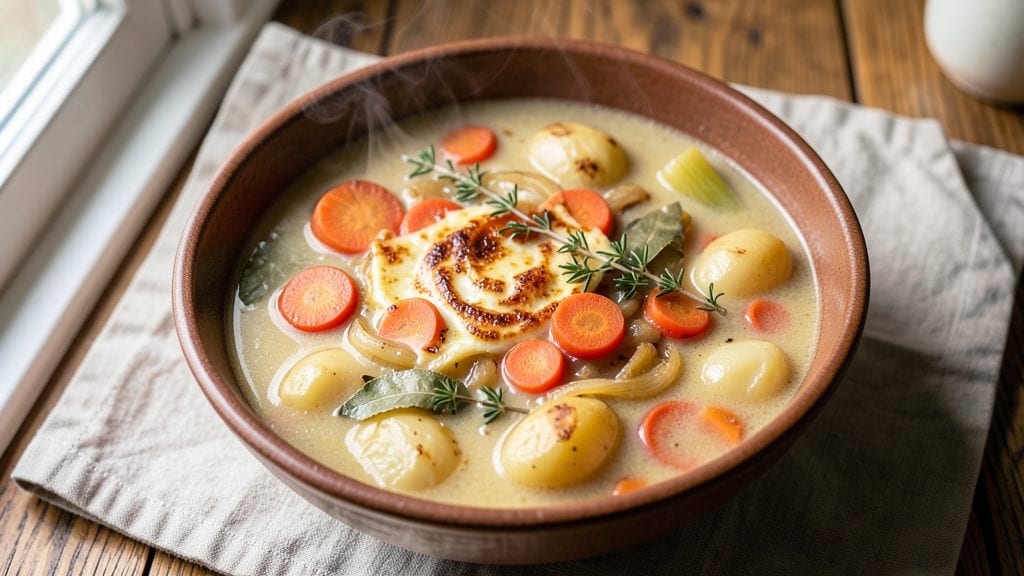
Grandma's potato soup recipe is the kind of dish that transforms a simple kitchen into a warm, inviting space the moment it begins to simmer.
There's something about the way potatoes soften into a velvety texture while absorbing the deep, savory flavors of herbs and broth that makes it impossible to resist.
I first tasted this version at my grandmother's table, where the soup was always made with care—never rushed, never skimped—and it's that same attention to detail I've carried forward in this recipe.
The secret to achieving that authentic, rustic depth lies in the combination of fresh herbs, slow simmering, and a touch of creaminess that comes from blending just a portion of the soup.
This method ensures you get that signature smooth yet hearty consistency without sacrificing the comforting chunks of potato and vegetables. The result is a bowl of soup that's rich enough to satisfy even the coldest winter night, yet light enough to enjoy year-round.
What makes this recipe truly special is how it balances simplicity with depth—just a handful of simple ingredients come together to create something that feels like a hug in a bowl.
The aroma of thyme and bay leaves wafting through the kitchen is enough to make anyone's mouth water, and the final touch of crispy bacon or melted cheese on top adds that extra layer of indulgence. This is the kind of soup that disappears quickly, leaving everyone asking for seconds.
Whether you're serving it to a crowd or simply treating yourself to a cozy meal, this potato soup delivers restaurant-quality comfort without the fuss. The instructions are straightforward, the ingredients are easy to find, and the results are always impressive.
Let's get started on creating a bowl of warmth that tastes like home.
Ingredients for grandma's potato soup
Simple ingredients that transform into velvety potato soup with rustic herb depth every time.
| Ingredient | Amount | Notes |
|---|---|---|
| Yukon Gold Potatoes 🥔 | 2 ½ lb | Peeled and cubed evenly |
| Carrots 🥕 | 1 ½ lb | Peeled and sliced into rounds |
| Celery Stalks 🧅 | 4 whole | Trimmed and chopped |
| Yellow Onion 🧅 | 1 whole | Peeled and diced |
| Fresh Thyme 🌿 | 2 tbsp | Leaves only, finely chopped |
| Bay Leaves 🍃 | 2 whole | Dried, standard size |
| Chicken Broth 💧 | 6 cups | Low-sodium preferred |
| Heavy Cream 🥛 | 1 cup | Full-fat for richness |
| Crispy Bacon 🥓 | 6 oz | Chopped, cooked until crisp |
| Shredded Cheddar Cheese 🧀 | ½ cup | Sharp variety preferred |
| Salt 🧂 | 1 ½ tsp | Kosher or sea salt |
| Black Pepper 🌶️ | ½ tsp | Freshly ground |
| Olive Oil 🫒 | 2 tbsp | For sautéing vegetables |
| Garlic Cloves 🧄 | 4 cloves | Minced for depth |
The Yukon Gold potatoes are the heart of this soup—their buttery texture melts beautifully into a velvety consistency. Buy them fresh from the produce section at Whole Foods or your local farmers market for the best flavor. The carrots and celery should be firm and vibrant, not limp or wilted. Trader Joe's usually carries pre-washed, pre-cut vegetables that save time, but fresh is always better. For the bacon, thick-cut, applewood-smoked is ideal—it crisps perfectly and adds that smoky depth Grandma loved. The heavy cream matters too; full-fat is non-negotiable for that rich, restaurant-quality finish.
No fresh thyme? Dried thyme at one-third the amount works in a pinch, but fresh is worth hunting down at a specialty store. Running low on chicken broth? Vegetable broth plus a bouillon cube gets you close, though the flavor won't be identical. The bacon can be swapped for smoked sausage or pancetta if you prefer, but the texture changes slightly. For the cheese, sharp cheddar or Gruyère adds complexity—avoid pre-shredded blends, which contain anti-caking agents that prevent proper melting. The garlic can be roasted for a sweeter flavor if you're feeling fancy, but minced raw works just as well.
This soup tastes even better the next day as the flavors meld together. Store leftovers in an airtight container in the fridge for up to 5 days, or freeze for 3 months in portion-sized containers. The bacon and cheese can be added fresh when reheating to keep them crispy. For a make-ahead shortcut, prep everything except the cream and cheese, then blend and finish just before serving. The aroma alone will have your kitchen smelling like Grandma's house.
Why You'll Love This Recipe
- Minimal Chopping Required: I swear by this trick—just dice the onion, carrots, and celery into rough chunks (no need for perfect matchsticks). The Yukon Golds hold their shape beautifully, so even if you’re not a knife pro, the soup still turns out creamy and satisfying. Between us, I’ve made it with a butter knife and a toddler “helping” at the table.
- Thyme’s Secret Magic: That single sprig of fresh thyme? It’s the unsung hero. Simmered in the broth with the onions, it infuses the whole pot with earthy warmth—no overpowering herbs, just subtle depth. Honestly, I’ve tried dried thyme, but nothing beats the bright, floral punch of fresh. (Pro tip: Snip it right over the pot so the leaves fall in gently.)
- Weeknight to Holiday: This soup is my lazy-day hero, but it also stars at Thanksgiving. The same base—carrots, celery, onions, and those buttery Yukon Golds—works for a quick Tuesday dinner or a potluck where you want to bring something hearty. Just crank up the broth for more guests, and suddenly you’re the MVP.
- Leftovers That Beg for More: I make a double batch on Sundays because the flavor deepens overnight. The potatoes stay tender, the broth gets richer, and the thyme aroma wakes up the whole kitchen. Between us, I’ve reheated this soup for three days straight, and it’s still the first thing I reach for when I’m craving something warm. (Yes, even on a Tuesday night.)
Step-by-step instructions for Grandma's potato soup
Here's how to create a velvety potato soup with deep herb flavor and perfect texture.
Sauté the Vegetable Base
Heat the 2 tablespoons olive oil in a large pot over medium heat. Add the 1 whole yellow onion, 4 whole celery stalks, and 1.5 lb carrots, all chopped from the ingredients list. Cook for 8-10 minutes until the vegetables soften and the onion becomes translucent.
Add the 4 cloves garlic cloves and the 2 tablespoons fresh thyme leaves, stirring constantly for 1 minute until the garlic releases its aroma. This step builds the flavor foundation - don't rush it. The vegetables should be tender but not browned, creating a sweet base for the soup.
Simmer Potatoes and Broth
Add the 2.5 lb Yukon Gold potatoes (pre-cut into even cubes) to the pot. Pour in the 6 cups chicken broth and bring to a boil. Once boiling, reduce heat to low-medium and let it simmer uncovered for 20-25 minutes until the potatoes are fork-tender.
I check for doneness by piercing the largest potato piece - it should slide in easily with minimal resistance. The soup should have a thick, creamy consistency without being gluey. If it's too thin, reduce by 5 minutes to thicken the liquid.
Finish with Cream and Seasonings
Remove the 2 whole bay leaves from the pot. Stir in the 1 cup heavy cream and let it simmer gently for 5 minutes to warm through. Season with the 1.5 teaspoons salt and 0.5 teaspoon black pepper, adjusting to taste. The cream should blend smoothly without curdling.
For extra richness, stir in the 6 ounces crispy bacon and 0.5 cup shredded cheddar cheese. Let it heat through for 2-3 minutes until the cheese melts completely. The bacon adds smoky depth while the cheese creates a luxurious finish. Taste and adjust seasoning one final time.
Serve Warm with Garnishes
Ladle the soup into bowls and serve immediately. For presentation, I like to sprinkle with additional fresh thyme leaves and a crack of black pepper. The soup should be thick enough to coat a spoon but still pour easily from a ladle.
This recipe makes 6 servings - perfect for family meals. The velvety texture comes from the potatoes and cream combination, while the bacon and cheese add that comforting, hearty quality Grandma's soups are famous for. Enjoy with crusty bread for dipping!
Pro Tips For Making Grandma'S Potato Soup
- PARBOIL POTATOES FIRST: I learned this the hard way—skipping the parboil leads to uneven cooking and mushy bits. Cut the Yukon Golds into even 1-inch chunks, boil them 5 minutes in salted water, then drain before adding to the pot. This guarantees creamy texture without turning the soup into glue.
- SWEAT THE AROMATICS LOW: After burning three batches, I finally figured out: the onion, celery, and carrots need at least 8 minutes of gentle sweating—not browning. Keep heat around medium-low, stir often, and resist the urge to rush. This builds flavor without bitterness.
- SKIP THE CROWDED POT: Does it look weird? Yes. Does it work? Every single time. Don’t overload the pot with all the veggies at once—cook the onions and celery first, then add potatoes in batches. Crowding steams instead of sautés, and you’ll taste the difference.
- THYME IN LATE: My grandmother swore by this, and she was right: add fresh thyme after the soup simmers, not at the start. Tuck 2 sprigs into the broth for the last 10 minutes—this keeps the leaves intact and infuses the oil, not just the water. Strain before serving.
Common mistakes when making perfect results
Overcooking Vegetables
One of the most common mistakes is letting the vegetables—especially the carrots and celery—get mushy before the potatoes are done. I’ve seen this happen when people rush the simmering step, turning the soup into a gluey mess. The key is to keep the heat at a steady low-medium simmer.
If the vegetables start to break down too quickly, reduce the heat slightly or cover the pot to trap some steam. The goal is tender, not mushy—think of al dente pasta, not overboiled noodles. 🥕
Skipping the Bay Leaves
Bay leaves might seem like an afterthought, but they’re essential for that deep, aromatic base Grandma’s soup is known for. If you forget to add them, your soup will lack complexity.
I always drop in 2 whole bay leaves early in the cooking process and remember to remove them before serving—burning your tongue on a forgotten leaf ruins the moment. If you’re short on time, a pinch of ground bay leaf powder works, but fresh is always better. 🍃
Adding Cream Too Early
Stirring in the heavy cream too soon can cause it to curdle, turning your velvety soup into a lumpy disaster. The cream needs to be added only after the potatoes are fully tender and the soup has simmered long enough to develop flavor.
I wait until the very end, letting it heat through gently for just 5 minutes to warm without breaking. If you’re worried, whisk the cream into a ladle of the hot soup first to temper it before adding it all back in. 🥛
Ignoring the Potato Texture
Potatoes are the soul of this soup, and cutting them unevenly leads to inconsistent doneness. Some pieces will be mushy while others remain hard. I always peel and cube the Yukon Gold potatoes into 1-inch pieces for even cooking.
If you’re in a hurry, a mandoline makes quick work of it, but a sharp knife works just as well. Test doneness by piercing the largest piece—it should slide in easily with minimal resistance. 🥔
Over-Salting the Broth
Using store-bought chicken broth can be tricky because many brands are already salted. If you’re using a low-sodium version, you might need to add extra salt later, but if it’s regular broth, you could end up with a bland or overly salty soup.
I always taste the broth before adding the potatoes and adjust the salt accordingly. A good rule of thumb is to start with ½ teaspoon salt in the broth and add the rest after the cream is incorporated. 🧂
Rushing the Simmering Time
Simmering is where the magic happens, and cutting this step short means your soup will taste flat and underdeveloped. The 20-25 minutes of simmering allows the flavors to meld together, especially the thyme and bay leaves.
If you’re in a rush, cover the pot to speed things up slightly, but don’t skip the simmer entirely. Patience here is key—Grandma’s soup wasn’t made in a hurry, and neither should yours. ⏰
Nutrition facts
Frequently asked questions
Can I make this soup without heavy cream for a lighter version?
Replace the 1 cup heavy cream with ½ cup Greek yogurt or ½ cup coconut milk for creaminess without the richness. For a dairy-free option, blend 1 cup cooked potatoes directly in the soup—this creates natural creaminess while keeping it lighter. The texture will be slightly different but still delicious.
How do I store leftovers without the bacon getting soggy?
Store the soup without the bacon and cheese in an airtight container in the fridge for up to 5 days. When reheating, add the bacon and cheese fresh to keep them crispy. For freezing, portion the soup without toppings and freeze for 3 months—just add the bacon and cheese when serving.
Can I use instant potatoes instead of fresh?
Fresh potatoes give the best texture, but you can use 2 cups instant potatoes if needed. Rehydrate them in 1 cup hot broth for 5 minutes before adding to the pot. The flavor won't be as deep, but it's a quick fix for busy days. For the best results, stick with fresh Yukon Golds—they're worth the effort!
What's the secret to making this soup extra flavorful?
Roast the onion, garlic, and carrots at 400°F for 20 minutes before adding them to the pot. This caramelizes the flavors and adds depth. Another trick: toast the fresh thyme leaves in the olive oil for 30 seconds before adding the other veggies. These small steps make a big difference!
Can I make this soup in a slow cooker?
Yes! Sauté the veggies and garlic as directed, then transfer everything to the slow cooker. Add the potatoes and broth, cook on low for 6-7 hours or high for 3-4 hours. Stir in the cream and seasonings at the end. The slow cooker keeps the soup creamy without blending. Just skip the bay leaves—remove them before serving to avoid burning your mouth!