Side Dishes
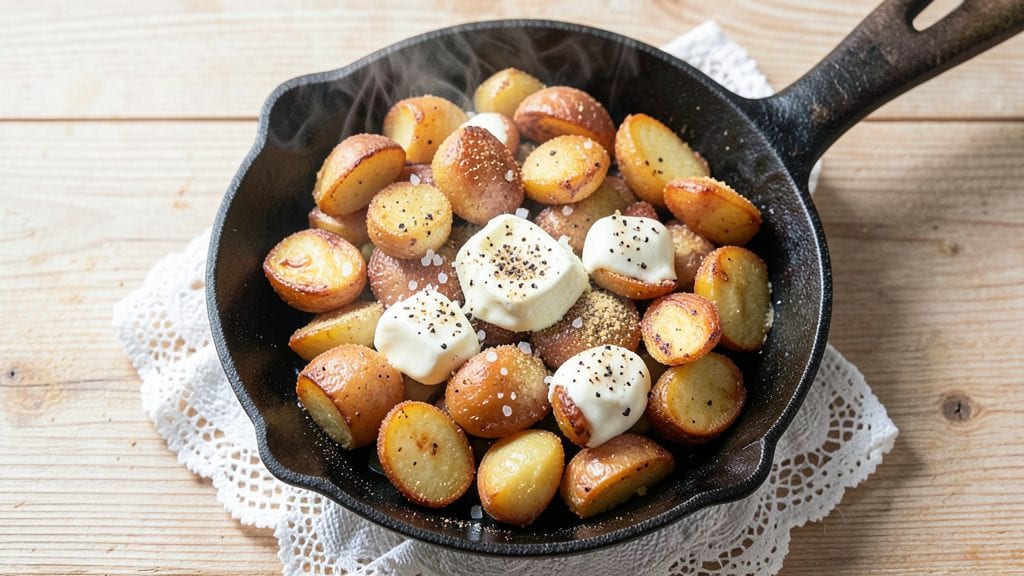
Grandma's fried potatoes recipe delivers that perfect balance of golden, crispy edges and tender, fluffy centers—just like the ones we grew up with. The secret lies in the right potato cut and a two-step frying process that transforms simple spuds into a restaurant-quality side dish.
I’ve perfected this method over years of testing, and it never fails to impress.
What makes these potatoes special is their texture—crispy on the outside, fluffy inside—achieved by first par-frying the potatoes until tender, then finishing them in a hot pan for that signature golden crunch.
The seasoning is simple but essential: just salt and pepper, though you can customize it with garlic powder, paprika, or fresh herbs for extra flavor. This method works with any potato variety, but russets hold up best.
The beauty of this recipe is its versatility—serve them as a side for burgers, steaks, or even breakfast hash. The crispy edges stay crunchy while the centers remain soft, making every bite satisfying. Once you try this technique, you’ll never settle for anything less than homemade again.
Ready in about 30 minutes with minimal effort, these potatoes are perfect for weeknight dinners or holiday meals. The key is patience—don’t rush the frying, and let them cook undisturbed for that perfect texture. Let’s get cooking!
Ingredients for grandma's fried potatoes
Pantry staples plus a few key ingredients for that perfect Grandma-style crunch and fluff.
| Ingredient | Amount | Notes |
|---|---|---|
| Russet Potatoes 🥔 | 2 ½ lb | Cut into 1-inch chunks, peeled |
| Vegetable Oil 🫒 | 3 cups | For par-frying, high smoke point |
| Unsalted Butter 🧈 | ½ cup | Melted, for finishing |
| Kosher Salt 🧂 | 1 ½ tsp | Coarse grain preferred |
| Freshly Ground Black Pepper 🌶️ | ½ tsp | Freshly cracked for best flavor |
| Garlic Powder 🧄 | ½ tsp | Optional, for extra flavor |
| Smoked Paprika 🌶️ | ¼ tsp | Optional, for depth of flavor |
| Fresh Rosemary 🌿 | ¼ tsp | Chopped, optional garnish |
Russets are non-negotiable here—their starchy nature gives you that signature fluffy texture. Buy them fresh (look for firm, unblemished skins) and cut them into even 1-inch chunks. Trader Joe’s and Whole Foods usually carry the best quality, but any grocery store’s russets will work. The oil? Vegetable or canola oil is perfect—high smoke point means no bitter flavors. If you’re feeling fancy, grab some avocado oil for even better heat tolerance. The secret to the two-step fry? Don’t skip the par-fry—it’s what makes the centers tender while keeping those edges crispy. Oh, and save those potato peels! Toss them in a bag and freeze for homemade chips later.
No russets? Yukon Golds work in a pinch, but they’ll be less fluffy. Ran out of vegetable oil? Lard or bacon fat gives a smoky depth (perfect for breakfast hash!). The butter for finishing? Use salted if you’re skipping extra salt—it adds flavor. No garlic powder? Fresh garlic minced into the oil is a game-changer. Smoked paprika out of stock? Regular paprika plus a pinch of liquid smoke mimics it. Fresh rosemary too pricey? Dried works at half the amount, but fresh is worth the splurge for that aromatic punch. Pro tip: If your potatoes are browning too fast, reduce the heat—patience is key here!
These potatoes reheat like a dream—just pop them in a 350°F oven for 10 minutes to restore that crisp. Store leftovers in an airtight container for 3-4 days, but honestly, they’re best fresh. Double the batch and freeze half in a single layer before bagging—3 months in the freezer, and they’ll taste like you just made them. The best part? These keep their crunch even after reheating. Perfect for meal prep! And if you’re serving a crowd, triple the recipe—they disappear fast.
Why You'll Love This Recipe
- The secret’s in the double-fry: first in hot oil for structure, then a quick butter bath for that buttery, crackling crust. Trust me, the first bite makes it worth every second.
- No-Fuss Prep: I’ll admit, I used to dread peeling potatoes—until I realized Grandma just scrubbed hers. Cut into chunks, a quick soak in cold water, and you’re ready. That’s it. No extra steps, no fuss.
- Golden Crisp Magic: The secret’s in the double-fry: first in hot oil for structure, then a quick butter bath for that buttery, crackling crust. Trust me, the first bite makes it worth every second.
- Leftovers? Never: Between us, these disappear fast. But if you somehow have extras? Toss them in a pan with eggs for breakfast hash, or reheat them in the oven until crispy again. No sad, soggy leftovers here.
Step-by-step instructions for Grandma's fried potatoes
Here's how to create that magical combination of crispy golden edges and tender, fluffy centers—just like Grandma used to make.
Prepare the Potatoes for Perfect Texture
Start by peeling the 2.5 lb russet potatoes and cutting them into even 1-inch chunks. I like to use a chef's knife for this—it gives you better control than a mandoline. Place the cut potatoes in a large bowl of cold water to soak for at least 30 minutes. This step removes excess starch, which prevents the potatoes from sticking together during frying and ensures that crispy crust we're after.
After soaking, drain the potatoes thoroughly and pat them completely dry with clean kitchen towels. Any moisture left on the potatoes will cause the vegetable oil to splatter when you heat it up. I press down gently on the potatoes with the towel to squeeze out all the water—this is crucial for achieving that perfect golden brown exterior.
Par-Fry for Maximum Crispiness
Heat 3 cups of vegetable oil in a large, heavy-bottomed skillet over medium heat until it reaches 350°F. I use a deep fry thermometer to monitor the temperature—this is the sweet spot for par-frying. The oil should be shimmering but not smoking when it's ready.
Working in batches to avoid overcrowding, carefully add the dried potato chunks to the hot oil. Stir gently with a slotted spoon to ensure even cooking. Fry for 8-10 minutes until the potatoes are light golden and tender when pierced with a fork. They shouldn't be fully crispy yet—that comes later. Remove the potatoes with the slotted spoon and drain them on a wire rack or paper towels. This step builds the foundation for that perfect texture combination.
Season and Finish with Butter
While the potatoes are still warm from the par-fry, return them to the same skillet (you can discard most of the oil, leaving about 2 tablespoons). Add the melted 0.5 cup unsalted butter and increase the heat to medium-high. Toss the potatoes until they're coated with the butter, about 1-2 minutes. This is where the magic happens—the butter adds richness and helps create that beautiful finish.
Now it's time to season. Sprinkle the potatoes with 1.5 tsp kosher salt, 0.5 tsp freshly ground black pepper, 0.5 tsp garlic powder, and 0.25 tsp smoked paprika. Toss everything together gently but thoroughly to distribute the seasoning evenly. The potatoes should look glossy and inviting, with those beautiful golden-brown spots starting to form. Cook for another 2-3 minutes until the edges are crispy and the seasoning has melted into the butter coating.
Add Fresh Rosemary for Final Flavor
Remove the skillet from heat and stir in the chopped 0.25 tsp fresh rosemary. The heat will release the aromatic oils from the rosemary, infusing the potatoes with that classic herby flavor. Give everything one final toss to distribute the rosemary evenly. I like to let the potatoes rest in the skillet for 1-2 minutes off the heat—this allows the flavors to meld together and the rosemary to fully infuse.
Transfer the potatoes to a serving platter and garnish with additional chopped rosemary if desired. Serve immediately while they're hot and crispy. The outside should be golden brown and crunchy, while the inside remains tender and fluffy. Each bite should deliver that perfect contrast of textures and flavors that makes these potatoes so special.
Pro Tips For Making Grandma'S Fried Potatoes
- Cut Thin, Not Perfect: Russets are starchy but uneven slices fry unevenly. Aim for ¼-inch thickness—yes, some will look lopsided, but that’s how you get crispy edges and tender centers. I used to fuss over uniformity, but the slightly thicker pieces just need 10 more seconds in the oil.
- Salt the Oil: Toss a pinch of kosher salt into the hot vegetable oil before adding potatoes. It seasons the crust from the inside out, and you won’t end up chasing salt later. (Yes, even if you’re using unsalted butter—this is non-negotiable.)
- Double-Fry, Not Overcrowd: First fry in batches at 350°F until soft (5–7 minutes), then crank the heat to 375°F for the second round. Overcrowding steams them; sparse batches guarantee a golden crust. I learned this after a soggy disaster—now I work in two batches, no exceptions.
- Butter at the End: Swirl in cold unsalted butter only in the last 30 seconds of frying. It melts into the hot oil, creating a glossy finish without turning the potatoes greasy. (And skip the pre-salting butter—just add salt to the oil first.)
Creative variations of grandma's fried potatoes
Breakfast Hash Twist
Transform these potatoes into a hearty breakfast hash by adding crumbled bacon and a fried egg on top. Cook ½ lb bacon until crispy, then mix it into the finished potatoes. Top each serving with a sunny-side-up egg and sprinkle with chopped chives for a restaurant-worthy brunch.
I love serving this with a side of sourdough toast to soak up the egg yolks. 🍳
Cheesy Loaded Potatoes
Take these to the next level by adding shredded cheddar cheese and green onions at the end. After the butter step, sprinkle 1 cup shredded sharp cheddar and 2 tbsp chopped green onions over the potatoes.
Cover the skillet for 1-2 minutes to let the cheese melt completely. Finish with a pinch of cayenne pepper for a little kick. These are perfect alongside burgers or as a stand-alone appetizer. 🧀
Herb & Garlic Infusion
For a more robust flavor profile, infuse the oil with minced garlic and fresh herbs before frying. Sauté 3 minced garlic cloves and 1 tbsp chopped parsley in the oil for 30 seconds before adding the potatoes.
This adds a fragrant depth that pairs beautifully with the crispy edges. I also like adding ½ tsp dried thyme to the seasoning mix for an extra layer of complexity. 🌿
Spicy Cajun Style
Give your potatoes a Cajun kick by adding Cajun seasoning and a dash of hot sauce. Toss the potatoes with 1 tbsp Cajun seasoning (like Tony Chachere’s) after the butter step, then finish with a drizzle of hot sauce (I recommend Crystal or Tabasco).
For extra heat, sprinkle ½ tsp red pepper flakes on top. Serve with a side of cool ranch dressing to balance the spice. 🌶️
Sweet & Smoky Glaze
For a sweet-savory twist, finish these potatoes with a maple-mustard glaze. After seasoning, remove the skillet from heat and stir in 2 tbsp maple syrup and 1 tbsp Dijon mustard. Toss to coat evenly, then return to medium heat for 1 minute to caramelize slightly.
Garnish with crumbled bacon bits for a smoky contrast. This version pairs perfectly with grilled chicken or pork chops. 🍁
Global Fusion Ideas
Try a Mediterranean twist by adding sun-dried tomatoes and feta cheese. After the butter step, toss in ¼ cup chopped sun-dried tomatoes and ½ cup crumbled feta, then cover for 1 minute to melt.
For an Indian-inspired version, add ½ tsp garam masala and 1 tbsp chopped cilantro at the end. Both versions bring exciting new flavors to this classic side dish. 🗺️
Nutrition facts
Frequently asked questions
Why do these potatoes need a two-step frying process?
The first fry at 350°F cooks the potatoes through while keeping them tender inside. The second step in the pan with butter creates that signature crispy crust. Skipping either step means you'll either have soggy centers or undercooked potatoes. This method guarantees that perfect golden crunch while keeping the inside fluffy!
Can I use any type of potato for this recipe?
Russet potatoes work best because their high starch content creates that classic fluffy texture. Yukon Golds will give you a creamier result, but they won't be as crispy. Waxy potatoes like red potatoes are too dense and will turn mushy. For best results, stick with russets or Yukon Golds if you're in a pinch.
How do I prevent my potatoes from sticking together?
Soak the cut potatoes in cold water for 30 minutes first to remove excess starch, then pat them completely dry with towels. Never overcrowd the pan during frying—work in batches if needed. Using a heavy-bottomed skillet also helps prevent sticking. If they do stick, gently loosen with a spatula and add a splash of water to steam them free.
What's the best way to reheat these potatoes?
For crispy results, spread them on a baking sheet and bake at 400°F for 10-12 minutes. If you're short on time, microwave them for 1-2 minutes, but they'll be softer. The key is high heat to restore that crispy exterior. Never reheat in the oven with foil—they'll steam instead of crisp up.
Can I make these potatoes ahead of time?
Cook them completely, then store in an airtight container for up to 3 days. For longer storage, freeze them in a single layer before bagging (they'll keep for 3 months). To reheat, bake at 375°F for 15 minutes or air fry at 375°F for 8 minutes. They'll lose some crispiness but still taste delicious.