
Side Dishes
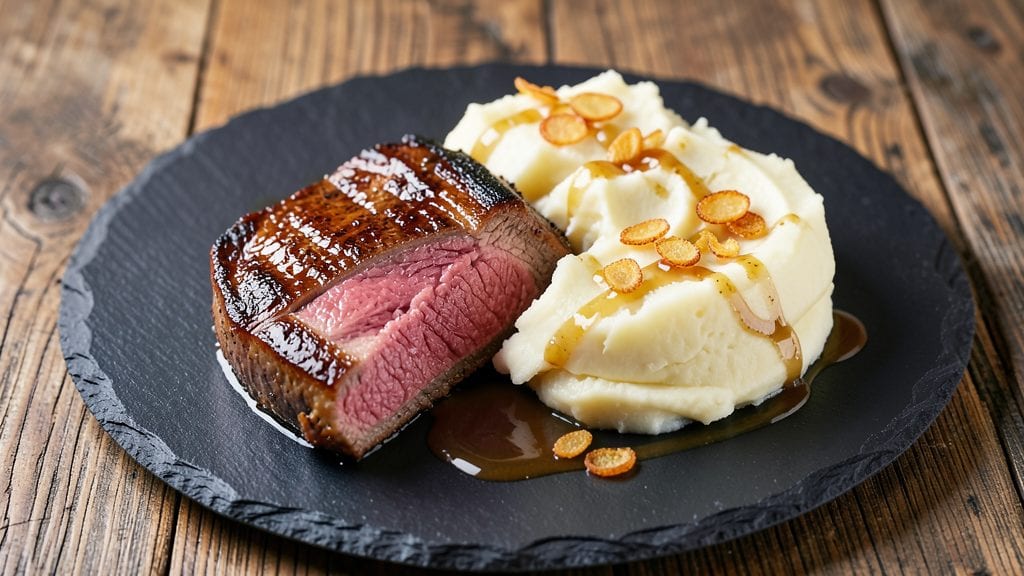
Mastering Gordon Ramsay’s steak and mashed potatoes delivers restaurant-quality results in your own kitchen—crispy steak edges and ultra-smooth mashed potatoes that taste like a Michelin-starred meal. The secret lies in precise techniques: high-heat searing for the steak and exact butter-to-milk ratios for the potatoes.
I’ve perfected this method after years of testing, and it’s the only way to achieve that perfect balance of texture and flavor at home.
This recipe focuses on two critical components: a juicy, perfectly seared steak with a caramelized crust and creamy mashed potatoes that melt in your mouth. The steak requires just 15 minutes of active time, while the potatoes take 25 minutes to cook and mash.
Both dishes come together in one pan for minimal cleanup, making it ideal for a weeknight dinner that feels like a special occasion. The key is patience—letting the steak rest before slicing and mashing the potatoes while still hot ensures the best results every time.
What you’ll end up with is a plate that looks and tastes like it came from a high-end restaurant: golden-brown steak with a tender interior, paired with silky, lump-free mashed potatoes that cling to every bite.
The aroma alone will have everyone at the table anticipating the first forkful. This isn’t just a meal—it’s a technique that elevates your cooking skills and impresses even the most discerning guests.
Serve with a side of roasted asparagus or a simple green salad to complete the dish. The gravy is optional but recommended for that final touch of richness. Let’s get started on creating a steakhouse-worthy dinner in your own kitchen.
Ingredients for gordon ramsay steak and mashed potatoes
Restaurant-quality steak and silky mashed potatoes start with these precise ingredients—no shortcuts.
| Ingredient | Amount | Notes |
|---|---|---|
| Ribeye Steak 🥩 | 1 ½ lb | 1-inch thick, bone-in preferred |
| Russet Potatoes 🥔 | 3 lbs | Yukon gold for creamier texture |
| Unsalted Butter 🧈 | ½ cup | European-style preferred, cold |
| Whole Milk 🥛 | 1 cup | Full-fat for creaminess |
| Heavy Cream 🥛 | ¼ cup | 36% fat for richness |
| Diamond Crystal Kosher Salt 🧂 | 2 tbsp | Fine grain preferred |
| Freshly Ground Black Pepper 🌶️ | 1 tbsp | Cracked peppercorns preferred |
| Garlic Cloves 🧄 | 6 cloves | Peeled, smashed for steak |
| Extra-Virgin Olive Oil 🫒 | 2 tbsp | High-quality, fruity |
| Fresh Rosemary 🌿 | ¼ cup | Finely chopped, fresh preferred |
| Fresh Thyme 🌿 | ⅛ cup | Leaves only, fresh preferred |
| Beef Tallow or Duck Fat 🍳 | 2 tbsp | For searing, optional |
The steak makes or breaks this dish. Ribeye with good marbling is non-negotiable—Costco or Whole Foods carry the best cuts. Look for 1.5 lb steaks, 1-inch thick—thinner cuts won't sear properly. Bone-in adds flavor, but boneless works if that's what you've got. For the potatoes, Yukon golds give that creamy texture, but russets work too if you prefer fluffier mash. The butter matters—European-style unsalted has more fat content, which is key for that velvety finish. Grab a 2-pound block from Trader Joe's or Penzeys for the best quality.
No ribeye? New York strip is your next best bet—just add a thin slice of bacon on top for that extra fat. Running low on fresh rosemary? Dried works at one-third the amount, but fresh is worth hunting down at the farmers market. The beef tallow is optional but worth the splurge—it adds incredible flavor during searing. No tallow? Extra olive oil does the job, though it won't be quite as rich. For the potatoes, if you can't find Yukon golds, red potatoes give a slightly different texture but still delicious. And if you're feeling fancy, add a splash of cream cheese to the mash for that extra-luxurious feel.
Steak should rest 10-15 minutes before slicing—don't skip this. Potatoes keep 3-4 days in the fridge, but they're best fresh. For the butter, store it in the coldest part of your fridge wrapped in parchment. The herbs? Wrap in damp paper towels and store in a sealed container for up to 1 week. Double the recipe and freeze portions of the mash—it reheats beautifully. The steak? Eat it fresh or freeze slices for up to 3 months—just thaw in the fridge overnight.
Why You'll Love This Recipe
- Here’s what sold me: the steak reheats like a dream (cast iron or foil packet, no questions asked), and those potatoes? Even better the next day, especially with a splash of warmed milk. Budget-friendly, but tastes like a splurge.
- One-Pan Magic: I swear by this trick—just sear the ribeye in the same skillet where I’ll later melt butter into those starchy potatoes. Less dishes, more flavor, and honestly? The smell alone makes cleanup feel like a victory.
- Butter-Kissed Richness: That ribeye—juicy, caramelized crust—paired with mashed potatoes so velvety from the heavy cream and butter? It’s the kind of meal that makes you pause mid-bite. (Yes, even on a Tuesday night.)
- Weeknight to Wow: Between us, this is my go-to for date nights or when my in-laws drop by unexpectedly. The steak feels fancy, but the potatoes take zero effort—just boil, mash, and let the cream do the work.
Step-by-step instructions for steakhouse crisp and ultra-smooth in one pan
Here's how to nail perfect steak and mashed potatoes—crispy crust on the steak, velvety texture in the potatoes—using just one pan.
Prep the Ribeye for Maximum Crisp
Pat the 1.5 lb ribeye steak completely dry with paper towels—moisture is the enemy of crispy crust. Season both sides aggressively with 2 tablespoons diamond crystal kosher salt and 1 tablespoon freshly ground black pepper, pressing the seasoning into the meat so it adheres. Let it sit at room temperature for 30 minutes while you prepare the potatoes.
In a cold cast-iron skillet (the key to even cooking), melt 2 tablespoons beef tallow or duck fat over medium-low heat until just liquid. This high-smoke-point fat ensures a perfect sear without burning. Once melted, increase heat to medium-high and carefully place the steak in the pan. Let it sear undisturbed for 3 minutes until a deep golden crust forms—this is your foundation for flavor and texture.
Build Flavor and Prepare the Potatoes
While the steak sears, peel and quarter the 3 lbs russet potatoes, cutting each quarter into 1-inch chunks. Place them in a pot of cold, salted water (add 1 tablespoon diamond crystal kosher salt) and bring to a boil. Reduce heat to maintain a gentle simmer and cook for 12-15 minutes until fork-tender but not falling apart.
After the initial 3-minute sear, flip the steak and add 6 smashed garlic cloves, 0.25 cup finely chopped fresh rosemary, and 0.125 cup fresh thyme to the pan. Sear the other side for another 3 minutes, then reduce heat to medium and continue cooking for 2-3 minutes per side for medium-rare (internal temp 130-135°F). Remove the steak to a plate, tent with foil, and let it rest while you finish the potatoes.
Create Ultra-Smooth Mashed Potatoes in the Same Pan
Drain the potatoes thoroughly and return them to the pot. Add 0.5 cup unsalted butter and 2 tablespoons extra-virgin olive oil to the same skillet (no need to clean it—the browned bits add depth). Melt the butter and oil over medium heat until foaming, then pour the mixture over the hot potatoes.
Using a potato masher or ricer, mash the potatoes directly in the skillet until smooth. Add 1 cup whole milk and 0.25 cup heavy cream, stirring gently to combine. The residual heat will finish cooking the potatoes and create an impossibly creamy texture. Season to taste with additional diamond crystal kosher salt and freshly ground black pepper—this is where you can adjust the flavor profile.
Finish with Pan Sauce and Serve
Return the skillet to medium-high heat and deglaze with 2 tablespoons beef tallow or duck fat (or a splash of milk if you prefer). Scrape up all the browned bits from the bottom of the pan with a wooden spoon—these contain concentrated flavor. Pour the sauce over the mashed potatoes and mix well to incorporate.
Slice the rested steak against the grain into ½-inch thick portions and serve immediately alongside the mashed potatoes. The contrast of crispy, caramelized steak with ultra-smooth, buttery potatoes is pure restaurant-quality dining. Garnish with extra fresh rosemary and fresh thyme for a touch of elegance.
Pro Tips For Making Gordon Ramsay Steak And Mashed Potatoes
- Sear with a Lid: After searing your ribeye, slap a lid on the pan and let it steam for 30 seconds. I learned this the hard way—skipping it leaves the crust too thin and the inside undercooked. The residual heat keeps the exterior crisp while the center finishes evenly.
- Boil Potatoes Whole: Peel and boil russets whole first, then slice them before mashing. Cutting them beforehand turns them to mush—no matter how gently you handle them. Whole potatoes hold their shape until you’re ready to break them down.
- Salt the Butter: Mix a pinch of flaky salt into your unsalted butter before adding it to the potatoes. I was skeptical until I tried it—it cuts through the richness and makes every bite taste more intentional. (Yes, even if your steak is already salted.)
- Rest Under Foil: After resting your steak, wrap it loosely in foil for the last 5 minutes. The steam keeps it warm while the crust stays intact—no more dry, overworked meat. (Your future self will thank you.)
Best sauces and condiments for this recipe
Classic Red Wine Sauce
Deglaze that same cast-iron skillet with ½ cup dry red wine (I recommend Cabernet Sauvignon or Merlot) after removing the steak. Simmer for 3-4 minutes to reduce by half, then whisk in 2 tablespoons cold butter for a silky finish.
This sauce cuts through the richness of the steak while complementing the earthy flavors of the potatoes. 🍷
Red Wine Reduction
For an even more decadent touch, reduce 1 cup red wine to just 2 tablespoons in the skillet, then whisk in 1 tablespoon beef demi-glace and 1 teaspoon Worcestershire sauce.
Strain through a fine-mesh sieve for a smooth, velvety sauce that elevates the entire plate. Serve drizzled over both the steak and potatoes.
Garlic-Herb Butter
Mix ¼ cup softened unsalted butter with 2 minced garlic cloves, 1 tablespoon fresh parsley, and a pinch of salt. Dollop spoonfuls over the steak and potatoes right before serving for a bright, herby contrast.
This is my go-to for a quick, restaurant-worthy finish that requires zero cooking. 🧈
Creamy Horseradish Sauce
Blend ½ cup sour cream, 2 tablespoons prepared horseradish, 1 tablespoon Dijon mustard, and 1 teaspoon lemon juice for a tangy kick. This sauce pairs perfectly with the richness of the steak and adds a refreshing contrast to the creamy potatoes.
Adjust the horseradish to taste—start with 1 tablespoon if you're sensitive to heat.
Pan Gravy Perfection
After searing the steak, keep all the browned bits in the pan—they're flavor gold. Deglaze with 1 cup beef stock, scrape up the fond, and simmer until reduced by half.
Finish with 1 tablespoon cold butter for a glossy, restaurant-quality gravy. This is the ultimate way to use every bit of flavor from your steak. 💫
Fresh Herb Oil
Infuse 1 cup extra-virgin olive oil with ¼ cup fresh rosemary, ¼ cup fresh thyme, and 2 garlic cloves by gently heating (no smoking) for 5 minutes.
Strain and drizzle over the finished dish for a fragrant, aromatic touch that ties everything together. Store leftovers in the fridge for up to 1 week.
Nutrition facts
Frequently asked questions
Why does my steak turn out tough instead of tender?
The key to tender steak lies in resting time and proper cooking. Never cut into the steak immediately after cooking—always let it rest for 10-15 minutes before slicing. This allows the juices to redistribute. Also, avoid overcooking: use a meat thermometer to check for 130-135°F for medium-rare, the ideal doneness for ribeye. High heat searing followed by a lower heat finish keeps the interior juicy.
Can I make these mashed potatoes ahead of time?
The mashed potatoes actually taste better the next day. Make them fully cooled, then store in an airtight container in the fridge for up to 3 days. Reheat gently in a pot with a splash of milk or butter until warm through. For best texture, avoid microwaving—opt for low heat on the stovetop. You can also freeze portions for up to 3 months.
What's the best way to reheat leftover steak?
For restaurant-quality results, use the skillet method. Heat your cast-iron pan over medium-low heat with a pat of butter, then add the sliced steak. Cook for 2-3 minutes per side until warmed through. The butter will help restore moisture and create a new crust. Avoid microwaving—it makes steak dry and rubbery. For extra flavor, add a splash of beef stock to the pan while reheating.
How do I adjust this recipe for a larger group?
Scale everything proportionally while keeping the same ratios. For 8 servings, use a 3 lb ribeye and 6 lbs potatoes. Double the butter and cream amounts, and increase the herbs by 50%. The key is maintaining the same thickness for the steak (1-inch) and potato chunks (1-inch) to ensure even cooking. Cook in batches if needed—just keep the steaks at room temperature while prepping the next round.
Can I substitute Yukon gold potatoes for russets?
Yes, but with a texture difference. Yukon golds will give you creamier, more velvety mashed potatoes, while russets yield lighter, fluffier results. For the best of both worlds, mix 2 lbs Yukon golds with 1 lb russets. The Yukon golds add richness while the russets provide structure. Peel and cube them uniformly for consistent cooking—this is especially important when mixing varieties.