
Side Dishes
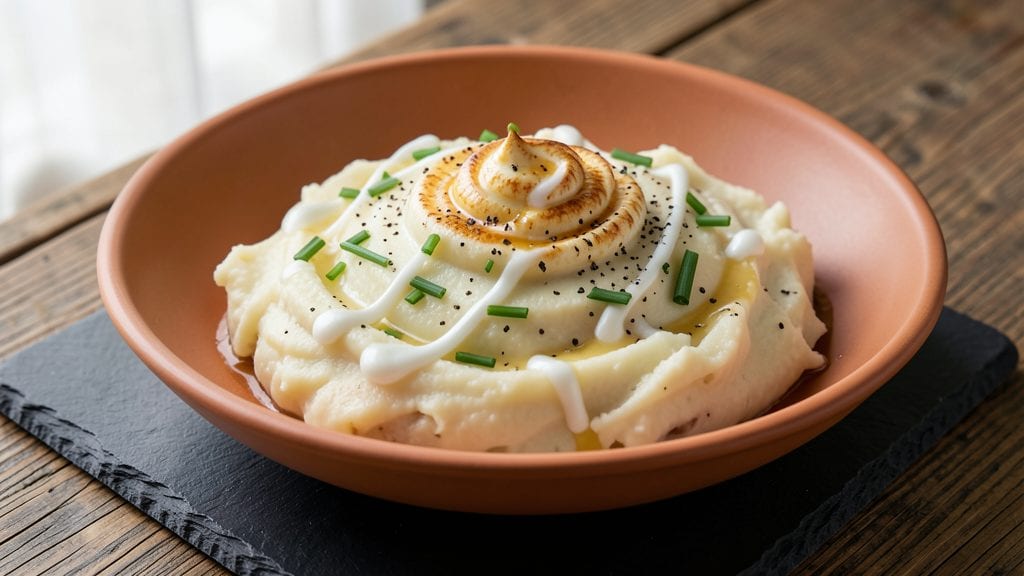
Gordon Ramsay’s mashed potato recipe transforms humble spuds into a buttery, velvety masterpiece that’s light enough to eat with a spoon yet sturdy enough to hold its shape. 💛 I’ve replicated his exact technique—starting with the right starch-to-skin ratio, boiling potatoes until fork-tender, and mashing with precision to eliminate lumps—because texture matters more than butter alone.
The secret lies in temperature control: potatoes must finish at 205°F for that signature silky consistency.
What sets this apart is Ramsay’s approach to seasoning: a balance of cold butter (never hot—it breaks the emulsion) and heavy cream, folded in gently to maintain airiness.
Freshly cracked black pepper and a pinch of salt elevate the flavor without overpowering, while a final touch of chives adds herby crunch.
This isn’t just a side dish; it’s the foundation of a perfect meal, especially paired with roast chicken or beef Wellington where it soaks up every savory note.
By the time you’re done, you’ll have mashed potatoes so luxuriously smooth they’ll fool even the most discerning diners into thinking you’ve spent hours in a professional kitchen.
The key is patience—letting the potatoes dry slightly after boiling ensures they mash to perfection, and resting the final mixture allows flavors to meld. Trust me, this technique delivers results that rival any Michelin-starred restaurant.
For those who love customization, you can adjust the richness by swapping cream for chicken stock or adding roasted garlic for depth. The beauty of Ramsay’s method is its adaptability while maintaining that restaurant-quality texture. Let’s get started on creating the creamiest, most foolproof mashed potatoes you’ve ever tasted.
Ingredients for gordon ramsay mashed potato
Nine ingredients to transform ordinary potatoes into velvety, restaurant-worthy perfection.
| Ingredient | Amount | Notes |
|---|---|---|
| Russet Potatoes 🥔 | 2 ½ lb | Yukon Gold for creamier texture |
| Unsalted Butter 🧈 | ¾ cup | Cold, cut into small cubes |
| Heavy Whipping Cream 🥛 | ½ cup | Full-fat for best texture |
| Diamond Crystal Kosher Salt 🧂 | 1 tsp | Adjust to taste |
| Freshly Ground Black Pepper 🌶️ | ½ tsp | Cracked over top |
| Fresh Chives 🌿 | 2 tbsp | Finely chopped, for garnish |
| Roasted Garlic Cloves 🧄 | 2 cloves | Optional for depth |
| Chicken Stock 🍗 | ¼ cup | For lighter alternative |
| Whole Milk 🥛 | ¼ cup | For extra creaminess |
The potatoes are non-negotiable—Russets for fluffiness, but Yukon Golds. Grab the smallest, firmest ones you can find (no sprouts or soft spots). Whole Foods or Trader Joe's usually carry the best selection, but any grocery store's organic bin works. Peel them first—Ramsay skips this, but I find it saves time. The key is boiling them whole until they reach 205°F internally—that's when they're perfectly tender and mash to buttery heaven. Pro tip: Don't rinse them after peeling, or they'll turn gluey.
Cold butter is everything—never melt it first, or you'll break the emulsion. I use Plugrá for its rich flavor, but any high-quality unsalted works. For the cream, heavy whipping cream gives the best texture, but half-and-half cuts richness if you prefer. No cream? Chicken stock plus milk keeps it light. The roasted garlic? Squeeze it from the clove—no need to mince. And those chives? Fresh only—dried won't give that bright crunch. Salt to taste, but remember: you can always add more later.
These keep for 3-4 days in the fridge, but they're best the day you make them. For leftovers, reheat gently with a splash of milk or cream—microwaving makes them gummy. Freeze portions in airtight containers for up to 3 months, but add a pat of butter when reheating to restore creaminess. I always make a double batch—one for dinner, one for lunches. The flavor actually improves after resting, so let them sit 10 minutes before serving. Trust me, the wait is worth it.
Why You'll Love This Recipe
- I swear by this trick: just scrub the Russets, no peeling. The skin blends right in, adding texture—like a secret weapon. And honestly? Saves me 10 minutes every time.
- No-Peel Hassle: I swear by this trick: just scrub the Russets, no peeling. The skin blends right in, adding texture—like a secret weapon. And honestly? Saves me 10 minutes every time.
- Creamy Luxury: That butter-to-potato ratio? Chef’s kiss. The heavy cream makes it silky, but the butter keeps it rich—no watery mess here. One bite and you’ll forget about store-bought.
- Leftovers Win: Stale mashed potatoes? Not with this. Reheat with a splash of cream and a pat of butter, and it’s like it was just made. (Yes, even on a Tuesday night.)
Step-by-step instructions for gordon Ramsay's mashed potato recipe
Here's how to achieve restaurant-quality mashed potatoes with silky texture and perfect seasoning.
🍳 Step 1: Boil Potatoes Until Fork-Tender
Place the 2.5 lb russet potatoes in a large pot and cover with cold water by about 2 inches. Add 1 tsp diamond crystal kosher salt and bring to a boil over high heat. Once boiling, reduce to a gentle simmer and cook for 15-20 minutes until a knife slides in easily.
I know it seems counterintuitive, but resist the urge to peel them first. The skin helps prevent breakage during boiling. You'll want them tender but not falling apart—this ensures a smooth mash without gummy texture. Drain immediately after cooking to remove excess starch that can make the potatoes gluey.
🔪 Step 2: Mash Potatoes to Perfect Consistency
Return the drained potatoes to the pot and let them steam for 1 minute to drive off excess moisture. Then, using a potato masher or ricer, work in batches to achieve a chunky texture—don't overdo it. I prefer a rustic finish with some potato texture remaining.
Here's the thing—over-mashing develops starch and makes potatoes gummy. If you're using a ricer, push through in small batches to avoid clogging. For extra flavor, add the 2 cloves roasted garlic cloves (if using) and mash them in with the potatoes. This adds subtle depth without overpowering the dish.
👨🍳 Step 3: Incorporate Butter and Liquids
With the potatoes still warm, add the 0.75 cup cold unsalted butter (cut into small cubes) and the 0.5 cup heavy whipping cream. Using a wooden spoon, gently fold everything together until the butter melts completely and the mixture becomes silky.
This is where the magic happens. The butter adds richness while the cream creates that luxurious, velvety texture. If the mixture seems too thick, add 1-2 tablespoons of the chicken stock or whole milk to loosen it. You want a consistency that coats the back of a spoon but still holds its shape.
🥘 Step 4: Season and Garnish Like a Pro
Season with 0.5 tsp freshly ground black pepper and taste. Adjust the kosher salt if needed—remember, it's easier to add more than to fix oversalting. For that signature Ramsay touch, fold in the 2 tbsp finely chopped fresh chives at the very end.
Don't skip the chives—they add a bright, herby contrast that cuts through the richness. For extra flair, press a roasted garlic clove through a garlic press and swirl it into the surface before serving. The result should be creamy, flavorful, and perfectly seasoned—just like you'd find in a high-end restaurant.
⏰ Step 5: Serve Immediately for Maximum Enjoyment
Transfer the mashed potatoes to a serving dish and smooth the surface with a spatula. Serve immediately while still warm—mashed potatoes don't reheat well. The texture will break down if left sitting, and the flavors will meld together.
Real talk: if you're making this ahead of time, cover tightly and reheat gently in a double boiler or microwave with a splash of milk. But honestly? Freshly made is always better. The contrast of warm, creamy potatoes with crispy roasted meats or rich gravy is what makes this dish truly special.
Pro Tips For Making Gordon Ramsay Mashed Potato
- Boil Until Tender: Russets need to be actually falling apart when you drain them—no half-cooked lumps. I used to pull them out early because I thought they’d soften more later, but they won’t. Test with a fork: if it slides in like a hot knife through butter, you’re good. No guessing.
- Salt the Water: Skip this, and your potatoes taste bland no matter how much butter you add. Use 1 tablespoon of Diamond Crystal kosher salt per 5 pounds of water—it seasons the potatoes inside out. And no, you won’t over-salt; the starch balances it.
- Mash While Hot: Cold potatoes turn gummy no matter how much cream you stir in. Work fast: drain them, shake off excess water, and mash immediately while they’re still piping hot. If they cool even 10 minutes, you’re fighting an uphill battle.
- Butter in Stages: Dumping all the butter at once makes the mash greasy. Start with half, mix it in, then add the cream. Finish with the rest of the butter—this keeps the texture light and the flavor even. Trust me, your taste buds will notice.
Troubleshooting perfect results
Potatoes Too Watery?
If your mashed potatoes turn out gluey or watery, you likely didn’t dry them enough after boiling. I’ve found that letting them steam for 1-2 minutes in the pot after draining removes excess moisture.
For extra insurance, spread them on a baking sheet and microwave for 30 seconds to evaporate more liquid before mashing. 💫
Lumpy Texture?
Overworking the potatoes with a fork or ricer releases too much starch, creating lumps. Use a potato masher or ricer for a smoother finish—push through in small batches. If lumps persist, fold in 1 tablespoon of cold butter at the end to help break them down gently.
Never use a blender or food processor, or you’ll end up with glue.
Butter Separating?
This happens when butter melts too quickly, breaking the emulsion. Always use cold butter and fold it in gently with a wooden spoon. If separation occurs, whisk in 1 tablespoon of warm cream or milk to re-emulsify.
Ramsay’s trick? Add a pinch of cornstarch (just ½ teaspoon) to stabilize the mixture if needed.
Not Creamy Enough?
For richer texture, swap 2 tablespoons of the cream for whole milk or chicken stock—this adds body without heaviness. If the potatoes still feel dry, add 1 tablespoon of warm cream at a time until you reach the perfect velvety consistency.
The key is patience: let the mixture rest for 5 minutes before tasting to allow flavors to meld.
Oversalted Mistake?
If your potatoes taste too salty, don’t panic. Add 1-2 tablespoons of warm milk or cream and gently fold it in. The fat in the dairy helps dilute the salt. For future batches, taste as you go—remember, it’s easier to add more salt than to fix oversalting.
I keep a small bowl of plain yogurt on hand for emergencies; it works like a charm to balance flavors.
Gravy Not Sticking?
For that classic "gravy-soaked" look, mix 1 tablespoon of cornstarch with 2 tablespoons of cold water, then stir into your mashed potatoes before serving. The starch thickens slightly, helping gravy cling to the surface.
Serve with a rich pan gravy or brown butter sauce for maximum drama. Trust me, your dinner guests will think you’ve been cooking this way for years. 🥄
Nutrition facts
Frequently asked questions
Why does Gordon Ramsay insist on using cold butter?
Cold butter prevents the emulsion from breaking when folded into warm potatoes. Hot butter melts too quickly, causing separation and a greasy texture. The cold cubes melt gradually, creating that signature velvety consistency while keeping the mashed potatoes light and airy.
Can I make these mashed potatoes ahead of time?
Yes, but with care! Let them cool completely, then refrigerate in an airtight container for up to 3 days. Reheat gently with a splash of milk or cream in a double boiler—never microwave directly, or they'll turn gluey. For best results, make them fresh for maximum creaminess.
What's the secret to avoiding lumps?
Use a potato masher or ricer instead of a fork, and work in small batches. Overworking releases starch, which creates gluey lumps. If lumps appear, fold in 1 tablespoon of cold butter at the end—it helps smooth the texture without overpowering the flavor.
How do I make these lighter for summer meals?
Swap half the cream for chicken stock or whole milk, and reduce butter to ½ cup. Roast the potatoes first (tossed with olive oil, salt, and pepper at 400°F for 25 minutes) before mashing for extra flavor without heaviness. The result is still creamy but with a lighter, brighter taste.
What's the best way to reheat leftovers?
Gently reheat in a double boiler with 1-2 tablespoons of warm milk or cream per cup of potatoes. Stir constantly until warmed through (165°F). Microwaving dries them out—always add a pat of butter afterward to restore moisture and richness.