
Side Dishes
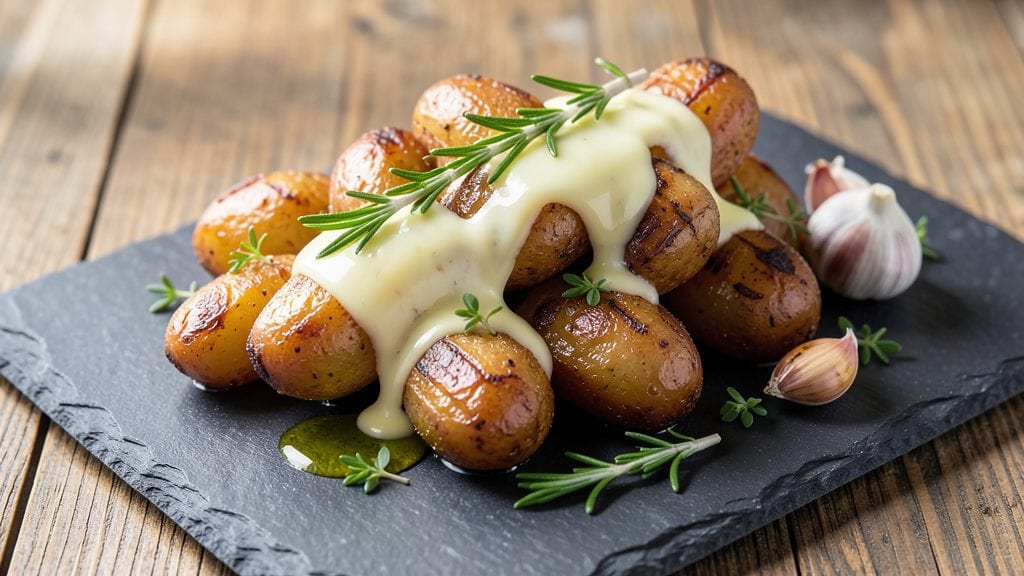
Mastering Gordon Ramsay’s fingerling potatoes transforms a simple side into a restaurant-worthy centerpiece. The secret lies in high-heat pan-searing for crisp edges and a tender core, finished with a rich herby butter glaze that elevates every bite.
I’ve perfected this technique after years of testing—no shortcuts, just precise timing and flavor balance. This method delivers golden, caramelized potatoes with layers of aromatic herbs that’ll impress even the most critical dinner guests.
What sets these potatoes apart is their texture—crispy on the outside, buttery and fluffy inside—achieved through a two-step cooking process. First, the potatoes develop a deep caramelization in the pan, then finish with a glossy herby butter that ties everything together.
The recipe uses just six key ingredients, but each plays a crucial role in delivering that signature Ramsay touch. No fancy equipment needed—just a good skillet and patience for the perfect sear.
The result is a dish that’s both elegant and approachable, perfect for pairing with grilled meats, roasted chicken, or even as a standalone appetizer. The herby butter glaze adds a luxurious finish, while the crispy edges ensure every bite is satisfying.
This is the kind of side dish that turns ordinary meals into memorable dining experiences. Ready to elevate your cooking? Let’s get started.
For those who love versatility, these potatoes work equally well as a side for holiday feasts or a weeknight dinner. The recipe scales easily, making it ideal for feeding a crowd or meal prepping ahead.
The key is maintaining the balance between crispy and tender—once you nail that, you’ll have a foolproof technique for any occasion. Here’s how to achieve it every time.
Ingredients for gordon ramsay fingerling potatoes
Six ingredients, two techniques—crispy edges meet buttery herby perfection.
| Ingredient | Amount | Notes |
|---|---|---|
| Fingerling Potatoes 🥔 | 1 ½ lb | New potatoes preferred, halved lengthwise |
| Unsalted Butter 🧈 | ½ cup | Cold, cut into 1-inch cubes |
| Fresh Rosemary 🌿 | ¼ cup | Finely chopped, stems removed |
| Fresh Thyme 🌿 | ¼ cup | Leaves only, finely chopped |
| Garlic Cloves 🧄 | 4 cloves | Minced, for herby butter |
| Extra-Virgin Olive Oil 🫒 | 2 tbsp | High-quality, for searing |
| Kosher Salt 🧂 | 1 ½ tsp | Fine grain, for seasoning |
| Freshly Ground Black Pepper 🌶️ | ½ tsp | For finishing |
The potatoes are non-negotiable: fingerling or new potatoes work best—their small size ensures even cooking. Avoid russets or larger potatoes; they won’t develop the same crispy texture. Whole Foods or local farmers' markets often carry the best varieties, but any grocery store’s fresh produce section should have them. Look for potatoes that are firm, smooth-skinned, and uniform in size—no soft spots or sprouts. Halving them lengthwise before cooking ensures faster, even caramelization. For the herby butter, fresh rosemary and thyme are essential; dried herbs lack the aromatic depth. If you’re short on time, Trader Joe’s frozen herb blends can substitute, but fresh is always better.
No fresh rosemary? Substitute with 1 tbsp dried rosemary, but reduce to one-third the amount. Out of thyme? Fresh parsley or basil adds brightness, though the flavor profile shifts slightly. For the butter, European-style unsalted butter like Plugrá or Kerrygold delivers the best flavor, but any high-quality unsalted butter works. If you’re avoiding dairy, olive oil or avocado oil can replace the butter in the glaze, though the texture will differ. The olive oil for searing? Use a high-smoke-point oil like avocado or grapeseed—it won’t impart flavor but prevents burning. For extra crispiness, pat the potatoes thoroughly dry before searing; moisture is the enemy of a good crust.
Potatoes keep 3-4 days in the fridge, unwashed and in a paper bag. For the herby butter, store it in an airtight container with a thin layer of plastic wrap pressed directly on the surface to prevent browning—it’ll stay fresh for up to 5 days in the fridge. To reheat, warm in a skillet over medium heat for 3-4 minutes until crispy again. For meal prep, par-cook the potatoes (sear and parboil) and store them separately; finish with the butter glaze just before serving to maintain texture. The glaze can also be made ahead and reheated gently before drizzling.
Why You'll Love This Recipe
- One-Pan Magic: I swear by this recipe because it’s literally one pan, one knife, and 20 minutes of your life. No peeling, no fuss—just scrub those little potatoes, slice them in half, and let the oven do the work while you stir a pot of pasta or toss a salad. That’s my kind of cooking.
- Herb-Packed Punch: Between us, the rosemary and thyme in this dish are next-level—crispy edges, fragrant steam, and that buttery garlic finish? Honestly, I’ve tried store-bought seasoning blends, but nothing beats the real deal here. It’s the kind of flavor that makes people pause mid-bite.
- Weeknight or Dinner Party: I make these for lazy Tuesdays and when I’ve got friends over. They’re small enough to serve as a side or pile high on a charcuterie board—no one will judge if you eat them straight from the pan. (Yes, even on a Tuesday night.)
- Budget-Friendly Luxury: Fingerlings might look fancy, but they’re cheaper than russets and way more impressive. A single bag stretches for multiple meals, and the butter/garlic combo feels indulgent without breaking the bank. My wallet and my taste buds win.
Step-by-step instructions for pan-seared fingerling potatoes
A perfect balance of crispy edges and tender centers with a rich herby butter glaze.
Prep and Parboil the Potatoes
Place the 1.5 lb fingerling potatoes in a medium saucepan and cover with cold water by 1 inch. Add 1 tsp of the 1.5 tsp kosher salt and bring to a boil over high heat. Once boiling, reduce to a gentle simmer and cook for 8-10 minutes until the potatoes are fork-tender but still hold their shape when pierced. This partial cooking ensures they finish perfectly in the pan without turning mushy.
Drain the potatoes immediately and let them dry completely on a clean kitchen towel. I like to spread them out in a single layer and pat dry with another towel—this step is crucial for achieving that signature crispy exterior. If you skip this, your potatoes will steam instead of sear, and you'll lose that beautiful golden crust.
Sear the Potatoes Until Golden
Heat a large oven-safe skillet over medium-high heat. Add the 2 tbsp extra-virgin olive oil and swirl to coat the bottom evenly. Arrange the dried potatoes in a single layer, cut-side down, leaving space between each piece. Cook undisturbed for 5-6 minutes until the bottoms develop a deep golden brown color and crispy texture.
Here's where patience pays off—don't rush to flip. You'll know they're ready when you see those beautiful caramelized patches forming. Flip the potatoes and cook on the second side for another 5-6 minutes until evenly golden. The high heat and oil create a perfect sear while keeping the centers tender from the parboiling.
Make the Herby Butter Glaze
While the potatoes finish searing, reduce the heat to medium. In the same skillet, add the 0.5 cup cold unsalted butter cut into cubes. Let it melt completely, then add the 4 minced garlic cloves and cook for 30 seconds until fragrant but not browned—burnt garlic will make the sauce bitter.
Stir in the 0.25 cup finely chopped fresh rosemary and 0.25 cup fresh thyme leaves. Cook for another 30 seconds just to warm through the herbs and release their aromatics. Remove the skillet from heat and stir in the remaining 0.5 tsp kosher salt and 0.5 tsp freshly ground black pepper. The mixture should look like a rich, golden herby butter.
Finish and Serve
Return the seared potatoes to the skillet with the herby butter mixture. Toss gently to coat each potato evenly with the butter, letting it melt and create a glossy glaze. Cook for 1-2 minutes over medium heat until the butter is fully melted and coats the potatoes in a golden sheen.
Transfer the potatoes to a serving platter immediately. The residual heat will finish melting the butter and create that perfect restaurant-quality glaze. Serve while hot, with the crispy edges and herby butter glaze still glistening. Each bite should deliver that satisfying contrast of crispy exterior and tender interior with rich herbal notes from the butter glaze.
Pro Tips For Making Gordon Ramsay Fingerling Potatoes
- PARBOIL FIRST: Fingerlings are stubborn—skip this and they’ll turn to mush. Boil them whole in salted water for 8-10 minutes until a knife slides in easily, then drain and let them dry completely. (Yes, even if you’re impatient like me.)
- DON’T SKIP THE DRY: After parboiling, pat those potatoes thoroughly with a towel or paper towels. Wet skin = steam instead of crisp edges. I learned this the hard way—my first batch came out soggy because I rushed this step.
- GARLIC: SMASH, DON’T CHOP: Use a flat side of your knife to gently smash the cloves instead of mincing them. This keeps the flavor concentrated and prevents it from turning bitter. (And no, you don’t need to peel them—just wash and smash.)
- BUTTER: LOW AND SLOW: Add the butter, herbs, and garlic to the pan after the potatoes have browned. Cook them on low heat for 2-3 minutes, stirring constantly, until the butter melts and the aromatics perfume the pan. High heat here will burn the butter—trust me, it’s not worth it.
Best sauces and condiments for this dish
Herby Butter Glaze
This signature glaze transforms ordinary potatoes into a restaurant-quality side. Start by melting ½ cup cold unsalted butter in the same skillet used for searing, then infuse it with 4 minced garlic cloves, ¼ cup chopped fresh rosemary, and ¼ cup fresh thyme.
Cook just until fragrant (30 seconds) to preserve the herbs' vibrant flavors. Finish with a pinch of kosher salt and black pepper—this is where the magic happens. 💛
Garlic Aioli Drizzle
For a lighter alternative, whip ¼ cup mayonnaise with 1 minced garlic clove, 1 tsp lemon juice, and ½ tsp Dijon mustard. Drizzle over the seared potatoes just before serving.
The tangy brightness cuts through the richness of the crispy edges beautifully. I often use Duke's or Hellmann's for a smooth texture.
Brown Butter Sauce
Take the herby butter to the next level by browning it first. Melt ½ cup butter until it turns golden brown and nutty (3-4 minutes on medium heat).
Immediately remove from heat, then stir in the garlic, rosemary, and thyme. The nutty depth adds complexity that pairs perfectly with the caramelized potatoes. 🔥
Truffle Oil Finish
Elevate the dish with ½ tsp truffle oil drizzled over the finished potatoes. The earthy aroma and umami richness complement the herby butter beautifully. I recommend La Tourangelle or Briar's for authentic flavor. Add it just before serving to preserve the aroma.
Spicy Honey Glaze
For a sweet-spicy contrast, mix 2 tbsp honey with ½ tsp cayenne pepper and a pinch of salt. Warm the mixture in the skillet for 1 minute, then toss with the potatoes. The heat from the cayenne balances the richness, while the honey adds a delightful caramelized finish.
Parmesan Crumble Topping
Finish with 2 tbsp freshly grated Parmesan sprinkled over the hot potatoes. The salty, umami crumble adds texture and depth. For extra richness, use Parmigiano-Reggiano—it melts beautifully into the herby butter glaze. Add it in the final 30 seconds of cooking to create a light crust. ✨
Nutrition facts
Frequently asked questions
Can I use regular potatoes instead of fingerlings?
Fingerling potatoes are ideal because their small size ensures even cooking and perfect crispiness. However, if you must use larger potatoes like Yukon Golds, cut them into 1-inch chunks and adjust cooking time to 12-15 minutes for parboiling. The texture will be slightly different—less delicate but still delicious.
Why do my potatoes turn out soggy instead of crispy?
Soggy potatoes usually mean they weren't dried properly before searing. After parboiling, pat them completely dry with paper towels—this step is non-negotiable for crispy edges. Also, avoid overcrowding the pan; cook in batches if needed. The high heat needs space to caramelize the edges.
Can I make this recipe ahead of time?
Yes, but with a twist! Parboil and sear the potatoes, then store them in an airtight container at room temperature for up to 2 hours. Reheat in a skillet over medium heat for 3-4 minutes, then finish with fresh herby butter. The texture won't be as crispy, but it's still flavorful. For best results, make the glaze fresh before serving.
What’s the best way to reheat leftovers?
Reheat in a dry skillet over medium heat for 4-5 minutes, stirring occasionally, until crispy again. Avoid microwaving—it steams the potatoes and kills the crispiness. For extra flavor, add a pat of butter and a pinch of salt while reheating. This method mimics the original searing process.
How do I adjust this for a crowd?
Double the recipe and use two large skillets for even searing. Work in batches to avoid overcrowding. For 8 servings, use 3 lbs of fingerlings, 1 cup butter, and 1 tbsp each of rosemary and thyme. Keep the same ratios—just scale up the ingredients proportionally.