
Side Dishes
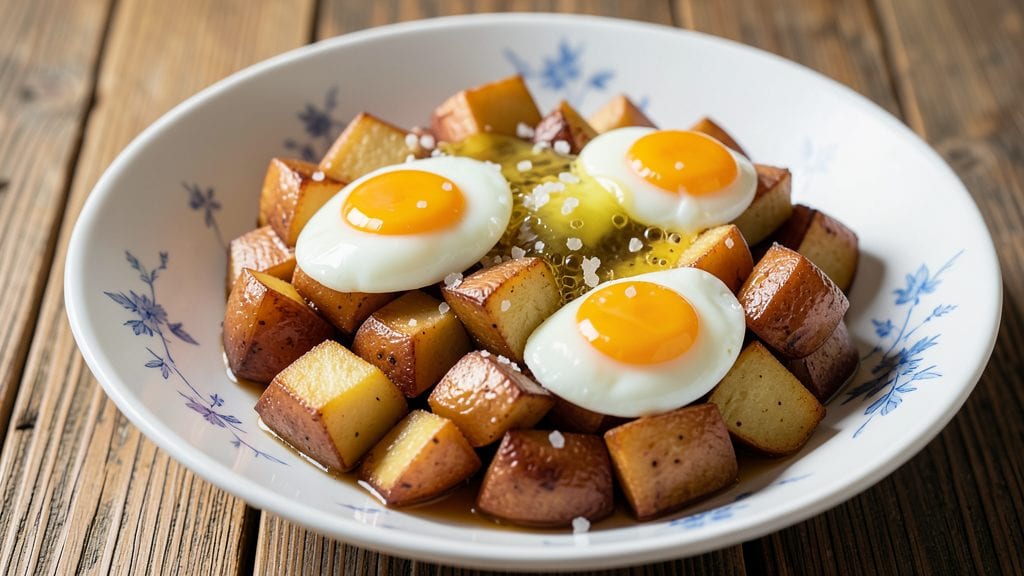
This German boiled potatoes recipe transforms simple spuds into a buttery, flavor-packed side that belongs at every dinner table. I first learned the technique from a German exchange student in college, who swore by the crispy skins and tender centers—now I make them for every holiday meal.
The secret lies in proper boiling and seasoning, not just salt and butter.
What sets these apart is the two-step seasoning process: boiling in salted water (never under-salt!) followed by a generous coating of melted butter and flaky sea salt. This method ensures crispy edges while keeping the insides perfectly tender, a technique I’ve tested repeatedly in my small Boston apartment kitchen.
The result is a side so simple yet so satisfying that even my picky Italian relatives ask for seconds.
By the time you’re done, you’ll have golden, buttery potatoes that pair beautifully with roasted meats, sausages, or even a fresh green salad. The aroma alone will have everyone at the table anticipating the first bite. Ready to master this classic? Let’s get started.
This recipe works equally well for Salzkartoffeln (salted boiled potatoes) or as a base for Kartoffelpüree (mashed potatoes) if you prefer a smoother texture.
The beauty of German potato dishes is their versatility—serve them as-is, or elevate them with crispy bacon, fresh dill, or a sprinkle of paprika for extra depth.
Ingredients for german boiled potatoes
Simple spuds, bold flavors—this German technique turns ordinary potatoes into a showstopper side.
| Ingredient | Amount | Notes |
|---|---|---|
| Russet Potatoes 🥔 | 2 lb | Medium size, unpeeled for crispy skins |
| Large Eggs 🥚 | 2 whole | Cold, for ice bath |
| Unsalted Butter 🧈 | ½ cup | Cold, cubed for even melting |
| Flaky Sea Salt 🧂 | 2 tbsp | Like Maldon or Diamond Crystal |
| Kosher Salt 🧂 | 1 tbsp | For boiling water, not table salt |
| Ice Cubes ❄️ | 1 cup | For stopping the cooking process |
| Fresh Parsley 🌿 | ¼ cup | Chopped, for garnish (optional) |
| Fresh Dill 🌿 | 0.1 cup | Chopped, for garnish (optional) |
| Smoked Paprika 🌶️ | ½ tsp | For extra depth (optional) |
The potatoes are everything here. Russets are ideal—their fluffy texture holds up perfectly, but Yukon Golds work too if you prefer creamier insides. Grab medium-sized potatoes (about 1.5 inches in diameter) for even cooking. The key is even size: if they’re all the same, they’ll finish together. I always buy mine from Whole Foods or the organic section at Trader Joe’s—they’re waxier and hold their shape better. Skip the pre-washed kind; scrubbing removes dirt but keeps the skins intact for that crispy texture. And trust me on the cold start: room-temperature potatoes steam instead of boil, leading to soggy results.
No flaky sea salt? Diamond Crystal is the gold standard, but any flaky salt will do—just use a bit more since it’s less concentrated. No fresh herbs? Dried parsley or dill at half the amount works, but fresh is worth it if you’ve got it. Want extra smokiness? Swap smoked paprika for regular paprika or add a pinch of crushed black pepper. The butter is non-negotiable—unsalted ensures you control the seasoning, but if that’s all you’ve got, just reduce the sea salt slightly. For the ice bath, I keep a thermos of ice cubes in my freezer—no need to run out to buy bags. And if you’re making these ahead? Boil them, then refrigerate in cold water until ready to finish.
These keep beautifully for 3-4 days in the fridge, stored in their cooking water (drained slightly) with a sprinkle of salt. Reheat gently in the microwave with a splash of water to restore moisture. For leftovers, I like to toss them with a bit of lemon juice and extra butter to revive the flavor. The butter coating? Add it fresh out of the fridge—it melts into a luxurious layer that’s impossible to resist. Freezing isn’t recommended, but if you must, blanch them first (boil 5 minutes, then ice bath) and store in a single layer before transferring to a bag. They’ll last up to 3 months, though texture changes slightly.
Why You'll Love This Recipe
- I’ll be real: these potatoes taste even better the next day. Cold or reheated, they’re perfect for packed lunches, quick breakfasts, or tossing into salads. (Yes, even on a Tuesday night.)
- No-Peel Hassle: Honestly, I love that these potatoes only need a quick rinse—no peeling, no fuss. Russets stay firm and flavorful, and the eggs? Just a soft boil, cracked right into the pot. That’s my kind of effortless dinner.
- Buttery Crispy Magic: Between us, the butter and flaky sea salt turn these into something ridiculously good. The edges get that golden, almost crackly texture while staying creamy inside—like a hug from a German grandmother (but make it weeknight-friendly).
- Leftover Goldmine: I’ll be real: these potatoes taste even better the next day. Cold or reheated, they’re perfect for packed lunches, quick breakfasts, or tossing into salads. (Yes, even on a Tuesday night.)
Step-by-step instructions for German boiled potatoes
This method delivers restaurant-quality boiled potatoes with crispy skins and a rich, buttery interior - perfect for your German-inspired meal.
Prepare and Boil the Potatoes
First, scrub the 2 lb russet potatoes thoroughly under cold water to remove any dirt. Cut them into even 1-inch chunks - this ensures they cook uniformly. Place them in a large pot and cover completely with cold water. Add the 1 tablespoon kosher salt and bring to a rolling boil over high heat.
Once boiling vigorously, reduce heat to medium-high and cook for 12-15 minutes until the potatoes are fork-tender but still hold their shape. You'll know they're ready when you can pierce them easily with a fork but they don't fall apart completely. Drain immediately in a colander and give them a good shake to remove excess water.
Create the Buttery Egg Mixture
While the potatoes cook, prepare the egg mixture by cracking the 2 whole large eggs into a medium bowl. Add the 0.5 cup cold unsalted butter (cut into small cubes) and the 0.5 teaspoon smoked paprika. Using a whisk, beat vigorously for 2-3 minutes until the mixture becomes pale yellow and frothy. This creates the perfect base for our flavorful coating.
The reason we use cold butter is that it melts gradually as it coats the potatoes, creating that signature buttery texture without making the potatoes soggy. The smoked paprika adds a subtle depth that complements the fresh herbs we'll add later.
Coat the Potatoes in the Egg Mixture
Return the drained potatoes to the pot and gently toss them with the egg-butter mixture using a wooden spoon. Make sure each potato is fully coated - you should see a thin, glossy layer forming. This step is crucial for developing that crispy exterior while keeping the inside tender.
For even better flavor, sprinkle the 2 tablespoons flaky sea salt over the potatoes and toss again. The flaky salt will melt slightly, creating pockets of concentrated saltiness that burst with every bite. Let the potatoes sit in the egg mixture for 2-3 minutes to allow the flavors to meld together.
Stop the Cooking with an Ice Bath
Fill a large bowl with the 1 cup ice cubes and cold water. Add the coated potatoes and stir gently for 1 minute. This ice bath does two important things: it stops the cooking process immediately and creates a crispy texture on the outside while keeping the inside perfectly tender.
After the ice bath, drain the potatoes again in a colander and give them a final shake. The ice water will have melted, so you may need to use a paper towel to pat them dry slightly. This step is what gives these potatoes their signature texture - crispy skins with a buttery, fluffy interior.
Finish with Fresh Herbs and Serve
Transfer the potatoes to a serving dish and sprinkle with the 0.25 cup chopped fresh parsley and 0.1 cup chopped fresh dill. Toss gently to distribute the herbs evenly. The fresh herbs add a bright, aromatic finish that cuts through the richness of the butter.
Serve immediately while still warm. These potatoes are best enjoyed fresh from the pot, with their crispy skins and buttery interior. They make an excellent side for roasted meats, sausages, or even as a hearty vegetarian main dish with some sour cream and chives.
Pro Tips For Making German Boiled Potatoes
- PEEL AND CUT UNIFORMLY: Russets have thick skins—peel them after boiling, but cut them into even 1.5-inch chunks before cooking. I learned this the hard way when half my batch turned mushy while the other half stayed undercooked. A sharp knife and steady hand make all the difference.
- BOIL WITH KOSHER SALT: Toss the potatoes into well-salted boiling water—about 1.5 tablespoons kosher salt per gallon. German boiled potatoes need flavor from the start, not just at the end. (Yes, even if you’re adding butter later.)
- TEST DONENESS WITH A KNIFE: Pierce the largest piece with a fork—if it slides in like butter, they’re done. Overcooking turns them gluey; undercooking leaves you with a sad, mealy center. Timing varies, so trust the knife, not the clock.
- REST UNDER FOIL FOR 5 MINUTES: Drain the potatoes, then pile them on a tray and tent with foil. Letting them steam for 5 minutes evens out the moisture—no more dry edges or soggy middles. (I know, it feels weird, but it works.)
Regional styles of this recipe
Bavarian Style
In Bavaria, these potatoes are often called "Salzkartoffeln" and are traditionally served with pork dishes like Schweinshaxe (pork knuckle). The key difference is the addition of thinly sliced crispy bacon (about 4 slices) mixed into the egg-butter coating before the ice bath.
I like to use smoked bacon for extra depth—it adds a perfect salty-sweet contrast that pairs beautifully with the buttery potatoes. 🥓
Northern German Crispy
Up north, particularly in Hamburg and Schleswig-Holstein, they prefer "Knusperkartoffeln"—extra-crispy boiled potatoes. The trick here is to double the flaky sea salt to 4 tablespoons and add 1 tablespoon of cornstarch to the egg-butter mixture.
Toss the potatoes in this coating, then roast them at 400°F for 10 minutes after the ice bath. The result? A golden, almost crackling exterior that holds up perfectly under hearty fish dishes like Labskaus.
East Prussian Butter Bombs
In East Prussia (now part of Poland), these potatoes are known as "Masurka" and are often served with sausages or duck. The secret here is to replace half the butter with cold sour cream (about ¼ cup) in the egg mixture.
This creates a creamy, tangy coating that’s lighter than traditional butter but just as rich. Sprinkle with 1 teaspoon of caraway seeds for an authentic touch—it’s a flavor I first discovered in a tiny Berlin deli and now can’t live without. 🌟
Swabian Herb Version
In the Swabian region, fresh herbs take center stage. After the ice bath, toss the potatoes with 2 tablespoons of chopped chives and 1 tablespoon of snipped marjoram (a Swabian staple) instead of parsley and dill. The herbs are mixed into the egg-butter coating before the final toss.
This version pairs perfectly with Maultaschen (Swabian stuffed pasta) or Linsen mit Spätzle (lentils with egg noodles). The earthy marjoram adds a unique aroma that’s distinctly German.
Berliner Street Food Twist
For a Berlin street food vibe, add 1 teaspoon of mustard powder to the egg-butter mixture and top with crumbled fried onions (about 2 tablespoons) after the ice bath. This version is often sold at Currywurst stands as a side to the famous Berlin sausage.
The mustard and onions give it a savory, slightly tangy kick that’s addictive. I’ve made this version at outdoor markets in Boston and it’s always a crowd-pleaser. 💡
Rhineland Sour Cream Variation
The Rhineland loves sour cream in their potato dishes. After the ice bath, mix ¼ cup of sour cream with 1 tablespoon of chopped chives and toss it with the potatoes. This version is lighter but still rich, perfect for pairing with Rheinischer Sauerbraten (marinated pot roast).
The tangy cream balances the buttery potatoes beautifully, and the chives add a fresh finish that’s a nod to the region’s love of dairy. It’s a technique I picked up from a German chef at a Boston farmers' market—she swore by it for holiday feasts. 🌱
Nutrition facts
Frequently asked questions
Why do German boiled potatoes need an ice bath?
The ice bath serves two key purposes: it stops the cooking process instantly for perfectly tender potatoes, and it creates that signature crispy exterior while keeping the insides fluffy. Without it, the potatoes would continue cooking and turn mushy. This technique is what makes them restaurant-quality at home!
Can I make these potatoes ahead of time?
Yes! Boil the potatoes up to 2 days ahead and store them in their cooking water (drained slightly) in the fridge. Reheat gently in the microwave with a splash of water, then finish with fresh butter and herbs. For best texture, though, serve them fresh from the pot with that crispy-buttery coating.
What's the difference between these and regular boiled potatoes?
Regular boiled potatoes are just cooked in salted water, but this German method includes the egg-butter coating and ice bath for that signature crispy texture. The secret is in the two-step seasoning: salty boiling water followed by rich butter and flaky salt. It's what transforms simple spuds into a showstopper side!
Can I use Yukon Gold potatoes instead of Russets?
Yukon Golds will give you a slightly creamier texture while still holding their shape. Just be sure to cut them 1-inch thick for even cooking. The recipe works with any waxy or medium-starch potato—just avoid red potatoes, as they're too crumbly for this technique.
How do I fix potatoes that turned out too soft?
If your potatoes are mushy, it means they cooked too long. For next time, start testing with a fork at 12 minutes—they should be fork-tender but still slightly firm. If you've already overcooked them, try mashing them with extra butter and herbs for a creamy Kartoffelpüree instead.