Side Dishes
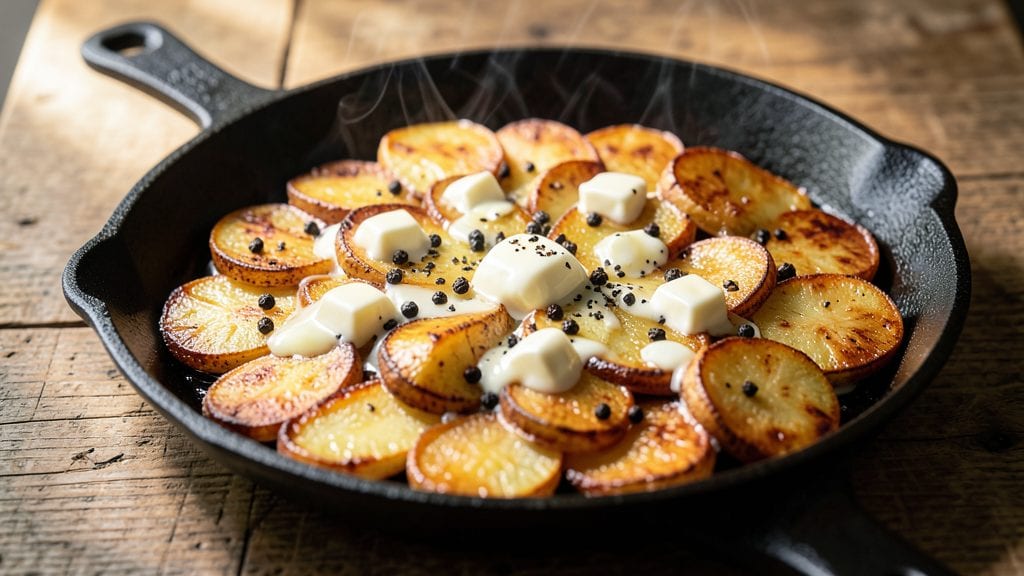
Transforming canned sliced white potatoes into a vinegar-braised side dish with crispy edges and creamy centers is one of those kitchen discoveries that changes how you approach leftovers.
The secret lies in a simple braising technique that adds depth without complexity—just a splash of vinegar, a touch of butter, and patience to develop that perfect texture contrast.
I first tried this after realizing how often canned potatoes end up soggy or bland, and the results were so much better than expected.
This method delivers restaurant-quality results in just 30 minutes with minimal prep, making it ideal for weeknight dinners or potlucks. The vinegar tenderizes the potatoes while creating a subtle tang that cuts through richer main dishes, while the butter adds richness that keeps the centers creamy despite the crispy exterior.
It’s a foolproof technique that works with any canned sliced potatoes—no special ingredients required beyond your pantry staples.
What you’ll end up with is a side dish that’s crispy on the edges and tender inside, with a delicate sheen from the braising liquid that makes it look as good as it tastes.
The vinegar adds a bright acidity that balances the potatoes’ natural starchiness, while the butter ensures each bite stays satisfyingly rich. This is the kind of side that elevates simple meals into something special—no one will guess it started from a can.
The beauty of this recipe is its versatility. Serve it alongside grilled meats, roasted vegetables, or even as a base for loaded baked potato bowls. For extra flavor, sprinkle with fresh herbs or a pinch of smoked paprika before serving. Let’s get started—it’s easier than you think!
Ingredients for canned sliced white potatoes
Pantry staples transform canned potatoes into a restaurant-worthy side with crispy edges and creamy centers.
| Ingredient | Amount | Notes |
|---|---|---|
| Canned Sliced White Potatoes 🥔 | 2 cans | 15 oz each, drained well |
| White Vinegar 💧 | ½ cup | Distilled preferred for balance |
| Unsalted Butter 🧈 | 4 tbsp | Cold, cubed for even melting |
| Salt 🧂 | 1 tsp | Kosher or sea salt preferred |
| Black Pepper 🌶️ | ½ tsp | Freshly ground for best flavor |
| Garlic Cloves 🧄 | 2 cloves | Minced for aromatic depth |
| Fresh Thyme Leaves 🌿 | ¼ cup | Or 1 tsp dried thyme |
| Water 💧 | ½ cup | Room temperature preferred |
| Smoked Paprika 🌶️ | ¼ tsp | Optional for extra depth |
| Fresh Parsley 🌿 | ⅛ cup | Chopped, for garnish |
The potatoes are the foundation, so check the can for quality—look for firm slices with no dark spots or soft edges. Libby's or Del Monte are reliable brands, but any canned sliced potatoes work. Drain them well before using, and give them a quick rinse to remove excess starch. The vinegar is key here—it tenderizes the potatoes while adding a subtle tang that balances the richness of the butter. White vinegar is preferred over apple cider for its neutral flavor, but either works in a pinch. For the butter, Land O'Lakes or Plugrá brands melt beautifully and add that satisfying richness without overpowering the dish.
No white vinegar? Apple cider vinegar or lemon juice will work, though the flavor profile shifts slightly. Short on fresh thyme? Dried thyme at one-third the amount is a solid swap, but fresh is ideal for that bright aroma. The smoked paprika is optional but adds depth—if you skip it, a pinch of smoked salt can give a similar effect. For the parsley, fresh is best, but dried parsley at half the amount will do in a pinch. The garlic cloves can be pre-minced from a jar, but freshly minced adds more complexity. If you're short on time, garlic powder at half the amount works too.
This dish reheats beautifully—just pop it in a skillet for 3-4 minutes over medium heat until the edges are crispy again. Store leftovers in an airtight container in the fridge for up to 4 days. The flavors actually improve overnight as the potatoes absorb the braising liquid. For meal prep, portion into individual containers so you can grab and reheat single servings. If you want to make it ahead, braise the potatoes a day in advance and store them in the fridge—they'll be even more flavorful when reheated.
Why You'll Love This Recipe
- I’ll be real: I used to dread peeling potatoes. Now? I just open a can, dump them in a pan, and call it a win. The vinegar keeps them from turning mushy—honestly, it’s like a secret weapon for lazy nights.
- No-Peel, No-Cut Magic: I’ll be real: I used to dread peeling potatoes. Now? I just open a can, dump them in a pan, and call it a win. The vinegar keeps them from turning mushy—honestly, it’s like a secret weapon for lazy nights.
- Buttery Crispy Edge: That moment when the butter hits the pan and the potatoes get golden? Pure satisfaction. The vinegar brightens the flavor while the butter makes it rich—like a fancy side but with zero effort. My husband steals bites straight from the pan.
- Weeknight Sidekick: Game night? Picnic? Leftovers for lunch? These potatoes handle it all. Toss them with a protein for a full meal, or serve them alongside anything. They’re my go-to when I need something that won’t let me down.
Step-by-step instructions for vinegar-braised canned sliced white potatoes
Transform simple canned potatoes into a restaurant-worthy dish with crispy edges and creamy centers.
Prepare the Potatoes and Aromatics
Drain the 2 cans of sliced white potatoes thoroughly and transfer them to a large skillet. I always spread them out in a single layer to ensure even browning. The potatoes should be dry—any moisture will prevent crispy edges.
In a small bowl, combine the 0.5 cup white vinegar, minced 2 cloves garlic, 0.25 cup fresh thyme leaves, and 0.25 tsp smoked paprika. This mixture forms the flavor base that will transform the potatoes. Let it sit while you prepare the butter—this allows the aromatics to meld slightly before hitting the heat.
Build the Flavor Base
Place the skillet over medium heat and add the 4 tbsp cold cubed unsalted butter. Let it melt slowly while stirring occasionally—this gradual melting prevents burning. Once the butter has fully melted and begins to foam, pour in the garlic-vinegar-thyme mixture.
Simmer for 2 minutes until the liquid reduces slightly and the thyme becomes fragrant. You'll notice the vinegar aroma mellows into something more complex. This is when the potatoes are ready to absorb all those flavors. The butter should be bubbling gently but not browning—adjust heat if needed to maintain control.
Braise for Creamy Texture
Add the drained potatoes to the skillet and pour in the 0.5 cup water. The liquid should just barely cover the potatoes—this creates the perfect braising environment. Sprinkle with the 1 tsp salt and 0.5 tsp black pepper, then gently stir to combine.
Cover the skillet with a tight-fitting lid and reduce heat to low. Let the potatoes simmer for 10 minutes, stirring once halfway through. You're looking for two things here: the potatoes should soften slightly while absorbing the vinegar-butter mixture, and the edges should begin developing a subtle crispness from the residual heat.
Develop Crispy Edges
Remove the lid and increase heat to medium-high. Let the potatoes cook uncovered for 5-7 minutes, stirring occasionally. This is where the magic happens—the moisture evaporates, creating those coveted crispy edges while maintaining creamy centers. You'll know it's ready when the potatoes have a golden-brown crust around the edges but still feel tender when pierced with a fork.
If the potatoes seem too dry before reaching crispiness, add 1-2 tablespoons of water and cover briefly to steam. The key is balance—crispy exterior with creamy interior. The vinegar helps tenderize the potatoes while the butter creates that luxurious mouthfeel.
Finish and Garnish
Once the potatoes reach the perfect texture, remove from heat. Stir in the 0.125 cup chopped fresh parsley and let sit for 2 minutes. This resting period allows the flavors to settle while the parsley releases its fresh aroma. The potatoes should be hot but not boiling when served.
Serve immediately with the crispy edges facing up—this is where all the flavor concentration happens. The creamy centers will contrast beautifully with the vinegar-braised edges. For extra depth, pass additional black pepper at the table. This dish works equally well as a side or light main course.
Pro Tips For Making Canned Sliced White Potatoes
- Drain and Rinse Properly: The syrup in canned potatoes is sticky—it’ll turn your pan into glue if you ignore it. Dump the potatoes into a colander, give them a quick cold-water rinse, and shake off excess moisture. This keeps your butter from sliding around and your pan from smoking like a campfire.
- Use Vinegar Early: Toss the potatoes with vinegar before heating—let them sit for 5 minutes while you melt the butter. This cuts the mushy texture that happens when you dump everything in hot. (Yes, it sounds weird, but it works.)
- Salt the Butter First: Mix your salt and pepper into the butter before adding it to the potatoes. This guarantees even seasoning—no more dry, bland slices while the butter pools in the pan. I learned this the hard way after serving a plate where half tasted like plain potatoes.
- Finish with a Hot Pan: Crank your pan to medium-high, add the drained potatoes, and let them sear for 2-3 minutes before stirring. This builds a light crust that makes all the difference—no soggy, limp slices. (Your future self will thank you.)
Perfect pairings for this dish
Protein Pairings
These vinegar-braised potatoes shine alongside hearty proteins like grilled chicken breast or pan-seared pork chops. The tangy vinegar and herby notes cut through the richness of the meat beautifully. I often serve them with lemon-herb grilled chicken—the citrus in both dishes creates a harmonious balance.
For a heavier meal, pair with smoked sausage or beef tenderloin to soak up the extra braising liquid. 🍗
Vegetable Complements
Roasted or steamed vegetables add freshness and color to your plate. Asparagus spears tossed with olive oil and lemon zest complement the potatoes perfectly—their natural sweetness contrasts with the vinegar. Another great option is sautéed green beans with garlic and a splash of white wine.
For a heartier side, try roasted Brussels sprouts with a sprinkle of balsamic glaze—the caramelized edges mirror the crispy potato texture.
Cheesy Additions
For a loaded potato experience, top with sharp cheddar or Gruyère cheese while serving. The cheese melts slightly from the residual heat, creating a creamy sauce that coats the crispy edges.
I also love adding crumbled feta for a briny contrast. Another idea is to serve with warm potato wedges on the side—double the crispy texture while keeping the meal cohesive. 🧀
Bread Pairings
A warm crusty baguette or sourdough is perfect for soaking up any extra braising liquid. Toast the bread lightly and rub with a garlic clove before serving. For a more substantial pairing, try garlic bread with a side of marinara sauce.
The bread's buttery richness complements the vinegar's tang while adding a satisfying texture contrast. I often serve this with Italian-style roasted potatoes for a complete meal.
Dessert Follow-Ups
End your meal with something light to balance the richness. A lemon sorbet or vanilla bean ice cream cleanses the palate beautifully. For a more substantial option, try honey-drizzled ricotta with fresh berries.
The sweetness of the fruit contrasts perfectly with the vinegar-braised potatoes, leaving your guests satisfied and well-rounded. 🍦
Beverage Matchups
Pair this dish with a crisp white wine like Sauvignon Blanc or Pinot Grigio—their acidity mirrors the vinegar's tang. For beer lovers, a Belgian witbier or pilsner provides a refreshing contrast.
If you prefer something non-alcoholic, sparkling water with a lemon twist or iced hibiscus tea works wonderfully. The effervescence helps cut through the richness of the butter and potatoes.
Nutrition facts
Frequently asked questions
Can I use other types of vinegar besides white vinegar?
Yes! Apple cider vinegar or balsamic vinegar work well, though they'll add slightly different flavor profiles. Apple cider vinegar brings a mild sweetness, while balsamic adds depth. Start with 0.5 cup and adjust to taste. For a milder option, lemon juice works too—just reduce to 3 tablespoons since it's more acidic.
Why do my canned potatoes turn mushy?
Overcooking or adding too much liquid causes mushiness. Keep the heat at medium-high for crispy edges and only add 0.5 cup water. Stir occasionally to prevent sticking, and never cover the pan during the final crisping phase. If they soften too quickly, reduce heat to low and cook uncovered.
Can I make this ahead of time?
Braise the potatoes up to 2 days ahead and store in an airtight container. Reheat in a skillet over medium heat for 5-7 minutes until crispy again. The flavors actually improve as the potatoes absorb the braising liquid overnight. For best results, reheat uncovered to restore crispiness.
What if I don't have fresh thyme?
Use 1 teaspoon dried thyme instead, but add it directly to the skillet with the vinegar mixture. Dried herbs are more concentrated, so reduce the amount by one-third. For extra flavor, add 0.25 teaspoon dried rosemary along with the thyme. The dish will still taste great—just slightly more robust.
How do I adjust this for a larger group?
Double the ingredients and use a larger skillet or divide between two 12-inch pans. For 8 servings, use 4 cans of potatoes, 1 cup vinegar, and 8 tablespoons butter. Cook in batches if needed, but keep the 10-minute braise and 5-7 minute crisp times consistent.