Side Dishes
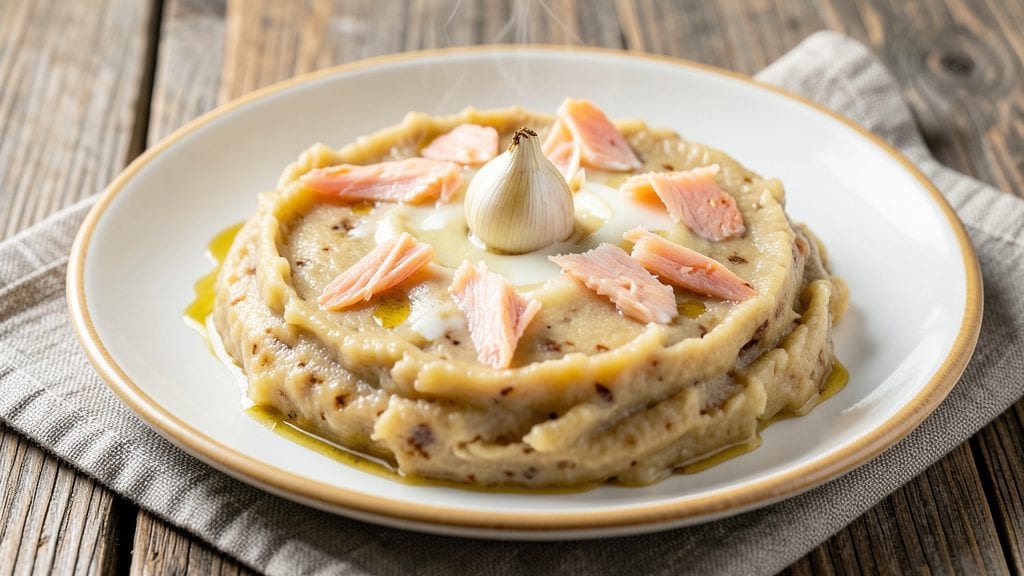
This canned salmon mashed potatoes recipe transforms a simple side into a protein-packed meal that delivers omega-rich creaminess in just 15 minutes. The secret lies in flaking the salmon directly into the warm potatoes—no extra bowls, no wasted time—while garlic and fresh dill elevate the classic flavors.
I developed this after realizing how often canned salmon gets overlooked in home cooking, and it’s now a staple in my rotation for quick yet satisfying dinners.
The process is straightforward but precise: cream the potatoes with butter and milk, then fold in the flaked salmon with a pinch of salt, pepper, and lemon zest.
The salmon adds a delicate, buttery richness that balances the smooth texture of the potatoes, while the garlic and herbs ensure every bite is flavorful. This isn’t just a side dish—it’s a complete, protein-rich meal that feels indulgent yet wholesome.
What makes this recipe stand out is how effortlessly it comes together. No need for complicated techniques or last-minute shopping—just a few pantry staples and 15 minutes of active time. The result is a creamy, omega-rich dish that’s perfect for weeknight dinners, potlucks, or even a light lunch.
Garnish with fresh dill or a drizzle of hollandaise for an extra touch of elegance, and you’ve got a dish that’s both impressive and foolproof.
Serve alongside roasted vegetables or a simple green salad to round out the meal, or enjoy it on its own for a satisfying, protein-filled side. The best part?
Leftovers reheat beautifully, making this recipe ideal for meal prep. Let’s get started on creating this balanced, flavorful dish that’s as good for you as it is delicious.
Ingredients for canned salmon mashed potatoes
Pantry staples meet ocean freshness—just 11 ingredients for a protein-packed twist on classic mashed potatoes.
| Ingredient | Amount | Notes |
|---|---|---|
| Russet Potatoes 🥔 | 2 ½ lbs | Yukon gold for creamier texture |
| Canned Salmon 🐟 | 2 cans | Wild-caught, in water, drained |
| Unsalted Butter 🧈 | ½ cup | Cold, cut into small cubes |
| Heavy Cream 🥛 | ½ cup | Full-fat for richness |
| Whole Milk 🥛 | ¼ cup | Warmed for smoother mash |
| Garlic Cloves 🧄 | 3 cloves | Fresh, minced for brightness |
| Fresh Dill 🌿 | ¼ cup | Chopped, stems removed |
| Lemon Zest 🍋 | 1 tbsp | Freshly grated for acidity |
| Diamond Crystal Kosher Salt 🧂 | 1 ½ tsp | Adjust to taste |
| Freshly Ground Black Pepper 🌶️ | ½ tsp | Cracked for texture |
| Chives 🌱 | 2 tbsp | Finely chopped for garnish |
The potatoes are the foundation, so Russet or Yukon Gold are your best bets—Yukon Golds mash creamier but Russets hold their shape better if you prefer chunkier texture. Wild-caught salmon in water is key here (avoid oil-packed—it’s too heavy). I always grab Wild Planet or Vital Choice brands at Whole Foods or my local seafood counter. For the garlic, fresh is non-negotiable—dried won’t give that bright, fresh flavor. The dill should be vibrant green with no brown stems—Trader Joe’s usually has the freshest at great prices. If you can’t find fresh dill, dried dill at one-third the amount works in a pinch, but it won’t have the same pop.
No heavy cream? Full-fat Greek yogurt adds tangy richness without thinning the mash. Short on fresh dill? Substitute parsley or tarragon, but reduce to half the amount since they’re milder. The lemon zest can be swapped for white wine vinegar (1 tsp) if you’re out, but fresh zest brightens everything. For the butter, European-style (like Plugrá) melts smoother if you’re feeling fancy. The salmon should be flaked directly into the warm potatoes—don’t drain it first, or you’ll lose that buttery, omega-rich goodness. If you’re using canned salmon with skin, just pick it off before flaking. And trust me, skip the pre-shredded cheese—it’s full of anti-caking agents that ruin the texture.
This reheats like a dream—just add a splash of milk or water to loosen it up. Keeps 4-5 days in the fridge, but honestly, it’s so good you’ll eat it all before then. For meal prep, portion into ramekins or small containers—they reheat perfectly in the microwave. The flavors actually deepen overnight, so leftovers are even better. Store the fresh dill in a jar of water in the fridge like flowers to keep it fresh for up to a week. The salmon cans? Keep them in a cool, dark pantry—they’ll last up to 5 years unopened, but once opened, transfer to an airtight container and use within 3 days.
Why You'll Love This Recipe
- No-Peel Hassle: I swear by Russets here—just scrub, quarter, and toss in boiling water. No peeling, no fuss, and you’re left with fluffy, buttery perfection in one pot.
- Salmon Magic: That canned salmon? It’s the secret weapon. Flaked right into the warm mash, it melts into creamy richness with just a hint of ocean salt—no extra seasoning needed.
- Lunchbox Hero: Between us, these are my go-to for packed lunches. Cold or reheated, they hold up like a champ, and the salmon keeps them satisfying even when you’re back at your desk.
- Budget Luxury: Heavy cream and butter make it feel fancy, but canned salmon cuts costs without sacrificing taste. Honestly, I make this twice a month and still save compared to fresh salmon mash.
Step-by-step instructions for creamy canned salmon mashed potatoes
Here's how to transform humble russet potatoes into luxurious, omega-rich mashed potatoes with flaky salmon and bright herbs.
Cook the Potatoes Until Fork-Tender
Place the 2.5 lbs russet potatoes in a large pot and cover with cold water by about 2 inches. Add 1.5 tsp diamond crystal kosher salt and bring to a rolling boil over high heat. Once boiling, reduce heat to medium and cook for 15-18 minutes until a knife slides in easily.
Here's the thing—don't drain them yet. The starchy cooking water is essential for that velvety texture. While they cook, I like to preheat my oven to 350°F for the next step. The residual heat helps melt the butter more thoroughly into the potatoes later. You'll know they're done when they're soft enough to mash with minimal resistance but still hold their shape slightly when pierced with a fork.
Dry and Mash the Potatoes Thoroughly
Drain the potatoes completely and return them to the pot. Let them steam-dry for 2-3 minutes to evaporate excess moisture—this prevents watery mashed potatoes. Then, using a potato masher or ricer, work in the 0.5 cup unsalted butter, 0.5 cup heavy cream, and 0.25 cup warmed whole milk until completely smooth.
The key here is patience. I press down firmly with the masher and fold from the bottom up to incorporate all the butter and cream. You want the mixture to be completely homogeneous with no visible lumps of butter. If it feels too thick, add 1-2 tablespoons of the reserved starchy cooking water to loosen it. The texture should be silky and cling to the back of a spoon.
Flake and Mix in the Salmon
While the potatoes are still warm, use your hands to gently break apart the 2 cans canned salmon into flakes. Add them to the potato mixture along with the 3 minced garlic cloves, 0.25 cup chopped fresh dill, and 1 tbsp lemon zest. Fold everything together carefully to avoid breaking up the salmon pieces too much.
Real talk: don't overmix here. You want the salmon to remain in recognizable flakes that add texture contrast to the creamy potatoes. The lemon zest and fresh dill brighten the rich flavors, while the garlic adds depth. Taste and adjust seasoning with additional salt or pepper if needed—these potatoes should sing with flavor, not just be bland with salmon added as an afterthought.
Finish with Warm Cream and Fresh Herbs
Return the mashed potato mixture to low heat and stir in the remaining 0.25 cup heavy cream. Let it warm through for 2-3 minutes, stirring occasionally, until everything is heated evenly and the cream is fully incorporated. The mixture should be luxuriously smooth with pockets of flaky salmon throughout.
This is where the magic happens—the cream adds that final layer of richness while keeping the potatoes velvety. If you're worried about the texture, remember that the cream will help bind everything together. For the final touch, fold in the 2 tbsp finely chopped chives just before serving to add a fresh, bright finish that cuts through the richness.
Serve Immediately with Garnishes
Transfer the mashed potatoes to a serving bowl and garnish with additional chopped fresh dill, a sprinkle of lemon zest, and a few extra chives. Serve immediately while still warm, as these potatoes are best enjoyed right out of the pot. The contrast of creamy potatoes with flaky salmon creates a textural experience that's both comforting and sophisticated.
For an extra touch, I like to serve these with a side of steamed green beans or a simple salad to balance the richness. The lemon zest and fresh herbs keep the dish from feeling too heavy, making it perfect for a light lunch or elegant dinner. The salmon adds a protein boost while keeping the preparation simple and quick—exactly what you want in a weeknight meal.
Pro Tips For Making Canned Salmon Mashed Potatoes
- Boil Potatoes Whole: I learned this the hard way—peeling and chopping Russets first leads to waterlogged, gluey mash. Toss whole, unpeeled potatoes in boiling salted water (a pinch of salt, not a fist) and boil until a fork slides in like butter. The skins stay on for texture, and you skip the starch bath that ruins everything.
- Drain Salmon Well: Canned salmon is sneaky—it hides liquid like a ninja. After draining, pat the flakes thoroughly with paper towels (yes, even if it looks dry). That extra moisture turns your mashed potatoes into a sad, watery mess. Trust me, your fork will thank you.
- Warm the Cream: Cold heavy cream in hot potatoes? That’s how you get lumps like cottage cheese curdles. Heat the cream and milk together in a small saucepan until it’s just warm to the touch—about 110°F (43°C). Then fold it in gently. Your mash will be silky, not grainy.
- Mash Twice: Russets are stubborn. After the first mash with butter, let the potatoes rest 5 minutes under foil. Then, mash again—this time with the warm cream mixture. The second pass breaks down the starch properly, giving you that restaurant-quality creaminess. (I know, I know, but it’s worth the extra 30 seconds.)
Storing and reheating this dish
Fridge Storage Tips
Transfer your leftover salmon mashed potatoes to an airtight glass container—I use Pyrex with snap-on lids—and store them in the fridge for up to 4 days. The key is letting them cool completely before sealing to prevent condensation, which can make the texture soggy.
I always portion them into ramekins if I'm prepping for individual servings, as they reheat perfectly in the microwave. 🥫
Freezer-Friendly Prep
For longer storage, these potatoes freeze beautifully for up to 3 months. Spread the cooled mixture in a single layer on a baking sheet, freeze until solid, then transfer to quart-sized freezer bags.
This prevents clumping and makes reheating easier. When ready to eat, thaw overnight in the fridge and reheat gently on the stovetop with a splash of milk to restore creaminess. ❄️
Microwave Reheating
Pop a portion into a microwave-safe bowl, cover loosely with a damp paper towel, and heat on medium power (50%) for 2-3 minutes. Stir halfway through to ensure even heating. If the texture seems dry, add 1-2 tablespoons of warm milk or cream and stir until smooth.
The salmon flakes will stay tender if you avoid high heat—this keeps the dish's delicate balance of textures. 🔥
Stovetop Revival
For restaurant-quality results, reheat on the stovetop in a small saucepan over low heat. Add 2-3 tablespoons of milk or cream to loosen the potatoes, stirring constantly until fully warmed through.
The gentle heat preserves the salmon's flakiness while melting any separated butter back into the mixture. This method is ideal for larger batches or when you want that velvety texture restored. 💡
Garnish Refresh
Before serving reheated potatoes, brighten them up with fresh garnishes. A sprinkle of chopped chives or lemon zest adds a pop of color and freshness. For extra richness, drizzle with a little hollandaise sauce or melted butter.
The salmon's omega-rich qualities stay intact through reheating, so you're not losing any nutritional benefits. 🌿
Texture Troubleshooting
If your reheated potatoes turn out too dry, don't panic! Simply stir in 1-2 tablespoons of warm milk or cream and let it sit for 1-2 minutes to reabsorb. For extra insurance, cover the bowl with a damp towel while reheating to trap moisture.
The salmon flakes will stay tender if you avoid overmixing—just fold them in gently at the end. This ensures every bite maintains that perfect creamy-flaky contrast. 💪
Nutrition facts
Frequently asked questions
Why does canned salmon work better than fresh in mashed potatoes?
Canned salmon adds a buttery, omega-rich depth that fresh fillets can't match—especially when flaked directly into warm potatoes. The canning process preserves natural oils that infuse flavor, while the texture stays tender even when reheated. Plus, it eliminates prep time and bones!
Can I make this without heavy cream for a lighter version?
Swap the 0.5 cup heavy cream for 0.5 cup full-fat Greek yogurt or 0.25 cup evaporated milk + 0.25 cup milk. The yogurt adds tangy richness, while the evaporated milk keeps it creamy without extra fat. Just reduce the milk by 2 tablespoons to balance moisture.
What if my mashed potatoes turn out too thick or watery?
For thick potatoes, stir in 1-2 tablespoons warm milk or cream while reheating. If too watery, drain excess liquid through a fine-mesh sieve or simmer uncovered for 2-3 minutes to evaporate moisture. The secret? Always steam-dry potatoes for 2-3 minutes after draining before mashing.
How can I make this dish kid-friendly?
Skip the lemon zest and reduce garlic to 1 clove. Stir in 0.25 cup shredded cheddar at the end for familiarity, and garnish with butter instead of dill. Serve with mild toppings like steamed carrots or buttered peas. Kids often love the creamy texture once they're used to the salmon's mild flavor!
Is this recipe suitable for meal prep?
Yes! Portion into ramekins or airtight containers and store for 4-5 days in the fridge. For freezing, spread in a single layer on a tray first to prevent clumping, then transfer to bags for up to 3 months**. Reheat gently with a splash of milk—never microwave dry. The salmon stays tender and the potatoes regain creaminess perfectly!