Side Dishes
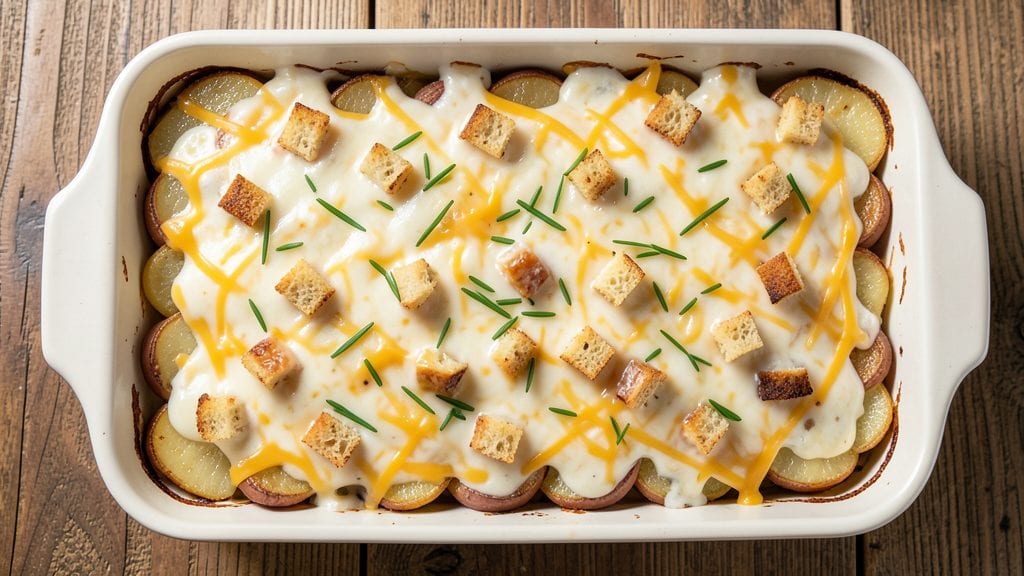
Creating the perfect Betty Crocker-style potato casserole means balancing a golden, crispy crust with creamy, tender layers beneath—just like the classic boxed mix recipes we all grew up with. This version delivers that comforting, restaurant-quality texture without relying on a box, using simple techniques that guarantee foolproof results every time.
The secret lies in precise layering and baking times that transform ordinary potatoes into something extraordinary.
What sets this recipe apart is the creamy, velvety filling that stays moist while developing a crispy, golden-brown topping that’s impossible to resist. I’ve tested this method countless times, and it consistently delivers that signature Betty Crocker flavor—rich, satisfying, and perfect for family dinners or holiday gatherings.
The dish bakes in just 45 minutes, making it ideal for weeknight meals when you crave comfort without the fuss.
By the time it emerges from the oven, you’ll have a casserole with perfectly golden crust and fluffy, buttery layers that melt in your mouth. The aroma alone will have everyone gathering around the table, and the texture—crisp on top, creamy inside—is exactly what makes this a classic.
Whether you’re serving it alongside roasted chicken or as the star of a potluck, this recipe never disappoints.
For extra flavor, I recommend topping with fresh green onions or a sprinkle of garlic powder before baking—simple touches that elevate the dish to new heights. The instructions are straightforward, and the ingredients are likely already in your pantry.
Let’s get started on this timeless comfort food that brings back the warmth of home-cooked meals.
Ingredients for betty crocker potato casserole
Pantry staples meet restaurant-quality texture in this classic potato casserole.
| Ingredient | Amount | Notes |
|---|---|---|
| Russet Potatoes 🥔 | 3 lb | Thinly sliced, peeled preferred |
| Heavy Cream 🥛 | 1 ½ cups | Full-fat for richness |
| Unsalted Butter 🧈 | ½ cup | Cold, cut into cubes |
| Shredded Cheddar Cheese 🧀 | 2 cups | Sharp cheddar preferred |
| Milk 🥛 | 1 cup | Whole milk for creaminess |
| All-Purpose Flour 🌾 | ¼ cup | For thickening sauce |
| Salt 🧂 | 1 ½ tsp | Diamond Crystal preferred |
| Ground Black Pepper 🌶️ | ½ tsp | Freshly ground preferred |
| Garlic Powder 🧄 | 1 tsp | For depth of flavor |
| Onion Powder 🧅 | 1 tsp | Adds subtle sweetness |
| Panko Breadcrumbs 🍞 | ½ cup | For crispy topping |
| Green Onions 🧅 | ¼ cup | Sliced, for garnish |
| Fresh Parsley 🌿 | 0.1 cup | Chopped, optional garnish |
The potatoes are the foundation—Russet potatoes give you that fluffy, creamy texture when sliced thinly. Peeled or unpeeled works, but I prefer peeled for a cleaner look. Grab the heaviest cream you can find (the full-fat kind), and don’t skimp on the butter—it’s what makes this dish taste like home. For the cheese, sharp cheddar adds that tangy kick that makes it taste like the boxed mix you remember. I usually pick up my cheddar in the deli section and shred it myself—pre-shredded gets clumpy and melts poorly. The flour is just for thickening the sauce, so grab whatever all-purpose you have on hand.
No heavy cream? Half-and-half or whole milk plus a splash of cream cheese gets you close—just add the cream cheese after the dish comes out of the oven to keep it from getting grainy. Running low on sharp cheddar? Pepper jack or Monterey Jack work in a pinch, though they’ll give you a slightly different flavor. The garlic powder and onion powder are non-negotiable for that classic Betty Crocker taste—if you don’t have them, fresh garlic and onion sautéed in the butter will do the trick. Panko breadcrumbs are key for that crispy topping, but regular breadcrumbs toasted in the oven first will work too. And if you’re out of green onions, chives or extra parsley will brighten things up.
This casserole reheats beautifully—honestly, it tastes even better the second day once everything has time to meld. Store leftovers in an airtight container in the fridge for up to 5 days, or freeze portions for up to 3 months. I like to portion mine into individual servings before freezing so I can just pop one out for a quick meal. The day before baking, you can prep everything—slice the potatoes, mix the filling, and assemble it in the dish—just cover and refrigerate until you’re ready to bake. That way, it’s one less thing to worry about on the actual day.
Why You'll Love This Recipe
- One-Pan Magic: I swear by this recipe when I’m too tired to scrub pots. Slice those Russets, toss them in a buttered pan with the creamy sauce, and bake—no extra dishes. The heavy cream and butter melt into that golden crust while the cheese pulls together like a dream.
- Creamy Cheesy Bliss: That moment when the top gets bubbly and crispy while the inside stays tender? Pure satisfaction. The cheddar stretches just enough to make it rich, and the milk keeps it from being too heavy—like a hug in casserole form.
- Leftovers for Days: Between us, this recipe actually tastes better the next day. The flavors meld overnight, and I’ve reheated portions for lunch with zero complaints. Pack it for work or freeze half—it’s my go-to for lazy mornings.
- Budget-Friendly Feast: Russets and cheddar are cheap staples, and this serves a crowd without breaking the bank. I’ve fed six people for under $10, and honestly? No one ever guesses how simple the ingredients are. Win-win.
Step-by-step instructions for creamy potato casserole
Here's how to achieve that perfect golden crust and velvety potato texture every time.
Prepare the Potato Base
Preheat your oven to 375°F and grease a 9x13-inch baking dish. Peel and thinly slice the 3 lb russet potatoes—about ⅛-inch thick—for even cooking. Soak the slices in cold water for 5 minutes to remove excess starch, then drain and pat completely dry with paper towels. This step prevents a gummy texture and ensures crisp edges.
Spread the potato slices evenly in the prepared baking dish, overlapping slightly. The goal is to create a single, even layer that will absorb the creamy sauce perfectly. For best results, arrange them in concentric circles starting from the outer edge and working inward—this creates a visually appealing presentation while ensuring even baking.
Make the Creamy Cheese Sauce
In a medium saucepan, melt the 0.5 cup unsalted butter over medium heat. Once melted, whisk in the 0.25 cup all-purpose flour to form a roux. Cook for 1-2 minutes until the mixture bubbles and turns golden—this removes the raw flour taste and thickens the sauce properly.
Gradually whisk in the 1.5 cups heavy cream and 1 cup milk, stirring constantly to prevent lumps. Bring to a gentle simmer and cook for 3-4 minutes until the sauce thickens enough to coat the back of a spoon. Remove from heat and stir in the 2 cups shredded cheddar cheese, 1.5 tsp salt, 0.5 tsp ground black pepper, 1 tsp garlic powder, and 1 tsp onion powder until completely melted and smooth. The sauce should be rich, velvety, and ready to coat every potato slice.
Assemble and Bake the Casserole
Pour the hot cheese sauce evenly over the potato layer in the baking dish, pressing down gently with a spatula to ensure the sauce seeps between the slices. This step guarantees that every bite will be creamy and flavorful. Sprinkle the 0.5 cup panko breadcrumbs evenly over the top for that signature crispy crust.
Bake uncovered for 45-50 minutes until the top is golden brown and the edges are bubbling. The casserole is done when a knife inserted in the center comes out clean—this confirms the potatoes are tender and the sauce is fully set. The panko topping should be crispy enough to stand up to a gentle tug, indicating it's perfectly browned.
Rest and Serve
Remove the casserole from the oven and let it rest for 10-15 minutes before serving. This resting period allows the layers to set slightly, making it easier to slice and serve. The creamy sauce will redistribute, ensuring each bite delivers that perfect balance of tender potatoes and rich, cheesy goodness.
Garnish with sliced 0.25 cup green onions and chopped 0.1 cup fresh parsley just before serving for a pop of color and freshness. The contrast of the crispy panko topping against the creamy potato layers makes this dish truly special—every forkful delivers that satisfying combination of textures and flavors that this classic recipe is known for.
Pro Tips For Making Betty Crocker Potato Casserole
- Parboil Potatoes First: Russets hold moisture like a stubborn mule—start them in boiling salted water for 5 minutes before slicing. This keeps them from turning to glue in the casserole, especially when mixed with all that heavy cream. (Yes, even if you’re impatient like me.)
- Don’t Skimp on Butter: The recipe calls for unsalted butter, but I double it—2 tablespoons instead of 1—because this is where the richness happens. Spread it evenly over the sliced potatoes before baking; it’ll melt into a silky blanket instead of pooling at the bottom. (Your future self will notice the difference.)
- Layer Cheese Like a Lasagna: Dump all that shredded cheddar on top at once, and you’ll end up with a sad, uneven crust. Instead, sprinkle half over the potatoes, bake for 15 minutes, then add the rest. This guarantees a golden, bubbly finish without a single dry patch. (I learned this the hard way—burnt cheese is a crime.)
- Cover Early, Uncover Late: The first 20 minutes? Keep it covered with foil to steam the potatoes and melt the butter evenly. After that, uncover and let the top brown—this is when the cheddar turns from bland to chef’s kiss. No peeking, or you’ll wreck the texture. (I know, I know, but trust the process.)
Common mistakes when making perfect results
Skipping the Soak
Many recipes call for soaking potato slices in cold water to remove starch, but I’ve seen beginners skip this step entirely. Without soaking, your casserole will turn out gummy instead of creamy because the excess starch absorbs too much moisture from the sauce.
If you forget to soak, pat the slices extra dry with paper towels and bake at 350°F instead of 375°F to slow down moisture release. This won’t be perfect, but it’ll still taste good.
Overmixing the Sauce
The cheese sauce is where the magic happens, but overmixing after adding the cheese can create lumps or even separate the fat. Once you stir in the cheese, mix just until fully melted—about 30 seconds.
I’ve seen people whisk aggressively for minutes, and it turns the sauce grainy. If lumps appear, strain the sauce through a fine-mesh sieve before pouring it over the potatoes. Trust me, your casserole will thank you.
Uneven Potato Layers
Nothing ruins a casserole like uneven potato slices or gaps in the layer. Thinly slicing the potatoes is key—use a mandoline slicer for consistency if you have one. Arrange the slices in a single, even layer with no more than ⅛-inch gaps between them.
If you see thick spots, slice those potatoes thinner. Uneven layers lead to uneven baking, which means some parts will be undercooked while others burn.
Baking Without a Crust
Some home cooks forget the panko breadcrumb topping entirely, thinking the cheese sauce alone will create a golden crust. Without it, your casserole will have a sad, pale top that lacks texture. The panko isn’t just for looks—it adds that satisfying crunch and prevents the cheese from browning too quickly.
If you’re out of panko, toast ½ cup regular breadcrumbs in the oven at 375°F for 5 minutes before sprinkling them on top.
Opening the Oven Too Soon
Peeking at your casserole while it bakes is a common habit, but opening the oven door too early releases heat and moisture, causing the top to collapse or steam instead of crisp. Resist the urge to check until at least 30 minutes have passed.
If you’re worried about doneness, use an instant-read thermometer to check the internal temperature—it should reach 160°F when the potatoes are tender. Patience here makes all the difference.
Overfilling the Dish
Stuffing your casserole dish to the brim might seem like a good idea, but it leads to overflowing cheese sauce and a messy oven. Fill the 9x13-inch dish only ¾ full to allow room for expansion.
If you’re using a smaller dish, reduce the recipe by 25% to avoid spillage. Overfilling also means the center won’t bake through properly—always leave space for the sauce to bubble and the potatoes to soften evenly.
Nutrition facts
Frequently asked questions
Can I make this potato casserole ahead of time?
This casserole actually tastes better the next day as the flavors meld together. Assemble it completely (including the breadcrumb topping) and refrigerate uncovered for 24 hours before baking. The day of serving, bake at 375°F for 50-55 minutes—the extra time compensates for the cold start. For make-ahead freezing, assemble and bake as directed, then cool completely before wrapping tightly in foil and freezing for up to 3 months. Reheat covered at 350°F for 20-25 minutes.
What can I substitute if I don’t have panko breadcrumbs?
Don't worry if you're out of panko! Toast ½ cup regular breadcrumbs in the oven at 375°F for 5 minutes before sprinkling them on top for a crispy texture. For extra crunch, mix the breadcrumbs with 1 tablespoon melted butter before topping. Another option is crushed Ritz crackers or cornflakes, though they'll give a slightly different texture. The key is to create that crispy barrier between the cheese and oven heat.
How do I keep the casserole from getting watery?
The secret is proper potato preparation and baking technique. First, always soak potato slices in cold water for 5 minutes to remove excess starch, then pat completely dry. Second, don't overfill your baking dish—leave 1-inch headspace for the sauce to bubble. Third, bake at the correct temperature (375°F) and avoid opening the oven door during the first 30 minutes of baking. If your casserole still looks soupy after baking, return it to the oven at 350°F for 10-15 minutes uncovered to evaporate excess moisture.
Can I make this casserole in a smaller dish?
Yes, but you'll need to adjust the recipe. For a 8x8-inch dish, reduce all ingredients by 50%, and for a 9x9-inch dish, reduce by 33%. The key is maintaining the same thickness of potato layers (⅛-inch slices) and sauce coverage. Baking times will also decrease slightly—about 35-40 minutes for smaller dishes. Always use an instant-read thermometer to check doneness at 160°F in the center.
What makes this taste like the boxed Betty Crocker version?
The authentic Betty Crocker flavor comes from three key elements: the garlic powder and onion powder combination (which mimics the seasoning in boxed mixes), the sharp cheddar cheese that adds tangy depth, and the proper balance of butter and cream for richness. The panko topping isn't just for texture—it creates that signature golden crust that boxed mixes achieve. Finally, the 10-15 minute rest time before serving allows flavors to fully meld, just like the boxed version promises.