Side Dishes
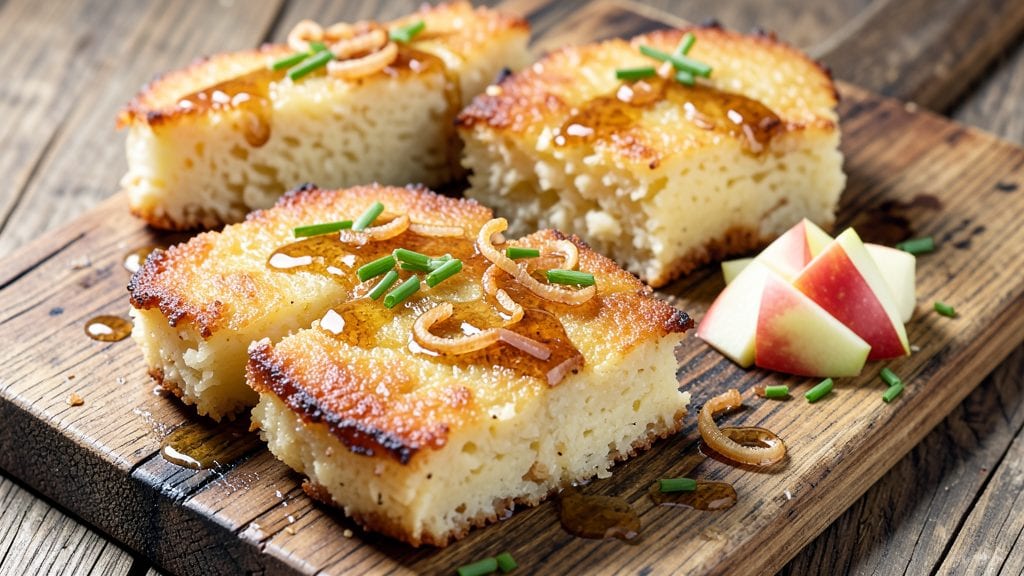
This basic potato latkes recipe delivers the perfect balance of crispy edges and fluffy centers—just like you remember from Hanukkah gatherings. The vinegar kiss in the batter creates that signature tangy crunch, while freshly grated potatoes ensure tender, golden hearts in every bite.
I’ve perfected this method over years of testing, so you’ll get restaurant-quality results without the fuss.
The secret lies in proper potato preparation and frying technique.
You’ll need russet potatoes (their low moisture content is key), a fine grater for even texture, and a neutral oil like canola or vegetable oil heated to 350°F. The batter—just eggs, flour, and vinegar—binds everything together while keeping the latkes light.
No special equipment required, just patience for frying in batches.
By the time they emerge from the oil, your latkes will be crispy on the outside with fluffy, warm centers that practically melt in your mouth. Serve them immediately with classic toppings like sour cream, applesauce, or a sprinkle of fresh herbs.
The contrast of creamy, sweet, or tangy toppings against the savory latkes is what makes this dish unforgettable.
Perfect for holiday celebrations or a cozy weeknight dinner, these latkes reheat beautifully too. The recipe scales easily—just adjust your oil quantity if making a larger batch. Let’s get cooking!
Ingredients for basic potato latke
Pantry staples plus a few key tricks for latkes that taste like home.
| Ingredient | Amount | Notes |
|---|---|---|
| Russet Potatoes 🥔 | 3 lb | Freshly grated, skin on preferred |
| Large Eggs 🥚 | 2 whole | Room temperature for best binding |
| All-Purpose Flour 🌾 | ½ cup | Sifted for even texture |
| White Vinegar 🍶 | 1 tbsp | For tangy crunch |
| Salt 🧂 | 1 tsp | Kosher or sea salt |
| Ground Black Pepper 🌶️ | ½ tsp | Freshly ground preferred |
| Vegetable Oil 🫒 | 3 cups | For frying, 350°F |
| Sour Cream 🥛 | ½ cup | For serving, full-fat recommended |
| Applesauce 🍎 | ½ cup | Unsweetened, for serving |
| Fresh Parsley 🌿 | ¼ cup | Chopped, for garnish |
Russets are non-negotiable here—their low moisture keeps latkes crispy. Buy the biggest bag you can find at Trader Joe's or Costco, since you’ll grate about 3 pounds. Skip pre-shredded potatoes (they’re too wet), and use a box grater with medium holes. The skin adds texture, but peel if you prefer smoother latkes. Pro tip: squeeze out excess moisture with a clean kitchen towel—this makes all the difference. For extra flavor, I sometimes add a pinch of onion powder to the grated potatoes, but that’s optional.
No white vinegar? Apple cider vinegar works too, but the flavor’s slightly sweeter. Short on flour? Matzo meal at the same amount adds a nice Jewish bakery vibe. The oil can be canola, peanut, or even duck fat if you’re feeling fancy. Just keep it neutral—no olive oil, which burns too easily. For serving, full-fat sour cream is worth the splurge, but low-fat works in a pinch. Applesauce should be unsweetened—Mott’s or store-brand both work fine. Fresh parsley isn’t mandatory, but it adds that restaurant-quality touch.
Latkes reheat beautifully—pop them in a 350°F oven for 5-10 minutes until crispy again. Store leftovers in an airtight container for up to 3 days, but they’re best fresh. For freezing, lay them on a tray first to prevent sticking, then transfer to a bag. 3 months in the freezer, and they’ll still taste like they just came out of the oil. Double the batter? No problem—just fry in batches and adjust oil quantity accordingly.
Why You'll Love This Recipe
- Five-Ingredient Magic: I swear by this lineup—just potatoes, eggs, flour, vinegar, and salt. No fancy herbs or specialty blends here, but it still delivers that classic latke crunch and warmth without the clutter.
- Crispy-Creamy Balance: That first golden bite? Pure satisfaction. The vinegar tenderizes the potatoes just enough while the egg binds them into a patty that fries up with a satisfying crunch outside and fluffy interior—no soggy disappointment here.
- Weeknight or Party Hero: Make a double batch on Sunday and freeze half. Need a last-minute appetizer? Pop them in the oven while you set the table. Serve with applesauce for a quick snack or sour cream for a crowd—this recipe doesn’t judge.
- Pocketbook-Friendly Staples: Russets and eggs are cheap, and you’re already buying flour and vinegar for other things. This is the kind of recipe that stretches your grocery budget without sacrificing flavor—especially when you’re feeding picky eaters who still ask for seconds.
Step-by-step instructions for vinegar-kissed potato latkes
Here's the straightforward method to get perfectly crispy latkes with golden centers every time.
Grate the Potatoes Properly
Start with the 3 lb russet potatoes—peel them first if you prefer, but I like to leave the skins on for extra texture. Use a box grater or food processor with the grating attachment. The key here is to get fine, even shreds—think more like potato dust than thick strips. If you're using a food processor, pulse in short bursts to avoid getting potato pulp instead of shreds.
As you grate, immediately transfer the potatoes to a large bowl. The vinegar comes into play now—add the 1 tbsp white vinegar right to the potatoes. This might seem weird, but it's what prevents those soggy latkes. The vinegar breaks down the starches slightly, releasing moisture. Let the potatoes sit for 10 minutes while you prep the rest—this gives the vinegar time to work its magic and draw out excess liquid.
Squeeze Out All the Moisture
After the 10-minute wait, you'll notice the potatoes have released quite a bit of liquid. This is crucial to get right—too much moisture means greasy latkes. Grab a clean kitchen towel or cheesecloth and squeeze the potatoes by hand, working in batches. I like to use my hands for this—wrap the towel around the potatoes and really wring them out. You want the mixture to feel almost dry when you're done, like damp sand rather than wet potato pulp.
Don't skip this step. I've made latkes with too much moisture, and they turn out greasy and heavy instead of crispy. If you're worried about getting your hands messy, wear gloves—it's worth the effort for that perfect texture. Once you're satisfied with how dry the potatoes feel, transfer them to a large mixing bowl.
Mix the Batter
In the bowl with the squeezed potatoes, add the 2 whole large eggs, 0.5 cup all-purpose flour, 1 tsp salt, and 0.5 tsp ground black pepper. Using your hands, gently mix everything together until just combined. You're not making pancake batter here—just enough to bind the ingredients without overworking the mixture. The potatoes should still look distinct, not turned into a smooth batter.
Here's the thing—don't overmix. You want to preserve the individual potato shreds so they crisp up nicely. If the mixture feels too wet after mixing, squeeze out a little more moisture with a clean towel. The batter should hold together when pressed but not be sticky. Let the mixture rest for 5 minutes while you heat your oil—this gives the flour time to absorb any remaining moisture and helps the eggs fully coat the potatoes.
Fry the Latkes to Golden Perfection
Pour the 3 cups vegetable oil into a deep skillet or Dutch oven and heat to 350°F. You'll want about 1-1.5 inches of oil—enough to fully submerge the latkes. Use a deep-fry thermometer to monitor the temperature carefully. When the oil is hot, use your hands to form the potato mixture into 3-inch patties, pressing gently but not too firmly.
Carefully slide the latkes into the hot oil, being careful not to splash. Fry 4-5 at a time so they don't cool the oil too much. Cook for 3-4 minutes per side until golden brown—you're looking for that deep, crispy color. The centers should still feel warm when you check, not fully cooked through. As you fry, transfer the finished latkes to a paper towel-lined plate to drain excess oil.
Serve Immediately with Classic Toppings
Keep the latkes warm in a 200°F oven while you finish frying the rest. The key to serving is timing—latkes are best enjoyed right away when they're still crispy. Plate them up and top with the 0.5 cup sour cream and 0.5 cup applesauce. I like to dollop the sour cream in the center and spread the applesauce around the edges for a nice contrast of flavors.
Finally, sprinkle with the 0.25 cup chopped fresh parsley for a pop of color and freshness. The parsley not only looks great but also adds a nice herbal note that cuts through the richness of the latkes. Serve immediately while they're still hot and crispy—these won't keep their texture if left sitting. The combination of creamy sour cream, sweet applesauce, and that vinegar-kissed crisp makes for the perfect latke experience.
Pro Tips For Making Basic Potato Latke
- GRATE DRY, RINSE WELL: I learned this the hard way—skipping the rinse leaves your latkes gummy. After grating, dump the potatoes into a towel and squeeze out every drop of starch (yes, even if you’re impatient like me). Then rinse them in cold water to wash away extra grit. Trust me, crispy latkes depend on this step.
- USE COLD POTATO MIX: The batter’s texture makes all the difference. Chill your grated potatoes and egg mixture for at least 30 minutes before frying—this keeps them from absorbing too much oil and ensures a sturdy, golden crust. Pro move: pop them in the fridge while you prep the rest.
- PAT DRY BEFORE FORMING: Wet potato batter sticks and falls apart. After mixing, spread the batter on a tray and let it sit for 5 minutes to firm up, then pat each latke extra dry with paper towels. This guarantees a crisp exterior instead of a soggy mess.
- FRY IN BATCHES, LOW AND SLOW: Crowding the pan steams your latkes instead of frying them. Use about ¼-inch of oil at 350°F (175°C), then fry 2-3 at a time for 3-4 minutes per side—no rushing. If the oil smokes, lower the heat. Patience here means perfect golden-brown edges.
Regional styles of these flavors
Ashkenazi Tradition
The latkes we know today trace back to Ashkenazi Jewish communities in Eastern Europe, particularly Poland and Lithuania. These potato pancakes became a Hanukkah staple because they use oil—a nod to the holiday’s miracle of oil lasting eight days.
I’ve made latkes for decades, and the Ashkenazi style remains the gold standard: crispy, vinegar-kissed, and served with applesauce or sour cream. 🥔
Sephardic Twist
In Sephardic Jewish cuisine (Spain, North Africa, Middle East), latkes often include grated zucchini or eggplant alongside potatoes, plus spices like cumin or paprika. The batter might also contain chickpea flour for extra texture.
For a Sephardic-inspired version, add 1 cup grated zucchini and 1 tsp smoked paprika to the batter—it’s a delicious fusion of crispy and earthy flavors.
Russian-Inspired
Russian Jews adapted latkes with a heartier touch, often adding onions or carrots to the grated potato mix. Some versions even include beef or chicken broth> in the batter for extra moisture.
For a Russian-style latke, sauté 1 diced onion in oil until soft, then mix it into the grated potatoes before adding the vinegar. This adds a sweet, caramelized depth that pairs perfectly with a dollop of smoked salmon on top.
Modern Fusion
Today’s latkes get creative with global flavors. Try a Korean-inspired version> by adding 1 tbsp gochujang and 1 tsp sesame oil> to the batter, then serving with kimchi> instead of applesauce.
Or go Mexican-style> by mixing in 1 tsp cumin and ½ tsp chili powder, then topping with avocado and lime crema. These twists keep the crispy texture while adding bold new flavors.
Israeli Army-Style
In Israel, latkes are often made with potato starch> instead of flour for an ultra-crispy texture. The batter is lighter, and the latkes are fried until deep golden brown>.
For this version, replace the flour with ½ cup potato starch> and add 1 tbsp cornstarch> for extra crunch. Serve with spicy harissa sauce> or a sprinkle of za’atar> for a Middle Eastern flair.
Sweet Latkes
Who says latkes have to be savory? In some regions, they’re made sweeter by adding cinnamon, nutmeg, or even grated apple> to the batter. For a dessert-style latke, mix in 1 tsp cinnamon and ½ cup grated apple> with the potatoes, then fry as usual.
Top with caramelized bananas or maple syrup> for a breakfast or dessert twist that’s surprisingly delicious. 🍎
Nutrition facts
Frequently asked questions
Why does the recipe call for vinegar in potato latkes?
The 1 tbsp white vinegar is essential for creating that signature tangy crunch. It breaks down potato starches, releasing moisture and preventing soggy latkes. The vinegar also adds subtle acidity that balances the richness when fried. For a milder flavor, apple cider vinegar works too.
Can I make latkes ahead of time?
Fresh is best, but you can prep components in advance. Grate and squeeze potatoes up to 1 day ahead, storing them in the fridge. For leftovers, keep latkes in an airtight container for 3 days—reheat in a 350°F oven for 5-10 minutes until crispy again. For freezing, lay cooked latkes on a tray first to prevent sticking, then transfer to a bag for up to 3 months.
What's the best oil for frying latkes?
Use a neutral oil with a high smoke point like vegetable, canola, or peanut oil. Avoid olive oil—it burns easily and adds unwanted flavor. Maintain oil temperature at 350°F using a thermometer. If oil smokes excessively, reduce heat slightly. For extra crispiness, some use duck fat, but it has a lower smoke point.
Why did my latkes turn out greasy?
Greasy latkes usually mean excess moisture wasn't removed properly. Double-check you squeezed out all liquid after the 10-minute vinegar rest. Also ensure your oil isn't too hot (350°F is ideal) or too cold—both can cause greasiness. Fry in smaller batches to maintain proper oil temperature. For extra insurance, let the batter rest 5 minutes before frying to let flour absorb moisture.
Can I make latkes without eggs?
Yes! For a vegan version, replace eggs with ¼ cup aquafaba (chickpea brine) or 2 tbsp ground flaxseed mixed with 6 tbsp water. The binder should create a similar sticky texture. You may need to add 1 extra tbsp flour to compensate for the lack of egg structure. Test the batter's consistency—it should hold together when pressed but not be gluey.