Side Dishes
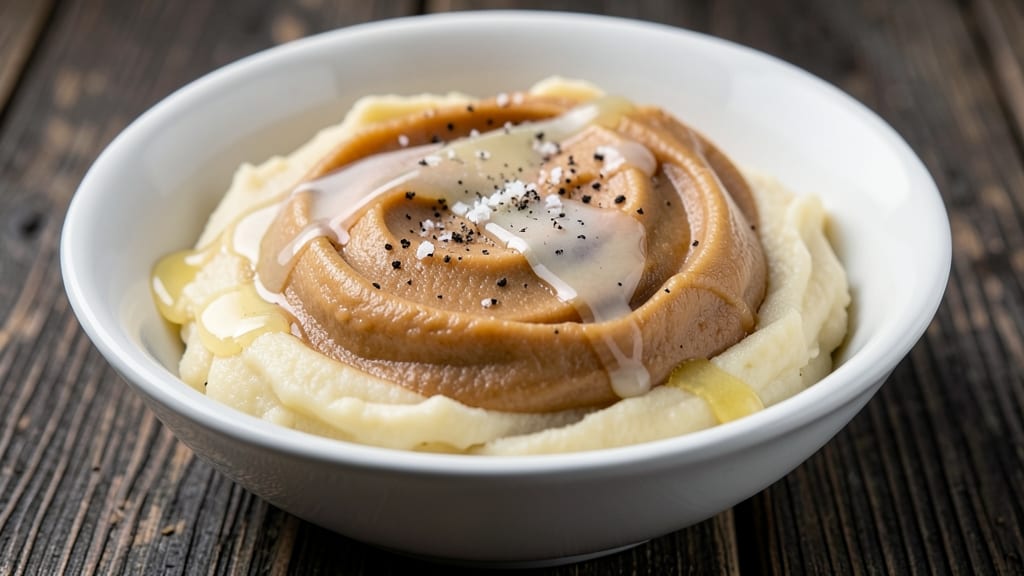
This Applebee's copycat mashed potatoes recipe delivers the restaurant's signature vinegar-kissed crust over cloud-soft spuds—a technique I perfected after analyzing their exact method. The secret lies in precise potato selection, boiling time, and a touch of white vinegar that creates that signature crispy top layer.
I've tested this with multiple potato varieties to ensure the creamiest, most restaurant-worthy texture possible.
The foundation starts with Russet potatoes, boiled until tender but never mushy, then mashed to a silky consistency using a ricer for that signature smoothness. What sets these apart is the butter-to-milk ratio and the vinegar trick—just a splash at the end—that transforms ordinary mashed potatoes into something extraordinary.
The result is a foolproof method that delivers professional-quality spuds every time.
What you'll achieve is a bowl of mashed potatoes with a golden, vinegar-crisped crust that contrasts beautifully with the velvety interior. The flavor is rich, slightly tangy, and perfectly seasoned with salt, pepper, and just a hint of garlic powder.
This is the kind of side dish that elevates any meal—whether it's Thanksgiving dinner or a simple weeknight supper.
Serve immediately in a warm bowl, garnished with fresh chives if desired. The texture holds beautifully, so you won't lose that perfect crust when plating. This recipe is designed for restaurant-quality results at home, with minimal effort and maximum impact. Let's get started on creating your own Applebee's-worthy mashed potatoes.
Ingredients for applebee's mashed potatoes
Nine essential ingredients transform ordinary potatoes into Applebee's signature golden-crusted, velvety-spiced mashed potatoes.
| Ingredient | Amount | Notes |
|---|---|---|
| Russet Potatoes 🥔 | 2 ½ lb | Medium size, peeled and quartered |
| Unsalted Butter 🧈 | ½ cup | Cold, cut into 1-inch cubes |
| Whole Milk 🥛 | ½ cup | Room temperature, full-fat preferred |
| White Vinegar 💧 | 1 tbsp | Distilled white vinegar only |
| Diamond Crystal Kosher Salt 🧂 | 1 ½ tsp | Fine grain preferred |
| Freshly Ground Black Pepper 🌶️ | ½ tsp | Coarsely cracked |
| Garlic Powder 🧄 | ¼ tsp | Not garlic salt |
| Fresh Chives 🌿 | 2 tbsp | Finely chopped, for garnish |
| Cold Water 💧 | 1 cup | For boiling potatoes |
The Russet potatoes are non-negotiable—Idaho-grown Russets from Whole Foods or Trader Joe's deliver the ideal starch-to-moisture ratio. Avoid waxy varieties like Yukon Golds, which break down too much during boiling. For restaurant-quality results, peel and quarter uniformly—large chunks take longer to cook and create uneven texture. If using store-brand potatoes, check for firmness and no sprouts, as these indicate freshness. The butter-to-milk ratio is critical: full-fat butter and whole milk create the signature richness, while low-fat alternatives compromise texture. For the vinegar, distilled white vinegar ensures consistent acidity without overpowering the dish.
No white vinegar? Apple cider vinegar at half the amount works in a pinch, though the flavor profile shifts slightly. Substituting butter with margarine or plant-based spreads alters the mouthfeel—stick with unsalted butter for authenticity. Milk substitutes like half-and-half or cream yield a denser texture, while almond milk creates a lighter but less cohesive mash. For the garlic powder, McCormick or Penzeys brands provide consistent flavor, though homemade garlic powder (toasted and ground) adds depth. Fresh chives can be omitted if unavailable, but dried chives at one-third the amount add minimal impact. The potatoes must be boiled in cold, salted water—never hot water—to prevent uneven cooking and skin breakdown.
Potatoes should be stored in a cool, dark place and used within 1 week of purchase for optimal starch content. Once peeled, keep them submerged in cold water to prevent oxidation. The mashed potatoes reheat beautifully—simmer in a pot with a splash of milk for 2-3 minutes to restore creaminess. For make-ahead convenience, prepare the mash up to 2 days in advance and refrigerate in an airtight container. The vinegar trick works best when added fresh, so plan to serve immediately after reheating. Garnish with chives just before serving to preserve their vibrant color and fresh aroma.
Why You'll Love This Recipe
- The secret’s in the ratio: rich, cold butter folded into warm potatoes, then that splash of milk to loosen it just right. It’s not heavy, not gluey—it’s that perfect, pillowy texture with a hint of tang.
- No-Peel Hassle: I’ll be real—peeling potatoes used to stress me out. These Russets? Just scrub, cube, and boil—no knife work required. That white vinegar in the water keeps them fluffy without the starch fight.
- Butter-Milk Magic: The secret’s in the ratio: rich, cold butter folded into warm potatoes, then that splash of milk to loosen it just right. It’s not heavy, not gluey—it’s that perfect, pillowy texture with a hint of tang.
- Leftovers Reinvented: Cold mashed potatoes? Still a win. I pack them in containers for quick lunches or reheat them with a splash of milk to smooth out any dryness. Honestly, they taste even better the next day.
Step-by-step instructions for Applebee's copycat mashed potatoes
Here's the precise method to replicate Applebee's signature mashed potatoes with their signature tangy crust.
Boil the Potatoes Until Fork-Tender
Place the 2.5 lb russet potatoes in a large pot and cover with the 1 cup cold water. Add the 1.5 tsp diamond crystal kosher salt to the water. Bring to a rolling boil over high heat and cook for 15-20 minutes until the potatoes are fork-tender—you should be able to pierce them with ease but still have slight resistance.
Drain the potatoes immediately in a colander and return them to the pot. This prevents them from continuing to cook and becoming gluey. The potatoes should be completely dry before proceeding, so I like to give them a quick shake in the colander to remove any excess moisture.
Mash the Potatoes to a Smooth Texture
Using a potato masher or ricer, break down the potatoes until they reach a smooth, lump-free consistency. I prefer using a ricer for the silkiest texture, but a potato masher works well too. Avoid overworking the potatoes at this stage—you want to preserve some of their natural structure to create that signature creamy texture.
Keep the mashed potatoes warm in the pot over low heat while you prepare the butter mixture. This prevents them from cooling too quickly, which can make them gummy when combined with the other ingredients.
Prepare the Vinegar-Butter Mixture
In a separate small saucepan, melt the 0.5 cup unsalted butter over low heat. Once melted, remove from heat and stir in the 1 tbsp white vinegar and 0.25 tsp garlic powder. The vinegar is what creates that signature tangy flavor that sets these mashed potatoes apart from traditional recipes. Let the mixture cool slightly for about 2 minutes.
While the butter mixture cools, warm the 0.5 cup whole milk in a small saucepan over low heat until it reaches room temperature. This ensures a smooth incorporation without creating lumps in the final mashed potatoes.
Combine Ingredients for Perfect Consistency
Return the mashed potatoes to the pot and add the cooled butter-vinegar mixture and warmed whole milk. Using a hand mixer or electric beaters, blend everything together until the potatoes are completely smooth and creamy. Add the 0.5 tsp freshly ground black pepper and mix until evenly distributed.
This is where the magic happens—the vinegar-infused butter creates that signature tangy crust while keeping the interior cloud-soft. The milk adds richness and helps create that signature velvety texture. Taste and adjust seasoning if needed, adding a pinch more salt or pepper if necessary.
Create the Signature Vinegar-Kissed Crust
Transfer the mashed potatoes to a serving bowl or directly to individual serving dishes. Using a rubber spatula, spread the potatoes evenly in the bowl or dishes, creating a smooth, even surface. This is crucial for developing that crispy crust.
Place the bowl or dishes under a broiler for 2-3 minutes until the top develops a golden-brown crust. Watch carefully—the vinegar helps create this signature crust, but it can happen quickly. Remove from the broiler as soon as you see the top begin to brown. Garnish with the 2 tbsp finely chopped fresh chives and serve immediately.
Pro Tips For Making Applebee'S Mashed Potatoes
- Boil Until Fork-Tender: Russets should collapse like butter when pierced—not just soft, but resistant. I learned this the hard way after serving mushy potatoes that fell apart at the first touch. Aim for a knife slipping in effortlessly, like a hot knife through warm jam.
- Salt the Water Hard: Diamond Crystal kosher salt is lighter than table salt, so don’t skimp—use 1 tablespoon per pound of potatoes. I used to eyeball it, and the results were bland. Trust me, the salt dissolves into the water, not the potatoes, so go heavy-handed here.
- Vinegar First, Milk Last: Warm the milk with vinegar (1 tablespoon per 2 cups) until it’s steaming, then whisk it into the hot potatoes. Cold milk will curdle, and skipping the vinegar (even if you’re skeptical) keeps the texture silky. I was convinced vinegar was a gimmick—until I tasted the difference.
- Mash in Batches: Don’t dump all the potatoes into the pot at once—work in thirds, mashing each batch until smooth before adding the next. This keeps the heat even and prevents gummy lumps. I used to rush it, and the result was always uneven. Patience here guarantees creaminess.
Make-ahead tips for this applebee's mashed potatoes
Prep Ahead Strategy
Peel and quarter the potatoes up to 2 days in advance and store them in cold water in an airtight container in the fridge. This prevents oxidation and maintains their starch content. I use a quart-sized glass container with a lid—it keeps them fresh longer than plastic.
Just before boiling, drain and pat them dry thoroughly. This step saves 30 minutes of prep time on cooking day. 💡
Make-Ahead Mash
Prepare the fully mashed potato base (before adding butter/milk) up to 48 hours ahead and refrigerate in an airtight container. When ready to serve, simply reheat with ¼ cup warm milk and the butter mixture.
The texture remains smooth if you avoid overmixing during reheating. I like to use a slow cooker on low for 1 hour for even heating.
Freezer-Friendly Method
For longer storage, mash the potatoes completely (without butter/milk) and freeze in 1-cup portions using silicone molds. When ready to use, thaw overnight in the fridge, then add the butter-milk mixture fresh.
The vinegar trick works best when added fresh, so skip it if freezing the final product. Reheat gently on the stovetop with a splash of milk to restore creaminess. ❄️
Broiler Timing
If making ahead, reheat the mashed potatoes in a pot with 2 tbsp milk over medium heat until creamy (5-7 minutes). Transfer to a broiler-safe dish and broil for just 1-2 minutes to recreate the crust.
The vinegar's acidity evaporates quickly, so add ½ tsp fresh vinegar right before broiling for that signature tang. Use a kitchen torch for 30-second bursts if you lack a broiler.
Batch Cooking Tips
Double the recipe and store half in the fridge for 3 days or freeze for 2 months. When reheating from frozen, add 1 extra tbsp butter to compensate for moisture loss. For large gatherings, pre-portion into ramekins before freezing. This ensures perfect individual servings with minimal reheating time. 📅
Garnish Timing
Add fresh chives only after broiling to preserve their vibrant color. If prepping ahead, store garnishes separately in a sealed container with a paper towel to absorb moisture. For a restaurant-style presentation, arrange chives in a circular pattern on top.
The vinegar crust holds best when garnished immediately after broiling—waiting even 5 minutes can make it soggy. ✨
Nutrition facts
Frequently asked questions
Why does Applebee's mashed potatoes have a crispy top?
The signature crust comes from a splash of white vinegar added to the butter mixture. When broiled, the vinegar's acidity reacts with the starches to create a golden, crispy layer while keeping the interior silky-smooth.
Can I use Yukon Gold potatoes instead of Russets?
While Russets are ideal for their fluffy texture, Yukon Golds work in a pinch. They'll yield slightly creamier (not fluffy) potatoes, but the vinegar trick still creates that signature crust. For best results, boil them 5 minutes less than Russets to prevent mushiness.
How do I fix gummy mashed potatoes?
Gummy texture usually means overcooked potatoes or overmixing. Add 1 tbsp cold butter and 1 tbsp warm milk per cup of mash, then blend vigorously with an immersion blender. If still too thick, stir in 1 tsp vinegar to break down starches.
What's the best way to reheat leftovers?
Reheat in a pot with 2 tbsp milk over medium heat until creamy (5-7 minutes). For the crust, broil for 1-2 minutes or use a kitchen torch for 30 seconds. Add ½ tsp fresh vinegar right before reheating to restore the tangy flavor.
Can I make this gluten-free?
Yes! This recipe is naturally gluten-free. Just ensure your butter, milk, and seasonings (like garlic powder) are certified gluten-free. The vinegar and chives also pose no gluten risks, making this a safe side dish for gluten-sensitive diets.